

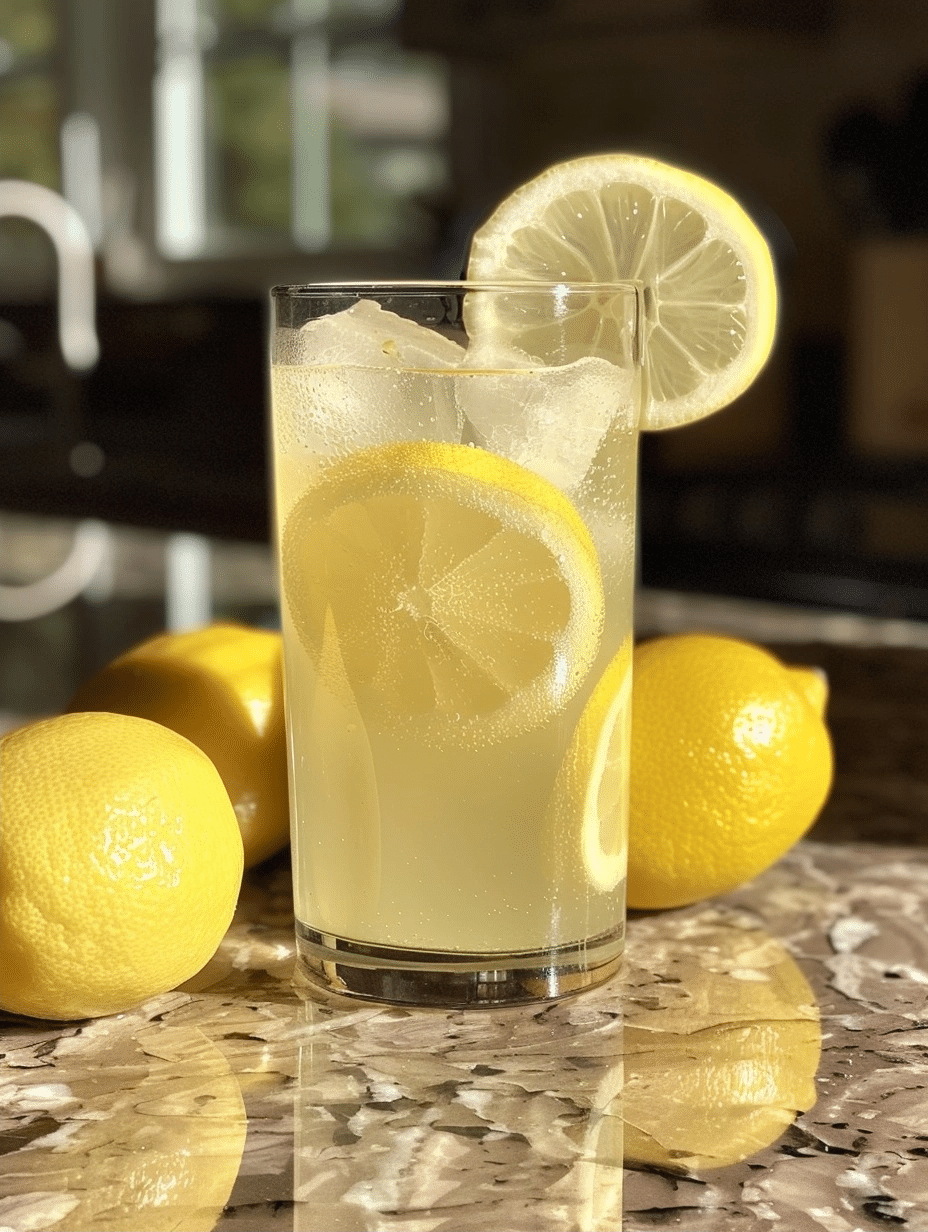
Sparkling lemonade is a carbonated citrus beverage made from fresh lemon juice, simple syrup, still water, and sparkling water combined in a pitcher and served over ice. This drink delivers bright, zesty flavor with an effervescent texture that makes it perfect for hot days, backyard gatherings, and outdoor entertaining. I’ve been making this version for years at Fresh Recipes Corner, and it consistently becomes the star of any event I host or attend.
About Me and This Recipe
I’m Maya Collins, a 29-year-old from Austin, Texas, and co-creator at Fresh Recipes Corner, where I focus on simple, refreshing drinks you can make anytime. I started by mixing juices in my mom’s kitchen just for fun, and over time it turned into a real passion. I love working with fruits, herbs, and natural ingredients to create mocktails, smoothies, and soft drinks that are easy but full of flavor.
Growing up in Texas, my family would gather around pitchers of homemade lemonade during scorching summers. My mom taught me that the secret wasn’t fancy equipment or exotic ingredients, but rather quality fruit and patience. When I discovered how adding sparkling water transformed ordinary lemonade into something restaurant-worthy, I realized I’d found my signature refreshment. Today, I share this exact method with readers who want impressive drinks without complicated techniques.
Recipe Overview
| Attribute | Details |
|---|---|
| Prep Time | 15 minutes |
| Cook Time | 5 minutes |
| Total Time | 20 minutes |
| Servings | 4 servings |
| Difficulty | Very Easy |
| Cuisine | American |
Why This Recipe Works
This sparkling lemonade recipe works because it balances three essential elements: bright acidity from fresh lemons, sweetness from simple syrup, and effervescence from carbonated water. I discovered that making a simple syrup first ensures the sugar dissolves completely and distributes evenly throughout the drink. This method prevents grainy texture and delivers consistent sweetness in every sip.
The magic happens when you add sparkling water last, just before serving. This technique preserves the carbonation and prevents the bubbles from dissipating. I’ve learned through testing that carbonation is crucial because it enhances perceived flavor, making the lemonade taste brighter and more refreshing than flat versions. The combination of these techniques creates a beverage that tastes like it came from a high-end juice bar.
Temperature control matters significantly too. I always let the simple syrup cool completely before mixing it with other ingredients. Hot syrup would dilute the ice too quickly, watering down the flavor and reducing carbonation effectiveness. This attention to detail transforms a basic recipe into a sophisticated drink that guests request repeatedly.
Ingredients
| Ingredient | Quantity | Notes & Alternatives |
|---|---|---|
| Fresh lemons | 4 medium | Must be ripe and juicy, not pale or hard. Bottled lemon juice loses freshness and creates muted flavor. Use Meyer lemons for sweeter variation. |
| Sugar | 1/2 cup | White granulated sugar works best. Honey adds floral notes but may reduce carbonation; use 1/3 cup if substituting. |
| Still water (for syrup) | 1/2 cup | Filtered water prevents mineral interference. Tap water works if filtered. |
| Still water (for pitcher) | 1 cup | Dilutes concentrate to proper strength. Use filtered water for best taste. |
| Sparkling water | 2 cups | Club soda, seltzer, or flavored sparkling water all work. Avoid tonic water (contains quinine). Add just before serving. |
| Ice cubes | As needed | Fill glasses three-quarters full. Crushed ice waters down faster than cubes. |
| Fresh mint leaves | Optional, 8-10 | Adds herbaceous complexity. Tear gently to release oils. Basil offers interesting alternative. |
| Lemon slices | Optional, 4 thin | Garnish and subtle flavor enhancement. Cut just before serving to prevent oxidation. |
Step-by-Step Instructions
Juice and Syrup Phase
- Cut four medium lemons in half and juice them thoroughly into a measuring bowl, yielding approximately one cup of fresh lemon juice.
- Pour one-half cup of filtered water into a small saucepan and add one-half cup of white granulated sugar.
- Place the saucepan over medium heat and stir constantly for two minutes until the sugar dissolves completely and the mixture becomes clear.
- Remove the saucepan from heat immediately and allow the simple syrup to cool to room temperature for ten minutes before using.
Assembly Phase
- Pour the one cup of fresh lemon juice into a large pitcher or serving container.
- Add the cooled simple syrup to the pitcher and stir well to combine thoroughly.
- Pour one cup of still filtered water into the pitcher and stir the mixture for thirty seconds.
- Fill four glasses with ice cubes, distributing them evenly among the glasses.
- Divide the lemonade base equally among the four glasses, filling each three-quarters full.
Carbonation and Serving Phase
- Top each glass with one-half cup of sparkling water, pouring slowly to minimize bubble loss.
- Stir each glass gently with a long spoon to combine the sparkling water with the lemonade base.
- Garnish each glass with a fresh mint leaf or thin lemon slice if desired, placing it on the rim.
- Serve immediately while the carbonation is strongest, within two minutes of adding sparkling water.
Chef Tips for Perfect Results
- Choose the right lemons: Lemons should feel heavy for their size, indicating high juice content. Microwave each lemon for fifteen seconds before juicing to increase yield by up to thirty percent.
- Control sweetness precisely: Taste the base mixture before adding sparkling water and adjust simple syrup accordingly. Add sugar one tablespoon at a time if you prefer less sweetness.
- Keep everything cold: Refrigerate all components before mixing, including the pitcher itself. This prevents melting ice and maintains proper drink temperature longer.
- Add sparkling water strategically: Pour sparkling water vertically into the center of each glass rather than on the sides to preserve carbonation bubbles.
- Use fresh herbs properly: Slap mint leaves gently between your palms before adding to release essential oils. This amplifies herbaceous flavor without bruising delicate leaves.
- Time your service: Mix drinks no more than two minutes before serving to maintain maximum carbonation. Prepare components ahead but assemble at the last moment.
Common Mistakes to Avoid
Using bottled lemon juice instead of fresh: Bottled juice lacks the brightness and complexity of fresh-squeezed lemons. The preservatives and processing create a muted, one-dimensional flavor. Always juice fresh lemons yourself for superior taste and texture that guests will notice immediately.
Adding hot simple syrup directly: Combining hot syrup with cold ingredients causes rapid ice melting and excessive dilution. Cool the syrup completely before mixing by setting it aside for at least ten minutes or placing the pan in an ice bath for faster cooling.
Adding sparkling water too early: Mixing carbonated water into the base creates flat lemonade within minutes as bubbles escape. Add sparkling water only to individual glasses immediately before serving to maintain effervescence throughout the meal.
Oversweetening the base: Too much sugar masks the bright lemon flavor and creates a cloying drink. Start with the recommended one-half cup and taste before adjusting upward, adding only one tablespoon at a time.
Using warm or room-temperature ice: Partially melted ice releases liquid that dilutes flavor quickly. Use ice straight from the freezer and consider making it fresh by refreezing before serving if it’s been sitting in the freezer longer than two days.
Variations and Substitutions
| Ingredient | Substitution | Impact on Flavor |
|---|---|---|
| White sugar | Honey or agave nectar | Adds floral, slightly caramel-like sweetness; reduces carbonation slightly; use one-third cup instead of half cup. |
| Regular lemons | Meyer lemons | Creates sweeter, less acidic drink with subtle orange undertones; requires reducing sugar by two tablespoons. |
| Still water | Coconut water | Adds subtle tropical flavor and electrolytes; maintains refreshing quality but changes overall profile significantly. |
| Sparkling water | Ginger ale or lemon-flavored sparkling water | Ginger ale adds spice and warmth; pre-flavored water creates complex taste but may overpower lemon flavor. |
| Fresh mint | Fresh basil or rosemary | Basil creates peppery, slightly licorice notes; rosemary adds piney, herbaceous depth; both enhance sophistication. |
| Ice cubes | Frozen lemon slices or herb ice cubes | Frozen lemon slices add visual appeal and subtle flavor release as they melt; herb ice cubes provide consistent herb flavor throughout. |
Serving Suggestions and Pairings
Sparkling lemonade pairs beautifully with outdoor summer gatherings, backyard barbecues, and garden parties where guests appreciate refreshing non-alcoholic beverages. I serve this drink at afternoon tea time alongside light finger sandwiches, scones, and fresh fruit pastries for an elegant gathering.
This beverage complements picnic foods exceptionally well, particularly grilled chicken sandwiches, fresh salads with vinaigrette dressings, and light vegetable platters. The acidity and carbonation cut through rich foods and cleanse the palate between bites, making it ideal for extended outdoor meals.
For brunch occasions, sparkling lemonade works alongside quiches, frittatas, fresh fruit platters, and baked goods. I often serve it at spring garden parties, wedding receptions during daytime hours, and children’s birthday celebrations where sophisticated non-alcoholic refreshment matters.
Temperature control matters for serving: use frosted glasses straight from the refrigerator to keep the drink cold longer. Prepare a large batch in a pitcher and allow guests to serve themselves, adding fresh ice to individual glasses as needed throughout the event.
Storage and Reheating
| Method | Duration | Instructions |
|---|---|---|
| Refrigerated base (without carbonation) | 3-4 days | Store lemon juice, simple syrup, and still water mixture separately in sealed glass containers. Combine just before serving and add sparkling water immediately. |
| Fresh lemon juice only | 2-3 days | Store in an airtight glass container on the coldest shelf. Strain through fine mesh before using to remove any pulp that may have separated. |
| Simple syrup only | 1-2 weeks | Store in a sealed glass container in the refrigerator. Syrup will thicken slightly as it cools; this is normal. Reheat gently if needed for easier mixing. |
| Complete chilled pitcher (without sparkling water) | 1-2 days | Cover tightly with plastic wrap or a fitted lid. Store on the middle shelf away from strong-smelling foods. Add sparkling water only when serving individual glasses. |
| Sparkling lemonade (carbonated) | Less than 2 hours | Carbonation dissipates quickly; serve immediately after adding sparkling water. Store in sealed containers if not serving right away, but bubbles will be mostly gone. |
Nutritional Information
Approximate values per eight-ounce serving.
| Nutrient | Amount per Serving |
|---|---|
| Calories | 120 |
| Total Fat | 0g |
| Saturated Fat | 0g |
| Cholesterol | 0mg |
| Sodium | 45mg |
| Total Carbohydrates | 31g |
| Dietary Fiber | 0g |
| Sugars | 29g |
| Protein | 0g |
| Vitamin C | 15mg (25% DV) |
| Potassium | 145mg (4% DV) |
Frequently Asked Questions
Can I make sparkling lemonade ahead of time for a party?
Yes, you can prepare the lemonade base up to two days ahead by storing the lemon juice, simple syrup, and still water separately in sealed containers. Add sparkling water only to individual glasses immediately before serving to preserve carbonation and effervescence. This preparation method lets you entertain without last-minute stress while ensuring maximum freshness.
What type of sparkling water works best for this recipe?
Plain club soda, unflavored seltzer, and basic sparkling water all produce excellent results and won’t interfere with lemon flavor. Avoid tonic water because it contains quinine and added botanicals that clash with lemonade’s brightness. Flavored sparkling waters like lemon or raspberry can work but may complicate the taste profile; test with a small batch first.
How do I prevent my sparkling lemonade from going flat too quickly?
Add sparkling water directly to individual glasses no more than two minutes before serving, pouring slowly and vertically to minimize bubble loss. Keep all components chilled before mixing, use ice straight from the freezer, and avoid stirring vigorously after adding carbonation. These techniques collectively preserve carbonation throughout your serving window.
Can I substitute fresh lemon juice with bottled juice?
Bottled lemon juice will technically work but produces noticeably inferior results compared to fresh-squeezed lemons. The preservatives and processing dull the bright citrus flavor and create a one-dimensional taste that guests will detect immediately. I strongly recommend investing five minutes in juicing fresh lemons for vastly superior flavor that makes this sparkling lemonade recipe shine.
What should I do if my sparkling lemonade tastes too sweet?
Reduce the simple syrup by starting with one-quarter cup instead of one-half cup, then taste and adjust by adding one tablespoon at a time until you reach your preferred sweetness level. You can also add more still water to dilute sweetness without affecting carbonation negatively. For future batches, document your preferred ratio for consistent results.
Does this recipe work for making large batches to serve many guests?
Yes, this recipe scales easily by multiplying all ingredients by the number of servings you need, keeping proportions exactly the same. Prepare the base in a large pitcher or punch bowl, but add sparkling water only as guests arrive and request drinks. This strategy prevents carbonation loss and ensures everyone receives properly fizzy, fresh sparkling lemonade throughout your event.
Conclusion
Sparkling lemonade transforms simple ingredients into an impressive, refreshing beverage that elevates any summer gathering. By following this tested recipe and understanding why each step matters, you’ll create consistently excellent results that guests genuinely request. The bright, bubbly finish and zesty lemon flavor make this homemade sparkling lemonade impossible to forget.
Sparkling Lemonade
Ingredients
- 6 large lemons (about 1 cup freshly squeezed juice)
- 1 cup sugar
- 2 cups water (divided)
- 2 cups sparkling water
- Ice cubes (for serving)
Instructions
- Juice lemons using a manual juicer or citrus squeezer, reserving pulp if desired
- Combine sugar and 1 cup water in a saucepan; cook over medium heat until sugar dissolves
- Let syrup cool completely
- In a pitcher, mix lemon juice, cooled syrup, and remaining 1 cup still water
- Chill mixture until well chilled (1-2 hours)
- Just before serving, stir in sparkling water for optimal carbonation
- Serve over ice cubes with optional lemon slices or mint garnish
Notes
Fresh lemons yield better flavor than bottled juice
Cool syrup in an ice bath or refrigerator to maintain carbonation
Add basil, mint, or muddled berries for variations
Store leftovers refrigerated for up to 24 hours