

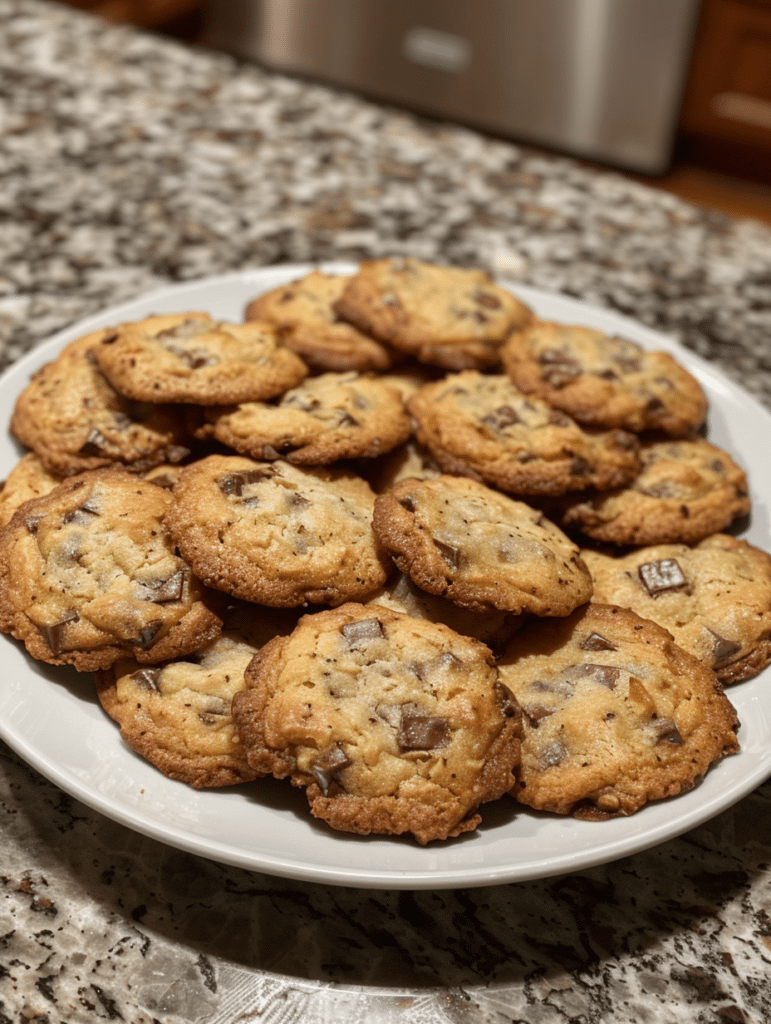
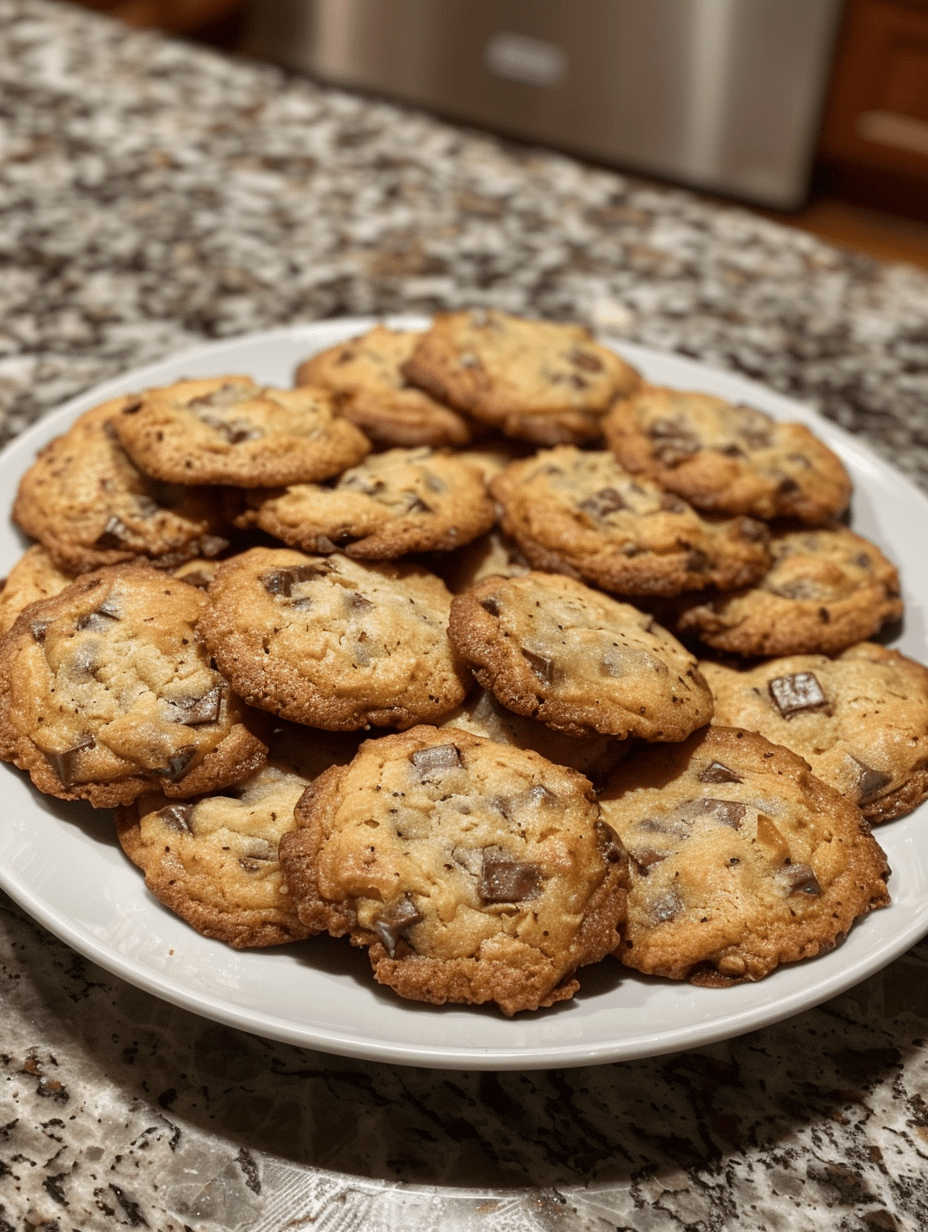
Sourdough discard cookies are a brilliant way to use the starter you’d typically discard during your baking routine. These cookies deliver a subtle tang, chewy center, and crispy edges that rival any classic sugar cookie. The fermented flavor from your sourdough starter creates a sophisticated, complex sweetness that makes these cookies unforgettable. I’ve perfected this recipe over three years of maintaining an active starter in Portland, testing every temperature, timing, and mix ratio to get the texture exactly right.
My Story: From Guilty Discard to Kitchen Gold
I’m Lila Bennett, a 34-year-old home baker based in Portland, Oregon, and my kitchen is almost always filled with the smell of something sweet. I fell in love with baking as a kid, sneaking tastes of cookie dough and watching simple ingredients turn into something comforting and delicious. What started with slightly overbaked cookies turned into years of experimenting with cakes, pancakes, and all kinds of desserts—learning through trial, error, and a lot of taste-testing.
My journey with sourdough began five years ago when a friend gifted me her mother’s starter. I kept it alive, fed it religiously, but I struggled with one persistent guilt: all that discarded starter felt wasteful. One Saturday morning, I had nearly a cup of discard sitting in a jar, and instead of dumping it, I decided to bake. I threw together flour, butter, sugar, and eggs with that starter, expecting disaster. What came out of the oven changed everything.
Those first cookies were imperfect but revelatory. They had a subtle tang I couldn’t replicate with vanilla extract alone, a chewiness that stayed for days, and a depth of flavor that made family members ask what I’d added. Over the next three years, I’ve tested this recipe in every season, adjusted it for different starter strengths, and shared it with dozens of fellow sourdough bakers. Now, I make these cookies specifically to use my discard, and I actually look forward to those weekly feedings.
Recipe Overview
| Metric | Value |
|---|---|
| Prep Time | 15 minutes |
| Chill Time | 30 minutes |
| Cook Time | 12-14 minutes |
| Total Time | 57 minutes |
| Servings | 24 cookies |
| Difficulty | Easy |
| Cuisine | American Farmhouse |
Why This Recipe Works
Sourdough discard cookies succeed because the starter already contains wild yeast and lactic acid bacteria that have been breaking down flour for days. This fermentation creates flavor compounds and acids that deepen the cookie’s taste profile far beyond what you’d get from a standard butter cookie. The starter also adds moisture and a slight lift, which keeps these cookies chewy in the center while maintaining crispy edges.
I’ve tested this recipe with both active and inactive starter, and I can confirm that freshly fed starter produces a stronger tang and lighter crumb. The acid in the starter reacts with baking soda to create lift and structure, while the existing gluten development in the starter reduces overmixing. This means you can mix the dough confidently without worrying about tough cookies.
What makes this recipe reliable is that sourdough discard is already sour and bubbly—you’re not fighting against neutral flour or waiting for fermentation to happen in the dough. Your cookies bake with built-in flavor, better texture, and honestly, they taste like you’ve been baking for decades. That’s the magic of using what you’d normally throw away.
Ingredients
| Ingredient | Quantity | Notes & Alternatives |
|---|---|---|
| Sourdough Discard (Active) | 1 cup (240g) | Use starter fed 4-8 hours prior, bubbly but not at peak. Cold or room temperature both work; cold produces less spread. |
| Unsalted Butter | 1/2 cup (115g) | Softened to room temperature. For dairy-free, substitute with 1/2 cup coconut oil or plant-based butter (texture will be slightly cakier). |
| Granulated Sugar | 1/2 cup (100g) | Standard white sugar. For lighter cookies, replace 1/4 cup with coconut sugar (adds subtle caramel notes). |
| Brown Sugar | 1/2 cup (100g) | Packed brown sugar for moisture and chewiness. Dark brown adds deeper molasses; light brown is milder. |
| Large Egg | 1 whole | Room temperature. Ensures emulsification and structure. Cannot be omitted. |
| Vanilla Extract | 1 teaspoon (5ml) | Pure vanilla is superior; imitation works but less aromatic. Almond extract (1/2 tsp) adds sophistication. |
| All-Purpose Flour | 1 3/4 cups (220g) | Spoon and level to measure. Bread flour creates chewier cookies; pastry flour makes them more tender. |
| Baking Soda | 1/2 teaspoon (2.5g) | Essential for lift and to neutralize starter acidity. Do not skip or reduce. |
| Sea Salt | 1/2 teaspoon (3g) | Enhances sweetness and balances tang. Kosher salt works; reduce to 1/4 tsp if using fine table salt. |
| Optional: Cinnamon | 1/4 teaspoon | Deepens warm notes without overpowering. Complements the sourdough tang beautifully. |
Step-by-Step Instructions
Phase One: Prepare Your Ingredients
- Measure 1 cup of active sourdough discard into a medium bowl, ensuring it’s bubbly and recently fed within the last 8 hours.
- Remove 1/2 cup softened butter from the counter and confirm it’s soft enough to press with one finger but still holds its shape.
- Combine 1/2 cup granulated sugar and 1/2 cup packed brown sugar in a small dish, mixing together with a fork to break any lumps.
- Whisk together 1 3/4 cups all-purpose flour, 1/2 teaspoon baking soda, 1/2 teaspoon sea salt, and optional 1/4 teaspoon cinnamon in a separate bowl, setting the dry mixture aside.
Phase Two: Cream and Mix the Wet Base
- Place softened butter and combined sugars into a large mixing bowl, then beat together with an electric mixer on medium speed for 2-3 minutes until light and fluffy with visible air pockets.
- Add 1 large room-temperature egg to the butter mixture, beating for 1 minute until fully incorporated and the mixture appears pale yellow.
- Pour in 1 teaspoon vanilla extract and beat for 30 seconds until completely combined and smooth.
- Gently fold in the 1 cup active sourdough discard using a spatula, mixing until no visible streaks of starter remain and the batter becomes slightly thick.
Phase Three: Combine and Chill
- Sift or gently stir the reserved dry ingredients (flour, baking soda, salt, cinnamon) into the wet mixture in two additions, folding until just combined—do not overmix.
- Transfer the finished dough to a bowl, cover with plastic wrap, and refrigerate for 30 minutes until firm enough to scoop without spreading immediately.
Phase Four: Shape and Bake
- Preheat your oven to 350°F (175°C) and line two baking sheets with parchment paper or silicone baking mats.
- Scoop dough using a 1.5-tablespoon cookie scoop, creating 24 equal portions and placing them 2 inches apart on prepared baking sheets.
- Bake for 12-14 minutes until the edges are golden brown and the centers appear set but still slightly soft to the touch.
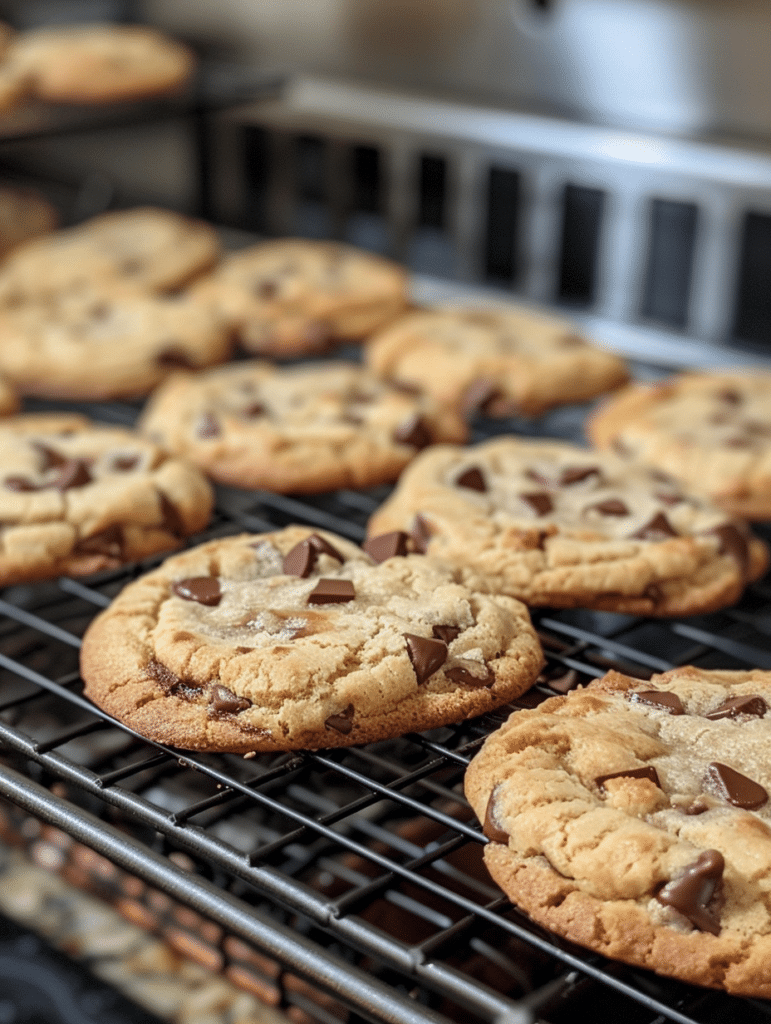
- Remove baking sheets from the oven and let cookies cool on the pan for 5 minutes before transferring to a wire cooling rack for complete cooling.
Chef Tips for Perfect Results
- Use Active Starter, Not Discard at Peak: The best texture comes from starter that’s bubbly and active but not at its maximum rise. If your starter is at peak fermentation (doubled and starting to collapse), use it immediately. If it’s sluggish, feed it 4-6 hours before baking and use while still climbing. I’ve found that starter fed in the morning works perfectly for evening baking.
- Don’t Skip the Chill: The 30-minute refrigeration is non-negotiable for chewy centers. Cold dough spreads slower, allowing the edges to set and crisp while the center stays soft. I use this time to prep my baking sheets, which feels efficient and keeps the cookies consistent.
- Temperature Control Matters: Room-temperature butter and egg emulsify better than cold ingredients, creating a smoother batter and more tender crumb. Take your egg out of the fridge 15 minutes before mixing. This small step prevents curdling and ensures even distribution.
- Measure Flour Correctly: Spoon flour into your measuring cup and level it with a knife rather than scooping directly from the bag. Scooping compresses flour and can add 20-30g more than needed, making cookies dense. I learned this lesson the hard way after a batch turned out cakey instead of chewy.
- Watch for Golden Edges, Not Fully Baked Centers: These cookies continue cooking on the pan after removal from the oven due to carryover heat. Pull them when the edges are visibly golden but the center still jiggles slightly when the pan is moved. They’ll firm up as they cool to perfect chewiness.
- Baking Soda is Your Secret Weapon: The baking soda reacts with the sourdough’s acidity to create lift and browning. If you reduce it, cookies flatten and taste overly sour. I always use exactly 1/2 teaspoon to balance the tang perfectly.
Common Mistakes to Avoid
Mistake 1: Using Inactive or Unfed Starter — If your starter hasn’t been fed in days, it lacks the active yeast and bacteria needed to create the signature tan and lift. The cookies will taste flat and dense instead of light and tangy. Always feed your starter 4-8 hours before baking and use it while bubbly. If you forgot to feed it, wait overnight, feed it, and bake the next morning instead.
Mistake 2: Overmixing the Dough — Once you add the dry ingredients, stop mixing as soon as no flour streaks remain. Overmixing develops gluten, which creates tough, cake-like cookies instead of tender ones. The sourdough starter has already created some gluten structure, so you need less mixing than traditional cookie recipes. Use a gentle folding motion with a spatula rather than aggressive stirring.
Mistake 3: Skipping the Chill Time — Room-temperature dough spreads too much during baking, producing thin, crispy cookies instead of chewy ones with crispy edges. Even 15 minutes of chilling helps, but 30 minutes is ideal. I keep my dough in the fridge while preheating the oven, which works perfectly for timing.
Mistake 4: Overbaking Due to Wrong Oven Temperature — Ovens vary by 25-50°F from their displayed temperature. If yours runs hot, cookies bake too fast and become hard and dry. Use an oven thermometer to verify your actual temperature. If your oven runs hot, reduce to 325°F and bake for 14-16 minutes instead. Err toward underbaking rather than overbaking—they continue cooking on the pan.
Mistake 5: Not Accounting for Starter Hydration Differences — Some bakers maintain thicker starter (100% hydration) while others keep theirs looser (125% hydration or wetter). Thicker starter means thicker dough; wetter starter means looser dough. If your cookies spread excessively, your starter might be wetter than expected. Add 1-2 tablespoons extra flour if needed and chill 10 minutes longer.
Variations and Substitutions
| Ingredient | Substitution | Impact on Flavor & Texture |
|---|---|---|
| Vanilla Extract | Almond Extract (1/2 tsp) or Maple Extract (1 tsp) | Almond adds nuttiness that complements sourdough tang beautifully. Maple adds cozy, warm notes—excellent for fall baking. |
| Brown Sugar | Muscovado Sugar (1/2 cup packed) | Creates darker, more molasses-forward cookies with deeper chewiness. Flavor becomes richer and more complex. |
| All-Purpose Flour | Bread Flour (1 3/4 cups) or Spelt Flour (1 1/2 cups) | Bread flour produces chewier cookies with more structure. Spelt adds nutty depth but requires 2-3 minutes less baking time. |
| Butter | Coconut Oil (1/2 cup) or Ghee (1/2 cup) | Coconut oil creates lighter, crispier cookies with subtle coconut notes (not overpowering). Ghee adds richness and slight caramel undertones. |
| Granulated Sugar | Honey (1/3 cup) or Maple Syrup (1/3 cup) | Honey makes cookies chewier and browns faster—reduce baking time to 10-12 minutes. Maple adds depth but requires 2 tablespoons less flour. |
| Sea Salt | Fleur de Sel or Smoked Salt (1/2 tsp) | Fleur de sel provides delicate mineral notes. Smoked salt adds unexpected savory complexity—use sparingly to avoid overpowering sweetness. |
| Cinnamon | Cardamom (1/4 tsp) or Nutmeg (1/8 tsp) | Cardamom creates sophisticated, slightly floral warmth. Nutmeg adds earthy spice—use less than cinnamon to avoid overpowering. |
| Egg | Applesauce (1/4 cup) or Mashed Banana (1/4 cup) | Applesauce creates slightly cakier texture but maintains structure. Banana adds sweetness and tang that complements sourdough—reduce sugar by 2 tablespoons. |
Serving Suggestions and Pairings
These sourdough discard cookies pair beautifully with afternoon tea, coffee, and milk-based beverages. The subtle tang cuts through the richness of butter, making them less cloying than standard sugar cookies. I serve them at brunch gatherings with weak-brewed chamomile or Earl Grey, allowing the delicate sourdough notes to shine through.
For dessert moments, pair these cookies with vanilla ice cream or soft-serve frozen yogurt—the cool creaminess balances the tangy, chewy texture perfectly. They’re also excellent as an after-dinner bite with espresso or decaffeinated coffee, especially if you’ve added cinnamon to the dough.
I bring these to casual potlucks and neighbor gatherings because they travel well and stay fresh for days. They’re impressive enough to gift during the holidays—wrapped in clear bags with kraft paper labels—yet humble enough to serve at a weeknight dessert spread without fuss. The story of using sourdough discard always generates conversation and interest from fellow bakers.
For children’s snacks, these cookies are perfect alongside fresh fruit or yogurt. They’re not overly sweet like many store-bought cookies, so kids enjoy them without the sugar crash. I’ve also crumbled them into vanilla yogurt for a parfait topping, which adds pleasant texture and subtle tang.
Storage and Reheating
| Method | Duration | Instructions |
|---|---|---|
| Room Temperature (Airtight Container) | 5-7 days | Place cooled cookies in an airtight container, separating layers with parchment paper. Keep away from direct sunlight and heat sources. Cookies soften slightly as they age due to moisture redistribution, which I actually prefer after day 2. |
| Refrigerator (Sealed Container) | 10-14 days | Store in an airtight container on a shelf (not the door). Cold temperatures slow staling and preserve the chewy texture. Remove 30 minutes before serving to return to room temperature. |
| Freezer (Zip-Lock Bag or Container) | 2-3 months | Cool cookies completely, then layer between parchment in a freezer-safe bag or container. Exclude as much air as possible. Thaw at room temperature for 1-2 hours before serving; cookies taste freshly baked after thawing. |
| Freeze Raw Dough (Portioned Scoops) | 3 months | Scoop dough onto parchment, freeze on a tray for 2 hours, then transfer to a zip-lock bag. Bake directly from frozen, adding 2-3 minutes to baking time. No thawing needed—perfect for fresh cookies on demand. |
| Refresh Stale Cookies (Room Temp) | Immediate | Wrap stale cookies in a damp paper towel and microwave for 15-20 seconds to restore softness. Alternatively, place on a parchment-lined baking sheet and warm in a 275°F oven for 5 minutes. |
Nutritional Information
Approximate values per cookie (based on 24 cookies per batch)
| Nutrient | Amount per Cookie |
|---|---|
| Calories | 120 |
| Protein | 1.5g |
| Total Fat | 5.2g |
| Saturated Fat | 3.1g |
| Carbohydrates | 16.8g |
| Fiber | 0.4g |
| Sugars | 12.1g |
| Sodium | 95mg |
Note: Values are estimates and may vary based on exact ingredients used and brand variations. These cookies are moderate in calories and balanced in macro-nutrients for an occasional treat.
Frequently Asked Questions
Can I Substitute Sourdough Discard with Regular Starter or Store-Bought Culture?
Yes, any active sourdough starter works perfectly, whether it’s fresh discard or well-established starter. Store-bought cultures (like those used to ferment yogurt or vegetables) won’t provide the same sourdough tang and lift because they lack the wild yeast and lactic acid bacteria specific to sourdough fermentation. If you don’t have sourdough starter, you can substitute 1 cup plain yogurt plus 1/4 teaspoon instant yeast mixed together, letting it sit 1 hour before using, though the flavor will be milder.
How Do I Know If My Cookies Are Fully Baked?
The centers should jiggle slightly when you tap the baking sheet, and the edges should be visibly golden brown. Remove them at this point and allow them to cool on the pan for 5 minutes, where they’ll firm up from carryover heat. If you wait until the centers appear completely firm in the oven, they’ll be overbaked and hard when cooled. The initial softness is exactly what creates that perfect chewy texture.
What If My Cookies Spread Too Much and Turn Out Thin?
Excessive spreading indicates your dough was too warm or your starter too hydrated. For the next batch, increase refrigeration time to 45-60 minutes and verify your oven temperature with a thermometer. If you suspect your starter is unusually loose, add 1-2 tablespoons extra flour and chill 15 minutes longer. You can also reduce the granulated sugar by 1 tablespoon, which reduces moisture and spreading.
Can I Make the Dough Ahead and Bake Later?
Absolutely—refrigerated dough keeps for 3 days, and frozen dough lasts 3 months. For best results, chill the dough before freezing in scoop-sized portions, then bake directly from frozen, adding 2-3 minutes to the baking time. This method is incredibly convenient for fresh cookies throughout the week. I batch-scoop dough on Sunday and bake fresh cookies for the following 10 days.
Do These Cookies Taste Strongly of Sourdough?
The sourdough flavor is subtle, not overwhelming—it manifests as a gentle tang and complex depth rather than obvious sourness. If your cookies taste intensely sour, your starter was over-fermented or very acidic. Use starter that’s bubbly but not at peak fermentation, and ensure your baking soda measurement is exactly 1/2 teaspoon to neutralize excess acidity. Most people describe the flavor as “sophisticated” or “bakery-like” rather than “distinctly sour.”
Can I Make These Cookies Vegan?
Sourdough discard is naturally vegan (flour, water, salt). Replace the butter with 1/2 cup coconut oil or vegan butter and the egg with 1/4 cup unsweetened applesauce mixed with 1/2 teaspoon cornstarch. The cookies will be slightly crispier and less rich, but still chewy and delicious. Note that vegan versions may brown slightly faster, so check at 11 minutes instead of 12.
Conclusion
Sourdough discard cookies transform a byproduct of sourdough maintenance into something genuinely spectacular. These cookies prove that the most sustainable baking innovations often come from using what would otherwise become waste. With their chewy centers, crispy edges, and sophisticated tang, they’ve become my go-to recipe whenever my starter gets fed. Make a batch this week.
Sourdough Discard Cookies
Equipment
- mixing bowls
- electric mixer
- rubber spatula
- whisk
- cookie scoop
- baking sheets
- parchment paper
- wire cooling rack
Ingredients
- 1 cup active sourdough discard
- 1/2 cup unsalted butter, softened
- 1/2 cup granulated sugar
- 1/2 cup packed brown sugar
- 1 large egg
- 1 tsp vanilla extract
- 1 3/4 cups all-purpose flour
- 1/2 tsp baking soda
- 1/2 tsp sea salt
- 1/4 tsp cinnamon (optional)
Instructions
- Measure 1 cup of active sourdough discard into a bowl, ensuring it is bubbly and recently fed.
- Bring the butter to room temperature until soft but still holding its shape.
- Combine the granulated sugar and brown sugar in a bowl, breaking up any lumps.
- Whisk together the flour, baking soda, sea salt, and optional cinnamon in a separate bowl.
- Beat the softened butter and sugars together with an electric mixer for 2–3 minutes until light and fluffy.
- Add the egg and beat until fully incorporated and pale yellow.
- Add the vanilla extract and beat until smooth and combined.
- Fold the sourdough discard into the wet mixture until no streaks remain.
- Add the dry ingredients in two additions, folding gently until just combined without overmixing.
- Cover the dough and refrigerate for 30 minutes until firm enough to scoop.
- Preheat the oven to 350°F (175°C) and line baking sheets with parchment paper.
- Scoop the dough into equal portions and place them 2 inches apart on the baking sheets.
- Bake for 12–14 minutes until the edges are golden brown and the centers remain slightly soft.
- Cool the cookies on the baking sheet for 5 minutes before transferring to a wire rack.
