

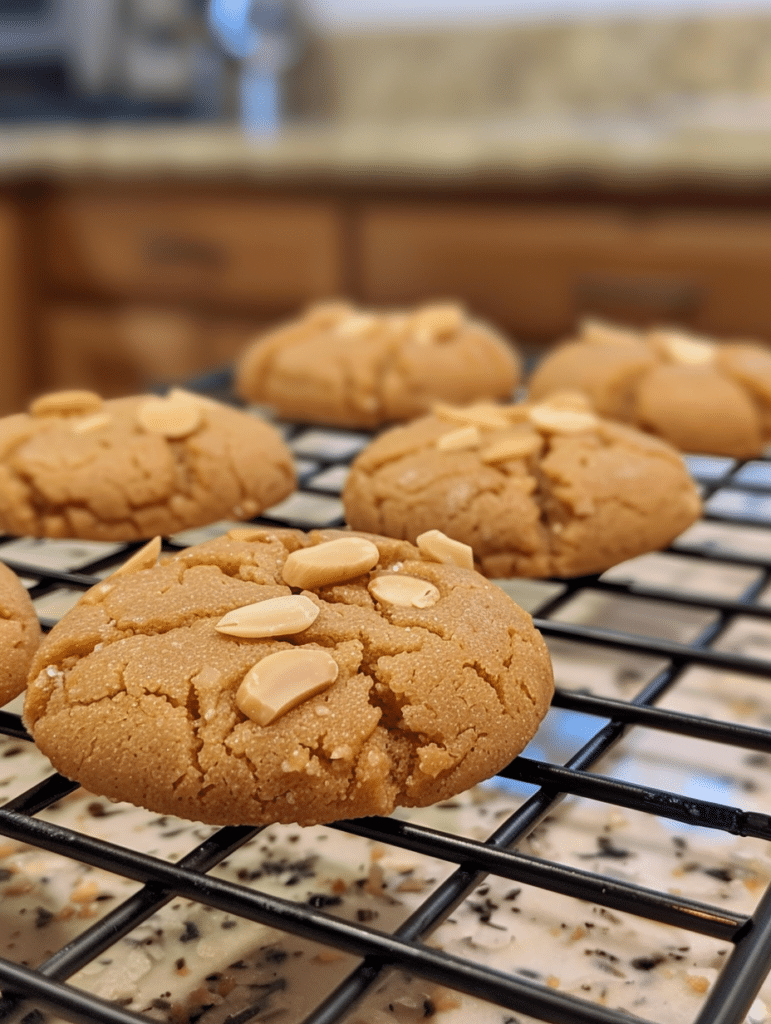
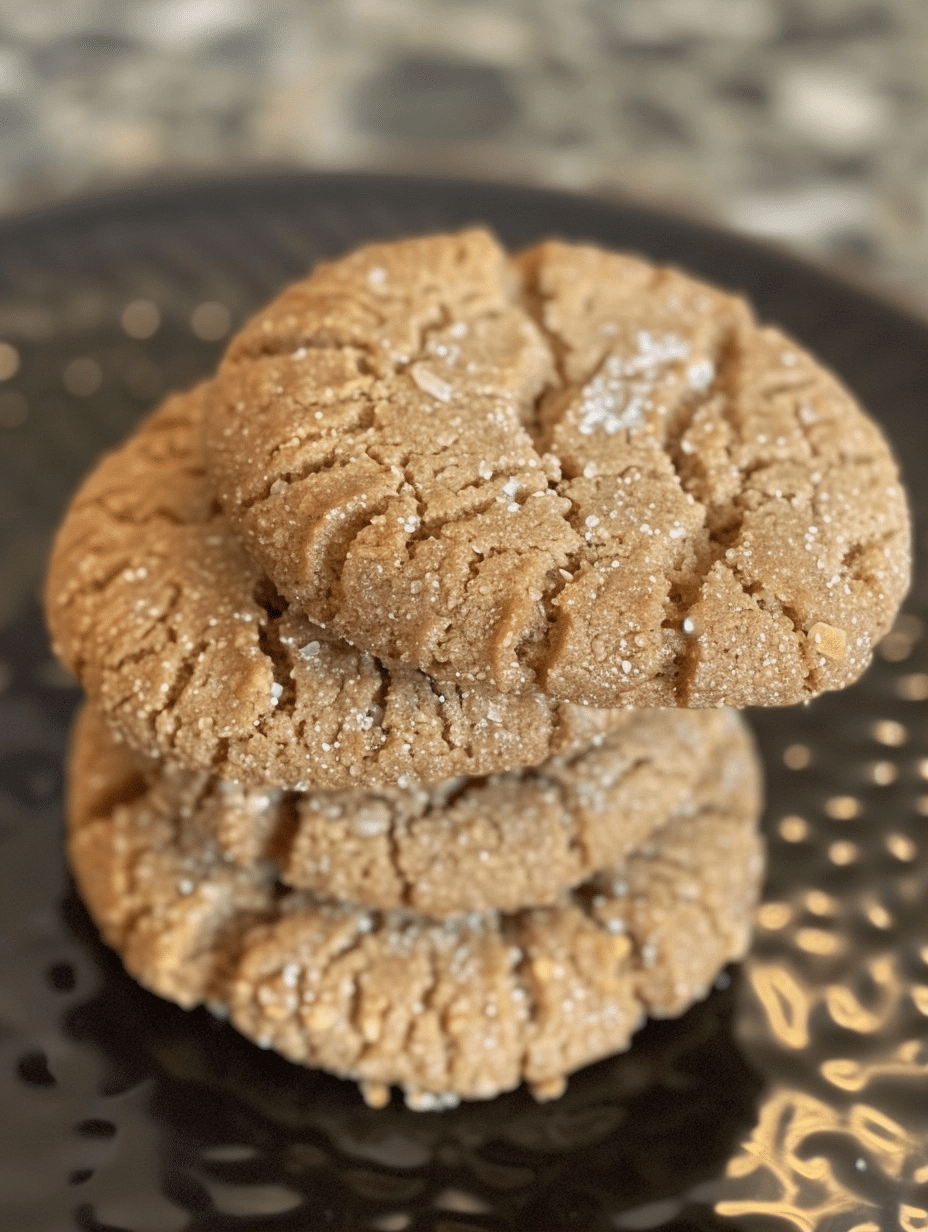
Almond flour cookies are naturally gluten-free treats made from finely ground almonds, butter, and sugar that deliver rich nuttiness with a soft, tender crumb. Unlike traditional wheat-based cookies, these use almond flour as the primary dry ingredient, creating a moist interior and delicate texture that appeals to both gluten-conscious bakers and anyone seeking a sophisticated cookie experience. The combination of healthy fats from almonds and simple sweeteners produces cookies that stay fresh longer than conventional recipes while maintaining exceptional flavor.
About the Baker: My Journey to Almond Flour Cookies
I’m Lila Bennett, a 34-year-old home baker based in Portland, Oregon, and my kitchen is almost always filled with the smell of something sweet. I fell in love with baking as a kid, sneaking tastes of cookie dough and watching simple ingredients turn into something comforting and delicious. What started with slightly overbaked cookies turned into years of experimenting with cakes, pancakes, and all kinds of desserts—learning through trial, error, and a lot of taste-testing.
My discovery of almond flour cookies came during a time when several close friends switched to gluten-free diets. I wanted to create something that didn’t taste like a sacrifice or compromise. After months of testing ratios and techniques, I developed a recipe that rivals traditional butter cookies in richness while standing proudly on its own merits. These almond flour cookies have become my signature gift and the recipe friends request most often.
Recipe Overview
| Attribute | Details |
|---|---|
| Prep Time | 15 minutes |
| Cook Time | 12-14 minutes |
| Total Time | 27-29 minutes |
| Servings | 24 cookies |
| Difficulty | Easy to Intermediate |
| Cuisine | French-inspired, Gluten-Free |
Why This Recipe Works
Almond flour provides natural binding properties that eliminate the need for xanthan gum, a common gluten substitute. When I first tested this recipe, I was surprised how the almond’s inherent fat content created cookies with genuine butter texture, not the gritty or dense results I’d experienced with other nut flours. The proteins in almonds also help structure the cookie while keeping it tender, something wheat flour struggles to achieve.
The moisture retention in almond flour means these cookies stay soft for days without becoming stale or hard. From my own testing, I found that the golden ratio of two parts almond flour to one part butter creates the perfect balance between richness and structure. Adding just enough sugar develops subtle caramelization at the edges while keeping the center chewy and moist, exactly what makes these almond flour cookies stand out from typical gluten-free options.
What impressed me most was the flavor development. Unlike refined white flour that acts as a neutral canvas, almond flour contributes genuine toasted nuttiness. This means you need fewer flavoring additions to create memorable cookies. A touch of vanilla and a pinch of salt allow the almonds to shine rather than mask them with chocolate or spices.
Ingredients
| Ingredient | Quantity | Notes |
|---|---|---|
| Almond flour | 2 cups (200g) | Finely ground, blanched almonds work best. Substitute: coconut flour (use 0.75 cup, add 2 tbsp liquid) |
| Unsalted butter | 1 cup (226g) | Room temperature for proper creaming. Substitute: coconut oil (use 0.75 cup, slightly crispier texture) |
| Granulated sugar | 0.75 cup (150g) | Standard white sugar provides caramelization. Substitute: coconut sugar (adds subtle caramel notes) |
| Egg | 1 large | Room temperature binds ingredients smoothly. Substitute: 2.5 tbsp aquafaba + 0.5 tsp cornstarch |
| Vanilla extract | 1.5 tsp | Pure extract enhances almond flavor. Substitute: almond extract (use 0.75 tsp, stronger flavor) |
| Sea salt | 0.25 tsp | Enhances nuttiness and balances sweetness. Substitute: fleur de sel for subtle minerality |
| Baking soda | 0.5 tsp | Adds slight lift and browning. Substitute: none (cookies will be denser) |
Step-by-Step Instructions
Preparation Phase
- Preheat your oven to 325°F (163°C) and line two baking sheets with parchment paper for even browning and easy removal.
- Remove butter from refrigeration 30 minutes ahead to reach room temperature, ensuring proper incorporation and aeration.
- Measure almond flour carefully by spooning into a measuring cup and leveling with a knife, preventing overpacking.
Mixing Phase
- Combine room-temperature butter and sugar in a large bowl, creaming for 2-3 minutes until light and fluffy with visible air pockets.
- Add the egg to the butter mixture one piece at a time, beating on medium speed for 30 seconds after each addition to fully incorporate.
- Pour vanilla extract into the wet ingredients and mix on low speed for 20 seconds until evenly distributed throughout.
- Whisk together almond flour, baking soda, and sea salt in a separate bowl to distribute leavening agent evenly.
- Fold the dry ingredients into wet ingredients using a silicone spatula with 15-20 gentle strokes until just combined and no streaks remain.
Shaping and Baking Phase
- Scoop dough using a 1-tablespoon cookie scoop or rounded measuring spoon, placing each portion 2 inches apart on prepared baking sheets.
- Gently flatten each scoop to 0.25-inch thickness using the bottom of a glass slightly dampened with water to prevent sticking.
- Bake for 12-14 minutes until the edges are light golden brown but the centers still appear slightly underdone and soft to touch.
- Cool cookies on the baking sheet for 5 minutes to allow carryover cooking, then transfer to a wire rack for 30 minutes to fully set.
Chef Tips for Perfect Results
- Temperature Control: Bake at 325°F instead of traditional 350°F because almond flour browns faster than wheat flour. Monitor closely in the final minutes to prevent over-browning while maintaining chewy centers.
- Creaming Technique: Beat butter and sugar for the full 2-3 minutes to incorporate maximum air. Under-creaming results in dense, flat cookies; over-creaming won’t affect these as much due to almond flour’s structure.
- Egg Integration: Add eggs slowly to prevent curdling the butter mixture, which breaks down the emulsion and results in greasy cookies. Room temperature eggs are non-negotiable for smooth incorporation.
- Don’t Overmix: Fold dry ingredients gently until just combined. Overmixing develops gluten in any remaining traces and can make cookies tough, though this is less critical than with wheat flour.
- Dough Consistency: The dough should hold its shape when scooped but remain slightly sticky. If too dry, add 0.5 tsp liquid at a time; if too wet, refrigerate for 15 minutes before scooping.
- Cooling Matters: Allow the full 5 minutes on the baking sheet. This allows the structure to firm up enough to handle without breaking, preventing crumbly cookies despite their tender nature.
Common Mistakes to Avoid
Mistake 1: Using Raw Almond Flour Instead of Blanched Raw almond flour contains the dark skin that imparts slight bitterness and makes texture less uniform. The solution is simple: purchase blanched almond flour specifically, or blanch raw almonds yourself by briefly boiling and removing skins before grinding.
Mistake 2: Baking at Too High a Temperature Many bakers default to 350°F from experience with wheat cookies, but this burns almond flour’s delicate structure before the interior cooks through. Lower the temperature to 325°F and add 2-3 extra minutes to prevent exterior-only browning.
Mistake 3: Overbaking Until Completely Firm Unlike wheat cookies that firm up as they cool, almond flour cookies continue setting for 10 minutes after removal from the oven. Taking them out when centers still jiggle slightly prevents the dry, mealy texture that happens with overbaking.
Mistake 4: Using Cold Butter for Creaming Cold butter won’t incorporate air efficiently, and your almond flour cookies emerge dense instead of tender. Remove butter from refrigeration at least 30 minutes ahead, or cut into small cubes and let sit at room temperature for faster softening.
Mistake 5: Skipping the Cooling Period on the Sheet Transferring cookies directly to a wire rack while still hot causes them to break apart since the structure hasn’t yet firmed. Wait the full 5 minutes on the baking sheet even though this feels counterintuitive with gluten-free baking.
Variations and Substitutions
| Ingredient | Substitution | Impact on Flavor |
|---|---|---|
| Almond flour | Pecan flour or hazelnut flour | Shifts from bright almond to deeper, more bitter nutty notes. Use same quantity. |
| Vanilla extract | Almond extract (0.75 tsp) | Intensifies nuttiness; creates more pronounced marzipan-like character. |
| Granulated sugar | Honey (0.5 cup, reduce butter by 2 tbsp) | Adds floral sweetness and increases chewiness; cookies spread slightly more. |
| Plain cookies | Add 0.25 cup mini chocolate chips or cocoa powder (reduce flour by 2 tbsp) | Introduces richness and complexity; chocolate complements almond beautifully. |
| Sea salt | Fleur de sel or smoked salt (same amount) | Fleur de sel adds subtle minerality; smoked salt creates unexpected savory depth. |
| Butter | Ghee (clarified butter) | Creates slightly crisper exterior while maintaining tenderness; adds nutty richness. |
| 1 egg | 3 tbsp applesauce + 0.25 tsp baking powder | Produces vegan cookies with slightly more cake-like texture; adds subtle sweetness. |
Serving Suggestions and Pairings
Serve warm almond flour cookies with hot coffee or espresso for a traditional café experience that highlights the nuts’ natural toasted notes. The subtle bitterness of dark roast coffee perfectly balances the cookies’ inherent sweetness without overpowering delicate almond flavors.
Pair these cookies with herbal teas like chamomile or earl grey for afternoon snacking. The floral and citrus notes in these teas create sophisticated flavor combinations with the cookies’ buttery texture and nuttiness.
Create an elegant dessert board by arranging almond flour cookies alongside fresh berries, aged cheddar cheese, and candied almonds. This combination plays on the cookies’ nuttiness while introducing contrasting sweet, tart, and savory elements for gatherings.
Gift boxes of almond flour cookies appeal to health-conscious friends, gluten-free diet followers, and anyone seeking refined treats. Package them in kraft paper with a handwritten card explaining the gluten-free advantage and almond nutrition benefits.
Serve with Greek yogurt and fresh fruit for a sophisticated breakfast or brunch item that feels indulgent while providing protein and healthy fats from the almonds.
Crumble slightly stale cookies and layer with whipped cream and fresh berries for an impromptu trifle that transforms simple almond flour cookies into a composed dessert.
Storage and Reheating
| Method | Duration | Instructions |
|---|---|---|
| Room Temperature Container | 5-7 days | Store in an airtight glass or plastic container with parchment between layers. Keep away from direct sunlight and heat sources to prevent softening. |
| Refrigerator | 10-14 days | Place in an airtight container on a shelf away from strong-smelling foods. Cold temperatures slow mold growth significantly, extending freshness. |
| Freezer | 2-3 months | Arrange cookies in a single layer on a baking sheet, freeze until solid (2 hours), then transfer to freezer bags. Thaw at room temperature for 30 minutes before serving. |
| Freezer (Pre-Portioned Dough) | 3 months | Scoop dough onto a baking sheet, freeze until solid, then transfer to freezer bags. Bake frozen cookies at 325°F for 15-17 minutes, adding 2-3 minutes to standard time. |
| Reheating (Oven) | 5 minutes prep | Preheat oven to 300°F, place cookies on a baking sheet, and warm for 3-5 minutes until centers feel soft. This revives cookies that have dried out slightly. |
| Microwave (Last Resort) | 1 minute prep | Wrap a single cookie in a damp paper towel and microwave for 15-20 seconds on 50% power. Prevents overheating while restoring softness quickly. |
Nutritional Information
Approximate values per serving (1 cookie, based on 24 servings):
| Nutrient | Amount per Serving |
|---|---|
| Calories | 145 kcal |
| Protein | 3.2g |
| Fat (Total) | 12.8g |
| Saturated Fat | 5.2g |
| Carbohydrates | 8.5g |
| Dietary Fiber | 1.8g |
| Sugar | 5.8g |
| Sodium | 68mg |
These almond flour cookies deliver higher protein and fiber compared to traditional wheat flour cookies of similar size. The healthy monounsaturated fats from almonds contribute to satiety and sustained energy, making these treats more nutritionally balanced than standard butter cookies.
Frequently Asked Questions
Can I Substitute All-Purpose Flour for Almond Flour in This Recipe?
No, substituting all-purpose flour requires adjusting multiple recipe components and produces a fundamentally different cookie. If you must use wheat flour, reduce it to 1.5 cups, add 1 tsp baking powder, and increase the egg to 2 large eggs. However, the result loses the signature tender crumb and nuttiness that makes almond flour cookies special.
How Do I Know When Almond Flour Cookies Are Done Baking?
The edges should turn light golden brown while centers remain slightly underdone and soft to touch after 12-14 minutes at 325°F. Remove them from the oven at this point; they will firm up significantly during the 5-minute cooling period on the baking sheet and subsequent cooling on the rack.
Why Do My Almond Flour Cookies Spread Too Much?
Excessive spreading happens when dough is too warm, butter was added before cooling sufficiently, or when you didn’t cream butter and sugar long enough. Refrigerate dough for 30 minutes before baking, ensure butter is soft but not melted, and cream ingredients for the full 2-3 minutes until fluffy.
Can I Make This Recipe Vegan?
Yes, replace the egg with a flax egg (1 tbsp ground flaxseed mixed with 3 tbsp water, set for 15 minutes) and use vegan butter instead of dairy butter. Add 0.25 tsp baking powder to compensate for the egg’s leavening power, though the texture will be slightly more cake-like than the original.
How Should I Make Almond Flour Cookies Ahead for Entertaining?
Prepare and freeze scooped dough portions up to 3 months ahead, then bake directly from frozen at 325°F for 15-17 minutes. Alternatively, bake cookies completely 3-5 days ahead and store in an airtight container at room temperature; refresh in a 300°F oven for 3-5 minutes before serving.
Do Almond Flour Cookies Work for a Gluten-Free Diet?
Yes, almond flour is naturally gluten-free and perfect for celiac disease or gluten sensitivity. Ensure all ingredients, especially baking soda and vanilla extract, are certified gluten-free if you’re extremely sensitive, and avoid cross-contamination by using dedicated baking tools.
Final Thoughts
Almond flour cookies represent a gateway to sophisticated gluten-free baking that doesn’t compromise on flavor or texture. My years of experimentation proved that this straightforward recipe delivers consistently excellent results for home bakers of any skill level. These cookies transform almond flour’s delicate nuttiness into treats worthy of your best occasions, whether shared with loved ones or savored quietly with morning coffee. Bake with confidence and discover why these gluten-free delights have earned permanent residency in my Portland kitchen.
Almond Flour Cookies: Gluten-Free Delights
Ingredients
- 2 cups almond flour
- 1 cup unsalted butter, softened
- 1 1/2 cups granulated sugar
- 2 large eggs
- 1 tsp baking soda
- 1/4 tsp salt
- 1 tsp vanilla extract
Instructions
- Preheat oven to 350°F (175°C)
- Combine almond flour, baking soda, and salt in a bowl
- In a separate bowl, cream softened butter and sugar until light and fluffy
- Beat in eggs one at a time
- Add vanilla extract and gradually mix in dry ingredients until a soft dough forms
- Roll dough into 1-inch balls and place on parchment-lined baking sheets
- Gently flatten with a fork or your fingers
- Bake for 12-14 minutes, rotating sheets halfway through
- Allow to cool on the baking sheet for 5 minutes before transferring to a wire rack
Notes
Cookies store well in an airtight container for up to 7 days
For added texture, chill dough for 30 minutes before baking
