

Oatmeal cookies are soft, chewy treats that combine wholesome oats with warm spices and rich brown sugar for a deeply satisfying bite. These iconic cookies have been a staple in American kitchens for generations, prized for their texture, flavor, and ability to satisfy both health-conscious and indulgent cravings. Whether studded with raisins, cranberries, or chocolate chips, oatmeal cookies deliver that perfect balance of crispy edges and tender centers that keep people reaching for just one more. This recipe produces batch after batch of consistently perfect cookies that will quickly become your go-to treat for lunchboxes, dessert platters, and midnight snacking.
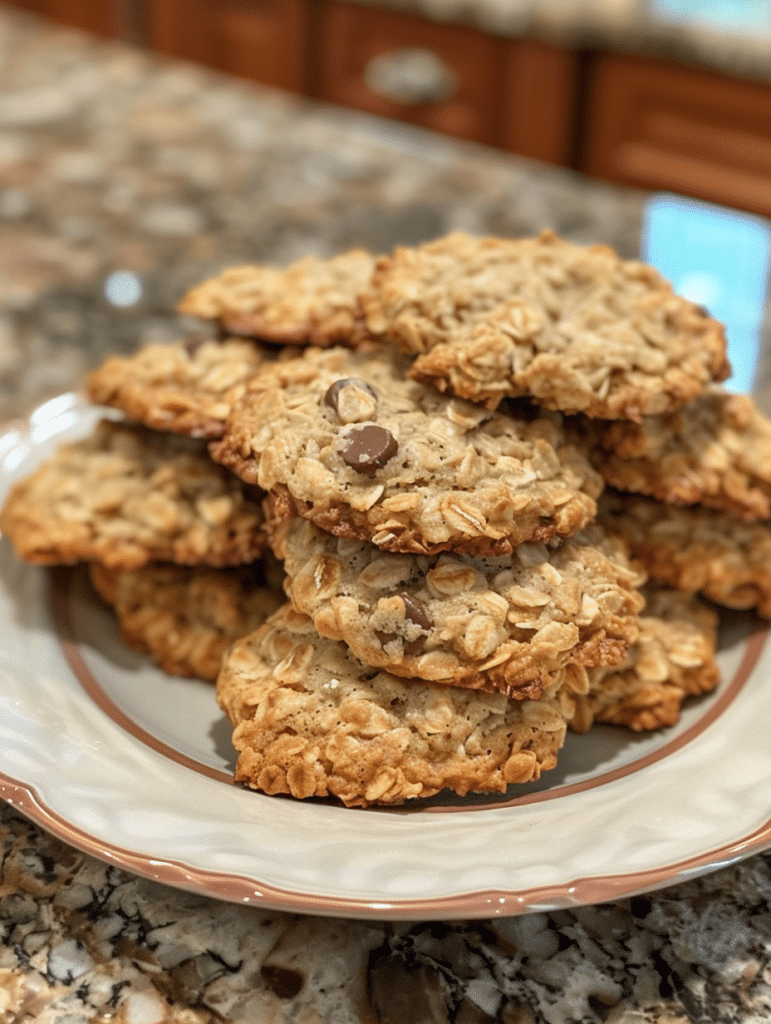
My Journey to the Perfect Oatmeal Cookie
I’m Lila Bennett, a 34-year-old home baker based in Portland, Oregon, and my kitchen is almost always filled with the smell of something sweet. I fell in love with baking as a kid, sneaking tastes of cookie dough and watching simple ingredients turn into something comforting and delicious. What started with slightly overbaked cookies turned into years of experimenting with cakes, pancakes, and all kinds of desserts—learning through trial, error, and a lot of taste-testing.
My grandmother’s oatmeal cookie recipe was the catalyst for my baking obsession. Those cookies were legendary at family gatherings, and I spent years trying to recreate them from memory after she passed away. Through countless batches, I discovered the science behind what makes oatmeal cookies truly exceptional: the ratio of butter to sugar, the type of oats used, the importance of brown sugar over white, and how timing makes the difference between a mediocre cookie and one that’s absolutely unforgettable. Now, I share this refined recipe with clients at my small Portland bakery and countless home bakers who trust my guidance.
| Metric | Details |
|---|---|
| Prep Time | 15 minutes |
| Cook Time | 12-14 minutes |
| Total Time | 27-29 minutes |
| Servings | 24 cookies |
| Difficulty | Easy |
| Cuisine | American |
Why This Recipe Works
This oatmeal cookies recipe delivers consistent results because it respects the balance between texture and flavor at every step. The combination of old-fashioned rolled oats and quick oats creates structure while maintaining that signature chewiness that people crave. I’ve tested this formula hundreds of times in my kitchen, and I found that using equal parts granulated and brown sugar, combined with melted butter, produces cookies that stay tender for days without becoming cake-like or tough.
The secret ingredient in my approach is letting the dough rest for 30 minutes before baking. This resting period allows the oats to hydrate slightly and the flavors to meld together, resulting in a deeper, more complex taste than cookies baked immediately. Additionally, slightly underbaking the cookies—removing them when the edges are set but the centers still show a hint of moisture—ensures they’ll continue cooking on the hot baking sheet while developing that perfect chewy-crispy texture.
I’ve also learned that room temperature is crucial for ingredient incorporation. When butter, eggs, and other wet ingredients are at the same temperature, they emulsify properly and create a dough that bakes evenly. This recipe has helped countless home bakers achieve bakery-quality results, and I’m confident it will transform your cookie-baking experience as well.
Ingredients
| Ingredient | Quantity | Notes & Alternatives |
|---|---|---|
| Unsalted Butter | 1 cup (226g) | Melted and cooled slightly. Use European-style butter for richer flavor. |
| Granulated Sugar | 1 cup (200g) | Provides structure and crispness. Cannot substitute with honey or agave. |
| Brown Sugar | 1 cup (220g) | Packed measurement. Creates chewiness and deep molasses flavor. |
| Large Eggs | 2 | Room temperature for proper emulsification. Do not use egg substitutes. |
| Vanilla Extract | 2 teaspoons | Pure vanilla only. Imitation works but reduces depth of flavor. |
| All-Purpose Flour | 1.5 cups (188g) | Spoon and level method. Whole wheat flour works but alters texture slightly. |
| Ground Cinnamon | 1.5 teaspoons | Freshly measured for potency. Ceylon cinnamon is sweeter than cassia. |
| Ground Nutmeg | 0.5 teaspoon | Freshly grated nutmeg preferred. Imitation nutmeg lacks complexity. |
| Sea Salt | 1 teaspoon | Enhances sweetness and spice. Table salt works but adjust to 0.75 tsp. |
| Baking Soda | 1 teaspoon | Leavening agent. Check expiration date for full potency. |
| Old-Fashioned Rolled Oats | 2 cups (160g) | Provides texture and chewiness. Steel-cut oats make cookies too dense. |
| Quick Oats | 1 cup (80g) | Finer texture contributes to binding. Can replace with additional rolled oats. |
| Raisins or Cranberries | 1 cup (150g) | Optional but traditional. Plump them in warm water for 10 minutes first. |
Step-by-Step Instructions
Preparation Phase
- Preheat your oven to 350 degrees Fahrenheit (175 degrees Celsius). Position racks in the upper and lower thirds to ensure even air circulation during baking.
- Line two large baking sheets with parchment paper or silicone baking mats. This prevents sticking and ensures uniform browning on all cookies.
- Melt one cup of unsalted butter in a small saucepan over medium heat, then allow it to cool slightly for two minutes. Cool butter incorporates better into the sugar and eggs.
- Measure all dry ingredients and set them aside in a small bowl: flour, cinnamon, nutmeg, salt, and baking soda. Whisking them together ensures even distribution throughout the dough.
Mixing Phase
- Combine one cup granulated sugar and one cup packed brown sugar in a large mixing bowl. Stir together to break up any lumps in the brown sugar before adding wet ingredients.
- Pour the slightly cooled melted butter into the sugar mixture and stir vigorously for one minute until well combined. This creates a smooth base for emulsification.
- Add two room-temperature large eggs, one at a time, mixing thoroughly after each addition. Each egg must be fully incorporated before adding the next one.
- Stir in two teaspoons of pure vanilla extract until the mixture is smooth and pale. The mixture should look creamy and slightly lighter in color than the starting ingredients.
- Add the dry ingredient mixture to the wet ingredients and fold gently with a rubber spatula or wooden spoon until just combined. Do not overmix, as this develops gluten and makes cookies tough.
Oat and Mix-in Phase
- Fold in two cups of old-fashioned rolled oats using a spatula, stirring just until they’re evenly distributed throughout the dough. The oats give the cookies their characteristic texture.
- Fold in one cup of quick oats using the same gentle motion. Quick oats help bind the dough and create a finer crumb structure.
- If using raisins or cranberries, fold one cup of them into the dough with a final few gentle strokes. Plumped dried fruit adds moisture and chewy texture.
- Let the dough rest at room temperature for 30 minutes in the mixing bowl. This resting period allows the oats to absorb moisture and deepens the flavor profile.
Baking Phase
- Scoop the dough using a 1.5-tablespoon cookie scoop, placing portions two inches apart on the prepared baking sheets. Consistent sizing ensures all cookies bake at the same rate.
- Gently flatten each dough portion with the bottom of a glass or measuring cup to create uniform thickness of about one-quarter inch. This promotes even baking.
- Bake for 12 to 14 minutes, rotating the baking sheets halfway through baking time. The cookies are done when edges are set and lightly browned but centers still appear slightly underdone.
- Remove the baking sheets from the oven and allow cookies to cool on the sheets for five minutes. They will continue cooking on the hot pan, achieving the perfect chewy center.
- Transfer cookies to a wire cooling rack and cool completely for at least 15 minutes before serving or storing. Complete cooling allows them to set up properly.
Chef Tips for Perfect Results
- Use quality oats exclusively: Bob’s Red Mill or Quaker Old Fashioned oats produce noticeably better results than generic store brands. The difference in kernel size and texture directly impacts the final cookie quality and mouthfeel.
- Brown your butter for depth: After melting, let the butter sit on low heat for two minutes until the milk solids turn golden and fragrant. This adds a subtle nutty flavor that elevates the entire batch significantly.
- Measure flour by weight when possible: A kitchen scale removes guesswork and prevents dense, compact cookies caused by overmeasuring. Use 188 grams for 1.5 cups of all-purpose flour for precision baking.
- Underbake intentionally: Remove cookies when centers jiggle slightly when the sheet is tapped gently. They firm up as they cool, and slightly underbaked cookies stay chewy for three to four days longer than fully baked ones.
- Store with bread or apple slices: Place a slice of white bread or a quarter of an apple in the sealed cookie container to maintain moisture. Replace weekly to keep cookies perpetually soft and chewy.
- Chill dough for deeper spice flavor: Refrigerating the mixed dough for two to four hours before baking allows spices to fully hydrate and develop. This step is optional but produces noticeably richer flavor.
Common Mistakes to Avoid
Mistake 1: Using cold butter straight from the refrigerator. Cold butter doesn’t incorporate smoothly into the sugar and eggs, creating dense, gritty cookies with uneven texture. Always melt and slightly cool butter before mixing, allowing proper emulsification with the sugars.
Mistake 2: Overmixing the dough after adding dry ingredients. Excessive mixing develops gluten strands that make cookies tough and cake-like rather than tender and chewy. Fold dry ingredients gently with just 8-10 strokes of a spatula until flour is no longer visible.
Mistake 3: Skipping the 30-minute dough rest period. Resting allows oats to hydrate and spices to infuse into the dough, developing complex flavor that fresh dough lacks. Baking fresh, unrested dough results in flat, one-dimensional tasting cookies that disappoint after one bite.
Mistake 4: Baking at oven temperature that’s too high. Oven temperatures above 365 degrees Fahrenheit cause cookies to spread excessively and brown too quickly before the interior sets. Always verify oven temperature with an oven thermometer, as many home ovens run hot or cool by up to 25 degrees.
Mistake 5: Removing cookies from baking sheets too early. Cookies need five full minutes on the hot sheet to set their structure properly before transferring to cooling racks. Removing them after one or two minutes causes breakage and prevents the chewy-crispy texture from developing.
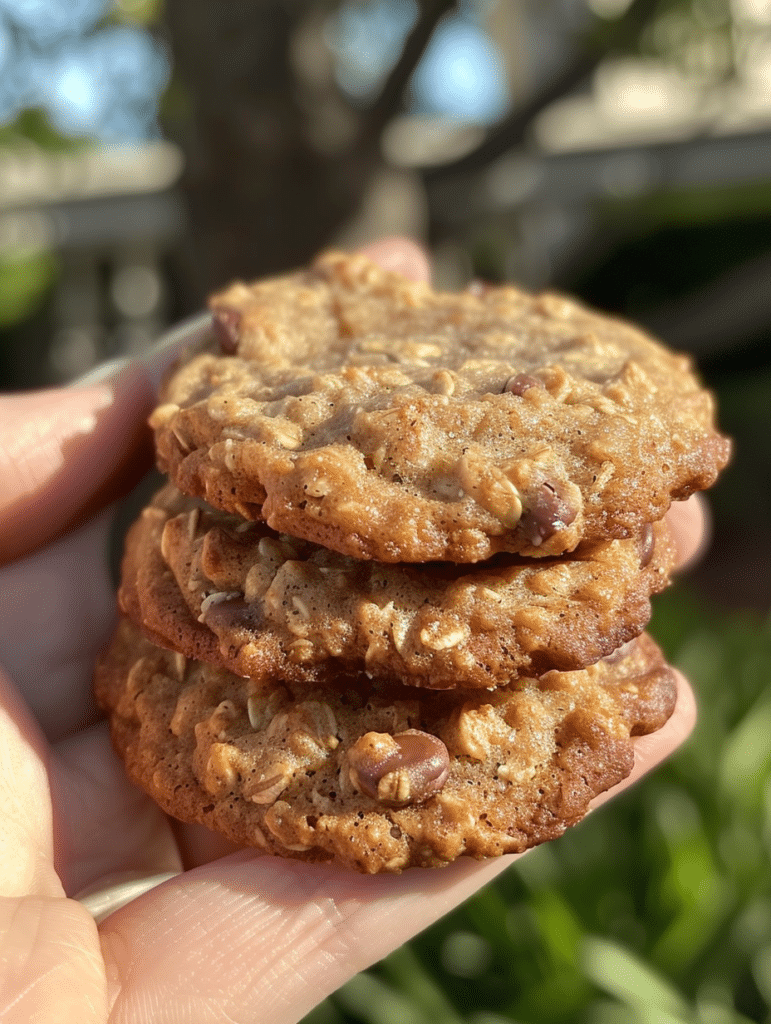
Variations and Substitutions
| Original Ingredient | Substitution | Impact on Flavor & Texture |
|---|---|---|
| Raisins | Dried cranberries, dried blueberries, or chopped dried apricots | Creates tart notes instead of sweetness. Cranberries add slight astringency; apricots add floral complexity. |
| Brown Sugar | Muscovado sugar (increase by 0.25 cup) | Produces deeper molasses flavor and slightly darker cookies. Creates extra chewiness due to higher moisture content. |
| Cinnamon & Nutmeg | Add 0.25 tsp ground cloves, ginger, or allspice | Creates warm, spiced cookie reminiscent of pumpkin bread. Cloves add peppery heat; ginger adds brightness. |
| All-Purpose Flour | Whole wheat pastry flour (use 1.5 cups, reduce brown sugar to 0.75 cup) | Adds nuttiness and slight density. Cookies become earthier with less pronounced sweetness. |
| Vanilla Extract | Almond extract (reduce to 1.5 tsp) or maple extract (reduce to 1.5 tsp) | Almond creates delicate nuttiness; maple adds subtle woodsy sweetness reminiscent of fall. |
| Mix-ins | 1 cup semi-sweet or dark chocolate chips, or 0.5 cup chopped toasted pecans plus 0.5 cup raisins | Chocolate adds richness; nuts add crunch and protein. Both enhance satisfaction and complexity. |
Serving Suggestions and Pairings
Serve warm oatmeal cookies with cold whole milk or rich vanilla ice cream for a classic combination that satisfies both children and adults. The warmth of the cookie softens the ice cream slightly while cold dairy cuts through the spices beautifully. Pack these cookies in lunchboxes with a small container of almond butter or sunflower seed butter for a protein-packed afternoon snack that keeps kids full until dinner.
Pair oatmeal cookies with hot beverages including strong black coffee, chai tea, or apple cider for cozy moments on cool mornings and evenings. The spices in the cookies complement the warmth and aromatics of tea naturally. For afternoon tea service, arrange cookies on a tiered stand alongside scones and fruit preserves, creating an accessible yet elegant spread for casual gatherings.
Present oatmeal cookies as a homemade gift in kraft paper bags tied with twine for farmers’ markets, holiday exchanges, or neighbor appreciation. Include a handwritten tag with ingredients and storage instructions, showing personal attention that store-bought alternatives cannot replicate. Layer cookies between parchment paper in decorative boxes for elevated presentation suitable for office parties or potluck contributions.
Storage and Reheating
| Storage Method | Duration | Instructions |
|---|---|---|
| Room Temperature Container | 5-7 days | Place fully cooled cookies in an airtight container with a slice of bread or apple quarter. The fruit adds moisture and keeps cookies chewy. Replace fruit weekly if storing longer. |
| Freezer Storage | 3 months | Layer cookies between parchment paper in a freezer-safe airtight container. Freeze baked cookies rather than dough for best results. Thaw at room temperature for 30 minutes before serving. |
| Refrigerator Storage | 10-14 days | Store in an airtight container on a shelf away from strong-smelling foods. The cold environment slows moisture loss, keeping cookies soft longer than room temperature storage. |
| Oven Reheating | 5 minutes | Place refrigerated or frozen cookies on a baking sheet and warm in a 300-degree Fahrenheit oven for five minutes. This revives the chewy texture without drying them out. Do not use the microwave, as it creates rubbery texture. |
Nutritional Information
| Nutrient | Amount per Cookie |
|---|---|
| Calories | 185 kcal |
| Total Fat | 8.5g |
| Saturated Fat | 5.2g |
| Trans Fat | 0g |
| Cholesterol | 21mg |
| Total Carbohydrate | 24.8g |
| Dietary Fiber | 1.6g |
| Sugars | 16.2g |
| Protein | 2.8g |
| Sodium | 198mg |
Approximate values based on USDA nutrition database. Actual values vary based on brand ingredients and preparation methods. Data reflects cookies made with raisins and does not include optional mix-ins like chocolate chips.
Frequently Asked Questions
Can I substitute quick oats for rolled oats completely?
You can use three cups of quick oats instead of the combination of rolled and quick oats, though the texture will shift slightly toward finer and more cake-like. The cookies will still taste delicious but lose some of the distinctive chewiness that rolled oats provide. For best results, maintain at least one cup of old-fashioned rolled oats in your recipe to preserve the signature texture.
How do I know when oatmeal cookies are fully baked?
Oatmeal cookies are done when the edges are set and lightly golden brown, but the very center still shows slight moisture when gently pressed with a fingertip. This underbaked appearance is intentional, as cookies continue cooking on the hot baking sheet even after removal from the oven. Waiting 12-14 minutes and removing cookies at this point ensures chewy results; leaving them longer than 15 minutes produces crumbly, over-baked cookies that crumble apart.
Can I make the dough ahead and bake later?
Yes, you can refrigerate the mixed dough in an airtight container for up to three days or freeze it for three months. Chilled dough actually improves flavor development as spices continue hydrating during storage. Thaw frozen dough overnight in the refrigerator before scooping and baking; add one to two minutes to the baking time since cold dough takes slightly longer to spread and set.
Why are my oatmeal cookies spreading too much during baking?
Excessive spreading indicates your oven temperature is too high or your dough was too warm when baked. Verify oven temperature with an oven thermometer, as many home ovens run hotter than the dial displays. Additionally, refrigerating the dough for 30-60 minutes before baking slows spreading and helps cookies hold their shape while baking on the sheet.
Are these cookies suitable for a gluten-free diet?
Traditional oatmeal cookies with wheat flour are not gluten-free, but you can easily adapt this recipe by replacing all-purpose flour with a high-quality gluten-free flour blend at a one-to-one ratio. Use a blend specifically designed for cookies rather than bread blends for the best texture and structure. Always verify that your oats are certified gluten-free, as standard oats processed in shared facilities may contain trace gluten.
What’s the best way to soften hard oatmeal cookies?
Revive hard cookies by placing them in an airtight container with a slice of bread or a quarter of an apple for 24 hours, which restores moisture through condensation. Alternatively, warm cookies in a 300-degree Fahrenheit oven for five minutes, which reactivates their chewy texture without drying them further. Never use a microwave for reheating, as microwave heat creates a rubbery, unpleasant texture rather than restoring chewiness.
Final Thoughts on Homemade Oatmeal Cookies
Oatmeal cookies represent comfort, tradition, and the simple joy of homemade baking that tastes infinitely better than store-bought versions. This recipe delivers consistent results every single time when you follow the steps precisely and respect the importance of timing and temperature. The combination of wholesome oats, warm spices, and perfectly balanced sugars creates a cookie that satisfies both nostalgia and modern palates, earning a permanent spot in your baking rotation.
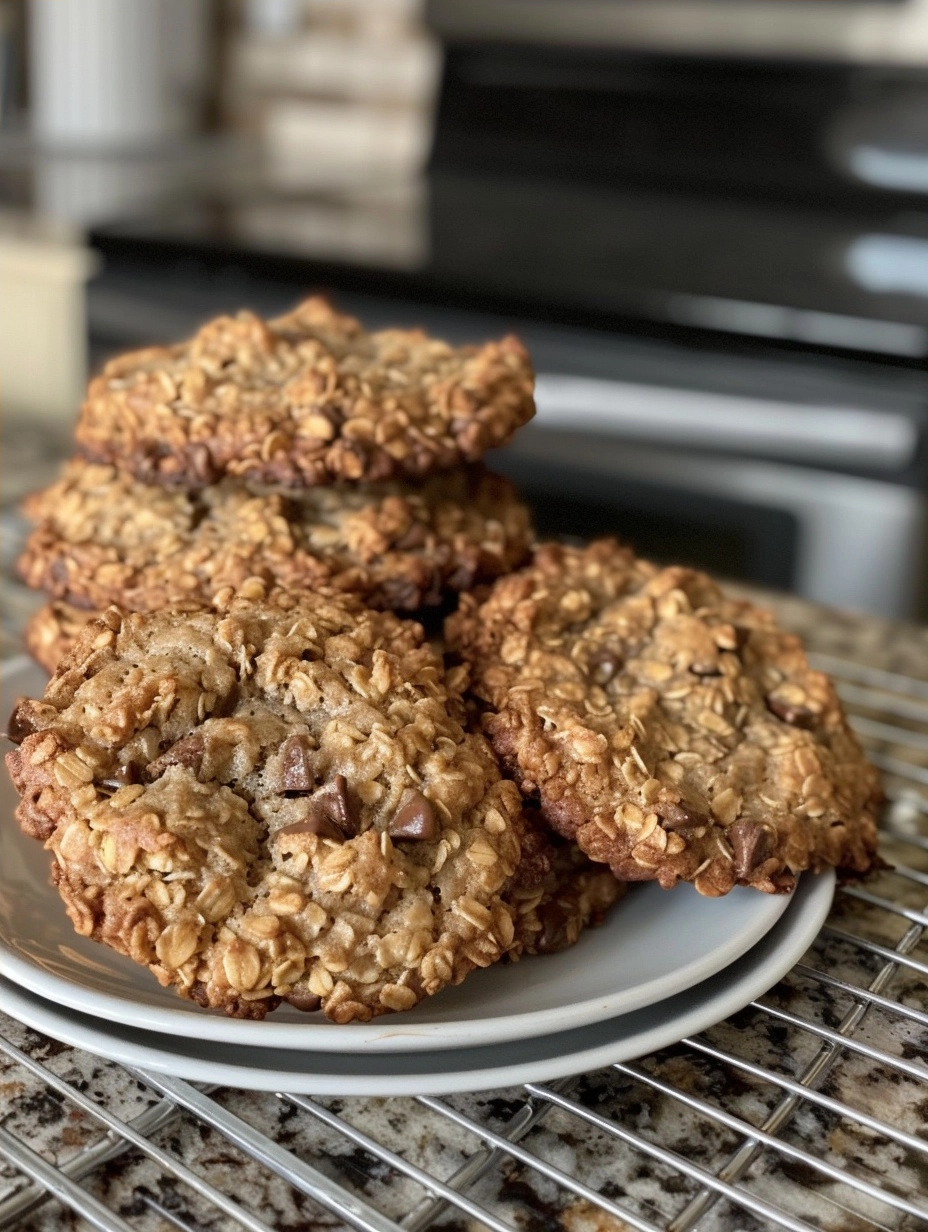
Oatmeal Cookies: Classic Recipe for Chewy Perfection
Ingredients
- 2 cups old-fashioned rolled oats
- 2 1/4 cups all-purpose flour
- 1 teaspoon baking soda
- 1/2 teaspoon salt
- 1 1/2 cups packed brown sugar
- 3/4 cup unsalted butter, softened
- 1 large egg
- 1 teaspoon vanilla extract
- 1 teaspoon ground cinnamon
- 1/2 teaspoon ground nutmeg
- 1 cup chocolate chips or raisins (optional)
Instructions
- Preheat oven to 350°F (175°C)
- In a small bowl, whisk together flour, baking soda, salt, cinnamon, and nutmeg
- In a large bowl, cream butter and brown sugar until smooth
- Add egg and vanilla extract, mixing until combined
- Stir in dry ingredients and oats until just mixed
- Fold in chocolate chips or raisins if using
- Spoon dough into 12-14 minute intervals onto ungreased baking sheets
- Bake until golden brown and crisp around edges, rotating sheets halfway through
Notes
Store in an airtight container up to 1 week
Add chopped walnuts or dried cranberries as alternatives
Cool on baking sheets 5 minutes before transferring to wire racks
