

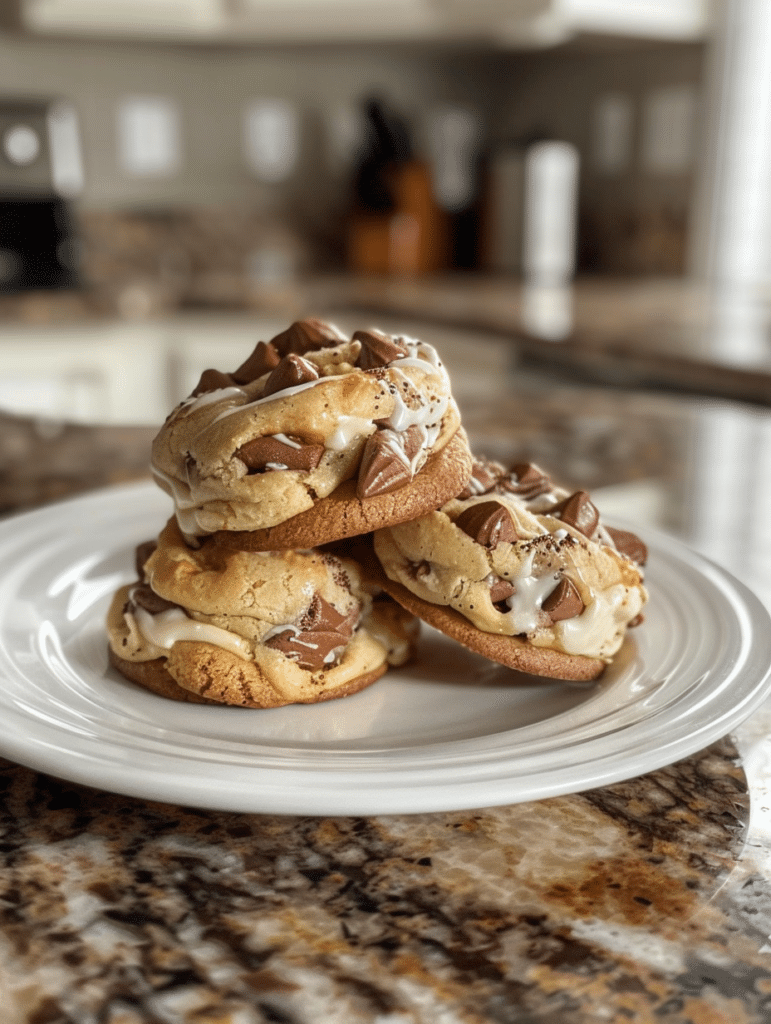
Cheesecake cookies combine the beloved flavors of creamy cheesecake with the convenience and satisfaction of a handheld cookie. These soft, buttery treats feature a tender cookie base topped or swirled with rich cream cheese filling and hints of graham cracker and lemon. Unlike traditional cheesecake, which requires hours of baking and chilling, cheesecake cookies come together in under an hour and deliver bakery-quality results in your own kitchen. The perfect balance of sweetness, tanginess, and texture makes them ideal for cookie exchanges, dessert platters, or simply treating yourself on a quiet afternoon. Whether you’re a seasoned baker or trying your hand at cookie decorating for the first time, this recipe produces consistent, impressive results.
About the Author
I’m Lila Bennett, a 34-year-old home baker based in Portland, Oregon, and my kitchen is almost always filled with the smell of something sweet. I fell in love with baking as a kid, sneaking tastes of cookie dough and watching simple ingredients turn into something comforting and delicious. What started with slightly overbaked cookies turned into years of experimenting with cakes, pancakes, and all kinds of desserts—learning through trial, error, and a lot of taste-testing.
Over the years, I’ve developed techniques for creating cookies that balance texture and flavor without requiring professional equipment. My approach focuses on using quality, accessible ingredients and understanding the science behind why each step matters. When I first created this cheesecake cookies recipe, I spent weeks perfecting the ratio of cookie dough to filling, testing temperatures, and trying different ways to keep the cheesecake layer from baking too quickly. The result is a recipe that’s foolproof enough for beginners yet satisfying enough for experienced bakers who appreciate precision and intention in their baking.
Recipe Overview
| Metric | Value |
|---|---|
| Prep Time | 20 minutes |
| Cook Time | 15 minutes |
| Total Time | 35 minutes |
| Servings | 24 cookies |
| Difficulty | Easy to Intermediate |
| Cuisine | American Dessert |
Why This Recipe Works
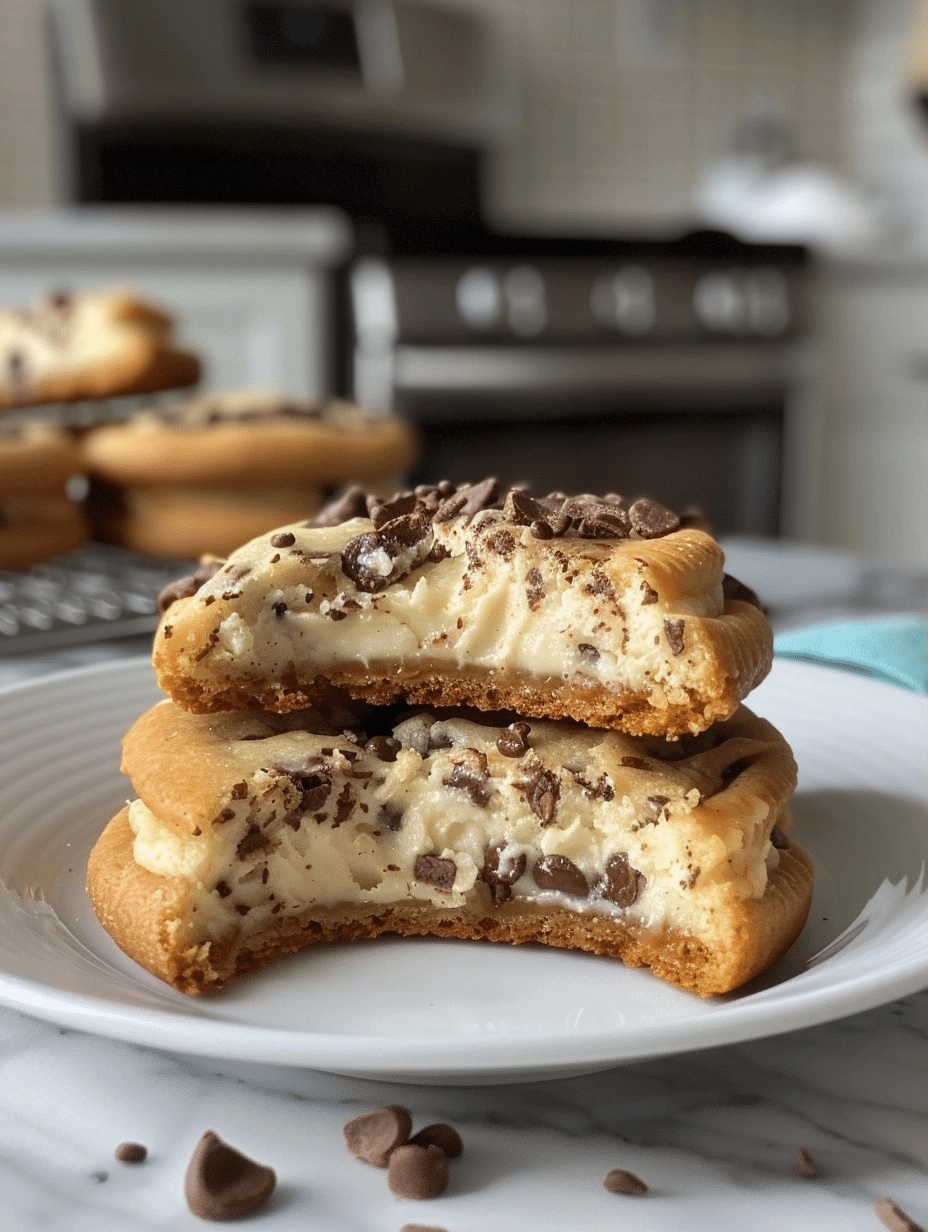
This cheesecake cookies recipe works because it respects the balance between two distinct components: a soft, flavorful cookie dough and a creamy, tangy filling that bakes just until set. I discovered through testing that slightly underbaking the cookies keeps them tender, while using softened cream cheese prevents it from becoming gritty or separating during baking. The graham cracker crumbs add texture and authentic cheesecake flavor without requiring a full crust layer that would make the cookies too thick.
The key to my success with this recipe is controlling oven temperature and baking time with precision. A 350°F oven ensures the cookie base sets completely while the filling stays creamy in the center, creating that perfect contrast. I’ve learned that using a baking sheet with even heat distribution, rather than dark nonstick sheets, produces more consistent browning and prevents the bottoms from burning.
What makes these cookies different from standard cookie recipes is the layered approach. Instead of mixing everything into one dough, you create two separate components that come together during baking. This technique lets the cheesecake filling retain its distinctive tang and richness without getting lost in the cookie dough. The result tastes genuinely homemade while looking professionally decorated.
Ingredients
| Ingredient | Quantity | Notes & Alternatives |
|---|---|---|
| Unsalted butter | 1 cup (2 sticks) | Must be softened to room temperature for proper creaming. Salted butter will overpower the delicate filling. |
| Granulated sugar | 3/4 cup | Provides structure and helps with browning. Do not substitute with honey or maple syrup. |
| Brown sugar | 3/4 cup (packed) | Adds moisture and molasses depth. Light or dark brown sugar both work equally well. |
| Large eggs | 2 whole | Room temperature eggs mix more evenly. Cold eggs create lumps that won’t fully incorporate. |
| Vanilla extract | 2 teaspoons | Use pure vanilla, not imitation, for superior flavor. Almond extract (1/2 tsp) works as a complementary alternative. |
| All-purpose flour | 2 cups | Do not pack the measuring cup; spoon and level for accuracy. Cake flour makes cookies too tender. |
| Baking soda | 1 teaspoon | Creates lift and browning. Too much causes a metallic taste and spreads cookies too thin. |
| Salt | 1/2 teaspoon | Kosher or sea salt both work. Enhances sweetness and balances the cream cheese tang. |
| Cream cheese | 8 ounces | Must be softened to room temperature for smooth mixing. Philadelphia brand produces consistent results. |
| Powdered sugar | 1/4 cup | Creates smooth, creamy filling. Granulated sugar will make filling gritty. Sift to remove lumps. |
| Graham cracker crumbs | 1/2 cup | Crush full-size graham crackers into fine crumbs. Store-bought crumbs work but lack flavor depth. |
| Lemon zest | 1/4 teaspoon | Brightens the filling without making it sour. Use a microplane zester for fine zest consistency. |
Step-by-Step Instructions
Prepare Your Mise en Place
- Remove butter and cream cheese from the refrigerator 60 minutes before starting to reach room temperature.
- Preheat oven to 350°F and line two standard baking sheets with parchment paper.
- Crush graham crackers into fine crumbs using a food processor or by placing them in a sealed bag and breaking them with a rolling pin.
- Zest one fresh lemon using a microplane zester, collecting 1/4 teaspoon finely grated zest.
Make the Cookie Dough
- Add softened butter and both sugars to a large mixing bowl.
- Cream butter and sugars together for 3 to 4 minutes using an electric mixer on medium speed until the mixture is pale, light, and fluffy.
- Add eggs one at a time, beating well after each addition to fully incorporate.
- Mix in vanilla extract and continue beating for 30 seconds until combined.
- In a separate bowl, whisk together flour, baking soda, and salt.
- Add dry ingredients to the wet mixture and beat on low speed for 1 minute until just combined, then fold in by hand to avoid overmixing.
Prepare the Cheesecake Filling
- In a clean bowl, beat softened cream cheese with an electric mixer on medium speed for 1 minute until smooth.
- Add powdered sugar and beat until no lumps remain, about 1 minute.
- Gently fold in graham cracker crumbs and lemon zest by hand using a spatula until evenly distributed.
Assemble and Bake
- Drop cookie dough onto prepared baking sheets using a 2-tablespoon cookie scoop, spacing cookies 2 inches apart.
- Using your thumb or the handle of a wooden spoon, press a shallow well into the center of each dough ball without pressing through to the baking sheet.
- Spoon approximately 1 tablespoon of cheesecake filling into each well, mounding it slightly above the cookie surface.
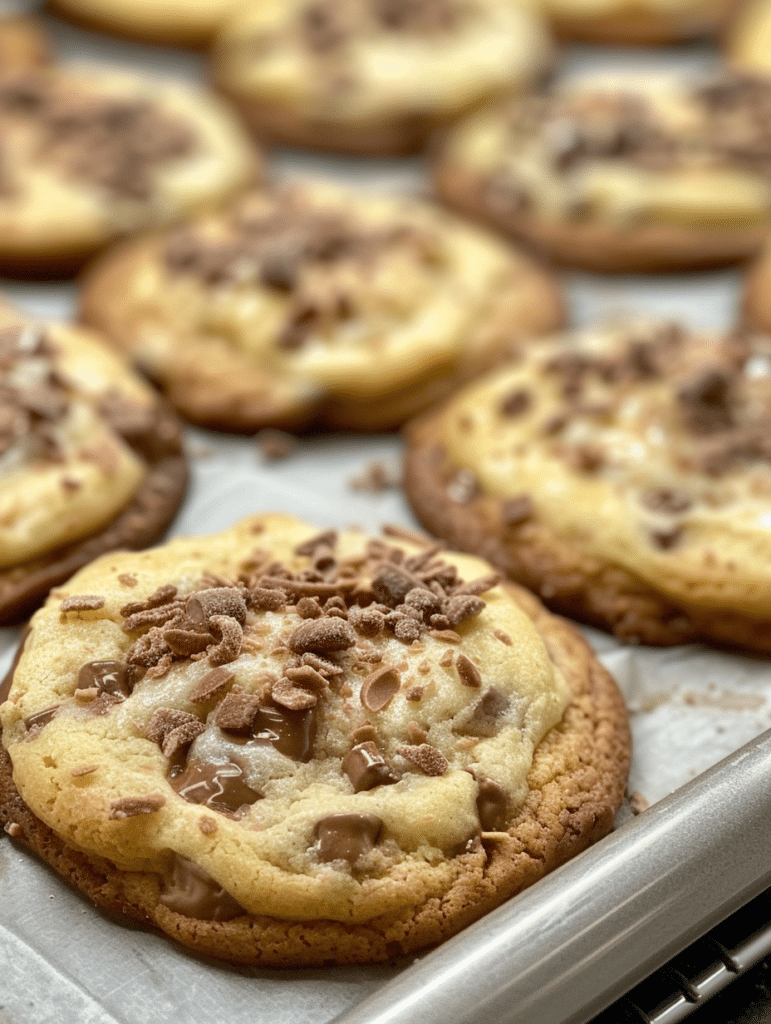
- Bake for 12 to 15 minutes until the cookie edges are golden brown and the filling appears set but still slightly soft in the very center.
- Remove baking sheets from the oven and allow cookies to cool on the baking sheet for 5 minutes to firm up.
- Transfer cookies to a wire cooling rack and cool to room temperature before serving.
Chef Tips for Perfect Results
- Room Temperature Ingredients: Soft butter and cream cheese mix smoothly and incorporate air evenly, creating a lighter crumb. Cold ingredients create lumps and dense cookies that don’t brown properly. Set ingredients on the counter exactly 60 minutes before mixing.
- Don’t Overmix the Dough: After adding flour, mix for exactly one minute on low speed, then finish by hand. Overmixing develops gluten and creates tough, dense cookies that spread unevenly during baking.
- Use a Cookie Scoop for Uniformity: A 2-tablespoon scoop ensures all cookies are the same size and bake evenly. Uneven cookies result in some being overdone while others remain underdone.
- Press Wells Carefully: The indentation should be shallow, roughly 1/4 inch deep. Deep wells cause the filling to bake too long and dry out, while shallow wells let the filling spill onto the cookie dough during baking.
- Watch the Filling Center: Remove cookies when the filling’s center still jiggles slightly when gently shaken. This indicates carryover cooking will set the filling perfectly after cooling. Overbaked filling becomes grainy and loses its creamy texture.
- Cool on the Sheet First: Letting cookies set on the baking sheet for 5 minutes prevents them from cracking or breaking when transferred to the cooling rack. This resting period allows the cookie structure to firm up enough to handle.
Common Mistakes to Avoid
Mistake 1: Using Cold Butter and Cream Cheese
Cold ingredients won’t blend smoothly and create lumpy, dense cookies with uneven crumb structure. The butter won’t trap air bubbles, resulting in flat cookies that don’t rise. To fix this, set both butter and cream cheese on the counter for exactly one hour before mixing. Test softness by pressing your finger into the surface; it should leave a slight impression but not be melting or oily.
Mistake 2: Overfilling the Wells
Too much filling causes it to overflow during baking and spread across the cookie bottom, creating a messy appearance and unpleasant burnt edges. The filling also doesn’t set properly when layered too thickly. Use exactly one tablespoon of filling per well, mounding it only slightly. The filling should fit mostly within the well boundary with just a small portion above the cookie surface.
Mistake 3: Baking at Too High a Temperature
Temperatures above 350°F cause the cookie edges to brown too quickly while the filling remains underbaked. This creates hard, overdone cookie edges with liquid filling centers. Invest in an oven thermometer and verify your oven’s actual temperature, as many home ovens run 25 degrees higher or lower than displayed. Bake precisely at 350°F for the recommended 12 to 15 minutes.
Mistake 4: Skipping the Cool-Down Period on the Sheet
Transferring cookies directly to the cooling rack causes them to crack, break, and fall apart because the structure hasn’t firmed up enough. The cheese filling is still very soft and the cookie is still flexible. Always allow cookies to rest on the baking sheet for a full 5 minutes before moving them. This waiting period prevents structural failure and keeps cookies intact.
Mistake 5: Pressing Wells Too Deep
Wells deeper than 1/4 inch expose too much bare baking sheet surface, causing the filling to bake significantly longer than intended. This results in grainy, separated filling that lacks creaminess. Create shallow indentations using your thumb, leaving at least 1/4 inch of cookie dough beneath the filling. The well should be a gentle depression, not a crater.
Variations and Substitutions
| Ingredient | Substitution | Impact on Flavor & Texture |
|---|---|---|
| Lemon zest | 1/4 tsp vanilla extract or 1/4 tsp almond extract | Creates a warmer, less tart filling. Almond adds nuttiness without citrus brightness. |
| Graham cracker crumbs | Finely crushed digestive biscuits or vanilla wafer crumbs | Changes the base flavor slightly. Digestive biscuits add a nuttier note; vanilla wafers make filling sweeter. |
| Granulated sugar | All-purpose sweetener blend (like Monk Fruit) | Reduces calories but may affect browning. Use a 1:1 ratio replacement designed for baking. |
| All-purpose flour | Gluten-free 1-to-1 baking flour | Creates slightly softer, less structured cookies. May require slightly longer baking time (1-2 minutes additional). |
| Cream cheese | Mascarpone cheese (use same quantity) | Creates a richer, less tangy filling with subtle sweetness. Less acidic but equally creamy. |
| Vanilla extract | 1 teaspoon rum extract or 1 teaspoon coconut extract | Rum extract adds warmth and depth; coconut adds tropical notes. Do not use actual rum or spirits. |
| Brown sugar | Coconut sugar | Creates slightly less tender cookies with a hint of caramel and molasses flavor. |
| Powdered sugar (in filling) | Sifted granulated sugar (in filling only) | Filling will have slightly grainier texture if not blended thoroughly. Powdered sugar is strongly recommended. |
Serving Suggestions and Pairings
Serve cheesecake cookies at room temperature with hot beverages for the perfect dessert pairing. These cookies complement strong, aromatic teas beautifully, particularly Earl Grey, chamomile, or strong black tea varieties. The slight tartness of the cream cheese filling balances the tannins in tea while the buttery cookie base provides textural contrast.
For coffee pairings, offer cheesecake cookies alongside medium to dark roast coffee or espresso-based drinks. The cookie’s sweetness contrasts perfectly with coffee’s bitterness, and the cream cheese filling provides creamy, rich notes that echo milk-based coffee drinks.
These cookies excel at casual afternoon gatherings, holiday dessert platters, or cookie exchange events where their distinctive appearance and sophisticated flavor profile make them stand out. Package them in clear cellophane bags tied with ribbon for homemade gift-giving, as their two-toned appearance is visually appealing and immediately signals handmade quality.
For brunch settings, offer cheesecake cookies alongside fresh fruit like berries, sliced strawberries, or mixed citrus. The tartness of the fruit complements the cream cheese filling’s tang, creating a cohesive flavor profile. Whipped cream or crème fraîche served on the side elevates the presentation and adds another creamy element.
Storage and Reheating
| Storage Method | Duration | Instructions |
|---|---|---|
| Room Temperature Container | 2 to 3 days | Place fully cooled cookies in an airtight container with parchment paper between layers to prevent sticking. Keep in a cool kitchen away from direct sunlight. |
| Refrigerator | 5 to 7 days | Store in an airtight container on a shelf (not the door). The cream cheese filling firms up when chilled. Serve cold or at room temperature. |
| Freezer | Up to 3 months | Freeze fully cooled cookies in a single layer on a baking sheet for 2 hours, then transfer to freezer bags or containers. Thaw at room temperature for 1 hour before serving. |
| Thawing From Frozen | 1 hour | Remove cookies from freezer and arrange on a plate at room temperature. Do not microwave, as the filling will become too soft and unevenly heated. |
| Warming Before Serving | 2 to 3 minutes | Preheat oven to 300°F. Place cookies on a baking sheet and warm for 2 to 3 minutes just until the edges become slightly soft again. Do not overheat or the filling will melt. |
Nutritional Information
| Nutrient | Amount per Serving (1 cookie) |
|---|---|
| Calories | 185 |
| Total Fat | 10 grams |
| Saturated Fat | 6 grams |
| Cholesterol | 32 milligrams |
| Sodium | 140 milligrams |
| Total Carbohydrates | 22 grams |
| Dietary Fiber | 0.5 grams |
| Total Sugars | 15 grams |
| Protein | 3 grams |
Approximate values per cookie based on 24 servings. Values may vary based on specific ingredient brands and preparation methods.
Frequently Asked Questions
Can I Make Cheesecake Cookies Without Cream Cheese?
You can substitute cream cheese with mascarpone cheese in equal quantities, which creates a richer, less tangy filling that remains creamy during baking. Whipped cream cheese, commonly found in grocery stores, works identically to regular cream cheese. However, using no cream cheese entirely changes the recipe into standard cookies and eliminates the signature cheesecake flavor that defines this dessert.
How Do I Know When Cheesecake Cookies Are Done Baking?
Cheesecake cookies are done when the cookie edges are golden brown and the filling is set but still slightly soft in the very center. Gently shake the baking sheet; the filling should not jiggle excessively but may show slight movement. Remove cookies from the oven when the filling appears mostly set with a small wobbly area in the center, as carryover cooking will set the filling completely during cooling.
Why Is My Cheesecake Filling Grainy?
Grainy filling results from using granulated sugar instead of powdered sugar, insufficiently softened cream cheese, or overmixing the filling mixture. Always use powdered sugar sifted to remove lumps, ensure cream cheese is soft enough to mix smoothly, and fold in other ingredients gently by hand. If your filling appears grainy after mixing, strain it through a fine-mesh sieve before filling the wells.
Can I Prepare the Dough Ahead of Time?
Cookie dough can be made up to 48 hours in advance and stored in an airtight container in the refrigerator. Cold dough actually bakes more evenly and prevents excessive spreading. The cheesecake filling is best made fresh within 2 hours of baking but can be prepared up to 4 hours in advance if stored in an airtight container in the refrigerator.
Should Cheesecake Cookies Be Served Warm or Cold?
Cheesecake cookies taste best served at room temperature, which allows the cookie flavor to fully develop while the cream cheese filling remains creamy but not soft. Warm cookies have slightly softer, less structured filling that may feel mushy. Refrigerated cookies have a firmer filling and denser texture, which some people prefer. Experiment with all three temperatures to discover your preference.
What’s the Best Way to Gift Homemade Cheesecake Cookies?
Package fully cooled cookies in clear cellophane bags separated by layers of parchment paper, then tie with decorative ribbon for an impressive homemade gift. Alternatively, arrange cookies in a box lined with parchment paper, creating an attractive visual presentation. Include a small card with storage instructions and enjoy-by date. These cookies stay fresh for 3 days at room temperature or up to 7 days refrigerated, making them suitable for gift-giving up to 2 days in advance.
Conclusion
Cheesecake cookies deliver the sophisticated flavor of classic dessert cheesecake in a convenient, shareable cookie format that impresses family and guests alike. This recipe balances tender cookie texture with creamy, tangy filling while remaining accessible enough for bakers of any skill level. Follow the detailed instructions, respect room-temperature requirements, and watch the baking time carefully to achieve perfect results every single time. The combination of buttery cookie base, graham cracker notes, and bright lemon undertones creates an unforgettable treat that tastes far more complicated than the straightforward process actually is. Bake a batch this week and experience the satisfaction of homemade cheesecake cookies.
Cheesecake Cookies
Ingredients
- 2 cups all-purpose flour
- 1 cup unsalted butter, softened
- 1/2 cup granulated sugar
- 1/2 cup brown sugar, packed
- 1 large egg
- 1 teaspoon baking powder
- 1/4 teaspoon salt
- 1/2 cup graham cracker crumbs
- 4 ounces cream cheese, softened
- 1/4 cup granulated sugar
- 1 teaspoon lemon zest
- 1/2 teaspoon vanilla extract
Instructions
- Preheat oven to 350°F (180°C)
- Sift flour, baking powder, and salt; set aside
- In a bowl, cream butter, granulated sugar, and brown sugar until light
- Add egg, lemon zest, and vanilla; mix until smooth
- Gradually add dry ingredients (except baking powder/salt) to wet ingredients; stir until just combined
- Fold in graham cracker crumbs
- Drop dough by rounded tablespoons onto a parchment-lined baking sheet
- In another bowl, beat cream cheese and 1/4 cup sugar until fluffy
- Spoon a small amount of filling onto each dough ball
- Bake for 12-14 minutes until edges are golden
- Let cool slightly before transferring to a wire rack
Notes
Cream cheese should be at room temperature for smooth texture
For extra richness, add a sprinkle of lemon zest to the cookie dough
Store in an airtight container for up to 3 days
Freeze baked cookies for up to 2 months
