

Lemon cookies are soft, buttery treats bursting with fresh citrus flavor and a delicate crumb that melts on your tongue. These bright yellow cookies combine real lemon juice and zest with simple pantry ingredients to create a sophisticated dessert that tastes homemade and looks stunning on any dessert table. The tender interior contrasts perfectly with slightly crispy edges, while a tangy lemon glaze adds another layer of citrus brightness. Whether you’re baking for an afternoon tea, a special occasion, or simply craving something refreshing, these lemon cookies deliver consistent, impressive results every single time.

About the Baker: My Lemon Cookie Journey
I’m Lila Bennett, a 34-year-old home baker based in Portland, Oregon, and my kitchen is almost always filled with the smell of something sweet. I fell in love with baking as a kid, sneaking tastes of cookie dough and watching simple ingredients turn into something comforting and delicious. What started with slightly overbaked cookies turned into years of experimenting with cakes, pancakes, and all kinds of desserts—learning through trial, error, and a lot of taste-testing.
My first attempt at lemon cookies was years ago on a rainy Portland afternoon. I grabbed fresh lemons from a farmer’s market haul and threw together what I thought would be a simple recipe. The result? A dense, sunken disaster that my husband ate anyway out of pure kindness. But that failure taught me something crucial: lemon desserts need precision with acid balance and moisture control. Since then, I’ve baked hundreds of batches, tweaking ratios, testing temperatures, and perfecting the glaze formula. This recipe reflects that accumulated experience and represents the lemon cookies I’d make for my own family this week.
Recipe Overview
| Metric | Details |
|---|---|
| Prep Time | 15 minutes |
| Cook Time | 12–14 minutes |
| Total Time | 29 minutes (plus glaze setting) |
| Servings | 24 cookies |
| Difficulty Level | Easy to Intermediate |
| Cuisine | American |
Why This Recipe Works
I’ve learned that successful lemon cookies rely on three core principles: proper acid balance, the right fat-to-flour ratio, and careful timing. This recipe balances fresh lemon juice and zest without overwhelming the butter or flour, creating cookies that taste intensely lemony without tasting sour or chemical. The butter-to-sugar ratio produces a cookie with a tender crumb and golden-brown edges, which you’ll notice bake faster than thicker dough.
The baking soda in this recipe reacts with the lemon acid, helping the cookies rise slightly and giving them their signature soft-but-set texture. I’ve baked these cookies in multiple kitchens and at different elevations, and they’re forgiving enough to deliver consistent results. The glaze isn’t just decoration—it amplifies the lemon flavor and adds visual appeal that makes these cookies look like they came from a professional bakery.
What makes these lemon cookies special is their versatility. You can serve them plain, glazed, or even dipped in white chocolate. They hold up well in storage, ship beautifully for gifting, and taste just as good three days after baking as they do fresh from the oven. I typically make a double batch and keep them on hand for unexpected guests or afternoon tea.
Ingredients
| Ingredient | Quantity | Notes & Alternatives |
|---|---|---|
| All-purpose flour | 2 cups | Measure by spooning into cup or use a kitchen scale for precision. Cake flour creates more tender cookies but may spread more. |
| Baking soda | 1/2 teaspoon | Essential for rise and texture. Don’t substitute with baking powder—it will change the flavor and spread. |
| Sea salt | 1/4 teaspoon | Enhances sweetness and lemon flavor. Table salt works but use 1/8 teaspoon due to finer granules. |
| Unsalted butter, softened | 3/4 cup (1.5 sticks) | Room temperature is critical for proper creaming. Cut into cubes for faster softening. Salted butter will oversalt the dough. |
| Granulated sugar | 1 cup | Standard white sugar. Coconut sugar will darken cookies slightly and add subtle vanilla notes. |
| Large egg | 1 | Room temperature. Cold eggs won’t incorporate smoothly and may create dense cookies. |
| Fresh lemon juice | 2 tablespoons | Bottled juice will work but fresh juice produces brighter flavor. Meyer lemons are sweeter if you prefer less tartness. |
| Lemon zest | 2 tablespoons | Use a microplane for fine zest. White pith under the zest is bitter—zest only the yellow portion. |
| Vanilla extract | 1/2 teaspoon | Pure vanilla only. Imitation extract will taste hollow against the lemon flavor. |
| Powdered sugar (for glaze) | 1 cup | Sift before mixing if lumpy to avoid streaky glaze. |
| Fresh lemon juice (for glaze) | 2 tablespoons | Use fresh juice for maximum tartness and shine. More juice creates thinner, runnier glaze. |
| Water (for glaze) | 1 tablespoon | Adjust amount to reach desired consistency. Start with 1 tablespoon and add more if glaze is too thick. |
Step-by-Step Instructions
Phase 1: Prepare and Preheat
- Preheat your oven to 350°F (175°C) and position one rack in the center.
- Line two large baking sheets with parchment paper or silicone baking mats.
Phase 2: Mix Dry Ingredients
- Whisk together flour, baking soda, and salt in a medium mixing bowl until fully combined.
- Set the dry mixture aside—do not overmix at this stage.
Phase 3: Cream Butter and Sugar
- Add softened butter and granulated sugar to a large mixing bowl.
- Beat on medium-high speed for 3 minutes until light, fluffy, and pale yellow in color.
- Scrape down the bowl sides with a spatula to ensure even mixing.
Phase 4: Add Wet Ingredients
- Add the egg, lemon juice, lemon zest, and vanilla extract to the butter mixture.
- Beat on medium speed for 1 to 2 minutes until smooth and well combined.
- Scrape the bowl again and beat briefly to incorporate any streaks.
Phase 5: Combine Wet and Dry
- Reduce mixer speed to low and add the dry ingredients in two additions.
- Mix until just combined—do not overmix or the cookies will be tough.
- Stop mixing as soon as you see no white flour streaks.
Phase 6: Portion and Bake
- Drop rounded tablespoons of dough onto prepared baking sheets, spacing them 2 inches apart.
- Bake for 12 to 14 minutes, until the edges are light golden brown and the centers appear just set.
- The cookies will continue to cook slightly after removal from the oven.
Phase 7: Cool and Glaze
- Cool cookies on the baking sheet for 5 minutes, then transfer to a wire cooling rack.
- Allow cookies to cool completely, about 20 minutes, before glazing.
- Whisk together powdered sugar, lemon juice, and water in a small bowl.
- Drizzle or brush glaze evenly over cooled cookies.
- Let the glaze set for 15 minutes at room temperature before serving or storing.
Chef Tips for Perfect Results
- Use a kitchen scale for flour measurement. Measuring by volume can add 10 to 15 percent extra flour, resulting in dry cookies. Weigh 2 cups at 240 grams for accuracy.
- Zest your lemons before juicing. Once cut, lemon flesh browns and oxidizes, making zesting harder. Microplane the skin when the lemon is whole and firm.
- Don’t skip the resting period. Chilled dough (15 to 30 minutes in the refrigerator) spreads less and bakes more evenly. This step prevents thin, crispy edges.
- Check cookies at 12 minutes. Every oven runs hot or cool—remove cookies when the edges are golden but the centers still look slightly underbaked. They’ll firm up as they cool.
- Thin the glaze if needed. If your glaze sets too thick, add water one teaspoon at a time. Thin glaze flows smoothly; thick glaze becomes gloppy and unappealing.
- Store in an airtight container with parchment between layers. Cookies stored directly touching each other will stick together or crack. Parchment prevents breakage and keeps cookies fresh for up to 5 days.
Common Mistakes to Avoid
Mistake 1: Using Too Much Lemon Juice
Adding more lemon juice than the recipe calls for will cause the dough to become too wet and the cookies to spread excessively. Excess acid also reacts too aggressively with the baking soda, causing the cookies to brown too quickly on the outside while staying raw inside. Measure lemon juice in a tablespoon and use fresh juice for accurate flavor—not bottled concentrate, which is much stronger.
Mistake 2: Not Creaming Butter Long Enough
Rushing through the creaming phase produces dense cookies with a gritty texture. Proper creaming (3 to 5 minutes) incorporates air into the butter, which helps cookies rise and creates that desirable fluffy crumb. The mixture should look light yellow and nearly double in volume. Undercreamed butter produces cookies that don’t spread evenly and stay thick in the middle.
Mistake 3: Overmixing After Adding Flour
Mixing the flour too much activates gluten, toughening the cookie dough. Mix on low speed just until white streaks disappear—about 30 seconds. Stop mixing immediately after you see no flour bits, even if the dough looks slightly uneven. Overmixed cookies taste heavy and have a cake-like, crumbly texture instead of that tender, melt-on-your-tongue quality.
Mistake 4: Using Cold Eggs Straight from the Refrigerator
Cold eggs won’t blend smoothly into the creamed butter mixture, creating small lumps that result in uneven cookies. Pull eggs out 15 minutes before baking, or place them in warm water for 5 minutes. Room-temperature eggs incorporate evenly and help produce a cohesive, smooth dough.
Mistake 5: Baking Too Long
Overbaking is the leading cause of hard, crumbly lemon cookies. These cookies continue to cook on the hot baking sheet after removal from the oven—remove them when the centers still look slightly soft. As they cool, the centers will set to tender perfection. Cookies that look fully baked in the oven will be hard and unpleasant when cool.

Variations and Substitutions
| Ingredient | Substitution | Impact on Flavor & Texture |
|---|---|---|
| All-purpose flour | Cake flour (1.75 cups) | Creates more tender, delicate cookies. Reduces spreading slightly. Texture becomes softer and more crumbly. |
| Granulated sugar | Light brown sugar (1 cup packed) | Adds subtle molasses sweetness and moisture. Cookies spread more and become chewier. Flavor becomes less bright. |
| Fresh lemon juice & zest | Lime juice & zest (equal amounts) | Creates bright lime cookies with slightly sharper tartness. Color becomes pale green. Flavor profile is tropical and unique. |
| Vanilla extract | Almond extract (1/4 teaspoon) | Adds subtle almond undertone without overpowering lemon. Use sparingly as almond extract is potent. |
| Unsalted butter | Coconut oil (3/4 cup) | Creates flakier, more delicate cookies. Coconut flavor complements lemon. Dough spreads slightly more. Use refined coconut oil to avoid coconut taste. |
| Powdered sugar glaze | Cream cheese glaze (4 oz cream cheese, 1/4 cup butter, 1 cup powdered sugar) | Creates richer, tangier glaze. Adds savory edge that cuts through sweetness. Requires refrigeration for stability. |
| Plain cookies | White chocolate chips (1 cup mixed into dough) | Adds sweetness and creaminess. White chocolate pairs beautifully with lemon. Cookies become richer and less delicate. |
Serving Suggestions and Pairings
Lemon cookies are incredibly versatile desserts that adapt to any occasion. For afternoon tea, arrange them on a tiered cake stand alongside Earl Grey tea or chamomile—the tartness of the lemon cuts through the floral notes beautifully. I love serving these with white wine at spring dinner parties, or with sparkling apple cider during holiday gatherings.
For breakfast or brunch, pair lemon cookies with fresh Greek yogurt parfaits layered with granola and berries. The lemony notes complement the tartness of yogurt perfectly. Pack these cookies in a box with kraft paper for teacher appreciation gifts, hostess gifts, or care packages—the bright yellow glaze makes them look special without requiring box decoration.
Lemon cookies work wonderfully alongside berry desserts. Serve them alongside lemon bars, strawberry tarts, or fresh fruit platters at summer picnics. The citrus flavor bridges sweet and bright tastes. For elegant gatherings, dip half of each cooled, glazed cookie into melted white chocolate for an upscale presentation that takes just five minutes.
Storage and Reheating
| Storage Method | Duration | Instructions |
|---|---|---|
| Room temperature in airtight container | 5 days | Layer cookies between parchment paper to prevent sticking. Store in an airtight container away from humidity. Cookies stay fresh, tender, and flavorful for 5 days. |
| Refrigerated in airtight container | 7 days | Store in an airtight container on a shelf (not door). Cold extends shelf life but may slightly dry cookies. Bring to room temperature 15 minutes before serving for best texture. |
| Frozen in freezer bag | 3 months | Layer cookies between parchment in a freezer-safe container or bag. Label with date. Thaw at room temperature for 20 minutes before serving. Glaze remains intact after freezing. |
| Unfrozen dough in refrigerator | 3 days | Store dough in an airtight container or wrapped tightly with plastic wrap. Bake from chilled—add 1 to 2 minutes to baking time. Chilled dough produces thicker, less-spread cookies. |
| Cookie dough in freezer (portioned) | 3 months | Scoop dough onto a baking sheet and freeze 2 hours, then transfer frozen balls to a freezer bag. Bake straight from frozen, adding 2 to 3 minutes to baking time. |
| Reheating baked cookies | N/A | Place cookies in a 275°F oven for 5 minutes to restore softness. Warm cookies regain their tender crumb. Do not microwave as this makes them tough and rubbery. |
Nutritional Information
| Nutrient | Amount Per Serving |
|---|---|
| Calories | 145 |
| Total Fat | 7 grams |
| Saturated Fat | 4.2 grams |
| Trans Fat | 0 grams |
| Cholesterol | 28 milligrams |
| Sodium | 95 milligrams |
| Total Carbohydrates | 20 grams |
| Dietary Fiber | 0.2 grams |
| Total Sugars | 14 grams |
| Protein | 1.5 grams |
| Calcium | 12 milligrams |
| Iron | 0.8 milligrams |
Approximate values based on 24 cookies per batch. Nutritional data does not include optional glaze variations or white chocolate dips.
Frequently Asked Questions
Can I make lemon cookies without fresh lemon juice?
Fresh lemon juice produces the brightest, most authentic lemon flavor, but bottled pure lemon juice works as a substitute in equal amounts. Lemon extract is too concentrated and produces an artificial taste—avoid it entirely. If you must use bottled juice, use the full 2 tablespoons called for and taste the dough after mixing to ensure the flavor matches your preference. Fresh juice is worth seeking out at any grocery store for the superior taste difference.
How do I know when lemon cookies are done baking?
Lemon cookies are done when the edges are light golden brown and the centers appear just set—they should still look slightly soft in the very middle. The cookies will continue to bake as they cool on the sheet, so remove them slightly underbaked rather than overbaked. If the tops feel firm when you gently tap the center, they’re ready to cool.
Why did my lemon cookies spread too much and become thin?
Excessive spreading happens when dough is too warm, when too much liquid was added, or when flour measurement was too low. Chill the dough for 15 to 30 minutes before baking, use a kitchen scale to measure flour precisely, and avoid adding extra lemon juice beyond what the recipe specifies. Verify your oven temperature with an oven thermometer, as inaccurate heat causes cookies to spread faster than intended.
Can I make lemon cookie dough ahead of time?
Yes, refrigerated lemon cookie dough stays fresh for up to 3 days in an airtight container. You can also scoop dough onto a baking sheet, freeze it for 2 hours until solid, then transfer the frozen balls to a freezer bag and bake straight from frozen, adding 2 to 3 minutes to the baking time. Make-ahead dough produces thicker, less-spread cookies with more pronounced flavor.
What’s the best way to serve lemon cookies at a party?
Arrange glazed lemon cookies on a white ceramic platter or tiered cake stand for elegant presentation. Pair them with tea, sparkling cider, or lemonade to echo the lemon flavor. For outdoor gatherings, dust cookies lightly with edible glitter or crystallized lemon peel for extra visual impact. Individual parchment-wrapped cookies make beautiful take-home treats for guests.
How should I store homemade lemon cookies to keep them fresh?
Store cooled, glazed lemon cookies in an airtight container with parchment paper between layers to prevent sticking. Kept at room temperature away from humidity, they stay fresh and tender for 5 days. You can also freeze unbaked dough for 3 months or baked cookies for up to 3 months—both thaw at room temperature without losing quality or glaze integrity.
Conclusion
These lemon cookies capture everything I love about homemade desserts: simple ingredients, bold flavor, and reliable results. Whether you’re a seasoned baker or trying cookie recipes for the first time, this recipe guides you through each phase with clear instructions and helpful tips. The bright, zesty flavor stays with you long after that final bite. Bake these lemon cookies this week and taste why they’ve become a year-round favorite in my Portland kitchen.
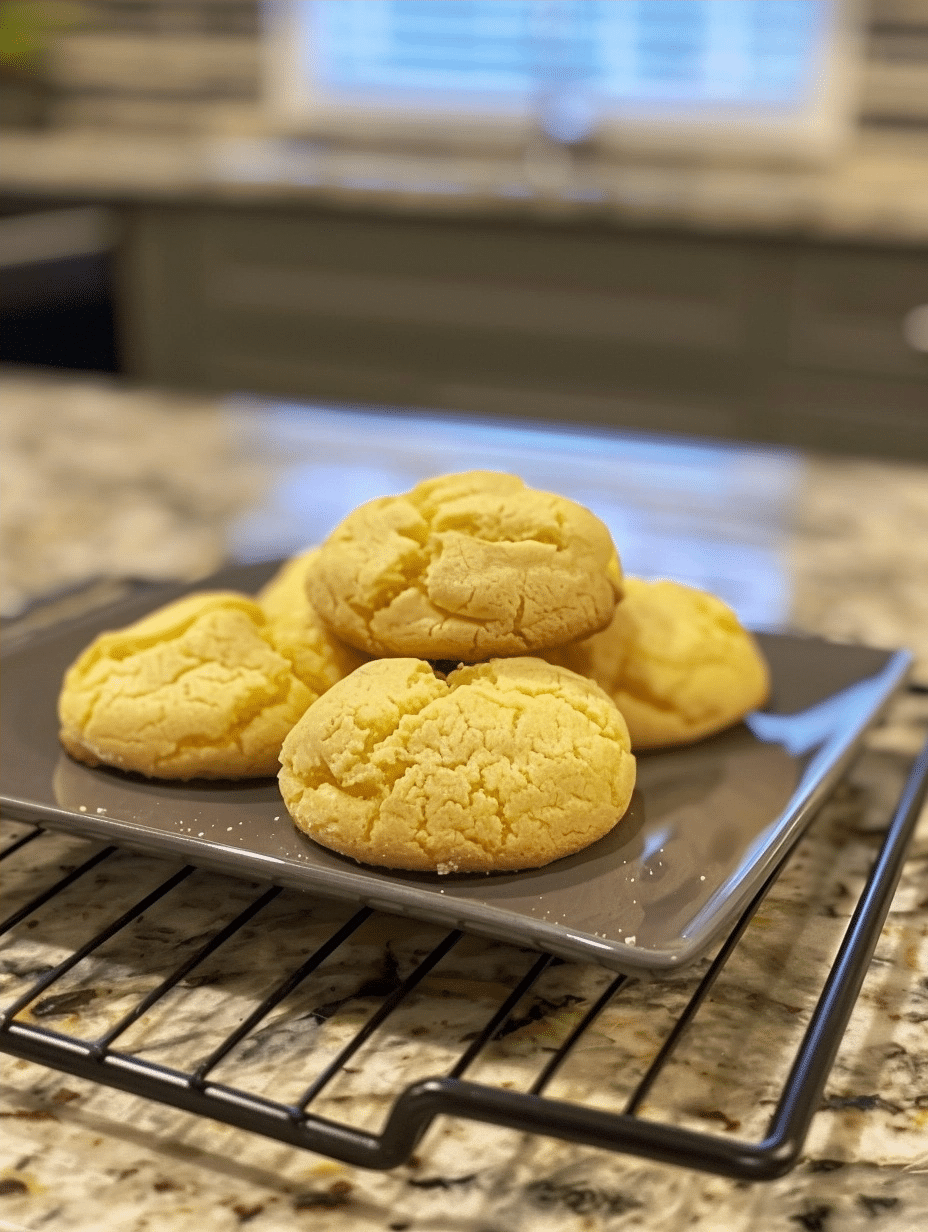
Lemon Cookies Recipe: Bright, Zesty Homemade Treats
Ingredients
- 2 cups all-purpose flour
- 1 cup unsalted butter, softened
- 1 cup granulated sugar
- 2 large eggs
- 3 tablespoons fresh lemon juice
- 2 tablespoons finely grated lemon zest
- 3/4 teaspoon baking soda
- 1/2 teaspoon salt
Instructions
- Preheat oven to 350°F (175°C)
- In a bowl, cream butter and sugar until light and fluffy
- Add eggs one at a time, mixing well after each
- Fold in lemon juice, zest, salt, and baking soda
- Gradually add flour, mixing until dough forms
- Chill dough 15 minutes
- Scoop 1 oz dough balls, space 2 inches apart on baking sheets
- Bake 12-14 minutes until golden around edges
- Let cool completely before glazing
Notes
Cool cookies fully before adding glaze
Store in airtight container at room temperature up to 3 days
If glaze is too thick, add 1 tsp water at a time
For paleo/low-sugar option, substitute sugar with 1 cup powdered erythritol
