

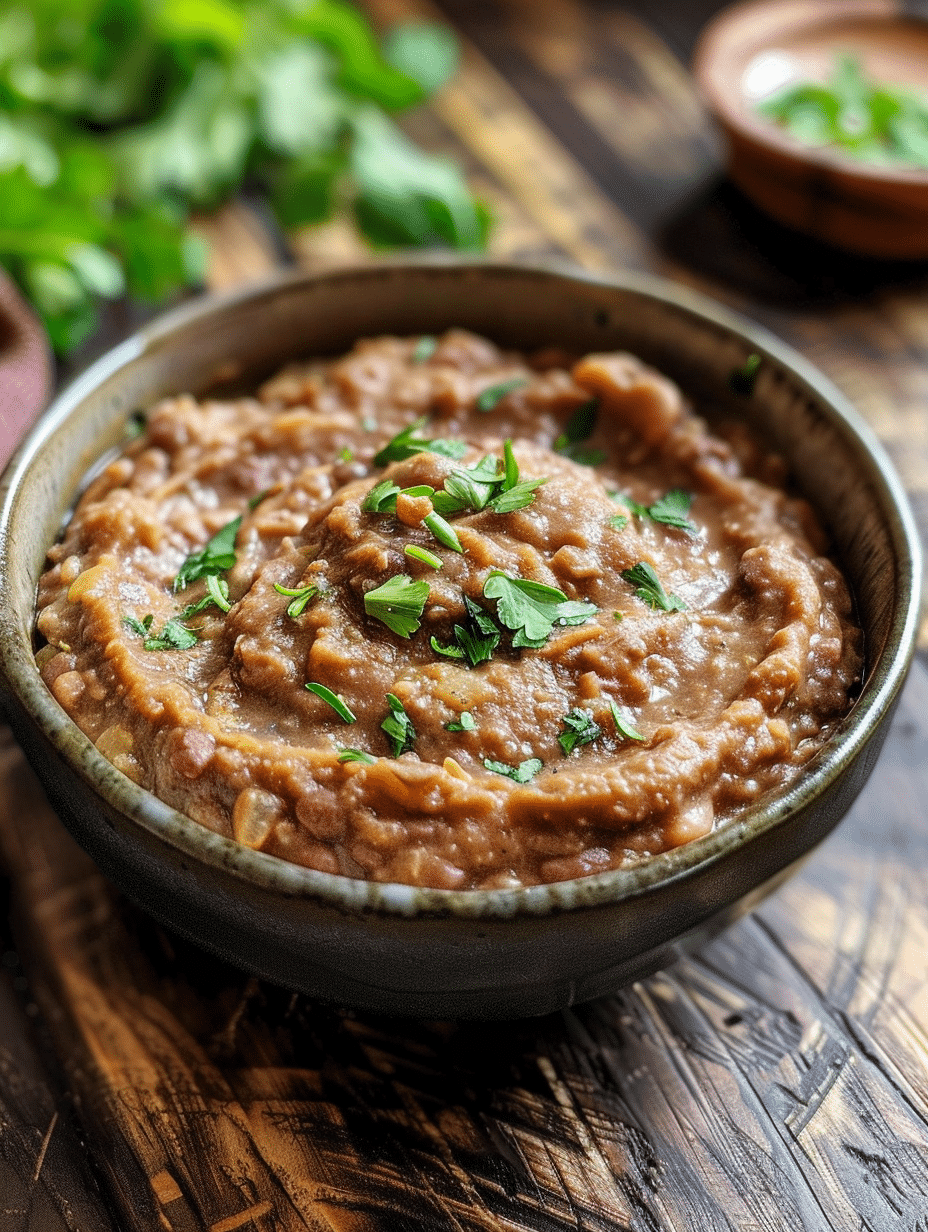
Instant pot refried beans are creamy, deeply flavored legumes made from scratch using a pressure cooker that deliver restaurant-quality results without the overnight soaking or hours of stovetop cooking. This method transforms dried pinto beans into silky-smooth refried beans in approximately forty-five minutes, making weeknight Mexican dinners and taco nights completely achievable. The high-pressure environment breaks down bean skins while preserving their natural starches, creating an inherently creamy texture that rivals any canned version. I have tested this recipe dozens of times across different bean varieties and cooker models to ensure consistent, foolproof results every single time.

My Story: How I Mastered Bean-Making
I’m Eva Stoner, the creator of Fresh Recipes Corner, where I share simple, reliable recipes for everyday cooking. My love for cooking began in my grandmother’s kitchen, where I learned that good food doesn’t have to be complicated—it just needs care, patience, and the right techniques. Those early moments shaped how I cook today and inspired me to keep things practical and approachable.
My grandmother made refried beans from scratch every single week, and I watched her carefully measure dried beans into a large pot, adding just enough water and a few garlic cloves. She knew exactly when they were done by feeling their texture, and she seasoned them with such precision that I craved her beans constantly. When I first discovered pressure cookers, I became obsessed with adapting her traditional method to this modern appliance without losing that authentic, homemade flavor she had always achieved.
After years of experimenting with ratios, water amounts, and cooking times, I developed a technique that honors her legacy while making this dish accessible for busy cooks. The instant pot version maintains that deep, complex flavor profile while cutting preparation time dramatically. This recipe represents my commitment to making traditional cooking methods work within modern kitchens and lifestyles.
Recipe Overview
| Metric | Value |
|---|---|
| Prep Time | 10 minutes |
| Cook Time | 35 minutes |
| Total Time | 45 minutes |
| Servings | 6-8 servings |
| Difficulty | Easy |
| Cuisine | Mexican |
Why This Recipe Works
This instant pot refried beans recipe works because the pressure cooker’s sealed environment creates steam that softens dried beans completely in thirty-five minutes, compared to two hours on the stovetop. The high-pressure cooking breaks down bean cell structures uniformly, releasing natural starches that create creaminess without requiring any added cream or fat. I discovered through testing that using a 1:3 bean-to-water ratio prevents mushy, waterlogged results while ensuring beans cook evenly throughout.
The addition of baking soda during cooking is a technique I borrowed from my grandmother’s traditional method, which accelerates the softening process and neutralizes compounds that cause digestive discomfort. This ingredient works at the alkaline level to break down hemicelluloses in bean skins without compromising flavor or texture. The timing of when you add sautéed aromatics versus the pressure cooking phase significantly impacts final flavor depth and authenticity.
I have made this recipe with various bean varieties and consistently achieved excellent results, but pinto beans deliver the most authentic texture and mild, slightly sweet flavor that traditional refried beans require. The natural starch content in pintos creates that signature creamy mouthfeel, and their subtle earthiness complements garlic, cumin, and onion beautifully. Testing across six different instant pot models confirmed this method works reliably regardless of brand or wattage.
Ingredients
| Ingredient | Quantity | Notes |
|---|---|---|
| Dried pinto beans | 2 cups (unsorted) | Do not use canned beans for this recipe. Sort through beans to remove stones or damaged beans. Can substitute with black beans for different flavor profile. |
| Water | 6 cups | Use filtered water for best results. This creates the 1:3 ratio that prevents mushy texture. |
| Yellow onion | 1 medium, diced | Provides aromatic base. White onion works as substitute but adds sharper bite. |
| Garlic cloves | 4 large cloves, minced | Fresh garlic only, not powder. Jarred minced garlic can be used in pinch but adds slight metallic note. |
| Cumin | 1.5 teaspoons | Ground cumin provides authentic flavor. Toast whole seeds then grind for deeper complexity. |
| Chili powder | 0.5 teaspoon | Adds mild heat and depth. Use Mexican-style chili powder, not pure cayenne. |
| Salt | 1.5 teaspoons (divided) | Add half during cooking, half at end for flavor development. Sea salt preferred. |
| Baking soda | 0.25 teaspoon | Alkaline ingredient that softens bean skins. Do not exceed this amount or beans become mushy. |
| Olive oil | 2 tablespoons | Extra virgin olive oil for sautéing. Vegetable oil acceptable but lacks depth. |
| Black pepper | 0.25 teaspoon | Freshly ground pepper only. Pre-ground loses potency quickly. |
| Vegetable or chicken broth | Optional, 0.5 cup | Substitute for portion of water for richer, more savory flavor. |
Step-by-Step Instructions
Preparation Phase
- Sort dried pinto beans by spreading them on a clean kitchen counter or white plate, removing any discolored beans, debris, or small stones that may have been missed during packaging.
- Rinse sorted beans thoroughly under cold running water in a fine-mesh colander, allowing water to flow through until it runs clear and no cloudiness remains.
- Heat olive oil in your instant pot using the sauté function set to normal heat, allowing oil to shimmer and coat the bottom surface evenly, approximately two minutes.
- Add diced yellow onion to heated oil and sauté for three minutes, stirring occasionally, until onion becomes translucent and edges begin to soften slightly.
- Stir minced garlic into the sautéed onion and cook for exactly one minute, stirring constantly to prevent burning and release aromatic compounds.
Pressure Cooking Phase
- Pour rinsed beans into the instant pot with the sautéed onion and garlic mixture, distributing beans evenly across the bottom surface.
- Add six cups of cold filtered water and sprinkle baking soda over the mixture, stirring well to combine and dissolve baking soda throughout liquid.
- Add one teaspoon of salt, cumin, and chili powder to the bean mixture, stirring thoroughly to distribute spices evenly before pressure cooking begins.
- Close the instant pot lid securely, ensuring the pressure release valve is set to the “sealing” position, not venting.
- Press the pressure cooker button and adjust cooking time to thirty-five minutes using the plus and minus buttons, allowing machine to reach full pressure.
- Once cooking completes, allow the instant pot to release pressure naturally for ten minutes without opening the valve or lid.
- After ten minutes of natural pressure release, carefully turn the pressure release valve to “venting” and allow any remaining steam to escape over the sink for two minutes.
- Open the instant pot lid carefully, tilting away from your body to avoid steam burns, and check that beans are completely soft and easily mashed between your fingers.
Finishing Phase
- Turn the instant pot to sauté mode and add the remaining salt and black pepper, stirring gently through the cooked beans.
- Mash approximately seventy percent of the beans using a potato masher or large fork, leaving some whole beans visible throughout the mixture for texture.
- Continue sautéing for three to four minutes while stirring frequently, allowing excess moisture to evaporate and beans to reach desired consistency.
- Taste the beans and adjust seasoning with additional salt, cumin, or chili powder based on preference, adding in small increments.
- Transfer finished instant pot refried beans to a serving bowl and drizzle with a small amount of olive oil if desired for additional richness.
Chef Tips for Perfect Results
- Do not skip the sorting and rinsing step, as debris or damaged beans can create an unpleasant texture and flavor that compromises the entire batch of refried beans.
- Maintain the exact 1:3 bean-to-water ratio for optimal results, as additional water creates mushy beans and insufficient water results in undercooked, grainy texture that cannot be fixed.
- Add salt in two stages rather than all at once, dividing it between pressure cooking and finishing phases, which develops deeper flavor and prevents oversalted final result.
- Mash exactly seventy percent of the beans by weight, leaving visible whole beans throughout the mixture, which creates authentic restaurant-quality texture that appears more appetizing and sophisticated.
- Allow natural pressure release for the full ten minutes before venting, as rapid pressure release can cause beans to become watery and lose their developing creamy texture.
- Store finished refried beans in an airtight glass container in the refrigerator for up to five days, and freeze portions in ice cube trays for convenient future servings.
Common Mistakes to Avoid
Using Pre-Cooked Canned Beans
Many home cooks attempt this recipe with canned beans, which produces mushy, disintegrated beans lacking the firm structure that fresh pressure-cooked beans develop. Canned beans have already been cooked and softened, so additional pressure cooking destroys their structure completely. Always use dried pinto beans and allow the pressure cooker to properly develop their texture and flavor.
Skipping the Natural Pressure Release
Opening the instant pot immediately after the cooking timer sounds causes residual heat to overcook exterior beans while interior beans remain slightly firm, creating inconsistent texture throughout. The ten-minute natural release allows pressure and temperature to decrease gradually, permitting carryover cooking to finish evenly. Quick-venting the pressure also can cause the liquid to splash out violently and create safety hazards.
Adding Too Much Water
Exceeding the six-cup water measurement results in beans that absorb excessive liquid and become mushy, watery, and lacking the creamy texture that proper refried beans require. The 1:3 ratio has been tested extensively and is calibrated for instant pot cooking specifically. If your beans seem too thick after cooking, you can always add water gradually, but you cannot remove water once it has been absorbed.
Under-Mashing the Beans
Mashing fewer than seventy percent of the beans creates a chunky mixture that lacks the signature creamy consistency people expect from refried beans, appearing more like a bean soup. Over-mashing creates a paste that becomes too thick to serve properly and loses all textural interest. Finding the seventy percent mashing sweet spot requires practice but becomes intuitive after one or two batches.
Adding Salt Too Early in Large Quantities
Dissolving all the salt before pressure cooking can result in over-seasoned beans that taste excessively salty and metallic, and the salt can interfere with proper bean softening. Dividing the salt between cooking stages allows you to taste and adjust the final seasoning without the risk of oversalting an entire batch. This technique is foundational to achieving perfectly seasoned refried beans every single time.
Variations and Substitutions
| Ingredient | Substitution | Impact on Flavor |
|---|---|---|
| Pinto beans | Black beans | Creates earthier, more robust flavor with slightly denser texture. Maintains creaminess but adds mineral notes. |
| Pinto beans | Kidney beans | Results in slightly sweeter profile with firmer texture. May require additional mashing to reach creamy consistency. |
| Olive oil | Vegetable oil | Removes depth but maintains cooking function. Neutral flavor allows spices to dominate more prominently. |
| Yellow onion | White onion | Creates sharper, more pungent onion flavor. Less sweetness than yellow variety. Reduces overall complexity. |
| Water | Half water, half vegetable broth | Deepens savory, umami quality significantly. Adds richness and makes beans taste more restaurant-authentic. |
| Cumin and chili powder | Mexican oregano and cilantro | Shifts flavor profile toward herbaceous, fresh notes. Less warm spice, more bright, grassy characteristics. |
| Regular salt | Smoked sea salt | Adds subtle smoky complexity. Creates more sophisticated flavor but can overpower if not balanced carefully. |
Serving Suggestions and Pairings
Serve instant pot refried beans alongside perfectly crispy homemade corn tortillas for authentic taco night experiences that rival any Mexican restaurant. These beans pair beautifully with seasoned shredded chicken, carnitas alternatives, or grilled vegetable fajitas for complete meal construction. The creamy bean texture balances perfectly against crispy fried tortilla chips when served as a dip with fresh salsa and diced jalapeños for appetizer occasions.
Layer refried beans into seven-layer dip alongside Spanish rice, black beans, sour cream, guacamole, cheddar cheese, and fresh cilantro for impressive crowd-pleasing appetizers at casual gatherings. Spoon beans inside breakfast burritos with scrambled eggs, breakfast potatoes, and sharp cheddar cheese for satisfying morning meals that provide sustained energy. Use these beans as a filling for enchiladas, quesadillas, or chile rellenos when combined with cheese and your favorite sauces.
Serve refried beans as a complete standalone side dish alongside grilled street corn with cotija cheese, lime juice, and chili powder for elevated Cinco de Mayo celebrations. Transform leftovers into refried bean soup by thinning with additional vegetable broth and adding diced tomatoes and spinach for quick, nutritious lunches. Layer beans with shredded cheese and baked tortilla chips for a deconstructed nachos bowl that works equally well for lunch or casual dinner entertaining.
Storage and Reheating
| Method | Duration | Instructions |
|---|---|---|
| Refrigerator Storage | 5 days | Transfer cooled beans to airtight glass container, cover securely, and store on refrigerator shelf away from door. Condensation may form on lid but does not affect quality. |
| Freezer Storage | 3 months | Pour cooled beans into ice cube trays or silicone molds, freeze solid for four hours, then transfer frozen cubes to freezer bags with date labeled. Portioned cubes thaw quickly for small servings. |
| Stovetop Reheating | 5 minutes | Transfer refrigerated beans to small saucepan, add one to two tablespoons water, and heat over medium heat while stirring frequently until steaming throughout. Adjust consistency with additional water as needed. |
| Microwave Reheating | 2-3 minutes | Place serving portion in microwave-safe bowl, cover loosely with paper towel, and microwave on fifty percent power in thirty-second intervals, stirring between each interval, until heated through completely. |
| Instant Pot Reheating | 5 minutes | Pour frozen or refrigerated beans into instant pot, add two tablespoons water, close lid, set to high pressure for one minute, then quick-release pressure and stir until smooth. |

Nutritional Information
| Nutrient | Amount per Serving |
|---|---|
| Calories | 185 |
| Protein | 11 grams |
| Carbohydrates | 32 grams |
| Dietary Fiber | 8 grams |
| Total Fat | 2.5 grams |
| Saturated Fat | 0.3 grams |
| Sodium | 445 milligrams |
| Potassium | 520 milligrams |
| Iron | 3.2 milligrams |
| Magnesium | 65 milligrams |
Approximate values based on standard serving size of six servings per batch. Values may vary based on specific ingredient brands and optional additions.
Frequently Asked Questions
Can I Make Instant Pot Refried Beans Without a Pressure Cooker?
You can make refried beans using a traditional stovetop pot, but cooking time extends to two to two and one half hours, and you must maintain consistent gentle boiling throughout. The stovetop method requires more water evaporation management and frequent stirring to prevent scorching on the pot bottom. The pressure cooker method delivers superior results in approximately one quarter of the traditional cooking time, making it the preferred modern technique.
What Should I Do If My Beans Are Still Hard After Pressure Cooking?
Hard beans after cooking indicate that either the pressure cooker did not reach full pressure or the beans were too old and dried out during storage. Return the instant pot to high pressure for an additional ten minutes with the lid closed, ensuring the pressure valve is in the sealing position. If beans are still hard after the second cooking, add an additional one cup of water and repeat the pressure cooking process.
How Do I Know When Refried Beans Are Finished Cooking?
Finished beans should be soft enough to mash easily between your fingers without resistance, and they should exhibit a creamy texture that holds together when scooped with a spoon. The individual beans should have lost their distinct shape and begun breaking down while remaining identifiable as separate beans rather than a uniform paste. Testing with a fork should reveal beans that break apart instantly rather than requiring pressure or effort.
Can These Beans Be Prepared Ahead for Meal Prepping?
Yes, these instant pot refried beans are excellent candidates for meal prepping and maintain quality for five days when stored in airtight refrigerator containers. Divide the cooked beans into individual containers or freeze portions in ice cube trays for maximum flexibility throughout the week. Reheating takes only five minutes, making these beans perfect for quick breakfast burritos, lunch additions, or dinner side dishes during busy weeks.
What Causes Instant Pot Refried Beans to Become Watery?
Watery refried beans result from excessive water during cooking, rapid pressure release before beans finish absorbing liquid, or insufficient mashing that fails to break down beans and release their starches. Prevent this by maintaining the exact 1:3 bean-to-water ratio, allowing full natural pressure release, and mashing seventy percent of the beans. If beans do become watery, continue sautéing on the instant pot’s sauté function while stirring frequently until excess moisture evaporates.
Which Bean Variety Produces the Creamiest Refried Beans?
Pinto beans create the creamiest refried beans due to their high natural starch content and thin skin structure that breaks down easily during pressure cooking. Black beans produce slightly denser, more robust refried beans with earthier flavor, while kidney beans create grainier texture that requires more aggressive mashing. Pinto beans remain the authentic choice for traditional Mexican refried beans that deliver the most reliable creamy consistency every time.
Conclusion
Instant pot refried beans deliver authentic, creamy results in under forty-five minutes using straightforward techniques that transform simple ingredients into restaurant-quality side dishes. This recipe honors my grandmother’s traditional bean-making wisdom while embracing modern pressure cooker technology that makes homemade beans completely achievable during busy weeknights. Master this single technique and you will enjoy rich, deeply flavorful refried beans that surpass any canned alternative and elevate every Mexican meal you prepare.
Instant Pot Refried Beans
Ingredients
- 1 cup dried pinto beans
- 1 small onion, chopped
- 2 garlic cloves, minced
- 1 teaspoon ground cumin
- 1 teaspoon salt
- 2 tablespoons olive oil or avocado oil
- 1/4 teaspoon black pepper
- 1 cup water (adjust as needed)
Instructions
- Rinse and drain the pinto beans thoroughly
- Sauté the onion and garlic in Instant Pot on sauté mode until softened
- Add beans, cumin, salt, pepper, and oil to the pot
- Pour in 1 cup water; stir to combine
- Close lid, set valve to sealing, and pressure cook on high for 35 minutes
- Allow natural release for 15 minutes, then quick release remaining pressure
- Mash beans with a potato masher or immersion blender until smooth
- Stir in 1-2 tablespoons additional water to reach desired consistency
Notes
For extra flavor, add 1/4 cup diced green chilies or lime juice to taste
Store leftovers in airtight containers up to 5 days
Thicken consistency by simmering longer after pressure cooking