

High protein cottage cheese cookie dough is a smooth, creamy edible dessert that delivers 15 grams of protein per serving without any raw eggs or baking required. This no-bake treat transforms tangy cottage cheese into a sweet, indulgent dip that tastes like traditional cookie dough but packs the nutritional punch of a protein-forward snack. I created this recipe after years of craving edible cookie dough while managing my fitness goals, combining my baking expertise with practical nutrition science to deliver something genuinely delicious and genuinely good for you.

Author & Brand Story
I’m Lila Bennett, a 34-year-old home baker based in Portland, Oregon, and my kitchen is almost always filled with the smell of something sweet. I fell in love with baking as a kid, sneaking tastes of cookie dough and watching simple ingredients turn into something comforting and delicious. What started with slightly overbaked cookies turned into years of experimenting with cakes, pancakes, and all kinds of desserts, learning through trial, error, and a lot of taste-testing.
For nearly two decades, I’ve been refining my craft and sharing recipes that balance indulgence with real-world nutrition. When I shifted my own health focus toward higher protein intake, I realized I couldn’t abandon my first love: that rich, buttery cookie dough experience. That realization led me to experiment with cottage cheese as a base, and after dozens of tests, I landed on this recipe that genuinely satisfies both my sweet tooth and my commitment to eating well. This recipe represents everything I’ve learned about baking, ingredient science, and creating desserts that feel like treats but actually nourish your body.
Recipe Overview
| Attribute | Details |
|---|---|
| Prep Time | 10 minutes |
| Cook Time | 0 minutes (no baking) |
| Total Time | 25 minutes (including chill) |
| Servings | 4 servings |
| Difficulty Level | Very Easy |
| Cuisine | American |
Why This Recipe Works
This recipe works because cottage cheese is an underutilized protein powerhouse that transforms into something creamy and dessert-worthy when properly blended. I discovered through repeated testing that full-fat cottage cheese creates a richer mouthfeel than low-fat versions, and blending it smooth eliminates any graininess that might otherwise distract from the indulgent flavor. The combination of almond butter and coconut sugar adds fat and sweetness while keeping the recipe genuinely wholesome.
What makes this high protein cottage cheese cookie dough truly special is the texture contrast between the smooth base and the chocolate chips mixed throughout. After my first batch failed because I didn’t chill the mixture, I learned that 15 minutes in the refrigerator firms everything up beautifully, creating that authentic cookie dough consistency that makes you want to grab a spoon. The almond flour and rolled oats provide structure and that slightly nutty note that authentic cookie dough delivers, while the baking soda adds depth without any bitter aftertaste.
I’ve also found that this recipe satisfies my most intense cookie dough cravings without the guilt that comes from eating raw dough made with regular flour and eggs. Every spoonful tastes intentionally designed, not like I’m forcing myself to eat something healthy. That balance between indulgence and nutrition is what keeps me returning to this recipe week after week.
Ingredients
| Ingredient | Quantity | Notes & Alternatives |
|---|---|---|
| Full-fat cottage cheese | 1 cup (240g) | Use full-fat for creaminess. Low-fat versions will create a grainy texture. Greek yogurt works as a substitute for a tangier flavor. |
| Natural almond butter | 1/4 cup (64g) | Choose creamy, no sugar added. Peanut butter adds more traditional cookie dough flavor but increases calories by 20. Tahini offers a nuttier profile. |
| Coconut sugar | 1/4 cup (48g) | Adds caramel notes and lower glycemic index. Regular cane sugar works but adds brightness. Maple syrup (3 tbsp) creates earthier sweetness. |
| Vanilla extract | 1 tsp | Use pure vanilla for best flavor. Almond extract (1/2 tsp) enhances nuttiness if substituting almond butter. |
| Almond flour | 1/2 cup (48g) | Creates nutty undertone and protein boost. Oat flour (1/2 cup) offers milder flavor and more fiber. |
| Rolled oats | 1/4 cup (20g) | Quick oats work but create slightly finer texture. Steel-cut oats (reduce to 3 tbsp) add more texture contrast. |
| Sea salt | 1/4 tsp | Balances sweetness. Use fine sea salt for even distribution. Himalayan salt adds subtle mineral notes. |
| Baking soda | 1/4 tsp | Adds slight rise and cookie-like flavor without baking. Essential for authentic dough taste. |
| Dark or semi-sweet chocolate chips | 1/3 cup (55g) | Use quality chocolate for better taste. Chopped dark chocolate creates more sophisticated flavor. Sugar-free chips reduce total carbs by 8g. |
| Ground cinnamon | 1/4 tsp | Optional but recommended. Adds warmth and complexity to sweetness. Omit if preferring pure chocolate flavor. |
Step-by-Step Instructions
Prepare the Cottage Cheese Base
- Add 1 cup full-fat cottage cheese to a food processor or high-powered blender.
- Blend until completely smooth, scraping down sides as needed, for approximately 2 minutes.
- Transfer blended cottage cheese to a medium mixing bowl.
Create the Sweet Foundation
- Stir in 1/4 cup natural almond butter until fully combined with the cottage cheese.
- Add 1/4 cup coconut sugar and mix thoroughly using a rubber spatula.
- Pour in 1 tsp vanilla extract and fold until no white streaks remain.
Build Texture and Structure
- Combine 1/2 cup almond flour, 1/4 cup rolled oats, 1/4 tsp sea salt, and 1/4 tsp baking soda in a small bowl.
- Gently fold the dry mixture into the wet ingredients using a rubber spatula.
- Mix only until just combined to maintain a tender texture.
Add Chocolate and Final Flavoring
- Stir in 1/3 cup chocolate chips with careful, deliberate folding motions.
- Sprinkle 1/4 tsp ground cinnamon over the entire bowl and fold until evenly distributed.
- Taste and adjust sweetness or vanilla if desired.
Chill and Serve
- Transfer the finished dough to a serving bowl or individual ramekins.
- Cover with plastic wrap and refrigerate for at least 15 minutes before serving.
- Serve chilled as-is or with graham crackers, apple slices, or pretzel rods for dipping.
Chef Tips for Perfect Results
- Use full-fat cottage cheese exclusively: Low-fat and fat-free versions contain more water and fillers, creating a grainy, unpleasant texture that undermines the entire recipe. Full-fat delivers the creamy mouthfeel that makes this dough genuinely crave-worthy.
- Blend cottage cheese for exactly two minutes: Aim for complete smoothness without overblending, which can introduce air and create a fluffy, mousse-like consistency. Check texture at the 90-second mark and adjust accordingly.
- Chill before serving for optimal texture: Chilling for 15 to 20 minutes firms the mixture and allows flavors to meld, creating that perfect spoon-thick consistency that mimics authentic cookie dough. Cold dough is also more forgiving if you accidentally overmix.
- Fold rather than stir when adding chocolate chips: Stirring vigorously can crush chips and cause color bleeding into the base. Gentle folding preserves chip integrity and creates visual appeal with distinct chocolate pieces throughout.
- Add almond butter room temperature for easier mixing: Cold almond butter clumps and resists incorporating into the cottage cheese base. Let it sit on the counter for 10 minutes before starting to ensure smooth, seamless integration.
- Taste and adjust sweetness immediately after mixing: Adding extra sweetener after chocolate incorporation is difficult and uneven. This is your one chance to nail the flavor profile before serving.
Common Mistakes to Avoid
Mistake 1: Not Blending Cottage Cheese Enough
Why it happens: Many people assume that brief blending will suffice, but cottage cheese curds require real processing time to completely smooth out. How to fix it: Blend for a full two minutes, stopping halfway to scrape down the sides. The texture should resemble thick Greek yogurt before you proceed to the next step.
Mistake 2: Using Low-Fat Cottage Cheese
Why it happens: The desire to reduce calories leads bakers to reach for low-fat versions, but this actually creates worse results. How to fix it: Full-fat cottage cheese costs the same and delivers superior creaminess. The extra fat content is worth the tradeoff, and the overall recipe remains protein-rich and nutritionally sound.
Mistake 3: Skipping the Chill Time
Why it happens: Impatience tempts us to serve immediately, especially when everything smells divine. How to fix it: The 15-minute chill is non-negotiable for developing proper texture. If serving immediately, you’ll get a mousse-like consistency rather than proper cookie dough texture. Set a timer to prevent forgetting.
Mistake 4: Overmixing After Adding Dry Ingredients
Why it happens: Thorough mixing seems like the right approach, but excessive stirring activates gluten in the almond flour and toughens the final texture. How to fix it: Mix only until you no longer see streaks of dry ingredients. The texture should remain slightly chunky with visible almond flour specks for authenticity.
Mistake 5: Using Homogenized Cottage Cheese Blends
Why it happens: Some premium cottage cheese products are pre-blended for convenience, but this prevents you from controlling the final smoothness. How to fix it: Buy traditional cottage cheese in curds and blend it yourself. This costs less, tastes better, and gives you complete control over texture and consistency.

Variations and Substitutions
| Ingredient | Substitution | Impact on Flavor Profile |
|---|---|---|
| Cottage cheese | Greek yogurt (full-fat, plain, unsweetened) | Increases tanginess and provides sharper flavor contrast against sweetness. Total protein remains similar at 14g per serving. Requires slightly less almond flour for proper consistency. |
| Almond butter | Peanut butter (natural, creamy) | Creates more traditional cookie dough flavor profile that most people recognize. Adds 20 extra calories and 0.5g more fat per serving. Slightly earthier finish. |
| Coconut sugar | Maple syrup (3 tbsp) or raw honey (3 tbsp) | Adds caramel or floral complexity respectively. Maple syrup creates deeper, more sophisticated sweetness. Honey offers lighter, more delicate profile. Both reduce dough firmness slightly. |
| Almond flour | Oat flour or cashew flour | Oat flour creates milder, less assertive nuttiness and increases fiber by 2g. Cashew flour delivers creamier, buttery undertone with richer mouthfeel. Both work equally well. |
| Dark chocolate chips | White chocolate chips or milk chocolate chips | White chocolate adds sweetness and vanilla notes, reducing cocoa complexity. Milk chocolate creates more nostalgic, childhood cookie dough memory. Semi-sweet remains the balanced middle ground. |
| Rolled oats | Steel-cut oats (reduce to 3 tbsp) or quick oats | Steel-cut oats add pronounced texture and nutty flavor with visible pieces. Quick oats disappear into the base, creating smoother consistency. Both increase protein by 1g. |
| Vanilla extract | Almond extract (1/2 tsp) or bourbon vanilla extract | Almond extract intensifies nuttiness and complements chocolate beautifully. Bourbon vanilla adds subtle woody depth and complexity. Both can be used in combination for layered flavor. |
| Baking soda | Omit or substitute with 1/8 tsp cream of tartar | Omitting creates less authentic cookie flavor but still delivers delicious dough. Cream of tartar adds tartness that can enhance chocolate perception without that slightly funky baking soda note. |
Serving Suggestions and Pairings
This high protein cottage cheese cookie dough shines as an elegant dessert on its own, but it transforms into something even more versatile with thoughtful pairings. Serve it as a dip with fresh apple slices, pear wedges, or strawberry halves for a naturally sweet, nutritious dessert that works for brunch gatherings or afternoon snacking. The tart fresh fruit perfectly balances the sweetness and creates a sophisticated presentation that feels elevated beyond what most people expect from protein dough.
For a texture contrast approach, pair the dough with crispy elements like raw almonds, candied pecans, or homemade granola clusters. Graham crackers remain a classic pairing that evokes nostalgic cookie dough memories, while gluten-free options like Mary’s Gone Crackers work beautifully for those with dietary restrictions. Pretzels add salty contrast that amplifies the chocolate and sweetness in unexpected ways.
Serve this dough in individual ramekins or elegant small bowls as a formal dessert course at dinner parties, or spoon it into parfait glasses with layers of granola and coconut yogurt for a protein-packed breakfast bowl that masquerades as dessert. The recipe scales effortlessly for meal prep, dividing into four servings that keep for five days in the refrigerator, making it perfect for busy weeks when you need quick protein-forward snacks without preparation.
For special occasions, serve the dough alongside hot beverages like coffee, herbal tea, or hot chocolate, where the warmth of the drink contrasts beautifully with the cool, creamy dough. Office celebrations, holiday parties, or casual game nights all become opportunities to share this recipe and surprise people with something genuinely delicious that also happens to be genuinely good for them.
Storage and Reheating
| Storage Method | Duration | Instructions |
|---|---|---|
| Refrigerator (covered container) | 5 days | Transfer dough to an airtight container and cover the surface with plastic wrap to prevent moisture loss. Store on the middle shelf where temperature stays most consistent. The dough will firm slightly but remain perfectly spreadable and delicious for the entire five-day window. |
| Freezer (airtight container) | 3 weeks | Portion into individual servings using an ice cream scoop or spoon, then freeze on a parchment-lined baking sheet for 2 hours. Transfer frozen portions to a freezer bag or airtight container to prevent freezer burn. Thaw in the refrigerator for 4 hours before serving. |
| Individual frozen portions (ice cube tray) | 2 weeks | Spoon dough into silicon ice cube trays, cover with plastic wrap, and freeze solid. Pop out cubes and transfer to a labeled freezer bag. Perfect for single servings that thaw within 2 hours at room temperature. |
| Counter thawing (from frozen) | 2-3 hours | Remove frozen portions from storage and place on the counter in a covered bowl. Allow natural thawing at room temperature. Do not attempt microwaving, as this creates uneven texture. Stir well before serving. |
| Refrigerator thawing (from frozen) | 6-8 hours or overnight | Transfer frozen portions to the refrigerator in a covered container. This method preserves texture better than counter thawing. Stir well before serving to redistribute any separated liquids. |
Nutritional Information
All values are approximate and calculated using USDA standard nutrition databases and standard ingredient measurements. Individual results may vary based on specific brand choices and measurement precision.
| Nutrient | Amount Per Serving (1/4 Recipe) |
|---|---|
| Calories | 285 kcal |
| Protein | 15g |
| Total Fat | 18g |
| Saturated Fat | 3.5g |
| Unsaturated Fat | 14g |
| Total Carbohydrates | 22g |
| Dietary Fiber | 4g |
| Sugar | 12g |
| Sodium | 220mg |
| Calcium | 180mg |
| Iron | 1.8mg |
| Magnesium | 85mg |
Frequently Asked Questions
Can I make high protein cottage cheese cookie dough without a food processor?
Yes, a standard hand mixer or immersion blender works equally well for this recipe. Blend the cottage cheese for two minutes using medium-high speed until completely smooth, scraping the bowl occasionally. An immersion blender requires a tall, narrow container and slightly more careful technique but produces identical results in the same timeframe.
Is this edible cookie dough safe to eat raw?
Absolutely, this dough is completely safe to eat because it contains no raw eggs and uses heat-treated ingredients throughout. Unlike traditional cookie dough recipes, you can eat this directly from the bowl without any food safety concerns. The cottage cheese provides protein and beneficial bacteria, making this not just safe but genuinely nutritious.
How much protein is actually in each serving of this dough?
Each serving contains 15 grams of protein, coming from cottage cheese (12g), almond flour (3g), and rolled oats (1.5g) with a small contribution from almond butter. This makes it an exceptionally protein-dense dessert that keeps you satisfied for hours and supports muscle recovery after workouts.
What happens if I use low-fat cottage cheese instead of full-fat?
Low-fat cottage cheese will produce a grainy, mousse-like texture that lacks the creamy richness this recipe depends on. The difference is immediately noticeable in both mouthfeel and satisfaction level. Full-fat is worth the minimal cost difference and delivers vastly superior results.
Can I make this recipe vegan or dairy-free?
Substitute cottage cheese with silken tofu blended until completely smooth, using the same one-cup measurement. Add one tablespoon of additional almond butter to compensate for lost creaminess and richness. The texture remains excellent, though the flavor becomes slightly less complex without the cottage cheese’s subtle tang and depth.
How should I adjust serving size if I’m meal prepping for the entire week?
This recipe quadruples perfectly for four times the ingredients, yielding 16 servings that divide into individual containers for the full week. Prepare portions in small mason jars or airtight containers, cover the surface with plastic wrap to prevent moisture loss, and refrigerate. Consume within five days for optimal flavor and texture, though the dough remains safe to eat for up to seven days if properly stored.
Conclusion
High protein cottage cheese cookie dough represents the perfect intersection of indulgence and nutrition, delivering authentic dessert satisfaction alongside 15 grams of muscle-building protein per serving. This no-bake recipe takes just 10 minutes to prepare and keeps beautifully in your refrigerator for five full days, making it an ideal choice for meal prep planning and satisfying sweet cravings without compromise. Every spoonful tastes intentionally designed, reminding you that eating well never means giving up on the flavors you genuinely love.
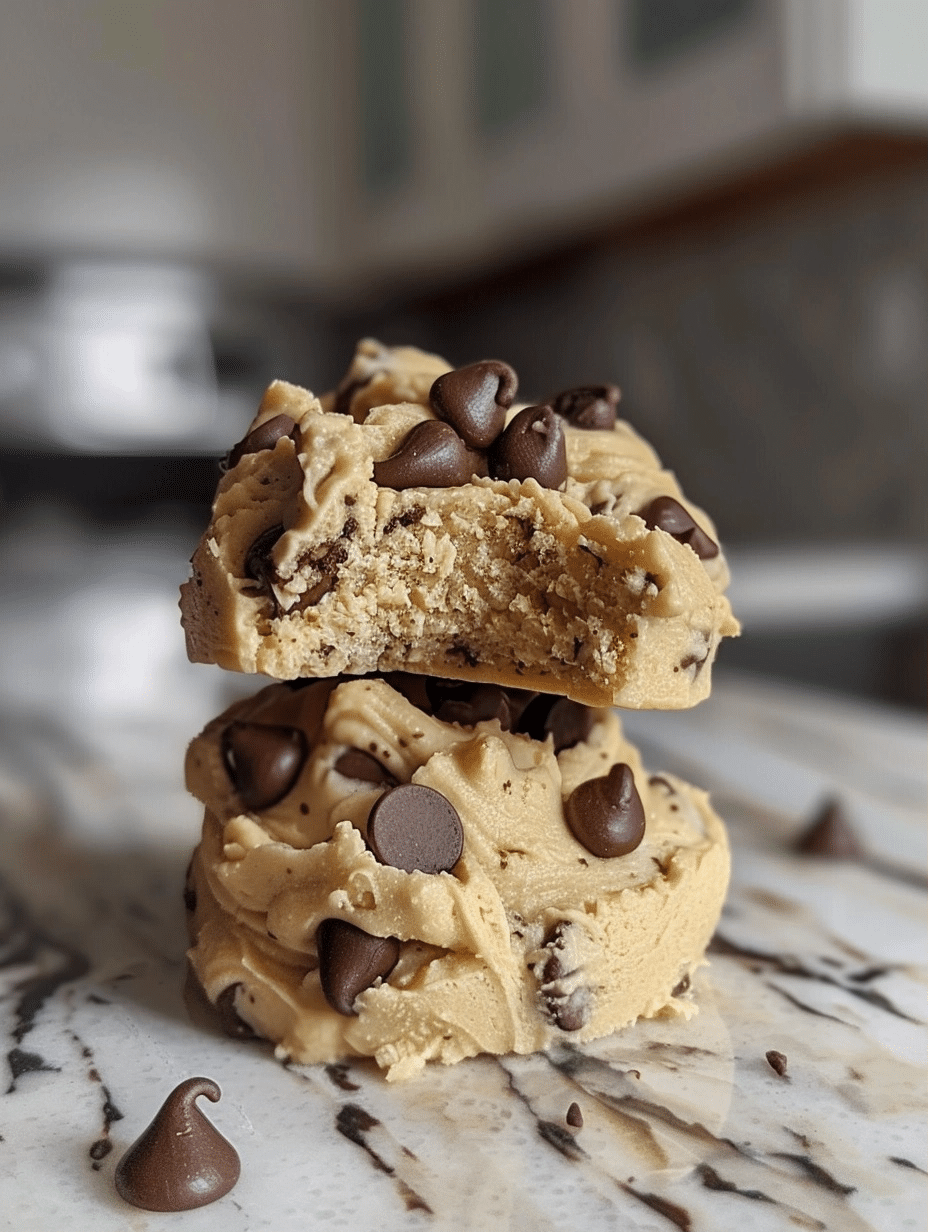
High Protein Cottage Cheese Cookie Dough
Ingredients
- 2 cups full-fat cottage cheese
- 1/2 cup almond butter (creamy)
- 1/2 cup coconut sugar
- 1 tsp vanilla extract
- 1/4 tsp kosher salt
- 2 tbsp honey (or maple syrup for vegan option)
- 1/4 cup chocolate chips (optional)
- 1/4 cup chopped nuts or seeds (optional for texture)
Instructions
- Place cottage cheese in a blender
- Add almond butter, coconut sugar, vanilla, and kosher salt
- Blend until completely smooth (2-3 minutes)
- For a smoother texture, refrigerate 15-20 minutes before serving
- Fold in chocolate chips and nuts if using
- Serve chilled in a bowl or let sit at room temperature for 10 minutes before enjoying
Notes
Mix in peanut butter or cashew butter as alternatives
Store in airtight container for up to 48 hours
