

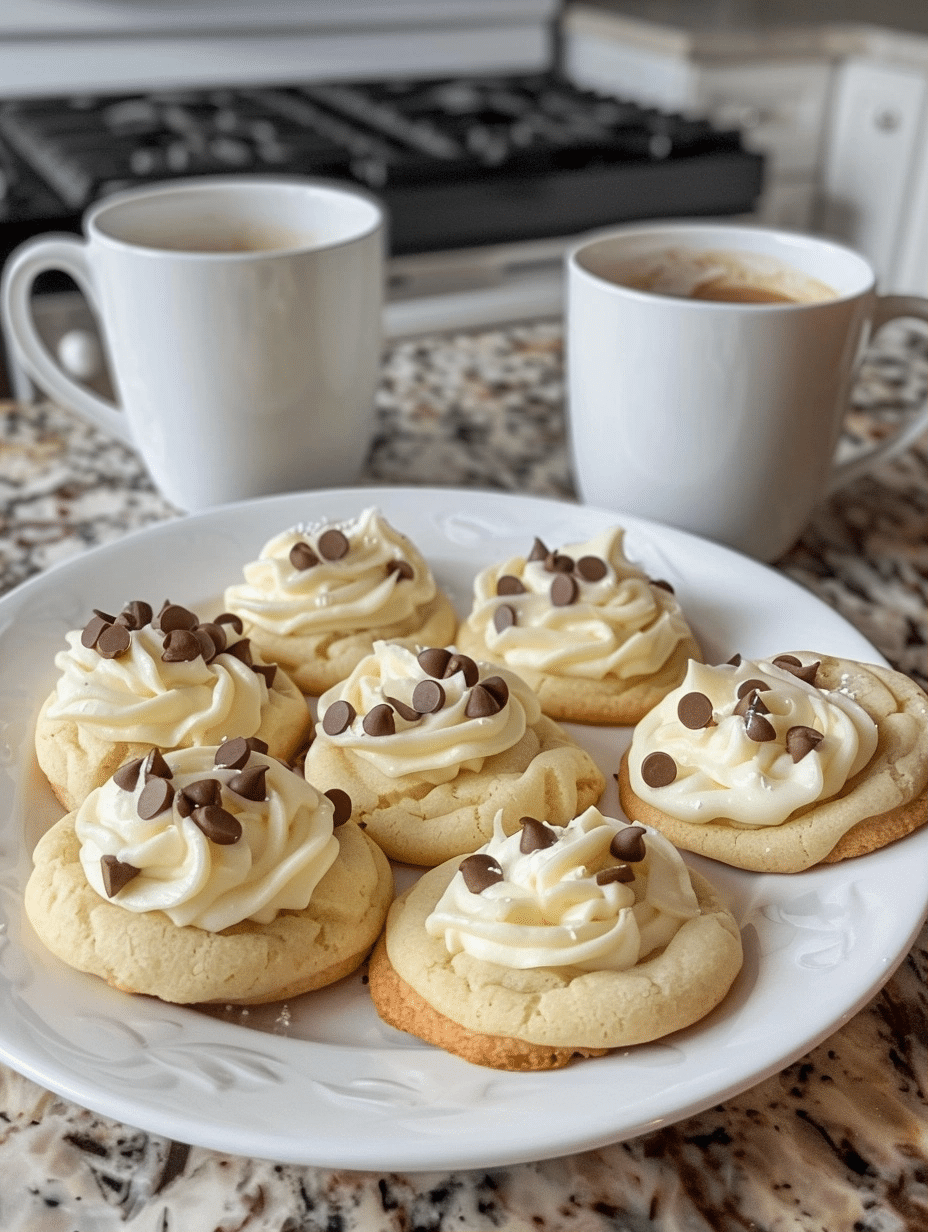
Cream cheese cookies are buttery, tender treats with a subtle tangy flavor that sets them apart from standard sugar cookies. This recipe combines softened cream cheese with butter and brown sugar to create a delicate crumb that melts on your tongue while delivering just enough sweetness and depth. The cream cheese ingredient is the star here, adding moisture, richness, and a distinctive flavor profile that keeps people reaching for more. Unlike denser shortbread or chewier chocolate chip varieties, these cookies strike a perfect balance between soft texture and light crispness at the edges. They’re simple enough for beginners yet impressive enough to serve at gatherings or package as gifts.

Meet Your Baker: Lila Bennett
I’m Lila Bennett, a 34-year-old home baker based in Portland, Oregon, and my kitchen is almost always filled with the smell of something sweet. I fell in love with baking as a kid, sneaking tastes of cookie dough and watching simple ingredients turn into something comforting and delicious. What started with slightly overbaked cookies turned into years of experimenting with cakes, pancakes, and all kinds of desserts—learning through trial, error, and a lot of taste-testing.
My journey with cream cheese cookies began about eight years ago when I was searching for a recipe that wasn’t overly sweet but still felt special. I discovered that cream cheese was the missing ingredient I’d been looking for. Since then, I’ve baked hundreds of batches, tweaking ratios and techniques until I perfected this foolproof formula. Through countless kitchen experiments and feedback from friends and family, I’ve learned exactly what makes these cookies sing. That experience is what I’m sharing with you today.
Recipe Overview
| Element | Details |
|---|---|
| Prep Time | 15 minutes |
| Cook Time | 12 minutes |
| Total Time | 27 minutes |
| Servings | 36 cookies |
| Difficulty Level | Easy |
| Cuisine Type | American |
Why This Recipe Works
The magic of these cream cheese cookies lies in the balance of three key elements working together. Cream cheese adds both moisture and a subtle tang that prevents the cookies from tasting one-dimensional or cloying, while the combination of butter and brown sugar creates depth and complexity. I discovered through years of experimentation that using an egg yolk instead of a whole egg keeps the cookies tender without making them cake-like or too cakey in texture.
The inclusion of lemon zest is subtle but transformative—it brightens the flavor without overpowering and makes people pause mid-bite wondering what they’re tasting. I’ve served these to skeptics who thought they’d dislike cream cheese in cookies, and they were surprised by how naturally the ingredient works. The 350°F oven temperature ensures the cookies bake through evenly while staying soft in the center, something I perfected after dozens of batches.
What sets this recipe apart is the timing and technique. By chilling the dough slightly and baking just until the edges turn golden, you achieve that coveted texture: crispy edges that give way to a tender center. I always recommend tasting one cookie while still warm to experience the full flavor profile, as these cookies develop even more nuance as they cool completely.
Ingredients
| Ingredient | Quantity | Notes & Alternatives |
|---|---|---|
| Cream Cheese | 8 oz (226g) | Must be softened to room temperature for 30 minutes. Use full-fat for best results; avoid light versions. |
| Unsalted Butter | 1 cup (226g) | Softened to room temperature. Salted butter will alter the salt balance; use unsalted for control. |
| Granulated Sugar | 3/4 cup (150g) | Standard white sugar. Do not substitute with honey or agave without recipe adjustment. |
| Light Brown Sugar | 1/4 cup (50g) | Packed into measuring cup. Adds molasses depth; do not substitute with dark brown. |
| Egg Yolk | 1 large | Use only the yolk, not the whole egg. Reserve whites for other uses like meringues. |
| Pure Vanilla Extract | 1 teaspoon | Use pure extract, not imitation, for superior flavor. Alternatively, use 1/2 teaspoon almond extract. |
| Lemon Zest | 1/2 teaspoon | Freshly grated from unwaxed lemons. Do not use bottled zest or juice. |
| All-Purpose Flour | 2 cups (250g) | Spoon flour into cup and level with knife. Overmixing flour develops gluten and toughens cookies. |
| Baking Powder | 1/4 teaspoon | Ensures light, tender crumb. Do not substitute with baking soda without adjusting acidic ingredients. |
| Sea Salt | 1/4 teaspoon | Enhances sweetness and adds complexity. Use fine sea salt, not coarse. |
| Nutmeg (Optional) | 1/4 teaspoon | For spiced variation. Add to dry ingredients if using. |
Step-by-Step Instructions
Preparation Phase
- Preheat your oven to 350°F (175°C) for at least 15 minutes before baking. Line two large baking sheets with parchment paper to prevent sticking and ensure even browning on the bottom of cookies.
- Remove cream cheese and butter from the refrigerator and allow them to sit at room temperature for 30 minutes until completely softened. Cold ingredients won’t cream properly, resulting in dense, greasy cookies.
- Measure all dry ingredients using the spoon-and-level method to ensure accuracy. Overpacking flour is the most common mistake in cookie baking.
Mixing and Creaming
- Add softened cream cheese and butter to a large mixing bowl. Beat on medium speed for 2-3 minutes using an electric mixer until the mixture becomes light, fluffy, and pale in color. This incorporates air and creates a tender cookie texture.
- Add granulated sugar and packed brown sugar to the creamed mixture. Beat for another 2 minutes, scraping down the bowl occasionally to ensure everything combines evenly. The mixture should look light and creamy, not dense.
- Pour in the egg yolk, vanilla extract, and lemon zest. Beat on low speed for 1 minute just until fully incorporated. Do not overmix at this stage, as excessive beating can develop gluten.
Dry Ingredients and Assembly
- In a separate small bowl, whisk together all-purpose flour, baking powder, and sea salt. Combine thoroughly to distribute the leavening agent and salt evenly throughout the flour.
- Gradually add the dry ingredient mixture to the wet ingredients. Fold gently with a rubber spatula or mix on low speed until just combined. Stop mixing as soon as no streaks of flour remain—overmixing develops gluten and makes cookies tough.
Shaping and Baking
- Drop rounded tablespoons of dough onto prepared baking sheets, spacing them about 2 inches apart to allow room for slight spreading during baking. For uniform cookies, use a cookie scoop.
- Place baking sheets in the preheated 350°F oven. Bake for 10-12 minutes until the edges are lightly golden but the centers remain soft and pale. Overbaking is the enemy of tender cookies.
- Remove baking sheets from the oven and let cookies rest on the hot sheet for 5 minutes. This allows them to set slightly without hardening completely.
- Transfer cookies to a wire cooling rack using a thin spatula. Allow them to cool completely for at least 30 minutes before storing or serving to let them firm up to their final texture.
Chef Tips for Perfect Results
- Temperature Control is Everything: Cream cheese and butter must reach room temperature before beating. Cold fats don’t incorporate air properly, resulting in dense, greasy cookies. Cut them into small cubes 30 minutes ahead to speed the process.
- Use a Digital Scale for Accuracy: Baking is chemistry, and volume measurements can vary wildly. Weighing ingredients in grams eliminates guesswork and ensures consistent results batch after batch. My cookies are perfect every time when I use my kitchen scale.
- Don’t Skip the Cooling Time: Cookies continue baking on the hot sheet after removal from the oven. The 5-minute rest allows carryover cooking to firm up the centers without hardening the edges. Rushing this step compromises texture.
- Lemon Zest Matters More Than You’d Think: Fresh lemon zest brightens the subtle tang of cream cheese and prevents the cookies from tasting flat or one-dimensional. Never use bottled zest or juice, as the flavor is significantly inferior to freshly grated.
- Rotate Pans Halfway Through Baking: Most home ovens have hot spots. Rotating pans front-to-back and top-to-bottom around the 6-minute mark ensures even browning and prevents burning on one side.
- Store Dough for Best Results: Chilling the dough for 20 minutes before scooping prevents excessive spreading and creates thicker, chewier cookies. For make-ahead baking, freeze scooped dough balls for up to 3 months and bake directly from frozen, adding 1-2 minutes to baking time.
Common Mistakes to Avoid
Mistake 1: Using Cold Cream Cheese and Butter
Cold ingredients don’t incorporate air when beaten, resulting in dense, greasy cookies with a heavy crumb instead of the desired tender, delicate texture. The cold fats also don’t mix evenly with sugar, creating lumps and uneven browning. Allow both cream cheese and butter to sit on the counter for at least 30 minutes until they yield easily to gentle pressure. Cut them into small cubes to speed up the softening process.
Mistake 2: Overmixing the Dough
Excessive mixing develops gluten strands in the flour, which makes cookies tough, dense, and breadlike rather than tender and crumbly. Once you add dry ingredients, mix only until no streaks of flour remain. If you’re concerned about uneven distribution, use a spatula to fold instead of using the electric mixer. I learned this lesson the hard way after ruining a batch by mixing for too long.
Mistake 3: Baking Too Long or at the Wrong Temperature
Overbaked cookies become hard and lose their tender crumb structure and delicate flavor. The cookies should look slightly underbaked when removed from the oven—the centers will set during the cooling period. Use an oven thermometer to verify your oven’s actual temperature, as many home ovens run 25 degrees hot or cold, which drastically affects baking time and results.
Mistake 4: Skipping Parchment Paper
Greasing baking sheets with butter or oil allows bottoms to brown too quickly before the centers bake through, and cookies may stick and tear when removing. Parchment paper provides even heat distribution, prevents sticking, and allows you to transfer hot cookies easily. It’s inexpensive insurance against burned bottoms and ruined batches.
Mistake 5: Not Allowing Proper Cooling Time
Removing cookies from sheets immediately after leaving the oven causes them to break apart or tear because they’re still too soft. The 5-minute rest on the hot sheet firms them up just enough to handle without breaking. Transferring to a cooling rack at this point prevents them from hardening too much and allows them to develop the ideal final texture—crispy edges with a tender center.

Variations and Substitutions
| Ingredient to Modify | Substitution Option | Impact on Flavor & Texture |
|---|---|---|
| Lemon Zest | Orange zest (1/2 tsp) or lime zest (1/4 tsp) | Citrus tang shifts to warmer (orange) or bright-tart (lime). Flavor becomes more pronounced with smaller citrus quantities. |
| Brown Sugar | Muscovado sugar (1/4 cup packed) or coconut sugar (1/4 cup) | Muscovado adds deeper molasses notes and slightly chewier texture. Coconut sugar creates subtle caramel undertones and may dry cookies slightly. |
| Vanilla Extract | 1/2 tsp almond extract or 1 tsp maple extract | Almond adds marzipan-like nuttiness. Maple contributes warm, subtle sweetness. Both work beautifully with cream cheese base. |
| All-Purpose Flour | Cake flour (2.25 cups, sifted) or pastry flour (2.25 cups) | Cake flour creates even more tender, delicate cookies with softer crumb. Pastry flour produces similar results. Do not use bread flour, which toughens cookies significantly. |
| Egg Yolk | 1 tablespoon aquafaba (chickpea liquid) or 1 tablespoon cornstarch mixed with 1 tablespoon water | Aquafaba maintains moisture and binding without egg allergen. Cornstarch slurry creates slightly more tender, delicate cookies with less structure. |
| Add-ins | 1/2 cup mini chocolate chips, or 1/2 cup finely chopped pistachios, or 1/4 cup dried cranberries | Chocolate adds richness and slight bitterness. Nuts add crunch and earthy flavor. Cranberries add tartness and chew. Any add-in changes flavor profile significantly. |
| Spice Profile | Add 1/4 tsp ground cardamom, or 1/8 tsp ground ginger, or 1/2 tsp cinnamon | Cardamom adds floral, complex spice. Ginger contributes warmth and slight heat. Cinnamon creates cozy, familiar sweetness. Each transforms cookies into distinct flavor profile. |
Serving Suggestions and Pairings
These cream cheese cookies pair beautifully with afternoon tea or coffee. Serve them at room temperature alongside a hot cup of Earl Grey tea, jasmine green tea, or a smooth latte for an elegant afternoon treat. For a more casual setting, these cookies work perfectly at book clubs, potlucks, or as an after-dinner accompaniment to dessert and coffee.
Gift these cookies in a decorative box lined with parchment paper for a thoughtful homemade present. They’re perfect for holiday gift-giving, teacher appreciation, or thank-you tokens. Package them in clear cellophane bags tied with twine for a rustic, handmade aesthetic that feels extra special.
Serve alongside fresh berries or sliced fruit for a light dessert course. The subtle tang of cream cheese complements the brightness of raspberries, strawberries, or lemon curd beautifully. For a more indulgent presentation, serve with softly whipped cream or a small scoop of vanilla ice cream melting over warm cookies.
These cookies work wonderfully as part of a dessert spread for bridal showers, baby showers, or birthday gatherings. Arrange them on tiered cake stands alongside other petit fours or bite-sized sweets for an elegant presentation. The delicate size and refined flavor make them appropriate for sophisticated occasions while still feeling homey and welcoming.
Storage and Reheating
| Storage Method | Duration | Instructions |
|---|---|---|
| Room Temperature (Airtight Container) | 5-7 days | Store cooled cookies in an airtight container at room temperature. Place parchment paper between layers to prevent sticking. These cookies remain soft and delicate for up to a week. |
| Refrigerator (Airtight Container) | 10-14 days | For extended storage, place cooled cookies in an airtight container and refrigerate. Cold temperatures preserve freshness longer but may make cookies slightly firmer upon removal. |
| Freezer (Airtight Container or Bag) | Up to 3 months | Freeze baked cookies in airtight freezer bags or containers with parchment between layers. Thaw at room temperature for 1-2 hours. Cookies emerge tasting nearly as fresh as day one. |
| Freeze Dough (Cookie Scoop or Balls) | Up to 3 months | Scoop dough into balls, freeze on a baking sheet, then transfer to freezer bags. Bake directly from frozen, adding 2-3 minutes to baking time. No thawing necessary. |
| Reheating (Oven Method) | N/A | Refresh stored cookies by placing on a baking sheet and warming in a 300°F oven for 3-5 minutes. This restores softness and freshness to cookies that have firmed up during storage. |
| Reheating (Microwave Method) | N/A | Microwave individual cookies for 10-15 seconds on 50% power to warm gently without drying them out. Check after 10 seconds, as microwave wattage varies. |
Nutritional Information
Approximate values per cookie (based on 36 servings). Nutritional content varies based on specific ingredient brands and preparation methods.
| Nutrient | Amount per Serving | Daily Value % |
|---|---|---|
| Calories | 95 kcal | 5% |
| Total Fat | 5.8g | 7% |
| Saturated Fat | 3.6g | 18% |
| Trans Fat | 0.2g | N/A |
| Cholesterol | 28mg | 9% |
| Sodium | 85mg | 4% |
| Total Carbohydrates | 11g | 4% |
| Dietary Fiber | 0.1g | 0% |
| Total Sugars | 7.2g | 14% |
| Protein | 1.2g | 2% |
Frequently Asked Questions
Can I Make Cream Cheese Cookies Without an Electric Mixer?
Yes, you can make cream cheese cookies entirely by hand using a whisk and elbow grease. Beat the softened cream cheese and butter together vigorously for 5-7 minutes using a sturdy whisk until light and fluffy—the effort is demanding but absolutely achievable. The key is ensuring the butter and cream cheese reach light, pale, and creamy consistency before adding sugar. After that, fold in remaining ingredients gently with a spatula. Hand-mixing takes longer but produces equally delicious results, and many bakers find the process meditative and rewarding.
How Do I Know When My Cream Cheese Cookies Are Done Baking?
Properly baked cream cheese cookies will have golden-brown edges while the center remains pale and slightly soft to the touch. Bake for 10-12 minutes and remove them from the oven when the edges show light browning but the centers don’t feel completely firm. The cookies will continue cooking slightly on the hot baking sheet during the 5-minute rest, reaching their final tender texture. Underbaked cookies feel fragile but firmer up perfectly, while overbaked ones become hard and brittle with no recovery possible.
Why Are My Cream Cheese Cookies Spreading Too Much?
Excessive spreading happens when dough is too warm or soft before baking, or when you’ve used too much butter relative to other ingredients. Chill the scoop dough for 20-30 minutes in the refrigerator before baking to firm it up and prevent excessive spreading. Verify that your cream cheese and butter were softened but not melted before mixing—if they were too warm, they incorporate excess air and cause cookies to spread aggressively. Also check your oven temperature with an oven thermometer, as ovens running too hot cause rapid spreading before the dough sets.
Can I Make Cream Cheese Cookie Dough in Advance and Bake Later?
Absolutely—this dough freezes beautifully for up to three months. Scoop dough into balls using a cookie scoop, freeze them on a baking sheet for 2 hours until solid, then transfer to freezer bags or airtight containers. Bake directly from frozen, adding 2-3 minutes to the baking time, without thawing. Alternatively, refrigerate scoop dough for up to 5 days before baking. Having pre-scoop frozen dough means fresh-baked cookies are just 15 minutes away at any time.
What’s the Best Way to Serve Cream Cheese Cookies to Guests?
Serve cream cheese cookies at room temperature on a decorative plate or cake stand alongside beverages like tea, coffee, or cold milk. These delicate cookies are best enjoyed within a few hours of baking while still soft and fresh, though they remain delicious for several days when stored properly. For a more formal presentation, arrange cookies on tiered stands with fresh berries or edible flowers for visual appeal. Gift-giving works beautifully with these cookies packaged in decorative boxes or clear bags tied with ribbon—they’re impressive enough for sophisticated occasions yet feel approachable and homemade.
Can I Substitute the Cream Cheese with Something Else in This Recipe?
You can substitute cream cheese with an equal weight of mascarpone cheese, which creates similar moisture and tang with slightly less distinctive flavor. Ricotta cheese works but produces a slightly grainier texture and less pronounced tang—reduce flour to 1.75 cups if using ricotta. Plain Greek yogurt creates tangy, tender cookies but may require slight flour reduction. None of these alternatives produce identical results, but each creates delicious cookies with slightly different flavor and texture profiles. I recommend starting with the original cream cheese version first to understand the target flavor before experimenting with substitutes.
Final Thoughts on Cream Cheese Cookies
These cream cheese cookies combine simplicity with sophistication, proving that the best homemade treats don’t require complicated techniques or exotic ingredients. After years of perfecting this recipe, I’m confident it will become your go-to formula whenever you crave soft, tangy, comforting cookies. The subtle cream cheese flavor paired with bright lemon zest creates a flavor profile that lingers pleasantly on the palate. Bake a batch this week and experience why these delicate treats have earned permanent space in my kitchen rotation.
Cream Cheese Cookies
Ingredients
- 2 cups all-purpose flour
- 1 cup softened unsalted butter
- 4 oz (1 cup) softened cream cheese
- 1 cup packed brown sugar
- 2 large egg yolks
- 1 teaspoon vanilla extract
- 1 teaspoon baking powder
Instructions
- Line baking sheets with parchment paper
- Whisk flour, baking powder, and 1/2 teaspoon salt in a bowl
- Using an electric mixer, beat butter and cream cheese until smooth
- Gradually add brown sugar, beating until creamy
- Add egg yolks and vanilla, mixing until incorporated
- Add flour mixture, beating on low until forming a dough
- Chill dough for 30 minutes
- Portion into rounded tablespoons, spacing 2 inches apart
- Bake at 350°F (180°C) for 10-12 minutes
- Cool on sheets for 5 minutes before transferring to wire racks
Notes
For extra richness, add 1/2 cup mashed bananas
Store in airtight containers at room temperature for up to 3 days
