

Butterfly pea flower tea is a vibrant, caffeine-free herbal tea made from dried blue flowers. It naturally changes color when you add citrus, offers antioxidants, and works well for both relaxing drinks and creative recipes. You can prepare it in minutes using simple ingredients at home.
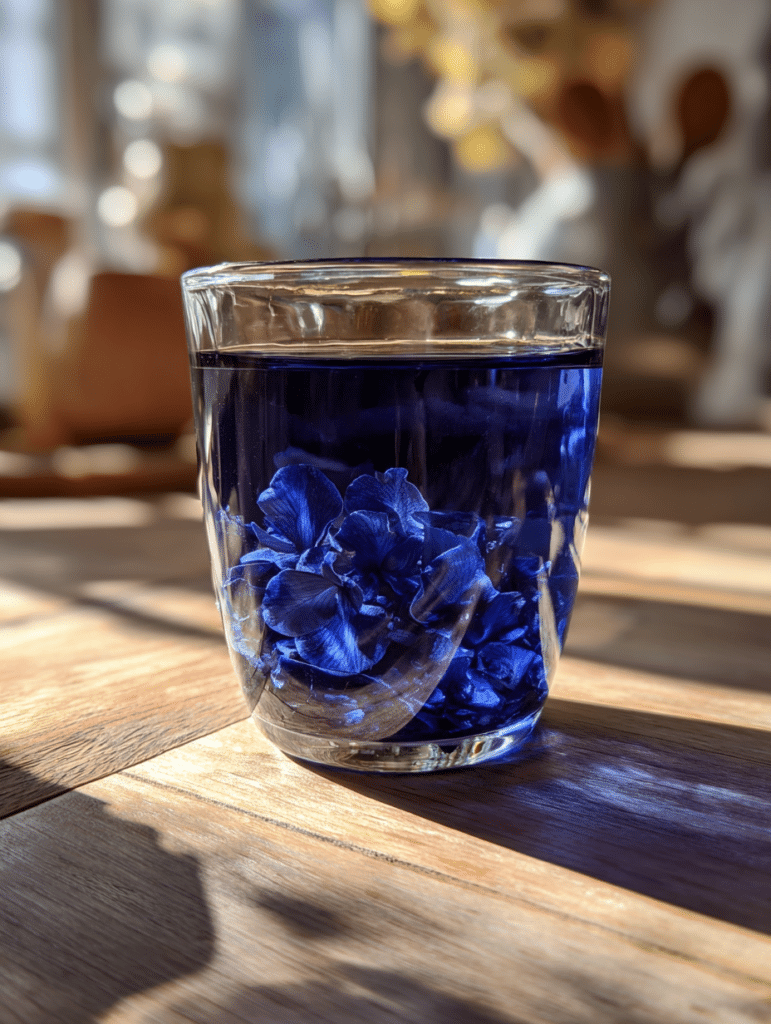
The first time I made butterfly pea flower tea, I honestly didn’t expect it to feel so special. I dropped a few deep-blue petals into hot water, and within seconds, the cup turned into this rich sapphire color. Then I added a squeeze of lemon—and just like that, it shifted into a glowing purple. It felt like a small kitchen moment that made the whole day better.
Hi, I’m Eva Stoner, and welcome to Fresh Recipes Corner, where everyday cooking stays simple, enjoyable, and full of flavor. My love for easy, practical recipes started in my grandmother’s kitchen. She always believed that even the simplest ingredients could create something memorable—and this tea proves that every time.
I’ve tested butterfly pea flower tea in different ways over the years. Some versions tasted too plain, while others felt overly complicated. So I focused on creating a method that works every time, even if you’re just starting out. If you’ve tried refreshing drinks like this lemon iced tea or a calming lemon ginger tea, you’ll find this one just as easy, but even more visually exciting.
This tea matters because it blends simplicity with creativity. It’s perfect for beginners, great for relaxing evenings, and ideal when you want a drink that feels a little different without adding extra effort.
KEY TAKEAWAYS: What You Need To Know
- Butterfly pea flower tea is a caffeine-free herbal tea made from dried blue flowers
- It matters because it offers antioxidants and a unique color-changing effect
- Best for beginners, tea lovers, and anyone wanting a calming drink
- Use it when you want a refreshing, low-effort beverage any time of day
- Easy to make with just hot water and optional lemon or honey
Table of Contents
What Is Butterfly Pea Flower Tea and Why Is It So Popular?
Butterfly pea flower tea is a herbal infusion made from dried Clitoria ternatea flowers. It stands out for its deep blue color, natural antioxidants, and its ability to turn purple when you add citrus like lemon. This tea is simple to prepare and works well for both relaxation and creative drinks.
What is butterfly pea flower tea?
Butterfly pea flower tea comes from Southeast Asia, where people have used it for generations in both drinks and traditional cooking. The tea uses dried petals from the butterfly pea plant, which release a rich blue color when steeped in hot water.
What makes this tea different is its natural pigment called anthocyanin. This compound gives the tea its bold color and also reacts to pH changes. When you add lemon juice, the blue instantly shifts into purple. That simple transformation turns a basic drink into something visually engaging.
Unlike many traditional teas, butterfly pea flower tea contains no caffeine. That makes it a great option if you want something calming without affecting your sleep. If you already enjoy lighter drinks like this lemon green tea or soothing blends like this Costa Rican tea, this tea fits right into your routine.
At its core, this tea is about simplicity. You only need hot water and dried flowers. Everything else—like honey, lemon, or herbs—just builds on that base.
Why is butterfly pea flower tea trending now?
The rise of butterfly pea flower tea comes down to two things: visual appeal and simple preparation.
First, people love drinks that look interesting. The color-changing effect makes this tea stand out in photos and videos. But beyond that, it gives you a small, enjoyable moment at home without extra effort.
Second, more people now look for caffeine-free options. This tea provides a gentle alternative to coffee or strong teas. It fits well into daily routines, especially in the evening.
There’s also growing interest in herbal drinks that feel natural and easy to prepare. According to general herbal tea guidance from the U.S. Department of Agriculture, herbal infusions can support hydration when prepared properly, making them a practical everyday choice (U.S. Department of Agriculture)
Compared to other colorful drinks like this loaded tea recipe, butterfly pea tea feels lighter and more flexible. You can keep it simple or turn it into something creative.
One reader shared this after trying it:
“I didn’t expect much at first, but the color change completely surprised me. Now I make it every evening instead of soda—it feels calming and a little fun at the same time.”
That balance—simple, visual, and calming—is exactly why this tea continues to grow in popularity.
What Does Butterfly Pea Flower Tea Taste Like?
Butterfly pea flower tea has a mild, earthy flavor with subtle floral notes. It tastes light and smooth, not bitter, which makes it easy to customize with lemon, honey, or herbs. You can adjust the flavor quickly based on your preference without changing the simple base recipe.
Butterfly pea flower tea flavor explained
The natural butterfly pea flower tea flavor stays gentle and neutral. It doesn’t have the strong grassy taste of green tea or the bold depth of black tea. Instead, it feels soft, slightly woody, and clean on the palate.
That mild profile makes it perfect if you prefer drinks that don’t overwhelm your taste buds. Many people describe it as calming rather than exciting—and that’s exactly why it works so well as an everyday drink.
If you compare it to other teas:
- Green tea feels sharper and slightly bitter
- Herbal teas like chamomile feel more floral
- Butterfly pea flower tea sits right in the middle—light, smooth, and flexible
Because the flavor stays subtle, you can easily pair it with other ingredients. That’s why it works so well alongside blends like this bariatric tea recipe for weight loss or even creative mixes like the Brazilian Mounjaro butterfly pea flowers.
How to improve the flavor at home
Since the base flavor stays mild, you can quickly adjust butterfly pea flower tea to match your taste. Small additions make a big difference.
Here are simple ways to improve the taste:
- Add lemon juice – brightens the flavor and creates the signature purple color
- Use honey or maple syrup – adds natural sweetness without overpowering
- Mix with ginger – gives warmth and a slightly spicy edge
- Blend with green tea – creates a more structured, layered flavor
- Serve it iced – makes it more refreshing and crisp
If you enjoy citrus-based drinks, combining this tea with elements from a classic lemon iced tea creates a refreshing version that works especially well in warmer months.
| Add-In | Flavor Impact |
|---|---|
| Lemon | Bright, slightly tangy, color changes to purple |
| Honey | Smooth sweetness, balances earthy notes |
| Ginger | Warm, slightly spicy depth |
| Mint | Fresh and cooling finish |
The flexibility here matters. You don’t need advanced skills or special tools. You just adjust a few ingredients and create a version that fits your taste.
Butterfly Pea Flower Tea Benefits and Nutrition Facts
Butterfly pea flower tea offers natural antioxidants, supports hydration, and provides a calming, caffeine-free option for daily use. It contains anthocyanins that give the tea its blue color and contribute to its potential wellness benefits without adding calories or stimulants.
Blue pea flower tea benefits
The growing interest in blue pea flower tea benefits comes from its simple ingredient and natural compounds. While it’s not a cure-all, it fits well into a balanced routine.
Here’s what makes butterfly pea flower tea worth trying:
- Rich in antioxidants – The blue color comes from anthocyanins, which help protect cells from everyday stress
- Supports hydration – It works as a flavorful way to increase daily fluid intake
- Caffeine-free calm – You can drink it anytime without worrying about sleep disruption
- Skin-friendly compounds – Many people include it in routines that focus on simple, natural ingredients
- Light and gentle – It feels easy on the stomach compared to stronger teas
According to general nutrition guidance, plant-based beverages with natural pigments like anthocyanins can play a role in a balanced diet when consumed regularly but moderately. For a deeper look at anthocyanins, see Wikipedia’s article on anthocyanins.
If you already enjoy calming drinks like this lemon ginger tea, adding butterfly pea flower tea gives you another option that feels just as soothing but visually more engaging.
One reader shared:
“I started drinking it in the evening instead of sugary drinks. It feels light, and I like that it doesn’t keep me awake.”
That simple switch shows where this tea fits best—small, practical improvements.
Butterfly pea flower tea nutrition facts
When you look at butterfly pea flower tea nutrition facts, the simplicity stands out.
| Nutrient | Amount (per cup) |
|---|---|
| Calories | 0–5 |
| Caffeine | 0 mg |
| Sugar | 0 g (unless added) |
| Antioxidants | Naturally present |
This profile makes butterfly pea flower tea a strong option if you want something light and clean. You don’t get hidden sugars or stimulants unless you add them yourself.
However, balance still matters. Some people ask about blue tea benefits and side effects. In most cases, moderate consumption works well, but drinking excessive amounts of any herbal tea may cause mild digestive discomfort for some individuals.
The key is simple: keep it moderate, keep it balanced, and adjust based on how your body responds.
How to Make Butterfly Pea Flower Tea (Step-by-Step)
Butterfly pea flower tea is easy to make using dried flowers and hot water. You steep the flowers for 5–7 minutes, strain, and optionally add lemon to change the color from blue to purple. You can serve it hot or iced depending on your preference.
Ingredients and tools needed
To make butterfly pea flower tea, you only need a few simple ingredients. This recipe stays beginner-friendly and works every time.
Ingredients:
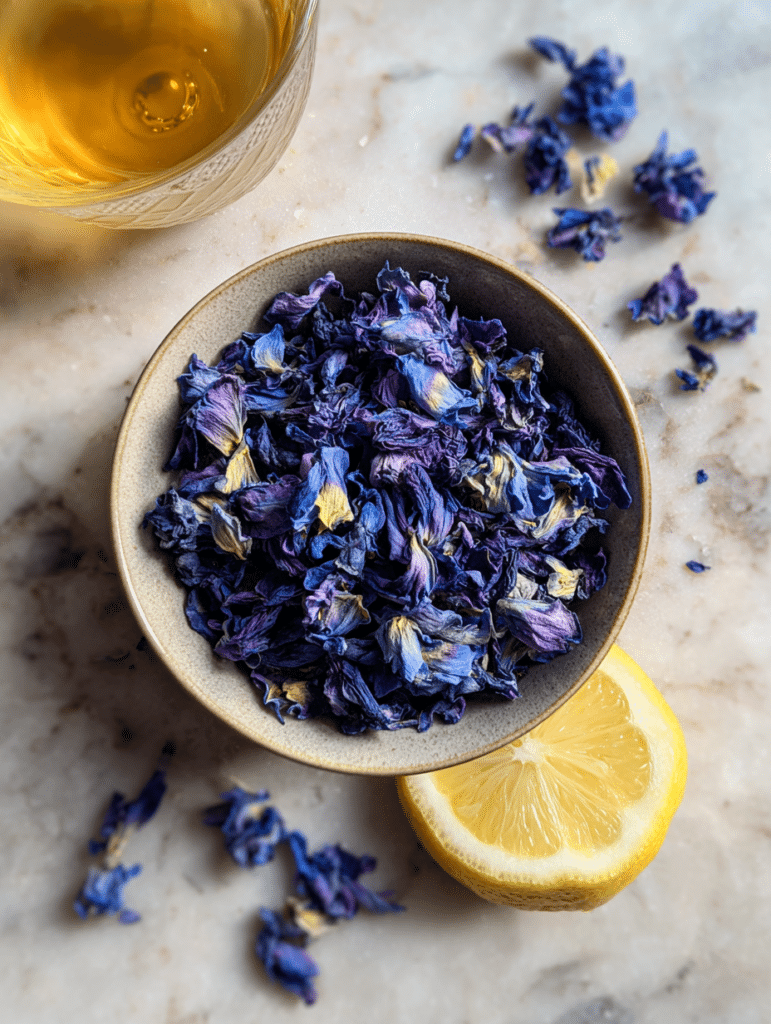
- 1–2 teaspoons dried butterfly pea flowers (or 1 tea bag)
- 1 cup hot water (just below boiling)
- Optional: lemon juice, honey, or ginger
Tools:
- Teapot or cup
- Strainer (if using loose flowers)
- Spoon for mixing
If you’ve already made simple drinks like this lemon iced tea or soothing blends like Costa Rican tea, this process will feel very familiar.
Pro Tip:
Use filtered water if possible. It keeps the flavor clean and lets the natural color stand out clearly.
Step-by-step preparation method
Follow these steps to make a reliable, flavorful cup of butterfly pea flower tea:
- Heat the water
Bring water close to boiling (about 190–200°F). Avoid overboiling to keep the flavor smooth. - Add the flowers
Place dried butterfly pea flowers into your cup or teapot. - Pour hot water
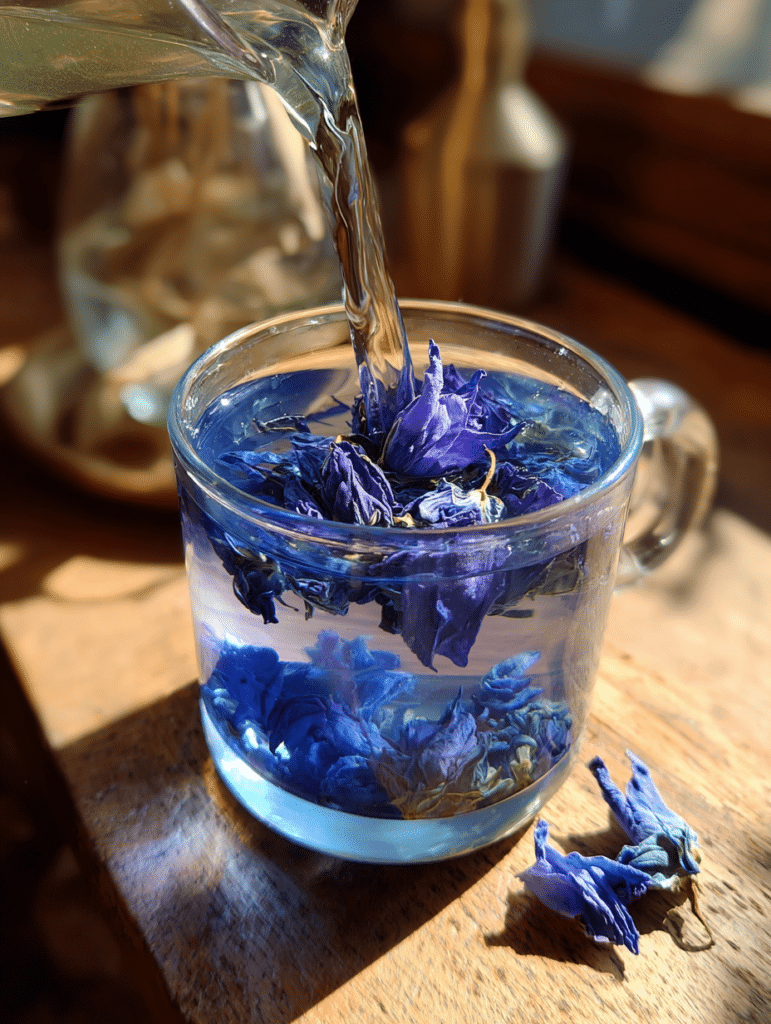
Pour the hot water over the flowers and watch the deep blue color appear almost instantly. - Steep for 5–7 minutes
Let the tea sit until the color becomes rich and fully developed. - Strain and serve
Remove the flowers or tea bag. - Add lemon (optional)
Add a small squeeze of lemon juice. The tea will shift from blue to purple within seconds. - Sweeten if needed
Add honey or another sweetener to balance the flavor.
Hot vs iced preparation
| Method | Steps |
|---|---|
| Hot Tea | Serve immediately after steeping |
| Iced Tea | Cool the tea, pour over ice, add lemon |
For a refreshing twist, you can combine this with ideas from a lemon green tea to create a layered iced version.
Quick 100-word recipe version
Hi, I’m Eva Stoner from Fresh Recipes Corner. I learned early in my grandmother’s kitchen that simple recipes often bring the most joy. This butterfly pea flower tea proves that every time. Add 1–2 teaspoons dried flowers to a cup, pour hot water, and steep for 5–7 minutes. Strain and enjoy the deep blue color. Add lemon juice to turn it purple, then sweeten if you like. You can serve it hot for a calming drink or pour it over ice for something refreshing. It’s easy, reliable, and perfect for everyday use.
Variations and Creative Ways to Enjoy Blue Tea
Butterfly pea flower tea works well in many variations. You can turn it into a refreshing iced drink, mix it with citrus for a color-changing effect, or blend it with herbs and other teas to create new flavors without complicating the process.
Purple pea flower tea variations
One of the most exciting things about butterfly pea flower tea is how easily you can change its appearance and taste with small adjustments.
Here are popular purple pea flower tea variations you can try:
- Lemon butterfly tea – Add fresh lemon juice to shift the color from blue to purple and create a brighter flavor
- Iced blue tea – Chill the tea and pour over ice for a refreshing, summer-ready drink
- Layered tea drinks – Slowly pour citrus juice over the tea to create a natural gradient effect
- Honey citrus tea – Combine honey and lemon for a balanced sweet-tangy version
If you enjoy citrus-based drinks, combining this with a base like lemon iced tea creates a more familiar but still visually interesting option.
These variations matter because they let you adapt the tea to your mood. You don’t need new ingredients every time—just small tweaks.
Creative recipes and combinations
Once you get comfortable with the basics, you can start combining butterfly pea flower tea with other recipes to create more variety.
Here are a few easy ideas:
- Ginger blue tea – Add fresh ginger slices for warmth, inspired by this lemon ginger tea
- Green tea blend – Mix with a light base like lemon green tea for added depth
- Wellness tea mix – Combine with blends like this bariatric tea recipe for weight loss
- Energy-style drink – Pair with ingredients from a loaded tea recipe for a more vibrant version
You can also experiment with recipes like this Brazilian Mounjaro butterfly pea flowers if you want something more unique.
| Variation | Best For |
|---|---|
| Lemon Purple Tea | Refreshing, citrus lovers |
| Iced Blue Tea | Hot weather, quick drinks |
| Ginger Blend | Warm, soothing option |
| Layered Tea | Visual presentation, guests |
A reader recently shared:
“I made the iced version with lemon, and the color change surprised my kids. Now they actually ask for tea instead of soda.”
That’s exactly the kind of simple shift this recipe can bring—easy, flexible, and a little more engaging.
Butterfly Pea Flower Tea
Equipment
- teapot or cup
- strainer if using loose flowers
- kettle
- spoon for mixing
Ingredients
- 1-2 tsp dried butterfly pea flowers (or 1 tea bag)
- 1 cup hot water (just below boiling)
- lemon juice (optional)
- honey or sweetener (optional)
- fresh ginger (optional)
Instructions
- Heat water to just below boiling (about 190–200°F) to keep the flavor smooth.
- Add dried butterfly pea flowers to a cup or teapot.
- Pour the hot water over the flowers and watch the deep blue color develop.
- Let the tea steep for 5–7 minutes until the color is rich and fully developed.
- Strain the flowers or remove the tea bag before serving.
- Add a squeeze of lemon juice if desired to turn the tea from blue to purple.
- Sweeten with honey or preferred sweetener if desired, then serve hot or over ice.
Notes
Nutrition
FAQ Section (People Also Ask)
What does butterfly pea flower tea taste like?
u003cstrongu003eButterfly pea flower tea tastes mild, earthy, and slightly floral.u003c/strongu003e It has a smooth and neutral profile without bitterness, which makes it easy to customize. You can add lemon, honey, or herbs to adjust the flavor based on your preference.
Is butterfly pea flower tea safe to drink every day?
Yes, u003cstrongu003ebutterfly pea flower tea is generally safe for daily consumptionu003c/strongu003e when enjoyed in moderate amounts. It contains no caffeine and works well as a calming drink. However, balance matters, so avoid excessive intake and pay attention to how your body responds.
What are the side effects of blue tea?
u003cstrongu003eBlue tea has minimal side effects for most people.u003c/strongu003e In rare cases, drinking large amounts may cause mild digestive discomfort. If you are pregnant, nursing, or have specific health conditions, consult a healthcare professional before regular use.
Why does butterfly pea flower tea change color?
u003cstrongu003eButterfly pea flower tea changes color due to anthocyanins.u003c/strongu003e These natural compounds react to acidity. When you add lemon juice, the pH changes, turning the tea from deep blue to purple almost instantly.
Does butterfly pea flower tea have caffeine?
No, u003cstrongu003ebutterfly pea flower tea is completely caffeine-free.u003c/strongu003e This makes it a great option for evenings or for anyone looking to reduce caffeine intake while still enjoying a warm or refreshing drink.
Where can I buy butterfly pea flower tea?
You can find u003cstrongu003ebutterfly pea flower tea on platforms like Amazon, specialty tea shops, or health stores.u003c/strongu003e Look for high-quality dried flowers or tea bags with no additives. Always check reviews and product descriptions before purchasing.
Final Thoughts
Butterfly pea flower tea is a simple, caffeine-free herbal drink that offers a unique color-changing effect, mild flavor, and easy preparation. It works well for beginners, daily hydration, and creative tea recipes without requiring special skills or ingredients.
Butterfly pea flower tea stands out because it brings together simplicity and creativity in one cup. You don’t need complicated steps or hard-to-find ingredients. You just need dried flowers, hot water, and a few optional add-ins to create something that feels both calming and visually interesting.
At Fresh Recipes Corner, I always come back to what I learned early on—good food and drinks don’t need to feel overwhelming. In my grandmother’s kitchen, we focused on small, reliable steps that anyone could follow. This tea reflects that same approach. It’s practical, flexible, and easy to make part of your routine.
If you’re just starting out, this is one of the easiest drinks to try. If you already enjoy simple recipes like lemon iced tea or calming blends like Costa Rican tea, adding butterfly pea flower tea gives you a new option that feels just as approachable.
Whether you drink it hot in the evening or serve it iced during the day, it fits naturally into everyday life. And once you try it, you’ll see how small changes—like adding lemon or honey—can turn a simple tea into something memorable.