

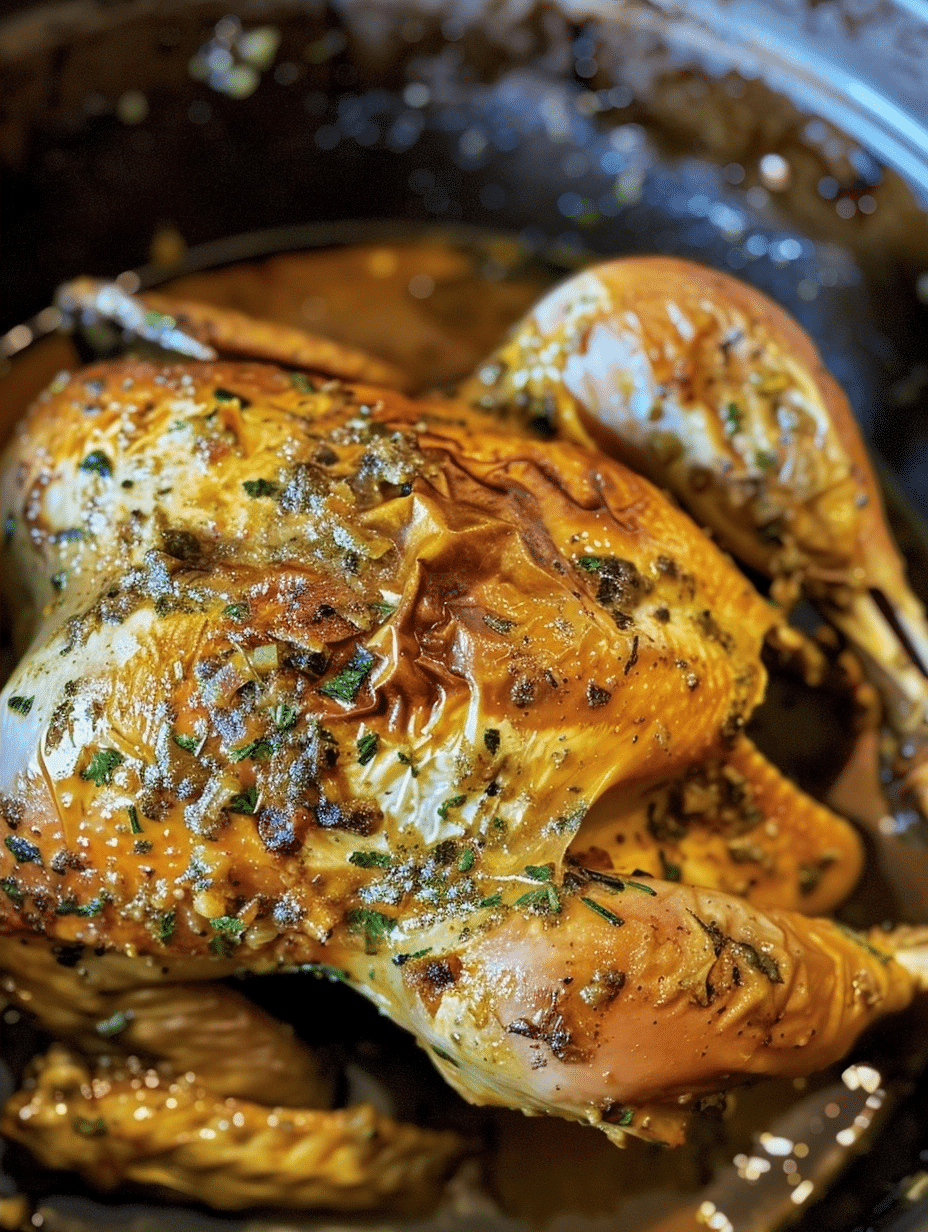
A whole chicken crockpot meal delivers juicy, fall-apart meat with minimal hands-on time and maximum flavor. This slow cooker method transforms a basic bird into restaurant-quality protein through gentle, moist heat over 6-8 hours. The whole chicken absorbs aromatic herbs, garlic, lemon, and broth, creating tender results that work for casual family dinners or elegant entertaining. No special techniques required—just seasoning, layering aromatics, and letting the crockpot do the work while you handle other tasks.
Author & Brand Story
I’m Eva Stoner, creator of Fresh Recipes Corner, where I share simple, reliable recipes for everyday cooking. My passion for approachable food started in my grandmother’s kitchen, where I discovered that exceptional meals don’t demand complicated techniques—they need care, patience, and trust in proven methods. She taught me that a whole chicken slowly cooked becomes something magical, transforming simple ingredients into comfort food that brings people together. That philosophy guides everything I create, ensuring my recipes work the first time and taste like they came from someone who knows what they’re doing. Through years of testing and refining, I’ve learned that slow-cooked whole chicken is one of the most reliable dishes in any home cook’s repertoire, especially when using a crockpot’s consistent, forgiving heat.
| Attribute | Details |
|---|---|
| Prep Time | 15 minutes |
| Cook Time | 6-8 hours on LOW |
| Total Time | 6 hours 15 minutes to 8 hours 15 minutes |
| Servings | 4-6 people |
| Difficulty Level | Easy |
| Cuisine | American comfort food |
Why This Recipe Works
I’ve made this whole chicken crockpot recipe dozens of times, and it succeeds because it respects the bird’s natural moisture and builds flavor through layering. Low, even heat from the crockpot gently breaks down collagen into gelatin, making the meat incredibly tender while keeping it juicy—something high-heat roasting can compromise. The combination of broth, aromatics, and herbs creates an environment where steam circulates constantly, infusing every fiber of the bird without drying anything out.
The beauty of this method lies in its forgiving nature. Unlike oven roasting where timing must be exact, a whole chicken crockpot can handle slight variations in weight and cook time without becoming rubbery. The trapped moisture means you get restaurant-quality results without needing a meat thermometer’s precision or a roasting schedule. I’ve tested this on 3.5-pound birds and 5.5-pound birds, and both emerge equally tender because the slow-cooker environment adapts to each chicken’s needs.
From my experience developing slow cooker chicken recipes, I’ve learned that starting with a dry bird matters tremendously. Pat the skin with paper towels to remove surface moisture, which allows for better browning of seasonings and helps the heat penetrate more efficiently. This single step distinguishes average slow-cooker chicken from exceptional results that look and taste professionally prepared.
Ingredients
| Ingredient | Quantity | Notes and Alternatives |
|---|---|---|
| Whole chicken | 1 (4-5 lbs) | Organic or pastured chickens yield richer flavor. Substitute with two split breasts or a 3-lb bird if feeding fewer people. |
| Chicken broth | 2 cups | Use low-sodium homemade broth for best results. Store-bought works, but check sodium levels. Vegetable broth acceptable for lighter taste. |
| Lemon | 1 medium, halved | Lime or orange works as a substitute. Adds brightness and keeps cavity moist from inside. |
| Onion | 1 medium, quartered | Yellow or sweet onion preferred. Substitute with shallots or omit if onion allergy present. Adds natural sweetness. |
| Garlic cloves | 4, minced | Use fresh minced or 1 tablespoon garlic powder if whole cloves unavailable. Peeling fresh garlic takes 2 minutes. |
| Fresh rosemary | 3 sprigs | Substitute with 1 teaspoon dried rosemary. Fresh provides superior flavor but dried works when fresh unavailable. |
| Fresh thyme | 3 sprigs | Use fresh sprigs or 1 teaspoon dried thyme. Tarragon or oregano offer different herbal notes. |
| Olive oil | 2 tablespoons | Extra virgin provides richer flavor. Neutral oils acceptable. This creates the seasoning paste for the skin. |
| Sea salt | 1 tablespoon | Kosher salt works equally well using same quantity. Adjust based on broth’s sodium level. |
| Black pepper | 1 teaspoon | Freshly ground pepper superior to pre-ground. Coarse cracked pepper adds texture and flavor. |
| Paprika | 1 teaspoon | Smoked paprika adds depth. Hungarian paprika brings sweetness. Standard paprika works fine. |
| Carrots | 2 medium, chunked | Optional addition. Baby carrots work but add during last 2 hours to prevent mushiness. |
| Potatoes | 3 medium, cubed | Optional. Red potatoes hold shape better than russets. Parsnips or celery root acceptable substitutes. |
Step-by-Step Instructions
Preparation Phase
- Pat the whole chicken dry using paper towels, inside the cavity and outside the skin, removing all surface moisture.
- Combine olive oil, sea salt, black pepper, and paprika in a small bowl, creating a seasoning paste for application.
- Rub the entire chicken skin with the oil-spice mixture, coating evenly and ensuring full coverage on all sides.
- Stuff the cavity with lemon halves, onion quarters, and minced garlic cloves, distributing evenly throughout.
Crockpot Assembly
- Pour chicken broth into the crockpot insert, creating the base liquid for steam generation and braising.
- Arrange fresh rosemary and thyme sprigs across the broth surface, positioning where the chicken will rest.
- Place the seasoned whole chicken breast-side up in the crockpot, ensuring it sits above the broth level slightly.
- Arrange optional carrots and potatoes around the chicken if including vegetables in this meal.
Cooking and Completion
- Cover the crockpot and select LOW setting, establishing the slow-cooking environment for 6-8 hours total.
- Resist opening the lid during cooking, which interrupts temperature stability and adds 15-20 minutes to total time.
- Verify doneness by inserting an instant-read thermometer into the thickest thigh, confirming 165°F minimum temperature.
- Transfer the cooked chicken to a cutting board, allowing 10 minutes of resting time for carryover cooking and juice redistribution.
- Skim excess fat from the cooking liquid using a fat separator or spoon, creating a cleaner pan sauce if desired.
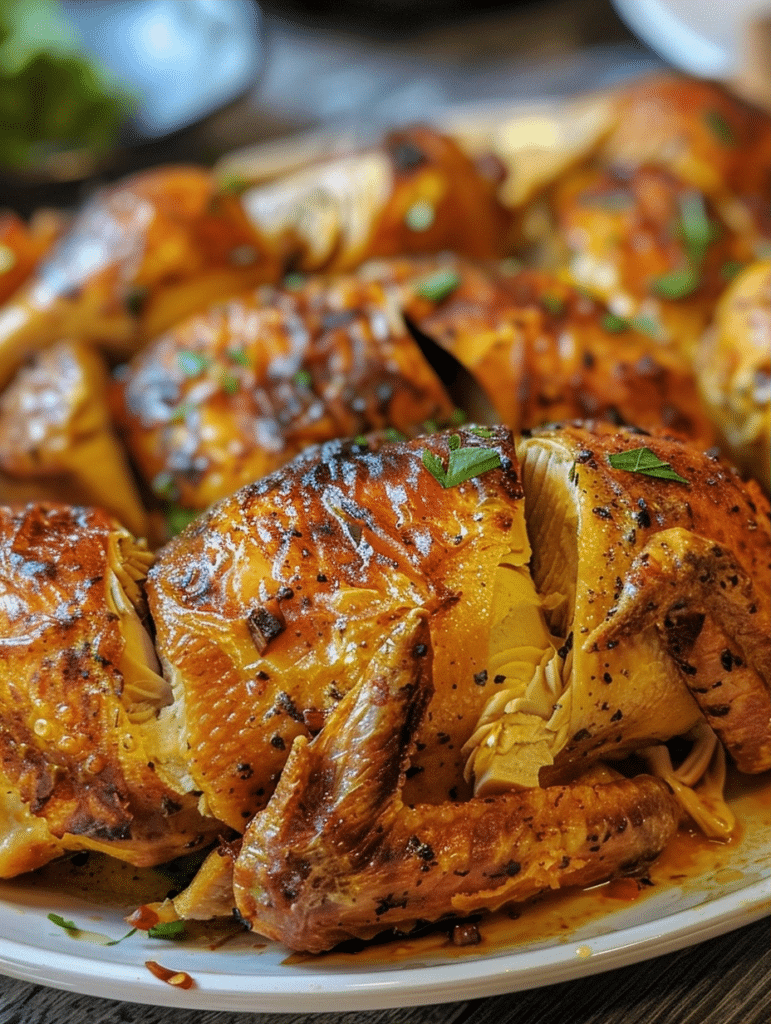
- Carve the rested chicken into breasts, thighs, drumsticks, and wings, serving with vegetables and pan juices.
Chef Tips for Perfect Results
- Dry the chicken completely before seasoning. Moisture prevents spice adhesion and seasonings from building proper flavor on the skin. Use paper towels and pat thoroughly, including inside the cavity where water collects.
- Don’t add vegetables from the start. Root vegetables like carrots and potatoes become mushy when cooking the full 6-8 hours. Add them in the last 2 hours for better texture and color retention.
- Position the chicken breast-side up for even cooking. This orientation allows the thicker thigh portions to cook longer than the breast, which tends to dry faster when positioned downward or sideways.
- Use a meat thermometer to verify doneness precisely. Insert the probe into the thickest part of the thigh without touching bone, confirming 165°F. This eliminates guessing and prevents overcooked dry meat.
- Let the chicken rest before carving. Ten minutes of resting allows residual heat to continue gentle cooking while muscle fibers relax, trapping juices inside the meat rather than draining onto the cutting board.
- Make pan gravy from the cooking liquid. Strain the broth through fine mesh, skim fat, and simmer with a slurry of cornstarch and water for 2 minutes. This transforms the cooking liquid into silky, flavorful gravy using the already-developed fond.
Common Mistakes to Avoid
| Mistake | Why It Happens | How to Fix |
|---|---|---|
| Breast meat becomes dry while thighs stay undercooked | Uneven cooking from improper positioning or temperature too high. Breast meat cooks faster than thighs due to size difference. | Position breast-side up consistently. Use LOW setting exclusively, never HIGH. Consider removing breasts 1-2 hours early and returning after thighs finish if this happens repeatedly. |
| Skin becomes rubbery and unappetizing | Skin releases moisture in the humid crockpot environment, becoming gelatinous instead of crispy. High moisture prevents browning. | Accept soft skin as normal for slow-cooked chicken, or sear the chicken in a hot skillet for 2 minutes per side before placing in crockpot to set skin texture. |
| Vegetables turn to mush | Root vegetables require only 30-45 minutes cooking time, but most recipes cook the full 6-8 hours. Extended cooking breaks down cell structure completely. | Add vegetables during the last 1-2 hours only. For potatoes and carrots, insert at the 5-6 hour mark. For delicate vegetables like peas, add in the final 30 minutes. |
| Chicken tastes bland despite seasoning | Seasonings dilute into the cooking broth instead of adhering to the skin. Insufficient seasoning applied initially. | Use more salt and spice than oven roasting requires, as the humid environment reduces perceived seasoning intensity. Season generously and taste the pan sauce, adjusting before serving. |
| Crockpot overflows with liquid | Chicken releases moisture throughout cooking, combining with the added broth to overflow. Standard crockpot fills fuller than expected. | Use only 1.5 cups broth instead of 2 cups, or use a larger crockpot. The chicken itself provides additional liquid, requiring less broth than oven recipes. |
Variations and Substitutions
| Ingredient Change | Substitution | Impact on Flavor and Texture |
|---|---|---|
| Fresh herbs (rosemary, thyme) | Italian seasoning blend (1.5 teaspoons) or Herbes de Provence | Produces earthier, more complex flavor profile. Less fresh brightness but more concentrated herbal notes. Dried versions intensify during cooking. |
| Lemon | Lime, orange, or 1 tablespoon apple cider vinegar | Lime creates brighter, more tropical notes. Orange adds sweetness. Vinegar reduces brightness but adds tangy complexity. All three work equally well. |
| Chicken broth | Vegetable broth, beef broth, or water with bouillon cube | Vegetable broth keeps dish lighter and cleaner-tasting. Beef broth deepens savory notes significantly. Plain water requires adding bouillon for adequate seasoning. |
| Paprika | Smoked paprika, cayenne pepper, or garlic powder | Smoked paprika adds campfire complexity. Cayenne introduces heat and spice. Garlic powder deepens savory profile. Each changes the seasoning direction. |
| Olive oil | Butter, avocado oil, or ghee for seasoning paste | Butter creates richer, more indulgent flavor. Ghee adds nutty depth. Avocado oil maintains clean taste with higher smoke point for searing option. |
| Whole chicken | 4 chicken breasts, 6 thighs, or Cornish game hen | Breasts cook faster (3-4 hours) and produce leaner meat. Thighs stay moister and require 4-5 hours. Cornish hen cooks in 3-4 hours with more delicate presentation. |
| Aromatics (onion, garlic) | Shallots, fennel bulb, or fresh ginger | Shallots add subtle sweetness and sophistication. Fennel creates French-inspired licorice notes. Fresh ginger produces Asian-influenced warm spice profile. |
Serving Suggestions and Pairings
Serve whole chicken crockpot with creamy mashed potatoes and roasted root vegetables for a classic comfort dinner that feels restaurant-quality without fuss. The tender meat and flavorful pan juices create natural gravy, requiring no additional sauce beyond what the crockpot produces. This pairing works perfectly for Sunday family dinners or casual entertaining when you want impressive results with minimal last-minute effort.
For a lighter approach, pair the slow-cooked chicken with a crisp green salad and crusty bread, using the pan juices for drizzling and bread dunking. The juices become an elegant component of the meal rather than a side consideration. This combination suits spring and summer entertaining when heavy starches feel excessive.
Create a deconstructed chicken bowl by shredding the meat and serving over rice, quinoa, or cauliflower rice with the vegetables from the crockpot and pan juices poured over top. This method works beautifully for meal prep, yielding portions that reheat beautifully throughout the week. Add fresh herbs, a squeeze of citrus, or hot sauce to customize individual servings.
For special occasions, present carved chicken on a platter surrounded by vegetables, drizzling pan juices over everything just before serving. Garnish with fresh herbs and lemon wedges for visual appeal. This presentation works equally well for holiday gatherings, date night dinners, or small entertaining scenarios where sophistication matters.
Storage and Reheating
| Storage Method | Duration | Instructions |
|---|---|---|
| Refrigerator (whole) | 3-4 days | Cool completely, place in airtight container with pan juices, and store in the coldest section of your refrigerator. Keep skin and meat separate from juices if storing longer than 2 days. |
| Refrigerator (shredded) | 3-4 days | Shred meat from bones after cooling. Store shredded meat in container with pan juices covering the top, preventing oxidation and drying. This method enables faster meal prep usage. |
| Freezer (whole) | 2-3 months | Cool completely, wrap tightly in plastic wrap then aluminum foil, and label with date. Store in freezer-safe container to prevent freezer burn. Thaw overnight in refrigerator before reheating. |
| Freezer (shredded) | 2-3 months | Cool shredded meat, place in freezer-safe container with pan juices, and freeze flat for space efficiency. Thaw overnight in refrigerator. Shredded meat defrosts more evenly than whole bird. |
| Oven reheating | 15-20 minutes at 350°F | Place chicken in baking dish with small amount of pan juices, cover loosely with foil, and heat until warmed through (165°F internal temperature). Basting halfway through prevents drying. |
| Stovetop reheating | 5-8 minutes | Cut chicken into pieces, place in skillet with reserved pan juices over medium heat, stirring occasionally until heated through. This method works best for shredded meat for faster, more even heating. |
| Microwave reheating | 2-4 minutes | Place chicken portions in microwave-safe container with 2 tablespoons pan juices per serving, cover, and heat at 50% power for 2-minute intervals. Stirring between intervals ensures even warming without hotspots. |
| Broth freezing | 3 months | Strain pan juices through fine mesh, cool completely, pour into ice cube trays, and freeze. Once frozen, transfer cubes to freezer bags. Each cube provides concentrated flavor for soups or gravies. |
Nutritional Information
Approximate values per serving (1/5 of whole chicken, approximately 6 oz cooked meat with skin).
| Nutrient | Amount Per Serving | Daily Value Percentage |
|---|---|---|
| Calories | 320 | 16% |
| Total Fat | 15g | 23% |
| Saturated Fat | 4.5g | 23% |
| Unsaturated Fat | 8g | N/A |
| Cholesterol | 95mg | 32% |
| Sodium | 680mg | 30% |
| Total Carbohydrate | 3g | 1% |
| Dietary Fiber | 0.5g | 2% |
| Total Sugars | 0.5g | 1% |
| Protein | 42g | 84% |
| Vitamin A | 45 mcg | 5% |
| Vitamin C | 2mg | 3% |
| Calcium | 22mg | 2% |
| Iron | 1.2mg | 7% |
Nutritional values are approximate and may vary based on specific ingredient brands and preparation methods. Skinless chicken contains approximately 40 fewer calories and 8 fewer grams of fat per serving. Using low-sodium broth reduces sodium content by approximately 200mg per serving.
Frequently Asked Questions
Can I substitute chicken broth with something else for whole chicken crockpot?
Vegetable broth works equally well and produces a lighter-tasting chicken. Beef broth deepens the savory profile significantly. Water with one chicken bouillon cube provides adequate seasoning, though the resulting broth lacks the developed flavor of proper stock. Bone broth creates exceptionally rich, gelatinous pan juices perfect for gravy making.
How do I know when my slow cooker chicken is done cooking?
Insert an instant-read thermometer into the thickest part of the thigh, ensuring the probe doesn’t touch bone, and verify the temperature reads 165°F minimum. The meat should shred easily when pierced with a fork, and juices run clear when the thigh is pierced. Checking at the 6-hour mark tells you if your specific crockpot runs hot or cool, allowing time adjustments for future batches.
Why is my whole chicken crockpot skin rubbery and unappetizing?
Soft, rubbery skin is normal in slow-cooker chicken because the humid cooking environment steams the skin rather than crisping it. To improve texture, sear the seasoned chicken skin-side down in a hot skillet for 2-3 minutes before placing it in the crockpot. Alternatively, run the cooked chicken under the broiler for 2 minutes post-cooking to crisp the skin, but watch carefully to prevent burning.
Can I cook whole chicken crockpot on HIGH instead of LOW for faster results?
Cooking on HIGH reduces the total time to 3-4 hours but produces less tender, drier meat because the high temperature cooks the exterior faster than moisture can redistribute throughout. The LOW setting’s gentle heat breaks down collagen into gelatin, creating the signature tender texture that makes slow-cooker chicken special. Stick with LOW for best results, or use a smaller bird if timing matters urgently.
How should I prepare my crockpot chicken for meal prep and storage?
Cool the chicken completely before handling, then shred the meat from bones and store it with reserved pan juices in separate airtight containers in the refrigerator. Frozen shredded chicken with juices thaws evenly and reheats quickly for fast weekday meals. Divide into portions before freezing to enable cooking exactly what you need without thawing entire batches.
What vegetables pair best with whole chicken crockpot without becoming mushy?
Add firmer vegetables like carrots, potatoes, and parsnips during the last 1-2 hours of cooking to maintain texture and color. Softer vegetables like zucchini, mushrooms, and spinach should be added in the final 30 minutes only. Onions and garlic stuffed inside the cavity cook without becoming mushy because they’re protected by the cavity walls from direct liquid contact.
Conclusion
Whole chicken crockpot delivers consistently tender, flavorful results that rival restaurant techniques with just 15 minutes of prep work. This slow cooker method proves that exceptional home cooking requires patience, not complexity—qualities my grandmother taught me years ago. Master this foundation recipe, and you’ll create countless variations that keep your table interesting while maintaining the reliable, juicy results that make this dish indispensable for busy cooks everywhere.
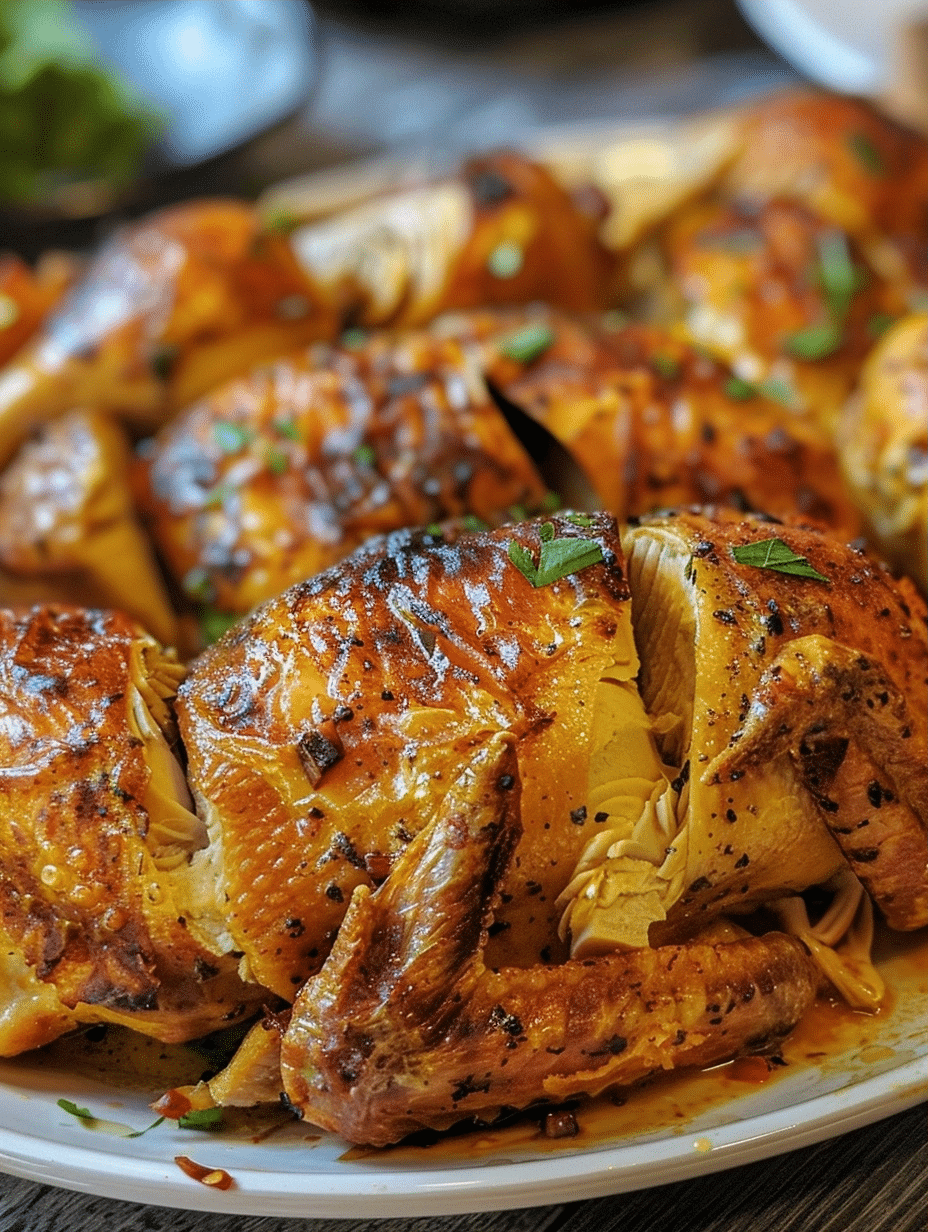
Whole Chicken Crockpot Recipe for Easy Weeknight Dinners
Ingredients
- 1.5 to 2.5 kg bone-in whole chicken (e.g., 3.5 to 5.5 pounds)
- 2 tbsp olive oil
- 2 tsp dried rosemary
- 1 tsp dried thyme
- 6 garlic cloves, minced
- 1 lemon, zested and juiced
- 3 cups low-sodium chicken broth
- 1 large onion, sliced
- 2 tbsp salt
- 1 tbsp black pepper
Instructions
- Rinse the chicken under cold water and pat dry with paper towels
- Heat olive oil in a skillet over medium heat, cook garlic and herbs for 2-3 minutes until fragrant
- Place onion, garlic, and herbs in the crockpot
- Rub chicken with salt and pepper, then place on top of aromatics in crockpot
- Pour lemon juice, zest, and chicken broth over the chicken
- Cover and cook on LOW for 6-8 hours until the chicken is tender and easily shreds
- Remove chicken from crockpot and let rest for 10-15 minutes before carving or shredding
Notes
Add apple cider vinegar or non-alcoholic citrus zest for extra brightness if desired
Use leftover broth in risotto or soup for added flavor
For quicker access, shred the chicken rather than carving it