

Sweet potato cookies are soft, cake-like treats that blend warm spices with natural sweetness from roasted sweet potatoes. These cookies deliver the comfort of autumn in every bite, with a tender crumb and subtle earthiness that makes them more sophisticated than standard sugar cookies. Whether you’re baking for fall gatherings or year-round enjoyment, sweet potato cookies offer a versatile canvas for glazes, toppings, and flavor variations. I’ve baked hundreds of batches in my Portland kitchen, refining this recipe to achieve the perfect balance of moisture, spice, and texture.

About the Author: My Baking Journey
I’m Lila Bennett, a 34-year-old home baker based in Portland, Oregon, and my kitchen is almost always filled with the smell of something sweet. I fell in love with baking as a kid, sneaking tastes of cookie dough and watching simple ingredients turn into something comforting and delicious. What started with slightly overbaked cookies turned into years of experimenting with cakes, pancakes, and all kinds of desserts—learning through trial, error, and a lot of taste-testing.
My passion for seasonal baking led me to sweet potatoes about six years ago. I was searching for a way to use up the harvest from a friend’s garden, and that’s when I created my first batch of sweet potato cookies. That initial recipe was denser and spicier than what I make today, but it sparked something. Over dozens of iterations, I’ve learned how to achieve the ideal texture, how spice ratios affect flavor balance, and which techniques yield the most consistent results. This recipe reflects years of real-world baking, testing, and refinement in a home kitchen just like yours.
Recipe Overview
| Metric | Value |
|---|---|
| Prep Time | 15 minutes |
| Cook Time | 12-14 minutes |
| Total Time | 27-29 minutes (plus cooling) |
| Servings | 24 cookies |
| Difficulty Level | Easy to Intermediate |
| Cuisine | American, Seasonal Baking |
Why This Recipe Works
This sweet potato cookie recipe succeeds because it honors the ingredient itself rather than masking it. When I first started baking with sweet potatoes, I made the mistake of adding too much spice, thinking it would enhance the sweetness. Instead, it overpowered the delicate potato flavor and left cookies tasting like generic spice cake. After adjusting my approach, I realized that sweet potatoes need minimal seasoning—just cinnamon, nutmeg, and a pinch of clove—to shine.
The moisture content is equally important to the texture. Sweet potato puree contains natural water, which keeps these cookies tender and prevents them from becoming dry or crumbly. I’ve found that using full-fat butter and brown sugar creates a dough that spreads just enough to develop slightly crispy edges while maintaining a cake-like center. The cookie stays fresh longer than typical sugar cookies, often improving in flavor after a day or two as spices bloom.
I also discovered that these cookies benefit from slightly lower oven temperature and careful timing. At 350°F instead of the traditional 375°F, the centers have time to set while edges remain soft. This gentle bake prevents the bottoms from browning too quickly, which would dry out the cookies before the interiors fully cook.
Ingredients
| Ingredient | Quantity | Notes |
|---|---|---|
| Sweet potato puree (unsweetened) | 1 cup (240g) | Use roasted and mashed or canned pumpkin puree as substitute; avoid pie filling which contains added sugar |
| All-purpose flour | 2 cups (240g) | Spoon and level method for accuracy; can substitute whole wheat flour for nuttier flavor but cookies will be denser |
| Unsalted butter (softened) | 1/2 cup (115g) | Room temperature ensures proper creaming; salted butter requires reducing added salt to 1/4 teaspoon |
| Granulated sugar | 3/4 cup (150g) | White sugar creates lighter texture; brown sugar adds molasses depth |
| Brown sugar (packed) | 1/2 cup (110g) | Provides moisture and caramel notes; use light or dark based on preference |
| Large egg | 1 | Room temperature binds ingredients and adds structure; do not substitute |
| Vanilla extract | 1 1/2 teaspoons | Use pure vanilla not imitation for cleaner flavor; almond extract adds warm complement |
| Ground cinnamon | 1 teaspoon | Use fresh ground if possible; pre-ground loses potency after 6 months |
| Ground nutmeg | 1/2 teaspoon | Essential for warmth and depth; substitute ginger if desired |
| Ground clove | 1/4 teaspoon | Cloves are potent—measure carefully to avoid overwhelming flavor |
| Baking powder | 1 1/2 teaspoons | Aluminum-free baking powder prevents metallic aftertaste |
| Sea salt | 1/2 teaspoon | Enhances spice complexity; do not reduce or omit |
| Cinnamon sugar (optional topping) | 2 tablespoons each | For finishing; mix 2 tablespoons cinnamon with 3 tablespoons granulated sugar |
Step-by-Step Instructions
Preparation Phase
- Preheat your oven to 350°F and position the middle rack in the center. Line two large baking sheets with parchment paper for even heat distribution.
- Measure out your sweet potato puree into a bowl. If using fresh sweet potatoes, roast one medium potato at 400°F for 45 minutes, cool completely, then scoop flesh into a food processor and blend until smooth.
- Sift together flour, baking powder, cinnamon, nutmeg, clove, and salt into a medium bowl. Sifting incorporates air and prevents lumps in the finished cookies.
Wet Ingredients Phase
- Cream softened butter with granulated sugar in a large mixing bowl using an electric mixer on medium speed for 3-4 minutes until light and fluffy. This step incorporates air bubbles that create tender cookies.
- Add packed brown sugar to the creamed mixture and beat for an additional 2 minutes until fully combined. The mixture should look pale and increased in volume.
- Crack one large egg into a small bowl and beat lightly with a fork. Pour the beaten egg into the butter mixture while the mixer runs on low speed. Add vanilla extract and mix until incorporated, about 1 minute.
Dough Assembly Phase
- Add the sweet potato puree to the butter mixture while the mixer runs on low speed. Mix for 2-3 minutes until the puree is completely incorporated and the mixture turns a light orange color.
- Turn off the mixer and add the dry ingredients to the wet mixture in three additions. Fold in the first third by hand using a rubber spatula with gentle, sweeping motions.
- After the first addition is just combined, add the second third of dry ingredients and fold gently until mostly combined. Add the final third and fold until no white flour streaks remain. Do not overmix or cookies will become tough.
Shaping and Baking Phase
- Scoop dough using a 2-tablespoon cookie scoop or ice cream scoop, dropping onto prepared baking sheets about 2 inches apart. A cookie scoop ensures uniform size and even baking.
- If desired, sprinkle the cinnamon sugar mixture over each dough ball before baking. Gently press the topping into the dough so it adheres.
- Bake on the middle oven rack for 12-14 minutes until edges are set and tops feel slightly firm when touched lightly. The centers should look just barely set.
- Remove from the oven and allow cookies to cool on the baking sheet for 5 minutes. This resting time allows the structure to set fully before transferring.
- Transfer cooled cookies to a wire rack and cool completely for at least 30 minutes before serving or storing. Cookies continue to firm as they cool.
Chef Tips for Perfect Results
- Use room temperature ingredients: Cold butter, eggs, and puree don’t combine smoothly, creating dense pockets in the finished cookie. Remove butter and egg from refrigeration 30 minutes before baking.
- Don’t skip the sifting step: Sifting dry ingredients distributes leavening evenly and prevents lumps of cinnamon or nutmeg. This step takes 2 minutes and noticeably improves texture.
- Master the fold technique: Use a rubber spatula with a scraping motion from the bottom of the bowl toward the top, rotating the bowl a quarter turn between strokes. This distributes flour without developing gluten that toughens cookies.
- Invest in a cookie scoop: Uniform dough balls bake evenly and look professional. A 2-tablespoon scoop creates medium-sized cookies perfect for this recipe.
- Watch the edges, not the timer: Oven temperatures vary by 25°F, so rely on visual cues rather than exact time. Cookies are done when edges appear golden and centers yield slightly to gentle pressure.
- Cool completely before storing: Stacking warm cookies traps steam and causes them to stick together. Room temperature cookies maintain their shape and texture during storage.
Common Mistakes to Avoid
Mistake 1: Overbaking Creates Dry, Hard Cookies
Why it happens: Sweet potato cookies contain natural moisture that evaporates quickly at high temperatures. Baking past the 14-minute mark removes this moisture, leaving dense, crumbly cookies. How to fix it: Remove cookies when edges are just set and centers still look slightly underbaked. They continue cooking from residual heat while cooling on the sheet. If you prefer crispier cookies, extend baking to only 15 minutes maximum.
Mistake 2: Using Canned Pie Filling Instead of Puree
Why it happens: Canned sweet potato pie filling contains added sugar, cinnamon, and spices that throw off recipe ratios and create cookies that taste generic. How to fix it: Always purchase unsweetened canned sweet potato puree or roast fresh sweet potatoes yourself. Check the ingredient list—it should contain only sweet potatoes, nothing else.
Mistake 3: Overmixing the Dough
Why it happens: Mixing dough too vigorously after adding flour develops gluten, which makes cookies tough and dense instead of tender. How to fix it: Fold in flour gently by hand using a rubber spatula. Stop as soon as no white streaks remain—do not continue mixing after that point.
Mistake 4: Baking at Too High a Temperature
Why it happens: Standard cookie recipes call for 375-400°F, but sweet potato cookies need gentler heat. High temperature browns the bottom before centers cook through, creating burnt-tasting cookies with gummy centers. How to fix it: Lower oven temperature to exactly 350°F. Use an oven thermometer to verify your oven’s accuracy—many run 15-25°F hot or cold.
Mistake 5: Crowding the Baking Sheet
Why it happens: Placing cookies too close together prevents proper air circulation and causes uneven baking. Cookies touching each other spread into each other and merge. How to fix it: Space dough balls at least 2 inches apart on each baking sheet. If space is limited, bake in multiple batches rather than cramming the sheet.
Variations and Substitutions
| Base Ingredient | Substitution | Impact on Flavor and Texture |
|---|---|---|
| Sweet potato puree | Pumpkin puree (unsweetened) | Slightly drier texture, more earthy flavor, less sweetness—reduce sugar by 1 tablespoon |
| Cinnamon (1 tsp) | Ginger (1/2 tsp fresh grated + 1/4 tsp ground) | Spicier, sharper profile with Asian notes; less traditional but delicious |
| Brown sugar (1/2 cup) | Coconut sugar or muscovado sugar | Richer molasses notes, slightly different texture—may need 1 tablespoon additional liquid |
| All-purpose flour | Whole wheat pastry flour (full substitution) | Nuttier, earthier flavor; denser texture but still tender if not overmixed |
| Unsalted butter | Refined coconut oil (same amount) | Lighter crumb, subtle coconut undertone; cookies spread slightly more |
| Vanilla extract | Almond extract (use 1 teaspoon, not 1.5) | Warm, slightly floral notes enhance spice complexity |
| Egg (binder) | 1 tablespoon ground flaxseed mixed with 3 tablespoons water | Vegan option yields denser texture; cookies may require 1-2 minutes extra baking time |
| Standard preparation | Add 1/2 cup chopped pecans or walnuts to dough | Nutty crunch contrasts soft crumb; adds protein and texture interest |
| Standard preparation | Add 1/2 cup dried cranberries or raisins to dough | Tart bursts of flavor, chewy texture; complements warm spices |
| Standard preparation | Glaze with maple cream cheese frosting after cooling | Adds richness and tang; transforms cookies into dessert-quality treats |
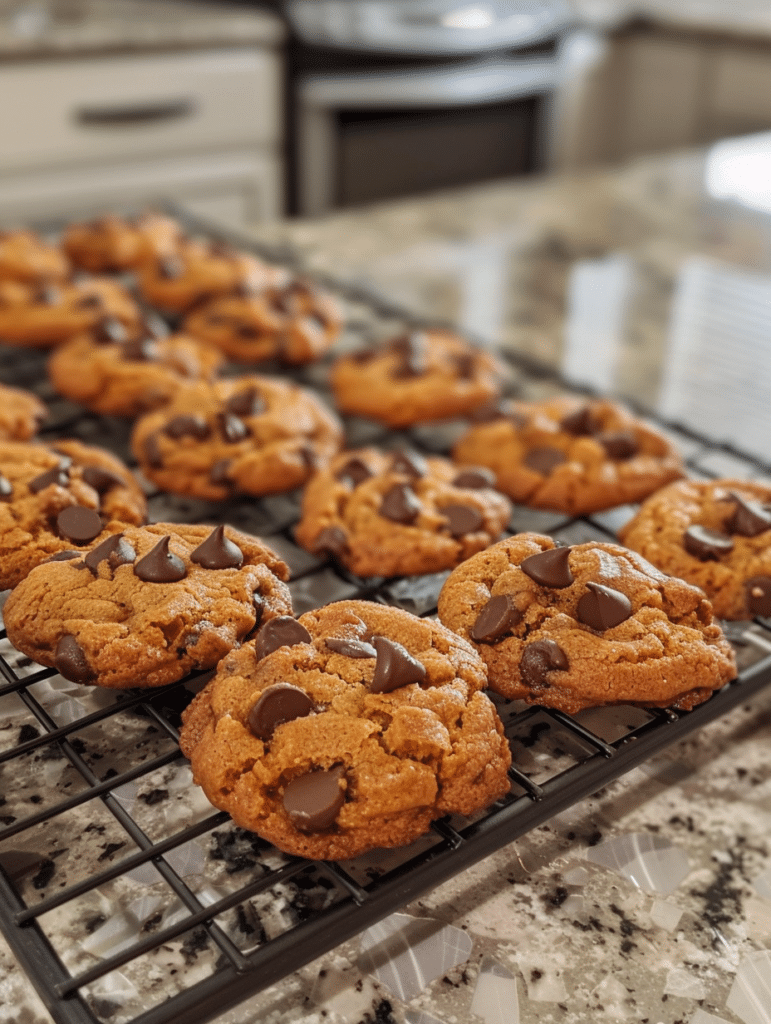
Serving Suggestions and Pairings
These sweet potato cookies shine in multiple contexts. Serve them as an after-school snack with cold milk or hot cider during autumn months. For afternoon tea or coffee service, plate them on a tiered stand alongside shortbread and lemon bars to create a bakery-style presentation. They pair beautifully with chai tea, which echoes their warm spice profile without competing for flavor.
For holiday gatherings, package sweet potato cookies in kraft paper and tie with twine to give as gifts. Friends and family appreciate homemade treats, and these cookies stay fresh enough to mail when properly wrapped. Include a note mentioning they keep well for 5-7 days at room temperature.
Consider these specific occasions: Thanksgiving dessert buffets, fall bake sales, Halloween trick-or-treat alternatives, Friendsgiving potlucks, autumn wedding favors, and seasonal farmers market baked goods displays. The cookies also work beautifully as part of a Thanksgiving pie-inspired menu—serve them alongside spiced pumpkin bread and apple cider donuts.
For brunch settings, pair sweet potato cookies with fresh fruit, yogurt, and granola. The cookies’ subtle sweetness won’t overwhelm morning palates and provide a satisfying contrast to tart berries. Try them alongside [The Best Pumpkin Bread Recipe for Fall Baking](link) or [Cinnamon Roll Techniques Everyone Should Know](link) for comprehensive fall baking knowledge.
Storage and Reheating
| Storage Method | Duration | Instructions |
|---|---|---|
| Room temperature in airtight container | 5-7 days | Cool cookies completely, then place in an airtight container or resealable bag with parchment between layers. Store away from direct sunlight and heat sources. |
| Refrigerator in airtight container | 10-12 days | Stack cookies with parchment between layers in a sealed glass container. Cold temperatures slow staling and preserve freshness longer than room temperature. |
| Freezer in resealable bag with parchment | 3 months | Cool completely, wrap individually in plastic wrap, then place in a freezer bag. Remove air and label with date. Thaw at room temperature for 2 hours before serving. |
| Freezer as unbaked dough balls | 2 months | Scoop dough onto a tray, freeze for 4 hours until solid, then transfer to a freezer bag. Bake directly from frozen, adding 2-3 minutes to bake time. |
| Reheating oven method | N/A | Place cookies on a baking sheet and warm in a 300°F oven for 5-7 minutes until heated through. This revives moisture and restores softness without drying. |
| Reheating microwave method | N/A | Place one cookie on a microwave-safe plate and heat for 15-20 seconds. Microwave can dry cookies, so use sparingly and only for single servings. |
Nutritional Information
Approximate values per cookie (based on 24 cookies per batch, no optional toppings).
| Nutrient | Amount per Serving |
|---|---|
| Calories | 145 |
| Total Fat | 6g |
| Saturated Fat | 3.5g |
| Cholesterol | 18mg |
| Sodium | 165mg |
| Total Carbohydrates | 21g |
| Dietary Fiber | 0.8g |
| Total Sugar | 13g |
| Protein | 1.5g |
| Vitamin A | 110% Daily Value |
Frequently Asked Questions
Can I substitute canned pumpkin puree for sweet potato in these cookies?
Canned pumpkin puree works as a direct substitute in equal amounts, though cookies will taste slightly earthier and less sweet. Reduce granulated sugar by 1 tablespoon since pumpkin has different moisture and sweetness levels than sweet potato. The texture remains equally tender if you follow baking time guidance carefully.
How do I know when sweet potato cookies are fully baked?
Sweet potato cookies are done when the edges turn light golden brown and the centers feel just slightly firm when touched gently with your fingertip. The tops should look set but not dry. Remove them from the oven even if centers seem slightly soft—they continue cooking from residual heat during the 5-minute cooling period on the baking sheet.
Why are my sweet potato cookies turning out cakey instead of chewy?
Cakey texture results from overmixing after flour is added, which develops gluten and creates a tight crumb structure. Fold dry ingredients gently and stop mixing as soon as no white flour streaks remain. Additionally, ensure you’re not overbaking—cookies baked beyond 15 minutes lose moisture and become more cake-like.
Can I prepare the dough ahead of time for sweet potato cookies?
Yes, prepared dough can be refrigerated in an airtight container for up to 2 days before baking. The cold dough spreads less and bakes slightly thicker than room temperature dough. Bring the dough to room temperature for 30 minutes before scooping and baking for consistent results.
What makes sweet potato cookies different from pumpkin cookies in flavor?
Sweet potato cookies taste sweeter, more buttery, and have a natural earthiness that pumpkin lacks. While both contain warm spices, sweet potatoes provide a starchy richness that creates a denser, more substantial cookie. Pumpkin cookies tend to be lighter and more delicate by comparison.
How should I serve leftover sweet potato cookies at a holiday gathering?
Arrange cookies on a wooden board alongside fresh cranberries, candied nuts, and small bowls of cinnamon sugar and sea salt for guests to sprinkle as desired. Warm cookies briefly in a 300°F oven for 5 minutes to enhance their spiced aroma and restore softness. Serve with hot apple cider or chai tea for a complete autumn experience.
Conclusion
Sweet potato cookies offer a sophisticated spin on classic autumn baking, delivering warmth and comfort through simple, quality ingredients. My years of testing in Portland kitchens taught me that these cookies reward attention to technique—gentle folding, proper temperature, and respect for sweet potato’s delicate nature. Whether you’re making them for the first time or refining your family recipe, this guide provides the expertise needed for consistent success. Bake your next batch, embrace the warm spice aroma filling your kitchen, and enjoy the subtle sweetness that makes this recipe special.
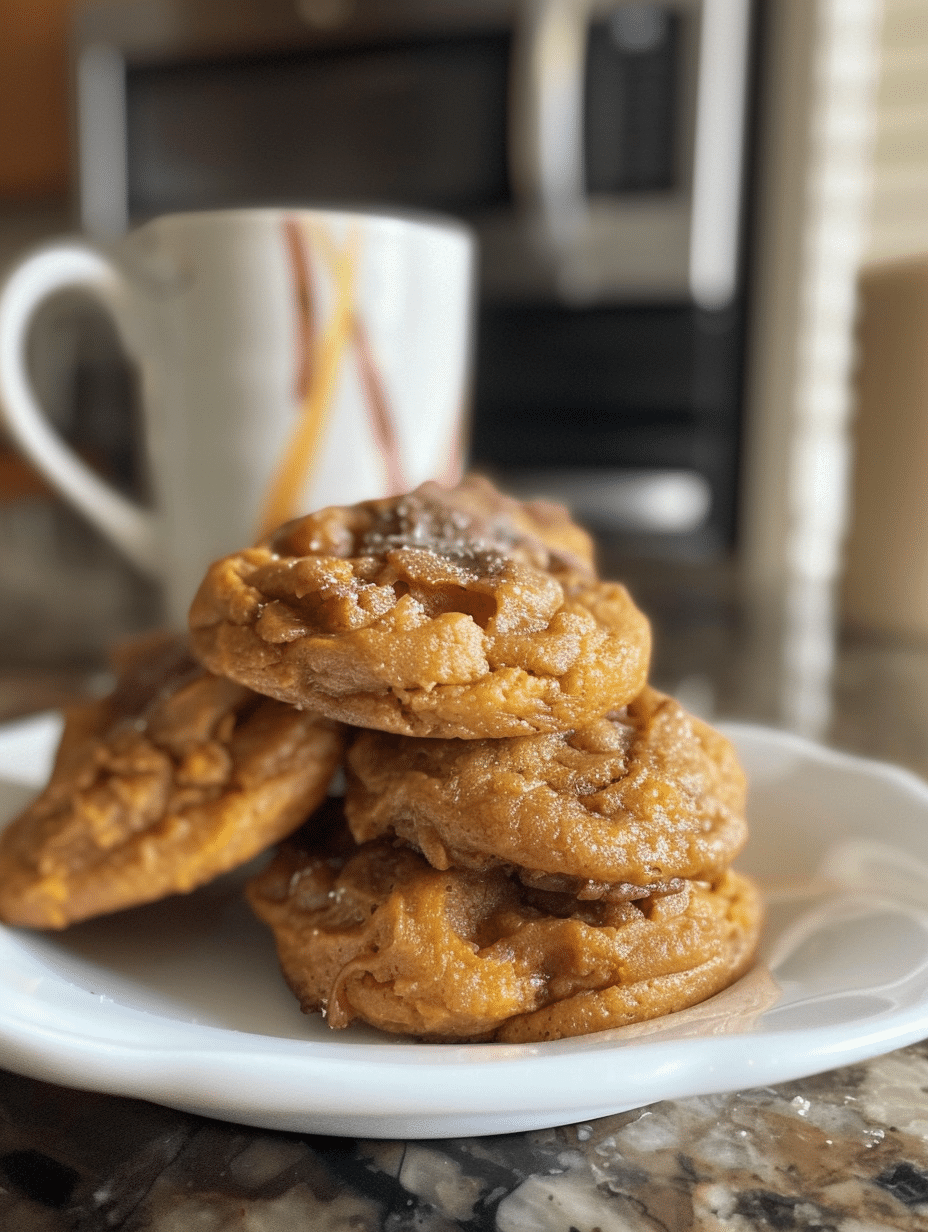
Sweet Potato Cookies
Equipment
- mixing bowls
- electric mixer
- rubber spatula
- baking sheets
- parchment paper
- wire cooling rack
- cookie scoop 2-tablespoon size recommended
Ingredients
- 1 cup sweet potato puree
- 2 cups all-purpose flour
- 1/2 cup unsalted butter, softened
- 3/4 cup granulated sugar
- 1/2 cup packed brown sugar
- 1 large egg
- 1 1/2 tsp vanilla extract
- 1 tsp ground cinnamon
- 1/2 tsp ground nutmeg
- 1/4 tsp ground clove
- 1 1/2 tsp baking powder
- 1/2 tsp sea salt
- 2 tbsp cinnamon sugar topping (optional)
Instructions
- Preheat oven to 350°F and line two baking sheets with parchment paper.
- If using fresh sweet potatoes, roast and puree until smooth before measuring.
- Sift together flour, baking powder, cinnamon, nutmeg, clove, and salt in a medium bowl.
- Cream softened butter and granulated sugar together until light and fluffy.
- Add brown sugar and continue mixing until fully combined.
- Add the egg and vanilla extract and mix until smooth.
- Add sweet potato puree and mix until fully incorporated.
- Fold the dry ingredients into the wet mixture in three additions until no flour streaks remain.
- Scoop dough onto prepared baking sheets about 2 inches apart.
- Sprinkle cinnamon sugar topping over the dough if desired.
- Bake for 12–14 minutes until edges are set and centers are slightly soft.
- Cool cookies on the baking sheet for 5 minutes before transferring to a wire rack.
- Allow cookies to cool completely before serving or storing.
