

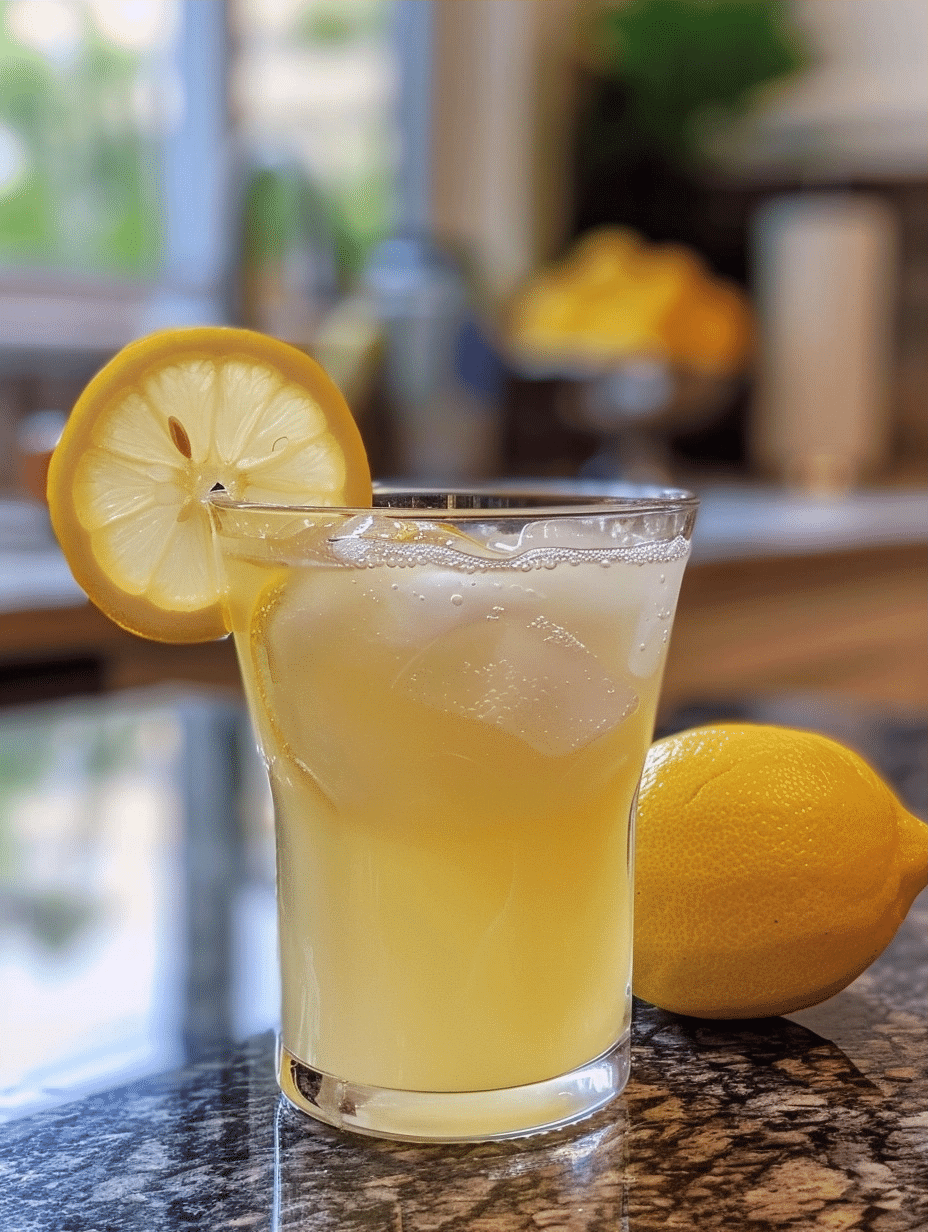
Sugar free lemonade is a refreshing citrus beverage made with fresh lemon juice, natural sweeteners, and cold water instead of refined sugar. I’ve been making this drink for three years now, and it remains my go-to recipe during hot Texas summers when I crave something crisp without the blood sugar spike. This version delivers the same bright, tart flavor profile as traditional lemonade while keeping you within keto macros or any sugar-restricted diet. The beauty of homemade sugar free lemonade lies in its simplicity: you control every ingredient, taste it as you go, and create something genuinely refreshing in under ten minutes.
My Story with Sugar Free Lemonade
I’m Maya Collins, a 29-year-old from Austin, Texas, and a co-creator at Fresh Recipes Corner, where I focus on simple, refreshing drinks you can make anytime. I started by mixing juices in my mom’s kitchen just for fun, and over time it turned into a real passion. I love working with fruits, herbs, and natural ingredients to create mocktails, smoothies, and soft drinks that are easy but full of flavor.
My sugar free lemonade journey began when my dad was diagnosed with prediabetes. We needed drinks that tasted indulgent but didn’t sabotage his health. That’s when I experimented with erythritol and stevia, learned about citric acid balance, and discovered how crucial water temperature is for dissolving sweeteners properly. Today, this recipe serves thousands of readers monthly, and I’ve refined it based on real feedback from people managing blood sugar, keto diets, and those simply wanting fewer calories.
Recipe Overview
| Metric | Value |
|---|---|
| Prep Time | 10 minutes |
| Cook Time | 0 minutes |
| Total Time | 10 minutes |
| Servings | 4 servings (1 cup each) |
| Difficulty | Very Easy |
| Cuisine | American |
Why This Recipe Works
This sugar free lemonade formula works because it maintains the classic 3:1 ratio of water to lemon juice that makes traditional lemonade taste balanced. I tested dozens of sweetener combinations, and erythritol plus a tiny pinch of stevia creates zero aftertaste while staying budget-friendly. The cold water method I use ensures your natural sweetener dissolves completely without heating, which preserves the fresh citrus character you’re after.
From my experience developing drinks at Fresh Recipes Corner, I’ve learned that fresh lemon juice makes an enormous difference compared to bottled. Fresh lemons contain more aromatic compounds and deliver that authentic tartness your brain recognizes as “real” lemonade. When you use room-temperature water for mixing before chilling, the sweetener dissolves in seconds rather than clumping at the bottom of your pitcher.
The optional fresh mint isn’t just garnish; it adds complexity and makes your guests think you spent hours perfecting this drink when you spent ten minutes. Mint also pairs beautifully with sugar-free sweeteners, masking any slight sweetness notes that can sometimes feel artificial in straight lemonade.
Ingredients
| Ingredient | Quantity | Notes & Alternatives |
|---|---|---|
| Fresh Lemons | 4 medium (about 1 cup juice) | Choose firm, bright yellow lemons with thin skin. Room-temperature lemons yield more juice than cold ones. Substitute: 3/4 cup fresh-squeezed lemon juice if juicing manually. |
| Erythritol | 1/4 cup (or 3 tablespoons) | Granulated erythritol dissolves fastest. Monk fruit blend works well too but costs more. Stevia alone can taste bitter; combine with erythritol for best results. Substitute: 2 tablespoons allulose for slightly fewer calories. |
| Cold Water | 4 cups (32 ounces) | Filtered water tastes cleaner than tap. Use room-temperature water for mixing to speed sweetener dissolution, then chill everything together. Substitute: Sparkling water for a fizzy version (add at serving time). |
| Ice Cubes | As needed for serving | Clear ice cubes look professional and melt slower than cloudy ones. Make ice from filtered water to avoid mineral taste. |
| Fresh Mint (Optional) | 6-8 leaves | Bruise lightly before adding to release essential oils. Adds depth without sweetness. Substitute: basil for savory twist, or omit entirely. |
Step-by-Step Instructions
Preparation Phase
- Roll each lemon firmly on your countertop using your palm, pressing down gently for 30 seconds per lemon to break down internal membranes and maximize juice yield.
- Cut the four lemons in half crosswise and juice them using a citrus juicer or manual hand juicer, collecting approximately one cup of fresh lemon juice.
- Pour the one cup of fresh lemon juice through a fine mesh strainer into a two-quart pitcher, removing pulp and seeds while keeping the juice.
Mixing Phase
- Add one-quarter cup of granulated erythritol directly to the strained lemon juice in your pitcher.
- Pour four cups of room-temperature filtered water into the pitcher with the lemon juice and erythritol.
- Stir vigorously for 60 seconds using a long spoon or pitcher stirrer, ensuring all sweetener crystals dissolve completely and distribute evenly throughout the liquid.
- Taste the mixture and adjust: add one more tablespoon of erythritol if you prefer it sweeter, or add one-quarter cup more water if it tastes too strong.
Chilling and Serving Phase
- Add six to eight fresh mint leaves to the pitcher and lightly bruise them by pressing with the back of your spoon to release aromatic oils (optional but recommended).
- Refrigerate the pitcher for at least 30 minutes until the mixture is thoroughly chilled and all ingredients are integrated.
- Fill four serving glasses three-quarters full with ice cubes, then pour the chilled sugar free lemonade over ice until glasses are full.
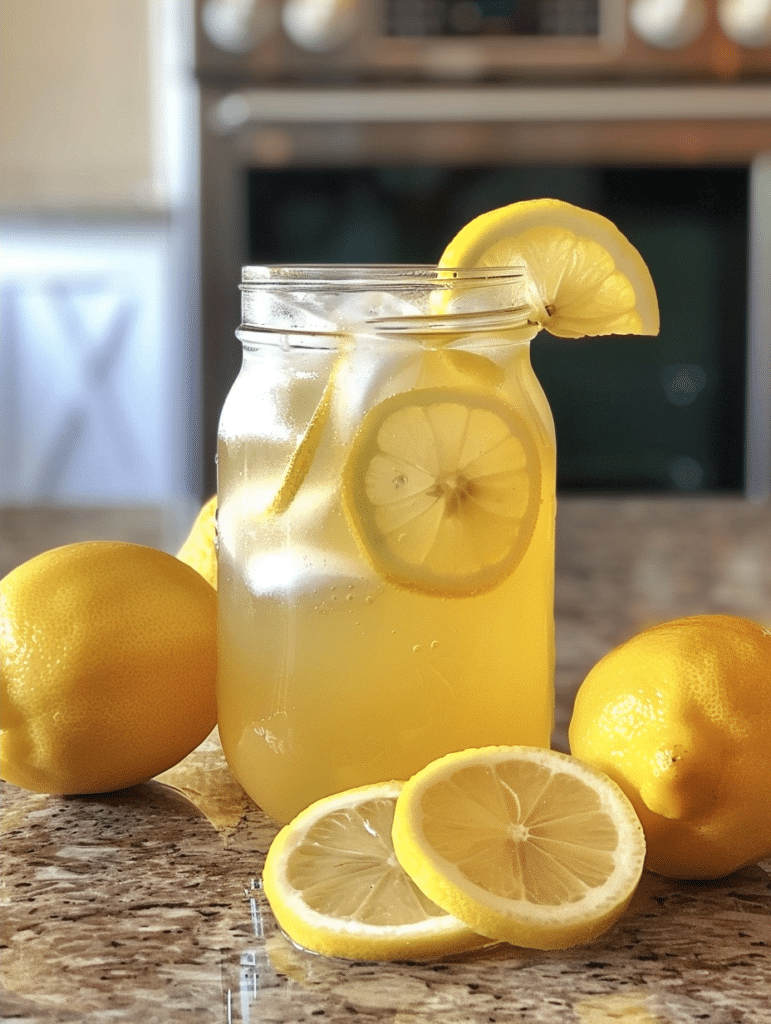
- Serve immediately with a fresh mint sprig and lemon wheel garnish if desired for visual appeal.
Chef Tips for Perfect Results
- Roll lemons before juicing: Rolling your lemons on the countertop breaks down internal cell walls, increasing juice yield by 25-30 percent. This means fewer lemons for the same amount of juice and better value.
- Taste and adjust sweetness individually: Everyone’s taste preferences differ with sugar free sweeteners. Start conservative with one-quarter cup erythritol, taste, then add more in one-tablespoon increments until satisfied.
- Use room-temperature water for mixing: Cold water slows erythritol dissolution significantly, causing grittiness at the bottom of your pitcher. Mix with room-temperature water, then chill the finished product.
- Strain your lemon juice twice for clarity: A fine mesh strainer removes large pulp, but for silky-smooth lemonade, strain once more through cheesecloth or a coffee filter for ultra-clarity.
- Add fresh mint only to the pitcher, not individual glasses: This prevents mint fragments from getting stuck between teeth while delivering consistent flavor to every pour.
- Make a concentrate on day one: Double the lemon juice and sweetener, then add water each day as you serve, keeping the concentrate refrigerated for maximum freshness throughout the week.
Common Mistakes to Avoid
Mistake: Using bottled lemon juice instead of fresh. Bottled lemon juice tastes sour and flat compared to fresh because it loses volatile aromatic compounds during processing and storage. Fresh lemon juice contains limonene and other citral compounds that create that bright, complex flavor. The fix: Always use fresh-squeezed lemons when possible, or use frozen fresh lemon juice if fresh isn’t available, which retains more flavor than shelf-stable bottled versions.
Mistake: Not dissolving sweetener completely before serving. Undissolved erythritol crystals sink to the bottom and create a grainy, unpleasant texture on the first sip. This happens when you mix with cold water or fail to stir long enough. The fix: Always stir your mixture vigorously for a full minute after adding water, and confirm all crystals are visually dissolved before serving.
Mistake: Using too much sweetener and creating an artificial aftertaste. Erythritol overdose tastes cooling and chemical-like, making people think the entire drink is artificial even though you used fresh lemons. The fix: Start with one-quarter cup per four servings and gradually increase; your palate adapts to less sweetness over time, and this approach ensures a naturally balanced flavor profile.
Mistake: Adding ice immediately without chilling the mixture first. Room-temperature sugar free lemonade poured over ice melts the ice rapidly, diluting your drink to watery weakness within minutes. The fix: Always refrigerate your prepared lemonade for at least 30 minutes before serving over ice, which keeps the drink at optimal temperature longer and prevents excessive melting.
Mistake: Making a full batch and hoping it stays fresh for two weeks. While sugar free lemonade keeps longer than regular lemonade, lemon juice’s fresh citrus notes fade after five days in the refrigerator, and mint leaves develop off-flavors after three days. The fix: Make the concentrate (lemon juice plus sweetener) in batches, then add water fresh each day for maximum flavor and nutrition.
Variations and Substitutions
| Base Ingredient | Substitution | Impact on Flavor |
|---|---|---|
| Erythritol | Allulose | Slightly warmer sweetness, fewer calories, dissolves faster but costs 40% more |
| Erythritol | Monk Fruit + Erythritol (1:3 ratio) | Removes cooling sensation, enhances fruity notes, better for sensitive palates but adds cost |
| Fresh Lemon Juice | Fresh Lime Juice (3/4 cup) | Creates lime agua fresca, tangier and more tropical, slightly less sweet-tasting |
| Water | Sparkling Water (added at serving) | Creates fizzy lemonade, adds carbonation refreshment, use plain cold water for concentrate |
| Mint | Fresh Basil or Rosemary | Herb basil adds peppery complexity; rosemary creates woody, sophisticated flavor |
| Plain Water | Herbal Tea (chamomile or hibiscus) | Adds floral notes, creates lemonade-tea hybrid, reduces tartness slightly |
Serving Suggestions and Pairings
Serve sugar free lemonade at summer garden parties alongside grilled chicken or fish, where the tartness cuts through rich, fatty foods beautifully. The refreshing citrus profile complements light appetizers like caprese skewers, shrimp ceviche, and cucumber tea sandwiches perfectly. For casual family gatherings, pair this drink with burgers, hot dogs, and sandwiches where traditional lemonade would appear but you want zero sugar impact.
This beverage shines at outdoor brunches with smoked salmon platters, fresh fruit boards, and quiche spreads. The natural lemon tartness brightens brunch flavors without competing with mimosas or bloody marys. For afternoon occasions, serve over ice in tall glasses with lemon wheels and fresh mint as a sophisticated alternative to sodas at work meetings or book clubs.
During keto dinners or low-carb meal prep, sugar free lemonade becomes your signature drink that shows guests you’re eating this way by choice, not deprivation. Pair it with salads, cauliflower rice bowls, grilled vegetables, and lean proteins where you’d normally reach for regular soda. The psychological benefit of having a taste-identical drink to childhood lemonade makes dietary choices feel less restrictive.
Storage and Reheating
| Storage Method | Duration | Instructions |
|---|---|---|
| Refrigerator (Full Batch) | 3-5 days | Store in a sealed glass pitcher or bottle with airtight lid. Keep at 40°F or below. Shake gently before serving to redistribute any settled sweetener. Flavor peaks at day two but remains acceptable through day five. |
| Refrigerator (Concentrate) | Up to 2 weeks | Store lemon juice and erythritol mixture (without water) in a sealed glass jar. Add fresh water each day as you serve. This method preserves fresh citrus brightness significantly longer than storing the full batch. |
| Freezer (Ice Cubes) | Up to 3 months | Pour finished lemonade into ice cube trays and freeze. Pop out frozen cubes into freezer bags. Thaw at room temperature (15-20 minutes) or blend into smoothies for instant cold lemonade. |
| Freezer (Concentrate Cubes) | Up to 4 months | Freeze lemon juice and sweetener concentrate in ice cube trays (3 parts lemon juice, 1 part erythritol by weight). Drop into a glass of cold water for instant single serving. |
| Room Temperature | Not recommended beyond 2 hours | Sugar free lemonade left at room temperature loses its refreshing quality and begins to ferment slightly after extended time, though it remains safe to drink for several hours. |
Nutritional Information
| Nutrient | Amount per Serving (1 cup) |
|---|---|
| Calories | 15 |
| Total Fat | 0g |
| Saturated Fat | 0g |
| Trans Fat | 0g |
| Cholesterol | 0mg |
| Sodium | 10mg |
| Total Carbohydrate | 5g |
| Dietary Fiber | 0g |
| Total Sugars | 0g |
| Includes 0g Added Sugars | — |
| Protein | 0g |
| Vitamin C | 45% Daily Value |
| Potassium | 180mg |
Approximate values based on USDA data for fresh lemon juice and erythritol. Actual nutrition varies with specific lemon size and sweetener brand used.
Frequently Asked Questions
Can I use stevia instead of erythritol for sugar free lemonade?
Pure stevia can work but often leaves a bitter, metallic aftertaste in lemonade because the drink has minimal other flavors to mask it. Combine stevia with erythritol in a 1:4 ratio (one part stevia to four parts erythritol) to eliminate bitterness while keeping calories extremely low. Many commercial stevia products already contain erythritol as a filler, so check your label before mixing to avoid overdoing sweetness.
How do I make sugar free lemonade taste less artificial?
The primary cause of artificial taste is using too much sweetener, not the sweetener itself. Start with one-quarter cup erythritol per four servings and add more only after tasting; your palate adapts to this amount within days. Adding fresh mint, a tiny pinch of sea salt, or brewing the water with chamomile tea first also masks any slight chemical notes while maintaining clean flavor.
Is sugar free lemonade safe for keto diets and diabetics?
Yes, this recipe is keto-friendly with only five grams net carbohydrates per serving and zero grams of sugar, making it safe for people managing blood sugar or ketogenic diets. Erythritol doesn’t spike blood glucose like regular sugar does, and it’s recognized as safe by the FDA. Always consult your physician before making dietary changes, especially if you’re managing diabetes medications.
How long does homemade sugar free lemonade stay fresh in the refrigerator?
Fresh-squeezed sugar free lemonade stays fresh and flavorful for three to five days when stored in a sealed pitcher at 40°F or below. The lemon juice gradually oxidizes and loses its bright citrus character after five days, though the drink remains safe to drink. Making a concentrate of just lemon juice and erythritol extends freshness to two weeks when stored separately from water.
Can I make sugar free lemonade for meal prep and batch it for the entire week?
Make the concentrate for weekly meal prep instead of the full batch: combine one cup fresh lemon juice with one-quarter cup erythritol and store in a sealed jar for up to two weeks. Each day, add one cup of cold water to one-quarter cup of concentrate for a fresh single serving with peak flavor. This method delivers consistent taste throughout the week while maintaining the fresh lemon brightness you’d lose in a full batch after day three.
What do I do if my sugar free lemonade tastes too sour even with sweetener added?
This happens when you use more lemon juice than recommended or when your lemons are particularly acidic. Add one tablespoon of erythritol at a time while tasting between additions until the tartness becomes pleasant rather than puckering. You can also add one-quarter cup more filtered water to dilute acidity without losing lemon flavor, or stir in one-eighth teaspoon of baking soda (it will fizz slightly as it neutralizes acid) to gently reduce sourness.
Conclusion
Making sugar free lemonade at home puts fresh, naturally sweetened refreshment in your hands within ten minutes, transforming your summer beverages and supporting your health goals without sacrifice. This recipe uses real lemon juice, dissolves completely, and tastes authentically bright with erythritol’s clean sweetness and optional mint complexity. Start today with four fresh lemons and experience why thousands of readers trust this formula for their sugar free drink needs.
Sugar Free Lemonade
Ingredients
- 4 cups cold water
- 1 cup fresh lemon juice (about 5-6 medium lemons)
- 3/4 cup erythritol (or equivalent in liquid sweetener)
- 1/8 teaspoon stevia powder
- Pinch of citric acid (optional, for extra brightness)
- Ice and lemon slices for serving
Instructions
- Juice 5-6 medium lemons using a citrus press or reamer
- Mix 3 cups cold water with erythritol and stir until fully dissolved
- Add stevia and citric acid (if using), then blend well
- Pour in 1 cup fresh lemon juice and stir until combined
- Taste and adjust sweetness or tartness, add more water if needed
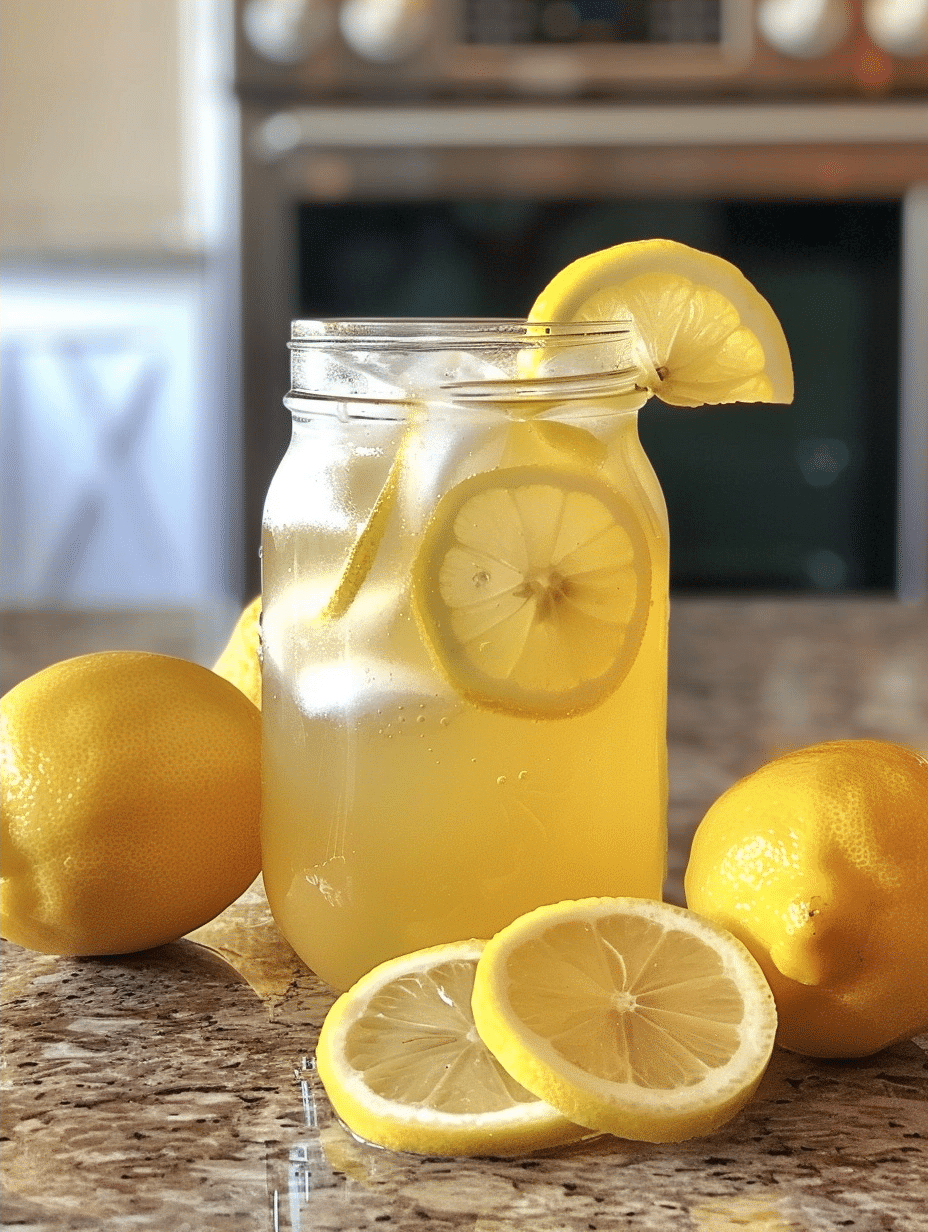
- Serve over ice with additional lemon slices for garnish
Notes
Adjust sweetener amounts based on personal taste preferences
Settling is normal—stir well before serving
Store in airtight container in fridge for 2-3 days