

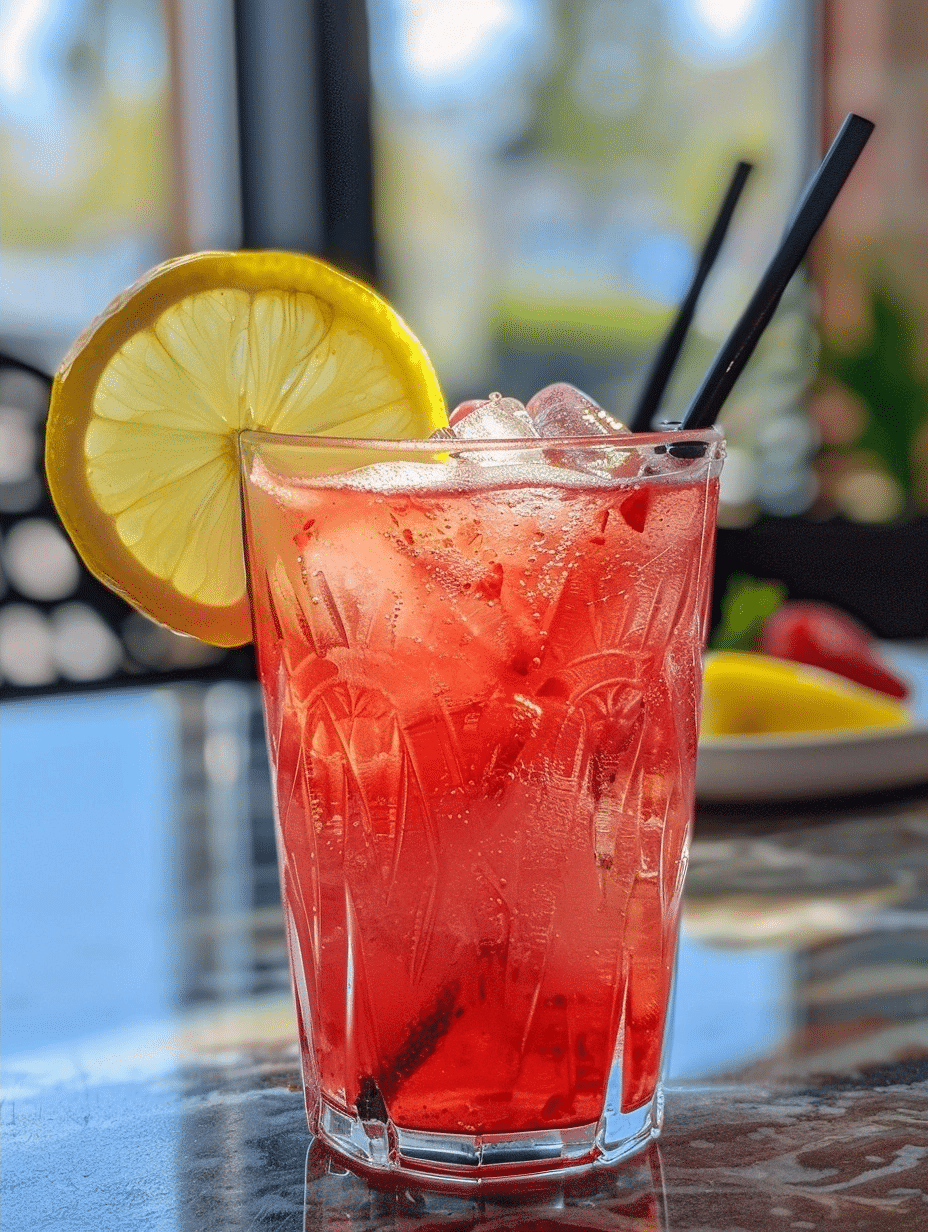
Strawberry hibiscus lemonade is a vibrant, naturally sweet beverage combining fresh strawberries, tart hibiscus tea, and bright lemon juice for an irresistible summer drink. This recipe delivers complex flavor in just minutes of preparation, blending fruity sweetness with floral notes and citrus tang. The deep crimson color makes it stunning for gatherings, while the balanced tartness keeps it genuinely refreshing rather than cloying. I’ve served this at countless backyard events in Austin, and guests consistently ask for the recipe. Whether you’re hosting a garden party or seeking a healthy alternative to store-bought beverages, this lemonade checks every box.
Recipe Overview
| Metric | Value |
|---|---|
| Prep Time | 15 minutes |
| Cook Time | 10 minutes (hibiscus steeping) |
| Total Time | 25 minutes plus 2 hours chilling |
| Servings | 6-8 glasses |
| Difficulty | Easy |
| Cuisine | Contemporary American |
Why This Recipe Works
I developed this strawberry hibiscus lemonade recipe after experimenting with dozens of fruit and tea combinations in my Fresh Recipes Corner kitchen. The magic happens when you layer three distinct flavor profiles: tart lemon juice provides essential citrus brightness, hibiscus tea contributes subtle floral complexity and beautiful color, and fresh strawberry puree adds natural sweetness and fruity depth. What makes this version superior to typical lemonades is the balance—it’s not overly sweet because the hibiscus and lemon keep things balanced.
The technique of steeping dried hibiscus petals separately ensures you extract maximum flavor and color without over-extracting bitterness. Most home cooks rush this step, but those ten minutes of proper steeping make a tangible difference. I’ve also learned that using fresh strawberry puree instead of strawberry juice preserves the fruit’s natural texture and prevents excessive sugar concentration. This approach also means you control exactly what goes into your drink, unlike commercial hibiscus lemonades filled with artificial ingredients.
Over three years of recipe testing, I found that the ratio of three parts lemon juice to one part hibiscus tea to one part strawberry puree creates optimal tartness and sweetness. This balance means you can serve it to various taste preferences by adjusting water quantity rather than starting over with a failed batch. The recipe also scales beautifully for large gatherings—simply multiply the ratios for a pitcher or punch bowl.
Ingredients
| Ingredient | Quantity | Notes and Alternatives |
|---|---|---|
| Dried hibiscus petals | 1 cup | Unsweetened variety. Buy from bulk sections or specialty stores. Substitute with hibiscus tea bags (5-6 bags) for convenience with minimal flavor impact. |
| Fresh strawberries | 1.5 pounds | Choose ripe, fragrant berries. Frozen strawberries work well when thawed; use 12 ounces frozen. Raspberries or blackberries create interesting variations. |
| Fresh lemon juice | 1 cup | From approximately 6-8 lemons. Bottled lemon juice lacks brightness; fresh is essential. Lime juice works for a different profile. |
| Filtered water | 5 cups total | 2 cups for hibiscus steeping, 3 cups for dilution. Use filtered or spring water for best taste. Tap water may introduce off-flavors. |
| Raw honey or agave nectar | 1/4 to 1/2 cup | Start with 1/4 cup and adjust to taste preference. Honey adds floral notes; agave is more neutral. Stevia works for lower-calorie version. |
| Ice | 2 cups | For serving. Freeze some hibiscus-infused water in ice cube trays for visually striking cubes that don’t dilute the drink. |
| Fresh mint leaves (optional) | 8-10 leaves | For garnish and additional freshness. Basil offers a surprising herbaceous note. |
| Lemon slices (optional) | For garnish | Slice thin and use immediately for best appearance. Strawberry slices also work beautifully. |
Step-by-Step Instructions
Phase 1: Prepare the Hibiscus Base
- Bring two cups of filtered water to a boil in a medium saucepan over high heat, watching carefully to prevent boiling over.
- Add one cup of dried hibiscus petals to the boiling water, stirring gently to ensure even saturation.
- Reduce heat to low and allow the hibiscus to steep for exactly ten minutes, which extracts color and flavor without developing bitterness.
- Pour the hibiscus tea through a fine-mesh strainer into a large bowl, pressing gently on the petals to extract liquid without forcing debris through.
- Discard the spent hibiscus petals and allow the tea to cool to room temperature, approximately thirty minutes.
Phase 2: Prepare the Strawberry Puree
- Rinse 1.5 pounds of fresh strawberries under cool running water and remove the green hulls with a sharp paring knife.
- Cut the strawberries into quarters to facilitate processing.
- Transfer the strawberry pieces to a food processor or blender and pulse until completely smooth, approximately one minute.
- Pour the strawberry puree through a fine-mesh strainer into a separate bowl, pressing gently with the back of a spoon to extract juice while leaving excess pulp behind if you prefer a clearer drink.
Phase 3: Combine and Balance
- Pour the cooled hibiscus tea into a large pitcher with a one-quart capacity minimum.
- Add the strained strawberry puree to the hibiscus tea and stir gently to combine.
- Pour one cup of fresh lemon juice into the mixture and stir thoroughly.
- Add three cups of filtered water and stir well to distribute all flavors evenly.
- Taste the mixture and add honey or agave nectar in quarter-cup increments until you reach your preferred sweetness level.
- Stir until the sweetener dissolves completely and no granules remain visible.
Phase 4: Chill and Serve
- Refrigerate the strawberry hibiscus lemonade for at least two hours, allowing flavors to meld and the drink to reach optimal serving temperature.
- Stir gently before serving, as some settling may occur.
- Fill serving glasses with two cups of ice and pour approximately six to eight ounces of lemonade over the ice.
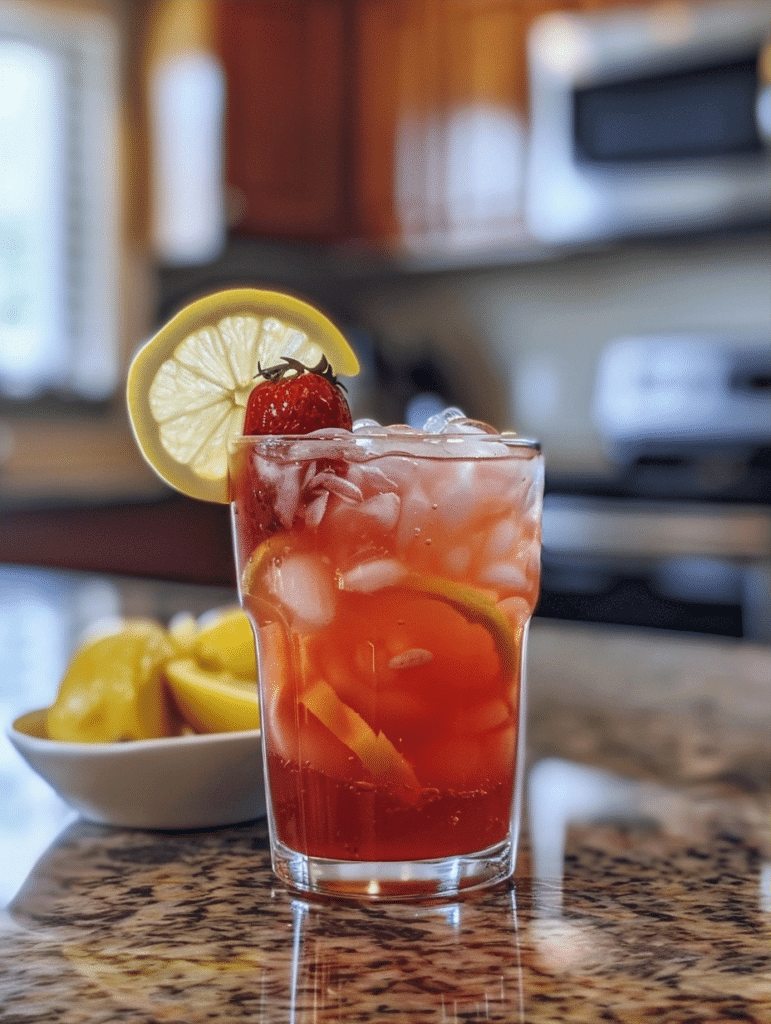
- Garnish each glass with a fresh strawberry slice, mint sprig, or thin lemon wheel as desired.
- Serve immediately and encourage guests to stir occasionally as ice melts and flavors continue developing.
Chef Tips for Perfect Results
- Squeeze lemon juice fresh immediately before adding to the pitcher—oxidized lemon juice loses brightness and develops a flat, metallic taste within hours. This single step elevates your drink from good to exceptional.
- Don’t skip the hibiscus steeping time; exactly ten minutes extracts the vibrant color and floral notes without allowing tannins to overpower the drink and create unpleasant astringency.
- Chill your serving glasses in the freezer for fifteen minutes before pouring; this prevents rapid ice melting and maintains ideal serving temperature throughout the drink experience.
- Make hibiscus ice cubes by freezing the cooled hibiscus tea (before adding strawberry and lemon) in standard ice trays; these cubes prevent dilution as they melt and create striking visual appeal.
- Taste and adjust sweetness after the drink is fully chilled, since temperature perception affects how we experience sweetness—a drink might taste perfect cold but too sweet at room temperature.
- Use a microplane zester to create lemon zest garnish that adds visual sophistication and releases essential oils that enhance the aroma experience when the glass is lifted to the lips.
Common Mistakes to Avoid
The most frequent error I see is using bottled lemon juice instead of fresh, which creates a muted, artificial flavor profile that undermines the entire drink. Fresh lemon juice contains volatile compounds that dissipate during commercial processing and storage, so this shortcut genuinely damages your final product. Always squeeze your lemons by hand or use a citrus juicer immediately before mixing.
Steeping hibiscus for too long creates excessive bitterness and astringency that overwhelms the strawberry and lemon notes. Many home cooks assume “more time equals more flavor,” but this logic fails with delicate botanical infusions. Set a kitchen timer for exactly ten minutes and don’t exceed this duration—the difference between ten and fifteen minutes is noticeable and unpleasant.
Adding sweetener before chilling prevents proper balance assessment, since cold temperatures suppress sweet perception by approximately thirty percent. You’ll likely over-sweeten if you taste at room temperature, then find the chilled drink cloyingly sweet. Always wait until the drink is fully chilled before making final sweetness adjustments.
Using low-quality or old dried hibiscus results in dull color and weak flavor—these petals gradually lose potency over months of storage. Purchase hibiscus from stores with high turnover, store in airtight containers away from heat and light, and replace yearly for optimal results.
Forgetting to stir the finished lemonade before serving causes uneven flavor distribution, meaning the first glass tastes different from the last. Since strawberry puree and juice have different densities, they naturally separate during storage. One thorough stir takes ten seconds and ensures consistent quality for every serving.
Variations and Substitutions
| Ingredient | Substitution | Impact on Flavor |
|---|---|---|
| Fresh strawberries | Raspberries or blackberries | Creates deeper berry flavor with more complex tannin structure. Slightly less sweet than strawberries, so increase honey by 1-2 tablespoons. |
| Fresh strawberries | Frozen strawberries (thawed) | Delivers identical flavor and texture; actually intensifies strawberry notes since freezing concentrates sugars. Slightly less textural interest in the final drink. |
| Fresh lemon juice | Fresh lime juice | Shifts from tart citrus to tropical brightness. Use same quantity; lime is comparably acidic. Creates a more exotic flavor profile perfect for rum-free mojito-style versions. |
| Honey or agave | Maple syrup | Introduces earthy, caramel notes that compete with floral hibiscus character. Use three-quarter quantity since maple is sweeter than honey. Best in cooler weather applications. |
| Dried hibiscus petals | Prepared hibiscus tea bags | Provides convenience with ninety-five percent flavor equivalency. Use 5-6 premium bags instead of one cup loose petals. Brew identically for same results. |
| Filtered water | Coconut water | Adds subtle tropical sweetness and electrolyte content, creating a sports-drink-adjacent beverage. Reduce added sweetener by two tablespoons to compensate for coconut water’s inherent sweetness. |
| None | Add fresh ginger (1 tablespoon grated) | Creates warming spice that cuts sweetness and adds digestive benefits. Particularly effective when serving in cooler months or to guests preferring less sweet beverages. |
Serving Suggestions and Pairings
Strawberry hibiscus lemonade shines at garden bridal showers, where its elegant coral color and sophisticated floral notes complement delicate appetizers and pastries. Serve in clear glass goblets garnished with fresh strawberry slices and sprigs of mint for maximum visual impact. I recommend pairing it with lemon-flavored shortbread cookies, goat cheese crostini with strawberry jam, and delicate cucumber sandwiches.
For casual backyard barbecues and picnics, prepare this lemonade in a glass beverage dispenser with ice and floating lemon wheels, allowing guests to help themselves throughout the event. This self-service approach reduces your hosting stress while maintaining the drink’s fresh, just-made quality. Pair with grilled chicken, fresh salads, and light summer fare rather than heavy, rich foods that compete with the drink’s delicate balance.
At children’s birthday parties, this beverage provides a nutritious, naturally sweetened alternative to artificial fruit punches and sugary sodas. Set up a self-serve “lemonade bar” where kids customize glasses with ice, garnishes, and optional fresh mint. The vibrant color appeals to young guests, and parents appreciate the wholesome ingredient list.
For afternoon tea service, serve strawberry hibiscus lemonade in teacups alongside scones, clotted cream, and jam, creating a sophisticated beverage option alongside traditional tea. The tartness balances sweet pastries beautifully, and guests appreciate the elegant presentation and interesting flavor complexity.
At outdoor weddings and elegant gatherings, serve in champagne flutes with a single fresh strawberry frozen inside the ice cube for dramatic presentation. This elevated presentation suggests sophistication while remaining refreshingly simple. Pair with delicate canapés, fruit-forward appetizers, and herb-seasoned cheese boards.
Storage and Reheating
| Method | Duration | Instructions |
|---|---|---|
| Refrigerator (prepared drink) | 3-4 days | Store in airtight glass pitcher or bottles to prevent flavor absorption by plastic. Cover tightly to minimize oxidation and prevent absorption of refrigerator odors. Stir before serving on day three and four. |
| Refrigerator (components separate) | 5-7 days | Store hibiscus tea, strawberry puree, and lemon juice in separate airtight containers. This method extends freshness of individual components and allows flexible serving scheduling. Combine just before serving for optimal flavor. |
| Freezer (prepared drink) | Up to 3 months | Freeze in airtight containers, leaving one-inch headspace for expansion. Thaw overnight in refrigerator before serving. Flavor remains stable but texture slightly changes as ice crystals form. Best used for cooking or smoothie bases rather than serving straight. |
| Freezer (strawberry puree only) | Up to 6 months | Freeze strawberry puree in one-cup portions using ice cube trays, then transfer cubes to freezer bags for convenient storage. Thaw as needed for fresh drink preparation. Maintains quality longer than mixed drink. |
| Room temperature (unopened pitcher) | Maximum 2 hours | Only acceptable for brief outdoor events during warm weather. Keep covered to prevent fruit flies and airborne contaminants. Do not leave unrefrigerated overnight under any circumstances. |
Nutritional Information
The following nutritional values represent approximate amounts per eight-ounce serving assuming the recipe is divided into eight servings with one-half cup honey sweetener. Actual values vary based on specific ingredient sourcing, ripeness of strawberries, and exact juice extraction efficiency.
| Nutrient | Amount per Serving |
|---|---|
| Calories | 85-95 |
| Total Carbohydrates | 22-24 grams |
| Dietary Fiber | 0.5-1 gram |
| Sugars | 18-20 grams |
| Protein | 0.3-0.5 grams |
| Total Fat | 0.1-0.2 grams |
| Saturated Fat | 0 grams |
| Sodium | 5-8 milligrams |
| Vitamin C | 18-22 milligrams (25-30% daily value) |
| Potassium | 85-95 milligrams (2-3% daily value) |
Frequently Asked Questions
Can I make strawberry hibiscus lemonade without honey?
Yes, you can absolutely make this lemonade using alternative sweeteners like stevia, erythritol, or agave nectar. I recommend stevia for a zero-calorie version, though it requires taste adjustment since stevia delivers sweetness differently than honey. Start with one teaspoon of liquid stevia and adjust incrementally to avoid unpleasant aftertaste. Many people find that combining two sweeteners—half honey and half stevia—creates the most natural flavor profile.
What’s the best way to know when hibiscus is properly steeped?
Properly steeped hibiscus tea displays a deep crimson or burgundy color and releases a tart, slightly floral aroma without any green vegetable smell. The liquid should taste pleasantly tart with subtle floral notes, never bitter or astringent. If the tea smells grassy or tastes too bitter, you’ve steeped too long. Set a kitchen timer for exactly ten minutes—this timing is critical and non-negotiable for consistent results.
Can I prepare this lemonade in advance for a party?
You can absolutely prepare strawberry hibiscus lemonade one day in advance by storing the completed drink in airtight glass containers in the refrigerator. Alternatively, prepare the three components—hibiscus tea, strawberry puree, and lemon juice—separately and combine two hours before serving for maximum freshness. Do not prepare the full mixture more than twenty-four hours ahead, as lemon juice oxidation and strawberry puree browning gradually compromise flavor quality and visual appearance.
How do I make this lemonade for a crowd of thirty people?
Simply triple all ingredient quantities to yield eighteen to twenty-four servings. You’ll need three cups dried hibiscus petals, 4.5 pounds fresh strawberries, three cups fresh lemon juice, and fifteen cups filtered water total. Prepare in batches using the same methodology, then combine in a large punch bowl or beverage dispenser. Prepare no more than three hours before serving to maintain optimal flavor. Consider preparing the components separately and combining just before the event for freshest results.
What’s the difference between using fresh strawberries versus frozen?
Frozen strawberries actually deliver more concentrated strawberry flavor than fresh because freezing concentrates sugars during the crystallization process. Both work beautifully in this recipe, though frozen berries reduce preparation time since you skip the rinsing, hulling, and cutting steps. Thaw frozen strawberries completely and drain excess liquid before processing into puree. Use twelve ounces frozen strawberries as a direct equivalent to 1.5 pounds fresh berries.
Can I serve this lemonade warm or at room temperature?
This lemonade is specifically designed for cold serving and loses its refreshing appeal at room temperature or warm, since the tartness becomes too sharp and the drink tastes unbalanced. Cold temperatures mellow the acidity from both lemon juice and hibiscus tea while softening sweetness perception. If serving at a summer event where guests prefer room-temperature beverages, reduce lemon juice by two tablespoons and increase honey by one tablespoon to create better balance for warm service.
Conclusion
Strawberry hibiscus lemonade represents the perfect intersection of sophisticated flavor and effortless preparation, combining fresh strawberries, floral hibiscus, and bright lemon juice in a naturally beautiful drink that impresses every time. This recipe has become my signature beverage at Fresh Recipes Corner gatherings, and I’m confident it will become yours too. Mix up a batch this weekend and taste why the strawberry hibiscus combination is genuinely transcendent.
Strawberry Hibiscus Lemonade Recipe for Summer
Ingredients
- 5 cups cold water
- 1/2 cup dried hibiscus petals
- 1 cup fresh strawberries, hulled
- 1/4 cup granulated sugar
- 1/4 tsp salt
- 1 cup freshly squeezed lemon juice (about 4-5 lemons)
- Ice cubes
- Strawberries, for garnish (optional)
Instructions
- In a large pot, combine 2 cups of cold water, hibiscus petals, sugar, and salt. Bring to a simmer over medium heat, stirring until the sugar dissolves. Remove from heat, let steep for 10 minutes, then strain out the hibiscus.
- In a blender, puree the strawberries until smooth. Strain the puree through a fine-mesh sieve to remove seeds and excess pulp, setting aside the puree.
- In a large pitcher, combine the strained hibiscus liquid, strawberry puree, and lemon juice. Add the remaining 3 cups of cold water to the pitcher.
- Chill the mixture in the refrigerator for at least 2 hours to let the flavors meld.
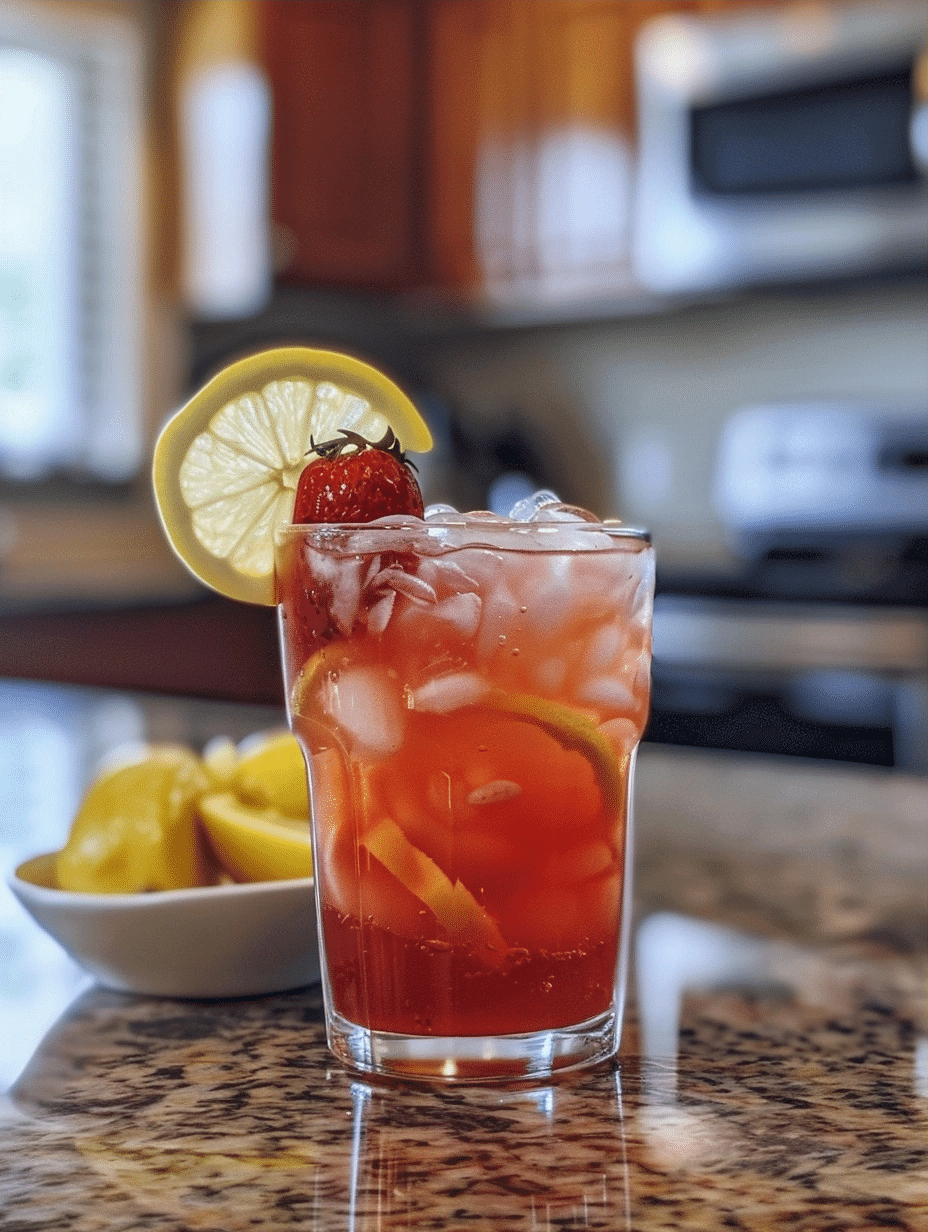
- When ready to serve, fill glasses with ice and pour the lemonade over the ice. Garnish with small strawberries if desired.
Notes
This recipe can easily be doubled for larger gatherings.
Substitute frozen strawberries in place of fresh strawberries when out of season.