
A protein iced coffee recipe combines chilled espresso with protein powder and milk into one satisfying beverage that fuels your morning and supports muscle recovery simultaneously. This straightforward drink takes five minutes to prepare and delivers 20-30 grams of protein per serving, making it ideal for active individuals seeking convenient nutrition. I’ve perfected this formula over countless mornings in my Austin kitchen, testing ratios and flavors until landing on a method that’s both delicious and practical for daily consumption.

About Me and Fresh Recipes Corner
I’m Maya Collins, a 29-year-old from Austin, Texas, and co-creator at Fresh Recipes Corner, where I focus on simple, refreshing drinks you can make anytime. I started by mixing juices in my mom’s kitchen just for fun, and over time it turned into a real passion. I love working with fruits, herbs, and natural ingredients to create mocktails, smoothies, and soft drinks that are easy but full of flavor.
When my fitness journey began five years ago, I realized I needed convenient post-workout nutrition that didn’t taste like cardboard. That’s when I started experimenting with protein-based beverages. After hundreds of iterations and feedback from friends and followers, this protein iced coffee recipe emerged as my most-requested drink. The combination of cold coffee’s natural boldness with protein powder’s creamy texture creates something genuinely crave-worthy, not just functional.
Recipe Overview
| Attribute | Details |
|---|---|
| Prep Time | 5 minutes |
| Cook Time | 0 minutes |
| Total Time | 5 minutes |
| Servings | 1 |
| Difficulty | Easy |
| Cuisine | American / Fitness Beverage |
Why This Recipe Works
I’ve discovered that successful protein iced coffee hinges on three critical elements: cold brew’s smooth flavor profile, quality protein powder that doesn’t clump, and proper ratios that prevent the drink from tasting chalky. Standard brewed coffee often tastes bitter when chilled, but cold brew or espresso maintains its complexity and depth. The protein powder needs adequate liquid and gentle blending to dissolve completely, which is why I recommend mixing it separately before combining with coffee.
The real breakthrough came when I started using a frother for thirty seconds before pouring. This creates a microfoam that mimics a café latte’s texture while distributing protein powder evenly throughout. The drink becomes velvety rather than gritty, and honestly, it tastes like something you’d pay eight dollars for at a specialty coffee shop. My followers now request this technique specifically because it transforms a functional beverage into something genuinely enjoyable.
What makes this particular formula reliable is the flexibility built into it. You can adjust sweetness, protein amount, and milk type based on dietary preferences without sacrificing the core appeal. Whether you’re preparing it for muscle building, weight management, or simply because you love coffee and need extra nutrition, this recipe adapts to your goals.
Ingredients
| Ingredient | Quantity | Notes and Alternatives |
|---|---|---|
| Cold Brew Coffee | 1 cup (8 oz) | Use strong, smooth cold brew. Espresso (2-3 shots) works equally well. Avoid regular chilled brewed coffee as it tastes bitter. |
| Protein Powder | 1 scoop (25-30g) | Vanilla, unflavored, or chocolate work best. Plant-based protein may require additional blending time. |
| Milk | 1/2 cup (4 oz) | Whole milk creates richness; almond milk adds lightness; oat milk provides natural sweetness. Choose based on personal preference. |
| Liquid Sweetener | 1-2 teaspoons | Honey, maple syrup, or agave work perfectly. Skip if protein powder is flavored-vanilla. Stevia available for zero-calorie option. |
| Ice | 1 cup | Use standard ice cubes or crushed ice for smoother texture. Frozen coffee cubes prevent dilution as they melt. |
| Vanilla Extract | 1/4 teaspoon | Optional but recommended for enhanced flavor depth. Almond extract provides interesting alternative. |
| Pinch of Salt | 1 pinch | Enhances coffee flavor and protein powder taste. This small amount makes significant difference in overall perception. |
Step-by-Step Instructions
Preparation Phase
- Pour cold brew coffee into a tall glass or blender pitcher.
- Add one scoop of protein powder directly to the cold coffee.
- Add 1/2 cup of your chosen milk.
- Add 1-2 teaspoons liquid sweetener based on protein powder flavor.
- Add 1/4 teaspoon vanilla extract for depth.
- Add one pinch of sea salt to enhance all flavors.
Blending Phase
- Blend on high speed for 30-45 seconds until completely smooth.
- Check consistency and ensure no protein powder streaks remain.
- If mixture seems too thick, add 2-3 tablespoons additional milk and blend again.
Finishing Phase
- Pour blended mixture over ice in your serving glass.
- Stir gently for even cold distribution.
- Taste and adjust sweetness if needed by adding additional honey.
- Serve immediately with a straw for optimal texture experience.
Chef Tips for Perfect Results
- Freeze coffee the night before in ice cube trays. Using frozen coffee instead of regular ice prevents dilution as the drink chills, maintaining flavor intensity throughout consumption.
- Use a high-speed blender for 45 seconds minimum. This duration ensures complete protein powder dissolution. Under-blending leaves gritty texture that masks the smooth cold coffee experience.
- Add milk before blending, not after. This ratio creates proper emulsion and helps protein powder incorporate evenly. Adding milk post-blend results in separation and uneven consistency.
- Chill your glass for three minutes beforehand. This simple step keeps your drink cold longer and prevents rapid ice melting that dilutes the beverage.
- Blend dry ingredients separately if avoiding equipment mess. Mix protein powder with milk in a shaker cup first, then add to cold coffee. This method works perfectly when blenders are unavailable.
- Experiment with coffee strength. Double-shot espresso creates intense flavor that stands up to protein powder better than single-shot versions, especially if using unflavored protein.
Common Mistakes to Avoid
Mistake 1: Using hot coffee with protein powder. Hot liquid denatures certain protein types and creates clumping issues that blending cannot fully resolve. The protein powder may also develop bitter notes when exposed to high heat. Always use cold or room-temperature coffee that’s been chilled separately.
Mistake 2: Neglecting proper blending duration. Thirty seconds sounds short until you realize protein powder requires full emulsion to achieve smooth texture. Blending for only ten seconds leaves lumpy residue at the bottom. Set a timer and commit to full 45-second duration for professional-quality results.
Mistake 3: Using flavored coffee creamer instead of milk. Creamers contain thickeners that react unpredictably with protein powder, often creating separated, grainy texture. Real milk proteins blend smoothly with powder and create natural richness without additives interfering.
Mistake 4: Overfilling the glass with ice. Too much ice occupies space meant for actual drink, resulting in a glass that’s mostly frozen water with weak coffee flavor. Fill glass halfway with ice, then pour blended mixture for proper ratio of liquid to ice.
Mistake 5: Adding all sweetness upfront without tasting. Different protein powder brands vary in residual sweetness and flavor intensity. Always start with one teaspoon sweetener, blend completely, taste, then add additional teaspoon if needed. Oversweetening creates cloying beverage that masks coffee’s natural complexity.
Variations and Substitutions
| Ingredient | Substitution | Impact on Flavor |
|---|---|---|
| Vanilla Protein Powder | Chocolate Protein Powder | Creates mocha-style beverage. Reduce sweetener by 1/2 teaspoon since chocolate powder adds inherent richness. Pairs beautifully with cold brew. |
| Cold Brew | Espresso Shots (2-3) | Intensifies coffee flavor dramatically. Espresso creates bolder profile that stands up to protein powder better. Dilute with additional milk for proper consistency. |
| Whole Milk | Coconut Milk | Adds tropical sweetness and creamy texture. Use full-fat coconut milk from can, not light version. Subtle flavor shift that pairs well with vanilla protein. |
| Honey Sweetener | Maple Syrup | Introduces earthy undertones. Use slightly less maple than honey due to stronger flavor profile. Creates more sophisticated beverage suitable for afternoon serving. |
| Ice | Frozen Banana Slices | Creates thicker, dessert-like consistency while adding potassium and natural sweetness. Reduces added sweetener needed by 50 percent. |
| Vanilla Extract | Almond Extract | Provides nutty undertone that deepens coffee complexity. Use 1/4 teaspoon like vanilla. Creates sophisticated flavor profile reminiscent of café beverages. |
| Regular Protein Powder | Collagen Peptides | Creates smoother mouthfeel with less foam. Collagen doesn’t froth like whey protein but blends extremely well. Add joint-supporting benefits without changing taste. |
Serving Suggestions and Pairings
Serve this protein iced coffee immediately after blending when texture remains perfectly creamy and temperature stays optimal. The drink pairs beautifully with Greek yogurt parfaits, granola bowls, or protein-packed muffins for a complete breakfast experience. For post-workout nutrition, pair with banana and almond butter toast to maximize muscle recovery and sustained energy.
Afternoon slump presentations work perfectly when you’re seeking energy without evening caffeine jitters. Serve this at 3 PM alongside salads or light snacks. Weekend brunch settings benefit from chilled protein iced coffee served alongside fresh fruit platters and breakfast casseroles.
Office settings make this ideal for busy professionals juggling back-to-back meetings. Bring it in a thermal travel mug that keeps it cold for up to four hours. Meal prep enthusiasts can prepare multiple servings on Sunday evening for grab-and-go convenience throughout the week.
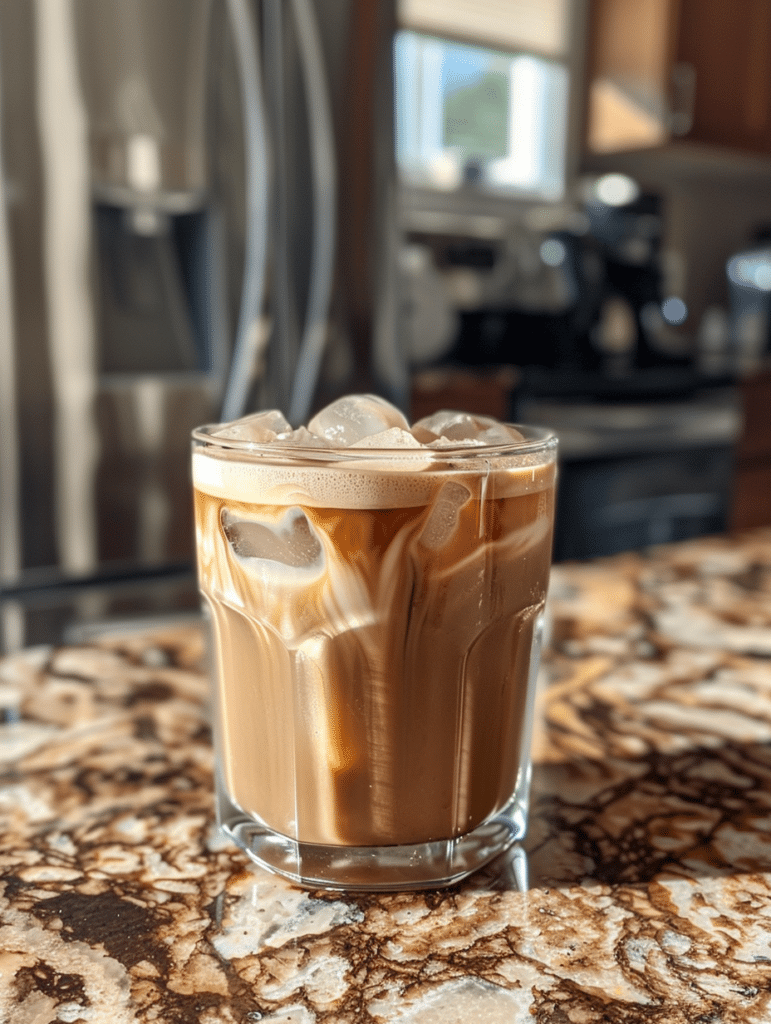
Image Alt Text: “Tall glass of creamy protein iced coffee with foam top and ice cubes, photographed on marble counter with fresh coffee beans nearby”
Storage and Reheating
| Method | Duration | Instructions |
|---|---|---|
| Refrigerator (Blended) | Up to 24 hours | Store blended protein iced coffee in airtight glass container. Separation may occur; stir vigorously before serving. Protein powder settles to bottom, so mix thoroughly to restore consistency. |
| Refrigerator (Unbended) | Up to 48 hours | Store protein powder, milk, coffee, and sweetener in separate containers. Combine and blend only when ready to serve. This method maintains optimal texture and prevents degradation. |
| Freezer | Up to 2 weeks | Pour blended mixture into ice cube trays. Once frozen, transfer cubes to freezer bag. Blend with additional milk when ready to consume, creating thick shake consistency. |
| Thermal Travel Mug | Up to 4 hours | Pour immediately into insulated container to maintain cold temperature. This method works perfectly for commutes and all-day outings without quality degradation. |
| Mason Jar (Overnight) | Up to 12 hours | Prepare ingredients the night before in mason jar without blending. Blend in morning directly in jar using immersion blender. Saves time during rushed mornings. |
Nutritional Information
Approximate values based on standard ingredients: cold brew coffee, vanilla whey protein powder, whole milk, one teaspoon honey, and ice.
| Nutrient | Amount per Serving |
|---|---|
| Calories | 185-210 |
| Protein | 25-28g |
| Fat | 3-4g |
| Carbohydrates | 8-10g |
| Fiber | 0g |
| Sugar | 6-7g |
| Sodium | 120-140mg |
| Caffeine | 95-120mg |
These values vary based on specific brands chosen and milk type selected. Using plant-based protein powder typically reduces fat by 1-2 grams while increasing carbohydrates slightly. Substituting almond milk for whole milk reduces calories by approximately 30-40 per serving.
Frequently Asked Questions
Can I use instant coffee instead of cold brew for this protein iced coffee recipe?
Yes, instant coffee works when dissolved properly in cold water first. Mix 1-2 teaspoons instant coffee with 2 tablespoons hot water, let cool completely, then combine with remaining ingredients. This method produces acceptable results though cold brew’s smooth profile remains superior for optimal flavor. The instant coffee method takes slightly longer due to cooling time but requires no special equipment.
How do I know when my protein powder is fully blended into the iced coffee?
The mixture should appear completely uniform in color with no visible powder streaks or graininess when you examine it closely. Blend for full 45 seconds and check the bottom of the container, where powder tends to settle. If any powdery residue remains, blend an additional 15 seconds. A perfectly blended drink pours smoothly and creates consistent texture throughout rather than gritty sensations.
What’s the best way to prevent my protein shake from separating after preparation?
Blend for minimum 45 seconds to create proper emulsion that holds protein powder suspended throughout the liquid. Consume immediately after blending for best results, as separation naturally occurs over time. If you must prepare ahead, store unbended ingredients separately and combine only when ready to serve. Store-bought protein shake mixes contain emulsifiers that prevent separation, unlike homemade versions.
Can I make protein iced coffee without a blender using a simple shaker cup?
Absolutely, though results vary slightly depending on effort and shaker quality. Combine protein powder with milk in a shaker cup first, shake vigorously for 30 seconds, then add cold coffee and ice. Shake another 30 seconds until frothy. This method produces acceptable texture though mechanical blenders create superior smoothness and microfoam. For on-the-go scenarios, shaker cups provide convenient alternative requiring minimal equipment.
Is it better to make protein iced coffee with whole milk or plant-based alternatives?
Whole milk creates richest, creamiest texture that naturally complements both coffee and protein powder. Oat milk provides natural sweetness that reduces required added sweetener. Almond milk creates lighter version ideal for calorie-conscious preferences. Choose based on personal taste preferences and dietary needs, as all three work successfully with this recipe. Experiment with each to discover your preferred balance of flavor and texture.
How much protein powder should I use in this iced coffee recipe for muscle building?
One standard scoop (25-30g) provides adequate protein for most fitness goals and prevents the drink from becoming too thick or protein-forward in flavor. If you’re training intensely or weigh over 200 pounds, use 1.5 scoops for 40-45g total protein. More than two scoops creates chalky texture that’s difficult to blend smoothly. Consult your fitness trainer for specific protein targets based on your individual goals and body composition.
Conclusion
This protein iced coffee recipe delivers convenient nutrition without sacrificing café-quality flavor or texture. Blend cold coffee with protein powder, milk, and simple sweeteners for a drink that’s equally satisfying post-workout or mid-afternoon. Master this formula and enjoy consistent results every single time you crave smooth, creamy refreshment.
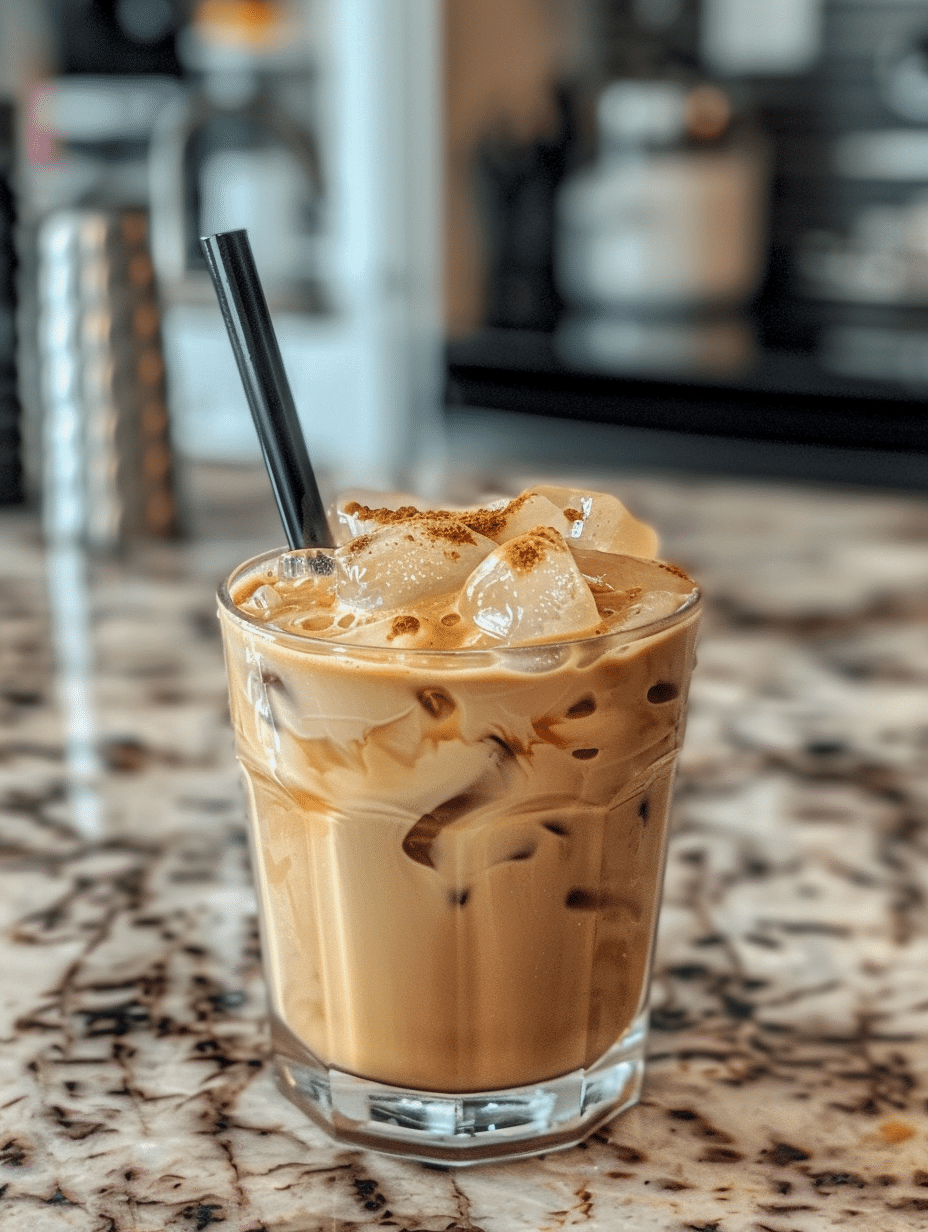
Protein Iced Coffee
Ingredients
- 1 cup chilled espresso
- 2 scoops unsweetened plant-based protein powder
- 1 cup cold milk (dairy, oat, or almond)
- Optional: 1/4 tsp vanilla extract
- Optional: 1/4 tsp cinnamon
Instructions
- Brew espresso and chill if not already cold
- In a blender, combine protein powder and milk
- Blend for 30 seconds until completely smooth
- Add chilled espresso and blend briefly
- Pour into a glass with ice
- Optional: Add vanilla or cinnamon, stir well
- Store in fridge for up to 24 hours
Notes
Substitute honey or stevia for natural sweetness if desired
Protein powder brands should be unflavored to avoid alcohol-based artificial sweeteners