

Pecan sandies cookies are a classic shortbread-style butter cookie loaded with toasted pecans and finished with a warm cinnamon-sugar coating that creates pure cookie magic. These tender, melt-in-your-mouth treats have been a beloved holiday staple and year-round favorite for generations because they deliver rich buttery flavor with the satisfying crunch of toasted nuts in every bite. The beauty of pecan sandies lies in their simplicity: quality butter, a touch of vanilla, and finely chopped pecans combine into something that feels fancy enough for gift boxes yet so easy to make at home. Unlike overly complex desserts, this recipe comes together in under an hour from start to finish, making it perfect for both seasoned bakers and kitchen beginners looking to create something impressive.

My Baking Journey and This Recipe
I’m Lila Bennett, a 34-year-old home baker based in Portland, Oregon, and my kitchen is almost always filled with the smell of something sweet. I fell in love with baking as a kid, sneaking tastes of cookie dough and watching simple ingredients turn into something comforting and delicious. What started with slightly overbaked cookies turned into years of experimenting with cakes, pancakes, and all kinds of desserts—learning through trial, error, and a lot of taste-testing.
Pecan sandies cookies hold a special place in my baking memory. I discovered them at a farmers market in my neighborhood, where a local baker was selling beautiful boxes tied with twine. I bought a box out of curiosity and bit into one—it was buttery, tender, and the cinnamon-sugar coating added just enough warmth to make me crave another. I spent weeks reverse-engineering that cookie, adjusting the flour ratio, testing different pecan sizes, and experimenting with butter temperatures until I created my own version that matched that first perfect bite.
This recipe represents everything I love about baking: accessible ingredients, achievable technique, and results that taste like they came from a professional bakery. I’ve made these cookies for holiday parties, gifted them to neighbors during the holidays, and baked them for my own quiet Sunday afternoons. Each batch reminds me why I fell in love with baking in the first place.
Recipe Overview at a Glance
| Metric | Details |
|---|---|
| Prep Time | 20 minutes |
| Cook Time | 12-14 minutes |
| Total Time | 34 minutes (plus cooling) |
| Servings | 24 cookies |
| Difficulty Level | Easy |
| Cuisine | American |
Why This Recipe Works
The secret to exceptional pecan sandies cookies starts with the quality and temperature of your butter. I use unsalted butter because it allows me to control the salt level and ensures the pecan flavor shines without being overwhelmed by saltiness. Creaming cold, softened butter with granulated sugar creates tiny air pockets that make the cookies tender rather than dense, and this technique is absolutely critical for achieving that melt-in-your-mouth texture.
From my years of baking, I’ve learned that toasting pecans before chopping them elevates the entire recipe. Raw pecans have a mild, slightly bitter taste, but toasting brings out their rich, complex flavor and adds depth to every cookie. You’ll notice the difference immediately when you taste toasted pecans versus raw ones. The finely chopped size matters too: pieces that are too large break apart during baking, while finely chopped pecans distribute evenly throughout the dough and create better structure.
The cinnamon-sugar coating isn’t just decoration—it adds textural contrast and warm spice that balances the buttery sweetness. Using turbinado sugar instead of regular granulated sugar creates a subtle crunch on the cookie edges, which my family requests every time I bake these. The low oven temperature of 325°F ensures gentle, even cooking so the cookies bake through completely without browning too quickly on the outside.
Ingredients You’ll Need
| Ingredient | Quantity | Notes & Alternatives |
|---|---|---|
| All-Purpose Flour | 2 cups | Measure by spooning into measuring cup and leveling. Do not scoop directly from bag. For lower carb option, use 1 1/2 cups all-purpose flour plus 1/2 cup almond flour, though this changes texture. |
| Unsalted Butter | 1 cup (2 sticks) | Must be softened to room temperature, about 70°F. Salted butter will make cookies too salty. European-style butter with higher fat content creates richer cookies. |
| Granulated Sugar | 3/4 cup | Use white granulated sugar for classic results. Do not substitute with powdered sugar, as this creates a different texture entirely. |
| Large Egg Yolk | 1 | Room temperature works best for better incorporation. Save the egg white for another recipe. The yolk adds richness without making cookies cakey. |
| Vanilla Extract | 1 teaspoon | Use pure vanilla extract, not imitation. Almond extract (1/2 teaspoon) can replace half the vanilla for a more nuanced flavor. |
| Toasted Pecans | 1 1/2 cups (finely chopped) | Toast raw pecans at 350°F for 8-10 minutes until fragrant before chopping. Alternatively, use finely chopped walnuts or almonds, though flavor will differ slightly. |
| Sea Salt | 1/4 teaspoon | Fine sea salt enhances sweetness and pecan flavor. Do not use kosher salt, as grain size varies and will over-salt the dough. |
| Turbinado Sugar | 1/4 cup (for coating) | Coarse crystalline sugar creates visual appeal and crunch. Demerara or sanding sugar work well. Regular granulated sugar creates a smoother coating. |
| Ground Cinnamon | 1 teaspoon (for coating) | Use fresh cinnamon for best flavor—check your spice cabinet expiration date. Vietnamese cinnamon has deeper flavor than cassia cinnamon. |
Step-by-Step Instructions
Preparation Phase
- Preheat your oven to 325°F and position the rack to the middle position for even heat circulation.
- Line two large baking sheets with parchment paper to prevent sticking and ensure easy transfer.
- Toast 1 1/2 cups of raw pecans at 350°F for 8-10 minutes until fragrant and slightly darkened, then cool completely.
- Finely chop the cooled toasted pecans with a chef’s knife or food processor into pieces about the size of small peas.
- Remove the butter from the refrigerator and cut into 1-tablespoon pieces to ensure even softening.
Dough-Making Phase
- Place softened butter and granulated sugar in a large mixing bowl and cream together for 2-3 minutes using an electric mixer on medium speed.
- Continue mixing until the mixture becomes light, fluffy, and pale in color, scraping down the bowl sides halfway through.
- Add the egg yolk and vanilla extract to the butter mixture and beat on medium speed for 1 minute until fully incorporated.
- In a separate small bowl, whisk together the all-purpose flour and sea salt.
- Fold the dry flour mixture into the wet ingredients using a spatula or wooden spoon until just combined with no visible flour streaks.
- Gently fold the finely chopped toasted pecans into the dough until evenly distributed throughout.
Shaping and Coating Phase
- Combine the turbinado sugar and ground cinnamon in a shallow bowl and mix well.
- Using a cookie scoop or tablespoon, portion the dough into 24 equal balls approximately 1 inch in diameter.
- Place each dough ball on the prepared baking sheet and gently flatten to about 1/4-inch thickness using the bottom of a measuring cup.
- Dip the outer edge of each flattened cookie into the cinnamon-sugar mixture, coating only the edges for a professional appearance.
- Space the cookies 2 inches apart on the baking sheet to allow for slight spreading during baking.
Baking and Cooling Phase
- Bake in the preheated 325°F oven for 12-14 minutes until the edges are light golden brown and the centers are still pale.
- The cookies will appear slightly underbaked when removed from the oven, but they continue to cook on the hot baking sheet.
- Allow the cookies to rest on the baking sheet for exactly 5 minutes—this helps them set without becoming hard.
- Transfer the cookies to a wire cooling rack using a thin spatula and cool completely, about 15-20 minutes.
- Store cooled cookies in an airtight container at room temperature for up to 7 days.
Chef Tips for Perfect Results
- Butter temperature is everything: Softened butter should be around 70°F. If too warm, the dough becomes greasy. If too cold, the cream won’t incorporate properly. Press your finger into the butter—it should leave a slight indentation but not compress completely.
- Don’t overmix the dough: After adding the flour, mix only until no streaks of flour remain visible. Overmixing develops gluten, which makes cookies tough and cake-like instead of tender and crumbly.
- Toast your pecans fresh: Pre-toasted pecans from the store work in a pinch, but toasting them yourself at home takes just 10 minutes and dramatically improves flavor intensity and aroma throughout the cookie.
- Use parchment paper or silicone baking mats: These prevent burning on the bottoms and ensure cookies slide off easily. Greasing baking sheets directly makes the bottoms brown too quickly.
- Rotate baking sheets halfway through: Even home ovens have hot spots. Rotate sheets from front to back at the 7-minute mark for more even browning across all cookies.
- Watch for the pale center test: Remove cookies when edges are golden but centers still look slightly underbaked and pale. They finish cooking on the hot sheet and firm up as they cool, achieving perfect tenderness.

Common Mistakes to Avoid
Mistake 1: Using cold butter directly from the refrigerator. Cold butter won’t cream properly with sugar, resulting in dense, tough cookies instead of light and tender ones. The butter must reach about 70°F. Fix this by removing butter from the refrigerator 30-60 minutes before baking, or cut it into small pieces to speed up softening.
Mistake 2: Baking at too high a temperature. Cookies baked above 350°F brown too quickly on the outside while remaining underbaked inside. The 325°F temperature ensures gentle, even cooking from edge to center. If your oven runs hot, use an oven thermometer and adjust the temperature accordingly.
Mistake 3: Skipping the toasting step for pecans. Raw pecans have a dull, slightly bitter flavor that doesn’t shine in the finished cookie. Toasting for just 8-10 minutes at 350°F activates the natural oils and brings out deep, nutty complexity that transforms the entire recipe.
Mistake 4: Overbaking until cookies are completely firm. Many bakers remove cookies only when they’re fully golden and hard because they fear underbaking. These cookies should have pale centers when removed from the oven—they continue setting on the hot baking sheet and cool to perfect tenderness. Remove them too late and they become hard and brittle.
Mistake 5: Not chopping pecans finely enough. Large pecan chunks break apart during mixing and baking, leaving uneven distribution and creating gritty spots. Finely chop pecans to about the size of small peas so they integrate smoothly throughout the dough and bake evenly.
Variations and Substitutions
| Ingredient or Element | Substitution | Impact on Flavor & Texture |
|---|---|---|
| Pecans | Walnuts or almonds (same quantity) | Creates earthier, slightly more pronounced nutty flavor. Almonds add delicate sweetness. Texture remains equally tender and crumbly. |
| Vanilla Extract | Almond extract (1/2 teaspoon total, reduce vanilla to 1/2 teaspoon) | Adds floral, slightly sweet depth. Do not use more than 1/2 teaspoon almond extract or it overpowers other flavors. |
| Ground Cinnamon Coating | Pumpkin pie spice (1 1/2 teaspoons) or cardamom (1/2 teaspoon) | Pumpkin pie spice adds warmth and complexity. Cardamom creates sophisticated, slightly floral notes. Both require offsetting the sweetness slightly. |
| Turbinado Sugar Coating | Demerara sugar or regular granulated sugar | Demerara provides similar crunch with larger crystals. Regular granulated sugar creates smoother coating with less textural contrast. |
| All-Purpose Flour | Pastry flour (2 1/4 cups total) | Creates even more tender, delicate crumb structure. Slight risk of over-spreading if not careful with baking time. |
| Unsalted Butter | Coconut oil (same quantity, must be refined) | Creates flakier, crisper texture. Cookies spread slightly more. Subtle coconut flavor may be detected by sensitive palates. |
Serving Suggestions and Pairings
Serve pecan sandies cookies with a cup of strong black coffee for a classic pairing that lets the buttery pecan flavor shine. The slightly bitter coffee balances the sweet cinnamon-sugar coating beautifully. For afternoon tea, pair these cookies with chamomile or Earl Grey tea—the floral notes complement the warm spices perfectly.
During holiday gatherings, arrange pecan sandies on a tiered cake stand with other homemade cookies like sugar cookies and shortbread for an impressive dessert display. Package them in kraft boxes tied with twine for neighbor holiday gifts or as thank-you treats for teachers and service workers. These cookies also work beautifully as part of a homemade cookie exchange where each participant brings their specialty.
Serve pecan sandies cookies at bridal showers and baby showers alongside fresh fruit and minted water. They pair wonderfully with vanilla ice cream for a simple dessert, or crumble them as a topping for vanilla pudding. Children enjoy these cookies at school lunch boxes because they’re not overly sweet and travel well without crumbling excessively.
Storage and Reheating Guidelines
| Storage Method | Duration | Instructions |
|---|---|---|
| Room Temperature Container | 7 days | Store in an airtight container at room temperature (68-72°F). Layer parchment between cookies if stacking. Cookies soften slightly over time but remain palatable. |
| Refrigerator | 10 days | Place in an airtight container on the middle shelf away from strong-smelling foods. Cookies may become slightly harder; warm to room temperature before serving for best texture. |
| Freezer | 3 months | Layer cookies between parchment in a freezer-safe airtight container. Thaw at room temperature for 30-45 minutes before serving. Texture returns to original tenderness. |
| Unbaked Dough | 3 days | Refrigerate in an airtight container. Dough becomes firmer but remains workable. Roll into balls and bake directly from cold without thawing for best shape retention. |
| Dough Balls (frozen) | 2 months | Portion dough into balls, freeze on baking sheet, then transfer to freezer container. Bake directly from frozen, adding 1-2 minutes to baking time. |
| Oven Reheating | Per batch | Preheat oven to 300°F. Place cookies on baking sheet and warm for 3-5 minutes until centers soften slightly. Do not overheat or cookies become brittle. |
Nutritional Information
Approximate values per cookie (based on 24 servings):
| Nutrient | Amount per Serving |
|---|---|
| Calories | 180 |
| Total Fat | 12g |
| Saturated Fat | 6g |
| Trans Fat | 0g |
| Cholesterol | 25mg |
| Sodium | 85mg |
| Total Carbohydrate | 16g |
| Dietary Fiber | 1g |
| Total Sugars | 8g |
| Protein | 2g |
These values are approximate and may vary based on specific ingredient brands and preparation methods. Pecan sandies cookies are a moderate-calorie treat with good fat content from pecans, which contain heart-healthy monounsaturated fats and antioxidants.
Frequently Asked Questions
Can I make pecan sandies cookies without pecans?
Yes, you can substitute walnuts, almonds, macadamia nuts, or even finely chopped pistachios in equal quantity. Walnuts create an earthier flavor, almonds add subtle sweetness, and macadamia nuts create a buttery richness. The texture and baking time remain identical regardless of nut choice.
How do I know when pecan sandies cookies are done baking?
Cookies are perfectly baked when the edges turn light golden brown while the centers remain pale and slightly underbaked-looking. This happens at approximately 12-14 minutes at 325°F. The cookies continue cooking on the hot baking sheet during the 5-minute rest period and firm up as they cool completely.
Why did my cookies turn out cakey instead of crispy?
Cakey cookies typically result from too much egg, too much flour, or overmixing the dough, all of which develop gluten and trap excessive air. Use only one egg yolk as specified, measure flour by spooning and leveling, and mix only until no flour streaks remain visible. Also ensure you’re using the correct oven temperature of 325°F, as higher heat can speed up setting.
Can I prepare pecan sandies cookie dough ahead of time?
Absolutely. Refrigerate the mixed dough in an airtight container for up to 3 days, or freeze dough balls for up to 2 months. Cold dough actually improves cookie shape because it spreads less during baking. Bake cold dough directly without thawing, adding 1-2 minutes to the baking time.
What’s the best way to gift homemade pecan sandies cookies?
Package cooled cookies in kraft paper boxes or decorative tins, layering each cookie between parchment paper to prevent sticking and breakage. Include a handwritten note with baking date and storage instructions. For mailed gifts, pack cookies in a sturdy box with crumpled parchment or bubble wrap as cushioning.
Can I use salted butter instead of unsalted butter?
Using salted butter will make your cookies overly salty because the recipe doesn’t account for the salt content in commercial salted butter. Stick with unsalted butter and add only the specified 1/4 teaspoon sea salt. If you only have salted butter available, reduce the added salt to 1/8 teaspoon and taste the dough to adjust.
Final Thoughts on Pecan Sandies Cookies
Pecan sandies cookies combine buttery richness with toasted pecan depth and warm cinnamon spice in a recipe so approachable it feels like cheating to call them homemade. These tender, melt-in-your-mouth treats rival anything from a professional bakery and come together in under an hour from start to finish. Whether you’re baking for a holiday gathering, preparing gifts for loved ones, or simply satisfying a craving for something sweet and sophisticated, this recipe delivers consistently beautiful results. Make a batch this week and discover why pecan sandies have remained a beloved cookie classic for generations.
Related Recipes and Resources
Explore more classic cookie recipes like homemade shortbread cookies or butter cookie variations to expand your baking repertoire. For more insight into cookie science and baking techniques, visit King Arthur Baking Company‘s extensive resource library and Serious Eats’ baking guides.
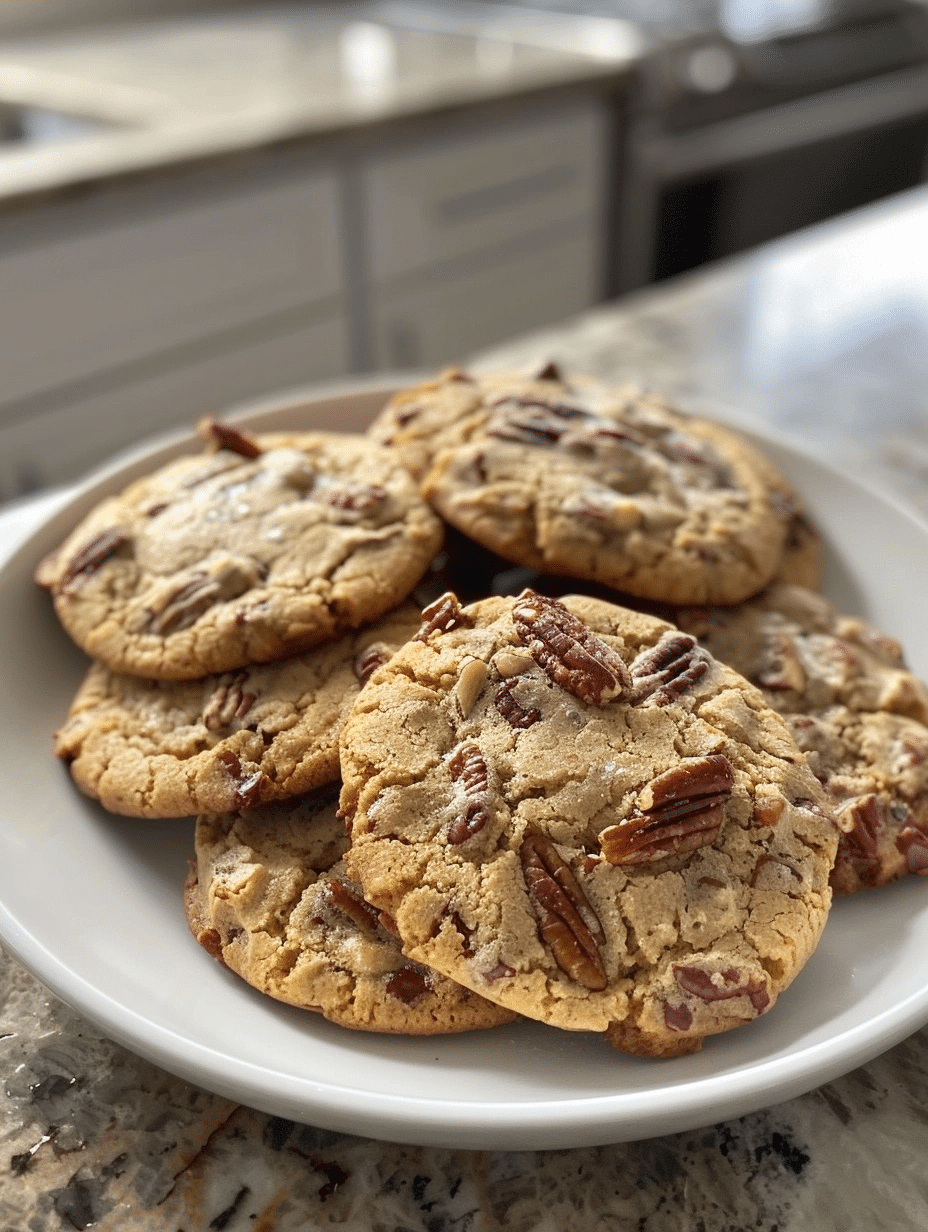
Pecan Sandies Cookies
Ingredients
- 2 cups all-purpose flour
- 1 cup unsalted butter, softened
- 1/2 cup granulated sugar
- 1 teaspoon vanilla extract
- 1 cup chopped toasted pecans
- 2 tablespoons brown sugar
- 1 teaspoon ground cinnamon
Instructions
- Whisk flour and a pinch of salt in a bowl
- Beat softened butter and granulated sugar until light and fluffy
- Mix in vanilla extract
- Fold in chopped pecans to form the dough
- Chill dough 20 minutes
- Shape into 1 1/2-inch balls
- Preheat oven to 350°F (175°C)
- Place cookies 2 inches apart on parchment-lined baking sheets
- Combine brown sugar and cinnamon in a small bowl
- Roll each cookie ball in the cinnamon-sugar mixture before baking
- Bake 12-14 minutes until golden and fragrant
- Cool on wire racks
Notes
Toasted pecans enhance flavor and aroma
Chilling dough prevents spreading
Cookies stay fresh in an airtight container for 5 days
