
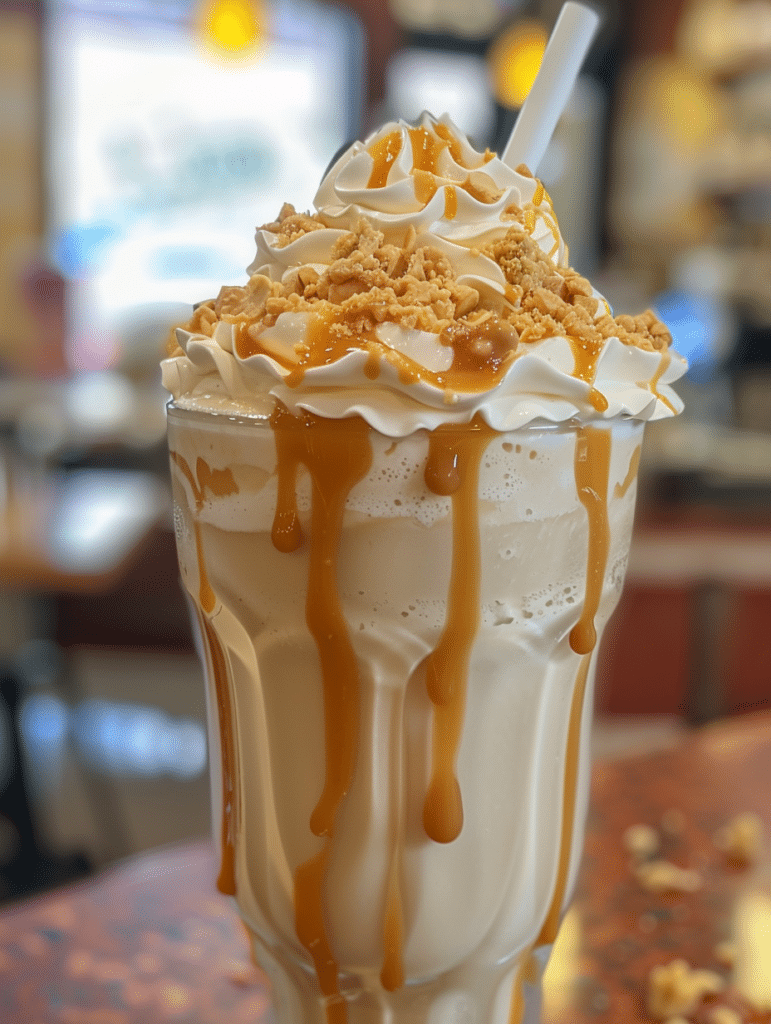
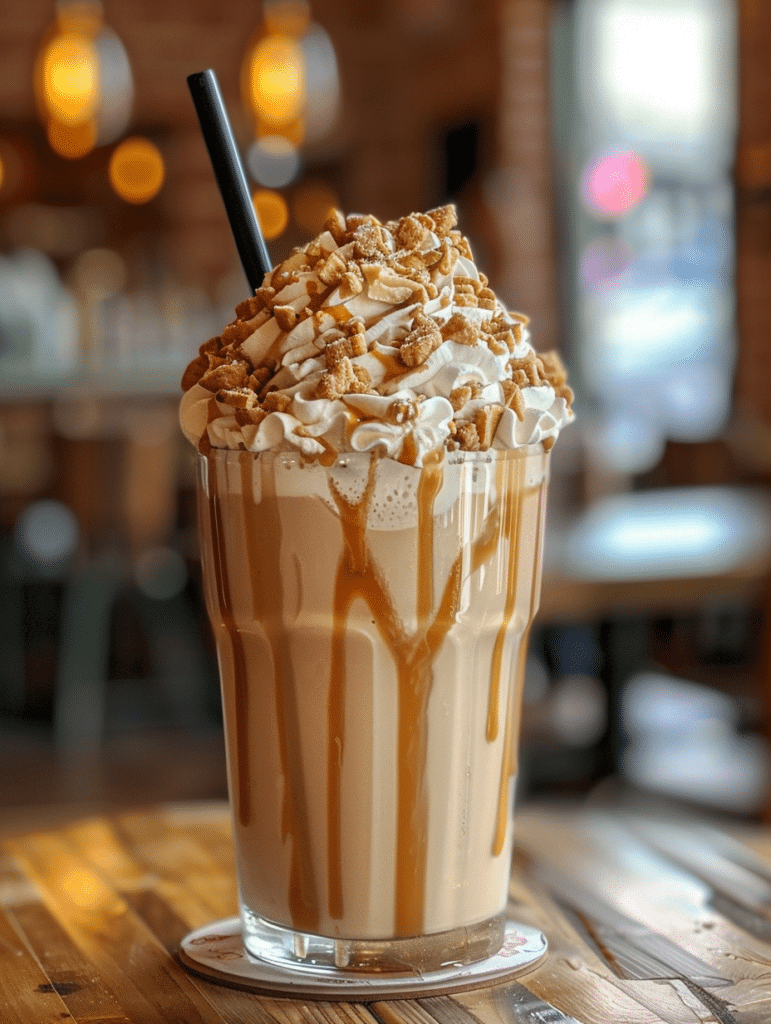
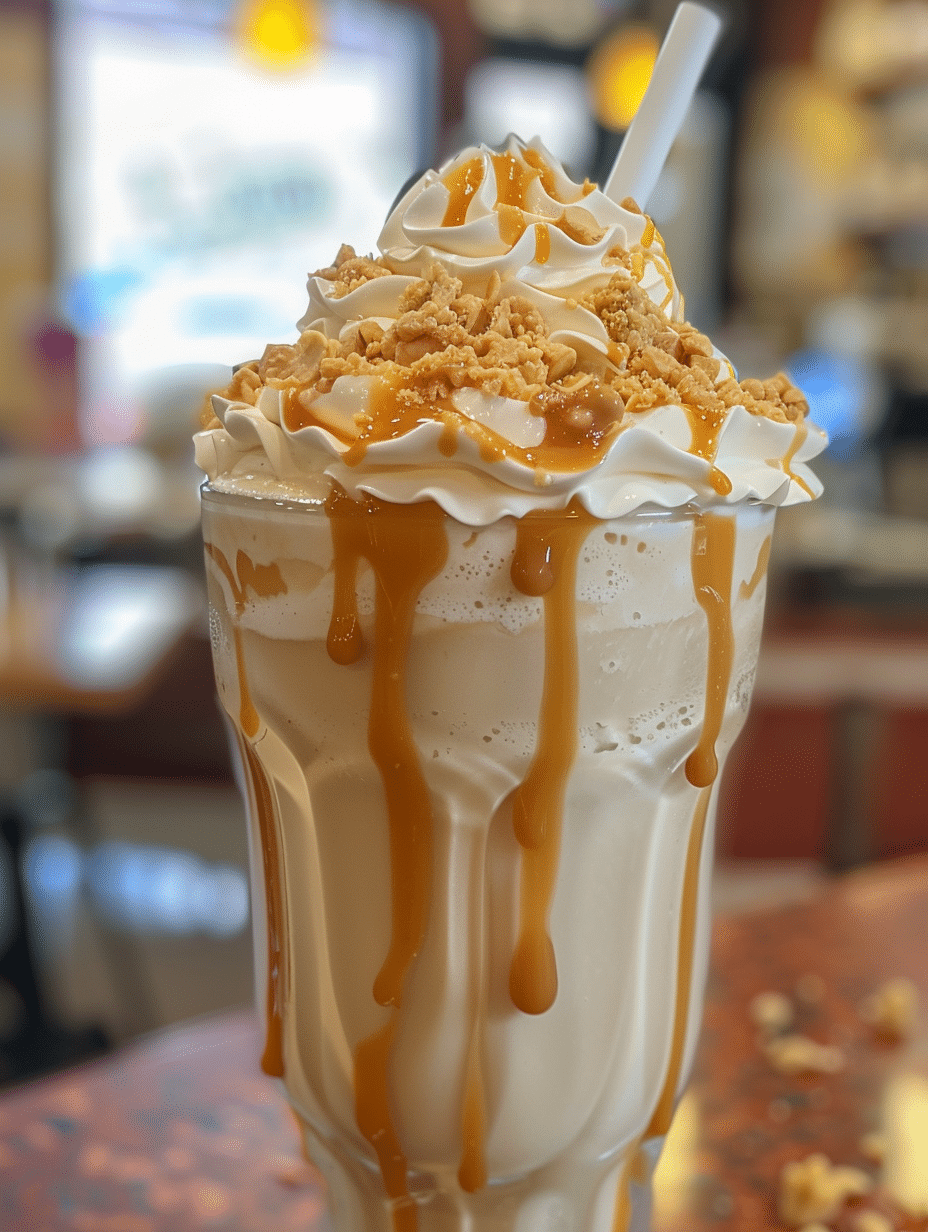
A peanut butter milkshake is a rich, creamy beverage made by blending smooth or chunky peanut butter with cold milk, ice cream, and ice for a thick, indulgent drink. This classic treat combines the nutty richness of quality peanut butter with the cool sweetness of vanilla ice cream, creating a satisfying dessert you can prepare in minutes. Whether you’re craving a quick breakfast boost, an afternoon pick-me-up, or a post-workout protein option, this peanut butter milkshake delivers genuine flavor and remarkable versatility. I’ve been making versions of this shake for years at Fresh Recipes Corner, and the simplicity paired with authentic taste makes it a crowd favorite every single time.
Meet the Creator Behind This Recipe
I’m Maya Collins, a 29-year-old from Austin, Texas, and co-creator at Fresh Recipes Corner, where I focus on simple, refreshing drinks you can make anytime. I started by mixing juices in my mom’s kitchen just for fun, and over time it turned into a real passion. I love working with fruits, herbs, and natural ingredients to create mocktails, smoothies, and soft drinks that are easy but full of flavor.
My journey with peanut butter milkshakes began during college when I needed quick, filling drinks between classes. What started as a basic combination of peanut butter and milk evolved into a carefully tested recipe that balances creaminess, sweetness, and protein content. Today, I’ve perfected this shake through countless variations and feedback from our Fresh Recipes Corner community. My expertise comes from hands-on experimentation, understanding ingredient ratios, and discovering which combinations deliver the best results for different preferences and dietary needs.
Recipe Overview
| Metric | Value |
|---|---|
| Prep Time | 5 minutes |
| Cook Time | 0 minutes |
| Total Time | 5 minutes |
| Servings | 2 servings |
| Difficulty | Easy |
| Cuisine | American |
This shake requires no cooking and comes together faster than a quick drive-through visit. Every component contributes to the final texture and taste profile.
Why This Recipe Works
I’ve learned through years of testing that the ratio of peanut butter to milk is the foundation of an exceptional milkshake. Too much peanut butter creates an overly thick paste that clogs your straw, while too little results in a watery drink that tastes more like flavored milk than a proper shake. My recipe uses precisely two tablespoons of peanut butter per serving, which delivers rich flavor without becoming undrinkable. The cold milk starts the blending process smoothly, and adding ice cream provides both sweetness and the creamy texture that defines a milkshake rather than a simple smoothie.
Using vanilla ice cream as the primary thickening agent creates a naturally sweet base that doesn’t require added sugar in most cases. The vanilla doesn’t compete with the peanut butter flavor but instead amplifies its richness through complementary sweetness. I discovered this approach works better than adding honey or syrup separately, which often results in an overly sugary final product. This particular combination also makes the shake feel more indulgent and dessert-like while maintaining nutritional balance through protein content from both peanut butter and milk.
The inclusion of cold milk chilled to refrigerator temperature prevents the ice cream from melting too quickly during blending. This detail makes an enormous difference in achieving the perfect thick-but-drinkable consistency. When I prepare this shake at Fresh Recipes Corner for demonstrations, using cold milk versus room temperature milk produces noticeably different results every time.
Ingredients
| Ingredient | Quantity | Notes with Alternatives |
|---|---|---|
| Peanut Butter | 4 tablespoons | Use smooth or chunky based on preference. Natural peanut butter works best if you want less added sugar. Almond butter provides a lighter flavor profile. |
| Whole Milk | 1.5 cups | Cold temperature is essential. 2% milk works well for fewer calories. Plant-based options like oat or almond milk create a slightly less creamy texture. |
| Vanilla Ice Cream | 2 cups | Use good quality ice cream for better flavor. Frozen yogurt creates a tangier version. Gelato provides richer creaminess. |
| Ice Cubes | 1 cup | Standard ice works fine. Adding ice ensures proper thickness and cold temperature throughout blending. |
| Honey | 1 tablespoon (optional) | Add only if you prefer extra sweetness. Skip this if using sweetened peanut butter brands. |
| Salt | Pinch | A small pinch enhances peanut flavor naturally. Skip if your peanut butter already contains salt. |
Image ALT suggestion: “Peanut butter milkshake ingredients arranged on wooden surface with peanut butter jar, milk, vanilla ice cream, and ice cubes.”
Step-by-Step Instructions
Preparation Phase
- Measure four tablespoons of peanut butter into your blender first. This prevents it from sticking to the bottom when liquid is added.
- Pour one and one-half cups of cold milk directly over the peanut butter. Cold milk helps blend the peanut butter smoothly without chunks.
- Add two cups of vanilla ice cream to the blender. Room temperature ice cream blends too easily and creates a thin consistency.
- Fill one cup with ice cubes and add them to the blender. Ice provides thickness and maintains the cold temperature throughout processing.
Blending Phase
- Secure the blender lid tightly before turning on the machine. A loose lid causes messy spillage and inconsistent blending.
- Start the blender on low speed for five seconds to combine the peanut butter with liquid ingredients. Low speed prevents splattering and allows ingredients to integrate gradually.
- Increase the blender speed to medium-high and blend for thirty to forty-five seconds total. Stop blending once the mixture reaches a smooth, thick consistency without visible chunks.
- Check the consistency by tilting the blender slightly. If the shake flows slowly but steadily, the texture is perfect for drinking.
Serving Phase
- Pour the peanut butter milkshake immediately into two chilled glasses. Pouring quickly maintains the cold temperature and thick consistency.
- Insert a sturdy straw into each glass and serve right away. Thick milkshakes require wider straws than typical beverage straws.
Image ALT suggestion: “Step-by-step blending process showing peanut butter, milk, and ice cream combining in a glass blender with final thick shake result.”
Chef Tips for Perfect Results
- Keep all ingredients, including glasses, chilled in the refrigerator for at least two hours before blending. Cold components maintain the shake’s texture longer and prevent melting during consumption.
- Use a high-powered blender like a Vitamix or Ninja for smoothest results. Standard blenders sometimes struggle with thick peanut butter consistency and leave small chunks.
- Blend in short intervals rather than continuously to prevent over-mixing. Over-mixed shakes become thinner as air incorporates and ice melts excessively.
- Add honey only if your peanut butter is unsweetened or if you prefer extra sweetness. Most commercial peanut butter contains sufficient added sugar already.
- Use thick-walled glasses or milkshake cups for serving. Thin glasses can crack from sudden temperature changes with extremely cold blended beverages.
- Insert straws immediately before serving and drink within five minutes. Allowing the shake to sit causes ice to melt and compromises the thick texture.
Common Mistakes to Avoid
Mistake one: Using room temperature milk creates a thin, watery consistency. Cold milk maintains proper texture by slowing ice cream melting during blending. Fix this by chilling milk in the freezer for fifteen minutes before blending.
Mistake two: Adding too much ice creates a grainy, icy texture rather than smooth creaminess. The ice purpose is temperature control, not volume filling. Fix this by using exactly one cup of ice and adjusting liquid amounts if you want a thicker shake.
Mistake three: Blending for too long causes excessive air incorporation and ice melting. The result is a thin, frothy drink instead of a thick shake. Fix this by timing your blending at thirty to forty-five seconds maximum and stopping as soon as no chunks remain visible.
Mistake four: Using peanut butter that’s been sitting opened at room temperature causes separation and less smooth blending. Old peanut butter with separated oil blends unevenly into the milk. Fix this by purchasing fresh peanut butter or stirring thoroughly before measuring.
Mistake five: Overfilling the blender prevents proper circulation and creates an unblended bottom layer. Ingredients can’t move freely when the blender is too full. Fix this by filling the blender only two-thirds full and blending in two batches if necessary.
Variations and Substitutions
| Ingredient | Substitution | Impact on Flavor |
|---|---|---|
| Vanilla Ice Cream | Chocolate Ice Cream | Creates a richer, more dessert-like flavor. The combination becomes similar to a peanut butter cup candy drink. |
| Vanilla Ice Cream | Cookies and Cream Ice Cream | Adds cookie texture and slightly masks the pure peanut butter flavor with vanilla and cookie notes. |
| Peanut Butter | Almond Butter | Creates a lighter, more delicate nutty flavor. The shake becomes less heavy and slightly less sweet. |
| Peanut Butter | Cashew Butter | Results in a creamier, more subtle nutty taste. The shake loses the distinctive peanut flavor but gains refinement. |
| Whole Milk | Oat Milk | Provides a naturally creamy texture and subtle oat undertones. Works well for plant-based diets while maintaining thickness. |
| Whole Milk | Coconut Milk | Introduces tropical coconut flavor that complements peanut butter surprisingly well. Creates a more exotic taste profile. |
| No Addition | Banana (half cup sliced) | Adds natural sweetness and creamy texture. The combination becomes a peanut butter banana shake with less need for added sugar. |
| No Addition | Chocolate Syrup (2 tablespoons) | Transforms the flavor into a peanut butter chocolate combination. The shake becomes sweeter and more dessert-focused. |
Image ALT suggestion: “Four different variations of peanut butter milkshakes displayed in glasses showing chocolate, banana, cookie, and classic versions.”
Serving Suggestions and Pairings
Serve this peanut butter milkshake as a post-workout recovery drink paired with grilled chicken and steamed vegetables. The protein content from peanut butter and milk supports muscle recovery effectively. For afternoon snack occasions, pair the shake with fresh fruit salad or whole grain crackers with cheese to create a balanced snack combination.
Present the shake at children’s birthday parties alongside homemade chocolate chip cookies and fresh strawberries. Kids love the familiar peanut butter flavor in shake form, making it a practical party beverage option. During summer gatherings, serve the shake as a dessert alternative to ice cream sundaes, offering similar satisfaction with easy cleanup.
Offer individual shakes at breakfast brunches paired with toasted bagels and fruit spreads. The thick consistency and protein content make it substantial enough for a breakfast accompaniment. For evening dessert settings, serve the shake in smaller portions (half-size) alongside fresh berries or homemade brownies to round out the experience.
Storage and Reheating
| Method | Duration | Instructions |
|---|---|---|
| Refrigerator Storage | Up to 2 hours | Pour prepared shake into an airtight container with a tight-fitting lid. The shake will separate slightly as ice melts, so stir well before consuming. Longer storage results in thin, watery consistency. |
| Blender Storage | Up to 30 minutes | Leave prepared shake in the sealed blender pitcher and refrigerate. This prevents oxidation and separation. Blend again briefly before pouring to restore thickness if needed. |
| Ingredient Prep | Up to 3 days | Measure peanut butter, milk, and ice cream into separate containers and refrigerate. When ready to blend, combine cold ingredients for fresh shake preparation. This method maintains best flavor and texture. |
| Freezer Storage | Not Recommended | Frozen shake loses smoothness and becomes icy. Thawing produces separated, thin liquid with poor texture. Best practice is always to blend fresh immediately before serving. |
I recommend making this shake fresh for each serving rather than storing prepared batches. The texture and flavor quality depend on immediate consumption right after blending. At Fresh Recipes Corner, we always emphasize that cold beverages lose their appeal once separation begins, which happens quickly with milk-based shakes.
Nutritional Information
| Nutrient | Amount per Serving |
|---|---|
| Calories | 420 |
| Protein | 12 grams |
| Fat | 18 grams |
| Carbohydrates | 52 grams |
| Fiber | 2 grams |
| Sugar | 38 grams |
| Sodium | 185 milligrams |
Approximate values based on USDA nutrition database for standard ingredients. Values vary based on specific brands used, ice cream fat content, and exact peanut butter type. For detailed dietary information, consult nutritional labels on your specific products. This shake provides substantial protein content from both peanut butter and milk, making it suitable for post-workout recovery nutrition when made with natural peanut butter and low-fat milk.
Frequently Asked Questions
Can I Make a Peanut Butter Milkshake Without Ice Cream?
Yes, you can use Greek yogurt as a thickening substitute for ice cream while maintaining creamy texture. Replace two cups of ice cream with one and one-half cups of thick Greek yogurt, which provides similar consistency and adds protein. The shake becomes slightly tangier and less sweet, requiring an extra tablespoon of honey or maple syrup for balance. This modification works well for lower-calorie versions or dietary preferences avoiding dairy-based ice cream.
What Type of Peanut Butter Works Best for Milkshakes?
Smooth peanut butter blends more easily into a creamy shake without leaving chunks or gritty texture. Natural peanut butter with no added sugars produces a less sweet shake that works well with ice cream’s inherent sweetness. Chunky peanut butter creates noticeable pieces that some people enjoy but others prefer to avoid in beverages. I recommend starting with a smooth natural variety and adjusting sweetness with honey based on your taste preference.
Why Does My Peanut Butter Milkshake Separate After Blending?
Separation occurs when the shake sits too long at room temperature and ice melts, causing liquid to settle at the bottom. The peanut butter oils separate from milk as temperature rises, creating layers of thick and thin consistency. Drink the shake immediately after blending within five minutes maximum, and store cold in the refrigerator if waiting becomes necessary. Using cold milk from the start significantly slows separation compared to room temperature milk.
Can I Make Peanut Butter Milkshakes Ahead for a Party?
Prepare shakes no more than thirty minutes before serving for best results, keeping them in sealed blender pitchers in the refrigerator. Longer advance preparation causes separation and texture deterioration that guests will notice immediately. A better approach involves measuring individual ingredients into containers for each guest, then blending fresh right before service. This method ensures every person receives a perfectly thick, creamy shake at optimal temperature and texture.
Does Peanut Butter Milkshake Need to Be Blended with Ice?
Yes, ice is essential for achieving proper thick milkshake texture and maintaining cold temperature throughout blending. Without ice, even cold ingredients warm up from blender friction and the shake becomes thin and warm rather than thick and cold. The ice also adds volume necessary for the proper ratio of ingredients and prevents excessive sweetness concentration. Skip ice only if using pre-frozen ingredients like frozen milk or if you prefer a thinner, drinkable shake consistency.
How Can I Make a Protein-Rich Peanut Butter Milkshake for Workouts?
Add one scoop of vanilla protein powder or two tablespoons of ground flaxseed to boost protein content significantly without altering flavor noticeably. The combination of peanut butter, milk, and protein powder creates a shake with over twenty grams of protein per serving, making it ideal for post-workout recovery. Blend the protein powder with cold milk first before adding other ingredients to ensure smooth incorporation without lumps. For even more protein, substitute Greek yogurt for half the ice cream amount, doubling your protein content while maintaining creamy texture.
Final Thoughts
This peanut butter milkshake recipe delivers consistent results through proper ingredient ratios and careful blending technique. The combination of natural peanut butter richness, creamy vanilla ice cream, and cold milk creates a genuinely satisfying drink that tastes homemade and special. Whether you’re serving it as a post-workout recovery option, party beverage, or simple treat for yourself, the authentic peanut butter flavor shines through every sip. Make this shake fresh, enjoy it immediately, and experience why this classic flavor pairing remains beloved by everyone from children to adults at Fresh Recipes Corner.
Peanut Butter Milkshake
Equipment
- blender
- measuring cups
- measuring spoons
- serving glasses
- straws
Ingredients
- 4 tbsp peanut butter
- 1.5 cups cold whole milk
- 2 cups vanilla ice cream
- 1 cup ice cubes
- 1 tbsp honey (optional)
- 1 pinch salt
Instructions
- Measure four tablespoons of peanut butter into your blender first.
- Pour one and one-half cups of cold milk over the peanut butter.
- Add two cups of vanilla ice cream to the blender.
- Add one cup of ice cubes to the blender.
- Secure the blender lid tightly before blending.
- Blend on low speed for about five seconds to combine ingredients.
- Increase to medium-high speed and blend for 30 to 45 seconds until smooth and thick.
- Check that the milkshake flows slowly but steadily for the ideal consistency.
- Pour the peanut butter milkshake into two chilled serving glasses.
- Insert sturdy straws and serve immediately.