

Orange cookies are a soft, buttery treat infused with fresh citrus flavor and bursting with brightness in every bite. These homemade cookies deliver genuine orange taste through a combination of fresh juice and zest, creating an aromatic dessert that feels both comforting and sophisticated. The tender crumb and subtle sweetness make them ideal for breakfast with coffee, afternoon snacking, or gifting to friends and family. Unlike artificial-flavored alternatives, authentic orange cookies capture the true essence of fresh citrus through simple, quality ingredients and proper baking technique.

About the Baker: My Journey to Perfect Orange Cookies
I’m Lila Bennett, a 34-year-old home baker based in Portland, Oregon, and my kitchen is almost always filled with the smell of something sweet. I fell in love with baking as a kid, sneaking tastes of cookie dough and watching simple ingredients turn into something comforting and delicious. What started with slightly overbaked cookies turned into years of experimenting with cakes, pancakes, and all kinds of desserts—learning through trial, error, and a lot of taste-testing.
Orange cookies entered my regular rotation about five years ago when I discovered that fresh citrus zest transforms an ordinary sugar cookie into something extraordinary. I spent months perfecting this recipe, testing different ratios of juice to zest, experimenting with various sugars, and learning exactly when to pull them from the oven for that perfect soft-set exterior. My goal was simple: create an orange cookie recipe that tastes like it came from a professional bakery, but could be made by anyone in their home kitchen with confidence.
This recipe reflects my core baking philosophy: quality ingredients, simple techniques, and reproducible results. I’ve made these cookies hundreds of times for my family, friends, and the many students who’ve taken my online baking classes. The consistent praise and requests for the recipe convinced me it deserved to be shared widely so you can experience that same brightness and joy.
Recipe Overview at a Glance
| Metric | Duration/Detail |
|---|---|
| Prep Time | 15 minutes |
| Cook Time | 10-12 minutes |
| Total Time | 27 minutes |
| Servings | 24 cookies |
| Difficulty Level | Easy to Intermediate |
| Cuisine | American |
Why This Orange Cookie Recipe Works
This orange cookies recipe succeeds because it honors both the citrus flavor and the baking science that creates perfect texture. I use a combination of fresh orange zest and freshly squeezed juice rather than extracts or artificial flavorings, ensuring genuine orange taste that develops fully during baking. The zest provides concentrated oil that intensifies flavor, while the juice adds moisture and subtle tang that balances the sweetness beautifully.
The butter-to-sugar ratio creates that signature tender crumb that makes these cookies special. I cream the butter and both granulated and brown sugar together until the mixture becomes light and fluffy, incorporating tiny air pockets that ensure the cookies bake evenly and stay soft even after cooling. The brown sugar adds moisture retention, meaning these cookies stay fresh for several days without becoming hard or stale.
I discovered through extensive testing that baking orange cookies at 350°F rather than 375°F allows the citrus flavor to develop fully without the edges browning too quickly. The lower temperature also gives the center time to set gently, preserving that tender texture that distinguishes homemade cookies from crispy store-bought alternatives. Pulling them from the oven when edges look just barely set, while the center still appears slightly underdone, is the key to achieving café-quality results.
Orange Cookie Ingredients
| Ingredient | Quantity | Notes and Alternatives |
|---|---|---|
| All-Purpose Flour | 2 1/4 cups | Measure by spooning into measuring cup and leveling. Do not pack. Cake flour creates softer cookies but reduces rise slightly. |
| Baking Soda | 1 tsp | Essential for lift and browning. Must be fresh (replace annually). Aluminum-free baking powder adds 1/4 tsp salt if substituting 1/2 tsp baking soda. |
| Salt | 1/2 tsp | Amplifies citrus flavor and balances sweetness. Use fine sea salt or table salt, not coarse salt. |
| Unsalted Butter | 1 cup (2 sticks) | Must be softened to room temperature for proper creaming. Salted butter requires reducing additional salt to 1/4 tsp. |
| Granulated Sugar | 3/4 cup | Provides structure and crispness. Caster sugar creates slightly more tender cookies. Do not substitute honey or maple syrup. |
| Brown Sugar (Packed) | 1/4 cup | Adds moisture and chewiness. Light brown and dark brown work equally well. Increases softness when packed firmly. |
| Large Eggs | 2 | Room temperature eggs incorporate better. Cold eggs require additional mixing. Extra-large eggs may require reducing flour by 2 tbsp. |
| Fresh Orange Juice | 2 tbsp | Must be fresh-squeezed, never bottled or pasteurized. Lemon juice (1 tbsp) mixed with 1 tbsp orange juice works in emergencies. |
| Fresh Orange Zest | 2 tbsp | From 1-2 medium oranges, depending on size. Zest before juicing. Freeze zest for up to 3 months for future use. |
| Vanilla Extract | 1 tsp | Pure vanilla extract only. Imitation extract creates bitter notes with citrus. Almond extract (1/2 tsp) adds sophisticated depth. |
Step-by-Step Orange Cookie Instructions
Preparation Phase
- Preheat your oven to 350°F and position the rack to the center position, allowing at least 15 minutes for the oven to reach temperature.
- Whisk together flour, baking soda, and salt in a medium bowl, using a fork to break up any lumps in the baking soda.
- Set the dry mixture aside at room temperature, ensuring it is easily accessible for the next step.
Creaming Phase
- Place softened butter in a large mixing bowl and beat on medium speed for approximately 30 seconds until slightly creamed.
- Add granulated sugar and packed brown sugar to the butter, continuing to beat on medium speed for 2-3 minutes until the mixture becomes light, fluffy, and pale in color.
- Stop the mixer and scrape down the bowl sides with a spatula, ensuring all ingredients are fully incorporated.
Wet Ingredient Phase
- Crack eggs into a small bowl and beat lightly with a fork, then add to the butter-sugar mixture.
- Beat the eggs into the creamed mixture on medium speed for approximately 1 minute until fully incorporated and the mixture appears smooth.
- Pour fresh orange juice into the bowl and add vanilla extract, beating on low speed for 20 seconds until just combined.
- Add the orange zest to the wet mixture, beating on low speed for another 15 seconds until the zest is evenly distributed throughout.
Combining Phase
- Add the dry flour mixture to the wet ingredients in two additions, folding gently with a spatula rather than mixing with the electric mixer.
- Fold until just combined and no visible flour streaks remain, being careful not to overmix the dough.
- Allow the dough to rest for 3-5 minutes at room temperature before scooping, which allows the flour to fully hydrate.
Baking Phase
- Using a cookie scoop or rounded tablespoon, drop dough portions onto unlined or parchment-lined baking sheets, spacing them approximately 2 inches apart.
- Bake for 10-12 minutes, until the edges appear set and lightly golden but the centers still look slightly underbaked.
- Remove from the oven and allow the cookies to rest on the baking sheet for exactly 2 minutes before transferring to a wire cooling rack.
- Cool completely on the rack before serving or storing, which typically takes 20-25 minutes depending on room temperature.
Chef Tips for Perfect Orange Cookies
- Zest your oranges before juicing them to prevent losing any zest in the juicing process. Use a microplane zester rather than a box grater, which produces more consistent, finer particles that distribute evenly throughout the dough.
- Bring all ingredients to room temperature before mixing, especially the butter and eggs, which ensures proper emulsification and creates a lighter, more uniform dough texture.
- Measure flour by the spoon-and-level method rather than scooping directly from the bag, which can compress flour and result in denser cookies that spread less and bake less evenly.
- Watch the cookies closely during the final 2-3 minutes of baking, as the window between perfectly baked and overbaked is only about 60 seconds at 350°F.
- Place a sheet of parchment paper under your cooling rack if you’re worried about drips or spills, making cleanup easier while the cookies cool and firm up completely.
- Make extra dough and freeze portions on a tray, then transfer to freezer bags for up to 3 months of ready-to-bake cookie dough anytime you want fresh-baked orange cookies.
Common Mistakes When Baking Orange Cookies
Mistake 1: Using Bottled Orange Juice Instead of Fresh
Bottled and pasteurized orange juices lose much of their volatile flavor compounds during processing, resulting in cookies that taste dull and lack vibrancy. Fresh-squeezed juice contains active citrus oils and acids that intensify during baking, creating authentic orange flavor that bottled juice simply cannot replicate. Always juice fresh oranges just before mixing your dough to preserve maximum flavor and aroma in your cookies.
Mistake 2: Not Zesting Before Juicing
Attempting to zest a juiced orange is nearly impossible and results in wasted citrus and frustration. The juiced fruit becomes too soft and wet to zest effectively, and you lose potential flavor from the unused zest. Always zest your oranges first while the fruit is firm, then proceed to juice them for your recipe.
Mistake 3: Overbaking and Creating Hard, Dry Cookies
The most common mistake is baking orange cookies until they appear fully set and look done, which actually results in overbaked, dry cookies that harden as they cool. The carryover cooking that occurs as the cookies cool on the baking sheet continues to set the centers even after removal from heat. Remove your cookies when the edges look set but the center still appears slightly soft, then allow them to firm up during cooling.
Mistake 4: Using Old or Stale Baking Soda
Baking soda loses potency over time, and old baking soda fails to provide adequate lift, resulting in dense, flat cookies that spread too much during baking. The cookies may also taste slightly bitter from under-leavened, browned edges. Check that your baking soda is less than one year old, and replace it if you are uncertain of the opening date.
Mistake 5: Cold Butter and Eggs Creating Insufficient Emulsification
Cold butter cannot incorporate fully into the sugar, preventing proper aeration and creating a dense dough that bakes into dense cookies. Similarly, cold eggs fail to incorporate smoothly, causing the dough to appear curdled and separating during mixing. Ensure all ingredients are at room temperature before you begin creaming, typically requiring 30-60 minutes on the counter depending on your kitchen temperature.

Variations and Substitutions for Orange Cookies
| Ingredient | Substitution | Impact on Flavor and Texture |
|---|---|---|
| All-Purpose Flour | Whole Wheat Pastry Flour (1 1/2 cups all-purpose + 3/4 cup whole wheat) | Adds nutty depth and complexity to the citrus flavor. Increases density slightly but maintains softness. Requires 1-2 tbsp additional liquid. |
| Butter | Virgin Coconut Oil (1 cup, slightly softened) | Creates crispier cookies with less butteriness. The coconut flavor complements orange beautifully. Reduces richness slightly but adds tropical notes. |
| Orange Juice | Lemon Juice (1 tbsp) + Lime Juice (1 tbsp) | Creates a more complex citrus profile with added tartness. The flavor becomes brighter and more sophisticated. Reduces orange prominence by approximately 25 percent. |
| Granulated Sugar | Coconut Sugar (3/4 cup) | Reduces overall sweetness slightly and adds subtle caramel notes. Creates slightly chewier cookies with lower glycemic impact. Cookies may brown slightly faster. |
| Vanilla Extract | Almond Extract (1/2 tsp) or Orange Extract (1/2 tsp) | Almond adds sophisticated nuttiness that enhances the citrus. Orange extract intensifies the orange flavor significantly, requiring 1 tbsp less fresh orange juice. |
| Eggs | Applesauce (1/4 cup) + Baking Powder (1/4 tsp) | Creates denser, cakier cookies with less structure. The applesauce adds moisture and subtle fruity undertones. Reduces richness and egg flavor complexity. |
| Fresh Orange Zest | Candied Orange Peel (2 tbsp, finely chopped) | Creates chewier cookies with concentrated orange flavor and subtle sweetness. Reduces the brightness of fresh zest but adds textural interest and visual appeal. |
Serving Suggestions and Pairing Ideas
Serve orange cookies with hot beverages for the most satisfying experience, as the warmth amplifies the citrus aromatics and intensifies flavor perception. Black tea, particularly English breakfast or Earl Grey, pairs beautifully with the bright citrus notes and complements the buttery texture. Morning coffee with a splash of cream or milk creates a classic pairing that works for breakfast, elevenses, or afternoon snacking.
Create an impressive dessert presentation by arranging orange cookies on a serving platter alongside lemon cookies or chocolate cookies for a color-contrasted display. This works particularly well for tea parties, afternoon gatherings, or plating alongside other baked goods from [your favorite holiday cookie collection]. Dust the cookies lightly with powdered sugar just before serving to add visual elegance and subtle sweetness.
Package orange cookies in clear cellophane bags tied with orange ribbon for thoughtful homemade gifts that impress friends, family, and coworkers throughout the year. Create festive holiday gift plates by pairing orange cookies with other seasonal treats, or give a single batch as a hostess gift when visiting friends for dinner. The bright citrus flavor makes these cookies feel special and gourmet despite their simple ingredients and easy preparation method.
Serve orange cookies alongside vanilla ice cream for an elevated dessert that transforms simple cookies into an impressive plated dish. The cold, creamy ice cream contrasts beautifully with the soft cookie texture while the vanilla allows the orange flavor to shine. This presentation works wonderfully for dinner parties, family celebrations, or special occasions when you want homemade dessert that feels restaurant-quality.
Storage and Reheating Orange Cookies
| Storage Method | Duration | Instructions |
|---|---|---|
| Airtight Container (Room Temperature) | 5-7 days | Store cooled cookies in an airtight container with a paper towel layer between stacks to prevent sticking. Keep away from heat and sunlight. Add a slice of bread or apple slice to maintain softness. |
| Freezer (Baked Cookies) | Up to 3 months | Cool cookies completely, then layer between parchment paper in a freezer-safe container. Thaw at room temperature for 20-30 minutes before serving. Do not freeze iced or decorated cookies. |
| Refrigerator (Dough) | Up to 5 days | Cover dough tightly with plastic wrap and refrigerate until ready to bake. Chilled dough requires an additional 1-2 minutes baking time. Allow dough to warm slightly before scooping if very stiff. |
| Freezer (Dough Portions) | Up to 3 months | Scoop dough onto a parchment-lined tray, freeze until solid, then transfer portions to a freezer bag. Bake from frozen, adding 2-3 minutes to baking time. Do not thaw before baking. |
| Reheating (Oven) | 5 minutes | Preheat oven to 300°F. Place cookies on a baking sheet and warm for 5 minutes until edges are soft and warm. This restores the just-baked texture and refreshes the aroma. |
Nutritional Information for Orange Cookies
The following nutritional values are approximate and calculated per cookie based on 24 servings from this orange cookies recipe.
| Nutrient | Amount Per Serving |
|---|---|
| Calories | 145 |
| Total Fat | 7g |
| Saturated Fat | 4.5g |
| Cholesterol | 22mg |
| Sodium | 95mg |
| Total Carbohydrates | 18g |
| Dietary Fiber | 0g |
| Sugars | 11g |
| Protein | 2g |
Note: These values are based on USDA food composition databases and may vary depending on specific brand ingredients used, baking method, and actual cookie size. Cookies should be part of a balanced diet and consumed in moderation as part of an overall healthy eating pattern.
Frequently Asked Questions About Orange Cookies
Can I Use Dried Orange Zest or Orange Extract Instead of Fresh?
Dried orange zest loses most of its volatile oils and aromatics during the drying process, resulting in muted flavor that cannot replicate fresh zest’s brightness in orange cookies. Orange extract concentrates the flavor but tastes artificial and becomes overpowering in cookies, often creating a bitter aftertaste. Fresh orange zest and juice are essential to achieving the authentic citrus flavor that makes these cookies special and distinguishes them from recipes using artificial flavorings.
How Do I Know When Orange Cookies Are Done Baking?
Orange cookies are done when the edges appear set and lightly golden while the centers still look slightly underbaked and soft to the touch, typically at 10-12 minutes baking time. Use the gentle press test: lightly touch the center of a cookie with your fingertip, and it should feel soft but not raw or doughy. The cookies continue to bake from residual heat while cooling on the sheet, firming up into the ideal tender texture.
Why Are My Orange Cookies Spreading Too Much?
Over-spreading indicates that your dough was too warm or your butter was overmixed and became greasy rather than creamed. Ensure your butter is softened but not melted before creaming, and allow the dough to rest for 3-5 minutes before baking to let the flour fully hydrate and stabilize. If your kitchen is very warm, refrigerate the dough for 15 minutes before scooping onto baking sheets.
Can I Make Orange Cookie Dough in Advance?
Yes, orange cookie dough stores beautifully in the refrigerator for up to 5 days when covered tightly with plastic wrap, or in the freezer for up to 3 months when portioned into scoops. Refrigerated dough requires an additional 1-2 minutes baking time, while frozen dough requires 2-3 additional minutes. This advance preparation makes it easy to have fresh-baked cookies available anytime without full recipe preparation.
What Should I Do If My Cookies Turn Out Hard and Dry?
Hard and dry cookies result from overbaking, which causes too much moisture to evaporate and the structure to become brittle during cooling. To prevent this in future batches, remove cookies when centers still appear slightly soft and edges are just set, then allow them to firm during cooling on the sheet. Store hardened cookies in an airtight container with a slice of bread or apple to reabsorb moisture gradually.
Can I Double This Orange Cookies Recipe?
Yes, you can easily double this orange cookies recipe by multiplying all ingredient quantities by two, though doubling the baking soda by exactly two times may make cookies taste slightly soapy. When doubling, reduce the baking soda to 1 3/4 tsp instead of 2 tsp to maintain balanced leavening. Use two baking sheets and rotate them halfway through baking to ensure even browning and consistent results across all cookies.
Final Thoughts on Homemade Orange Cookies
Orange cookies represent some of the most rewarding baking you can undertake, delivering café-quality results with simple ingredients and straightforward techniques. This recipe captures genuine citrus brightness through fresh juice and zest, creating cookies that feel special enough for entertaining yet easy enough for everyday baking. Perfect alongside morning coffee or packaged as thoughtful gifts, these soft, tender cookies prove that the best homemade desserts often come from the simplest foundations.
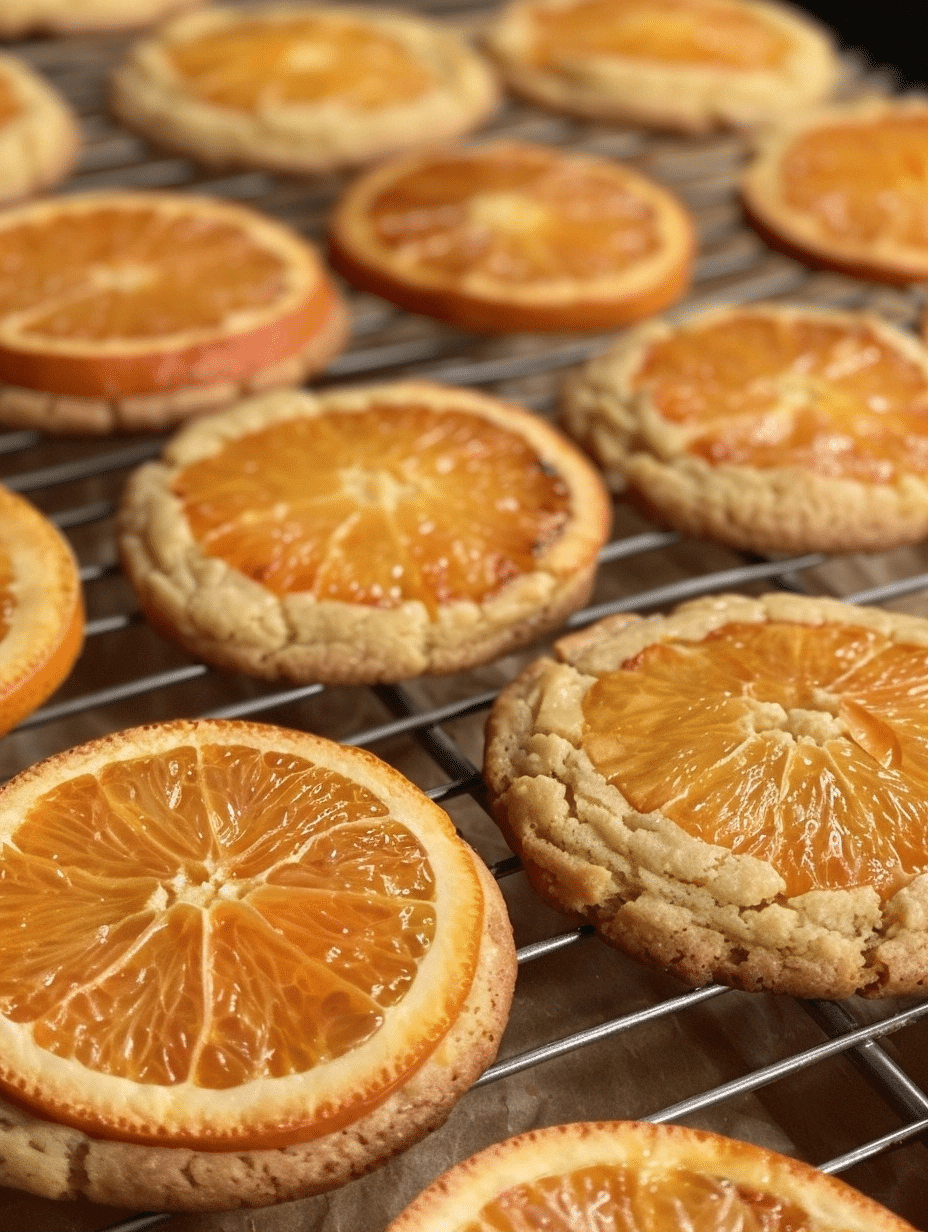
Orange Cookies
Ingredients
- 2 1/4 cups all-purpose flour
- 1 cup unsalted butter, softened
- 1 cup granulated sugar
- 1/2 cup fresh orange juice
- 2 tablespoons fresh orange zest
- 1/2 cup chopped candied orange peel (optional)
- 1/2 teaspoon baking powder
- 1/4 teaspoon salt
Instructions
- Preheat oven to 350°F (175°C)
- In a medium bowl, whisk together flour, baking powder, and salt
- In a separate bowl, cream butter and sugar until light and fluffy
- Add orange juice and zest, mixing thoroughly
- Gradually add dry ingredients to wet ingredients, mixing until combined
- Chill dough 15-20 minutes
- Use a cookie scoop to form balls of dough (about 1.5 inches)
- Place on baking sheets 2 inches apart
- Bake 10-12 minutes, until edges are golden
- Cool on wire racks
Notes
For extra flavor, brush cooled cookies with apricot glaze
Store in airtight container at room temperature up to 5 days
