

Mocktails using tonic water are sophisticated, alcohol-free beverages that combine the botanical complexity of tonic with fresh citrus, herbs, and natural fruits. Tonic water provides a distinctive bitter-sweet flavor profile and effervescence that transforms simple ingredients into elegant drinks suitable for any occasion. These mocktails require no spirits but deliver restaurant-quality taste through careful balance of flavors and premium presentation techniques.
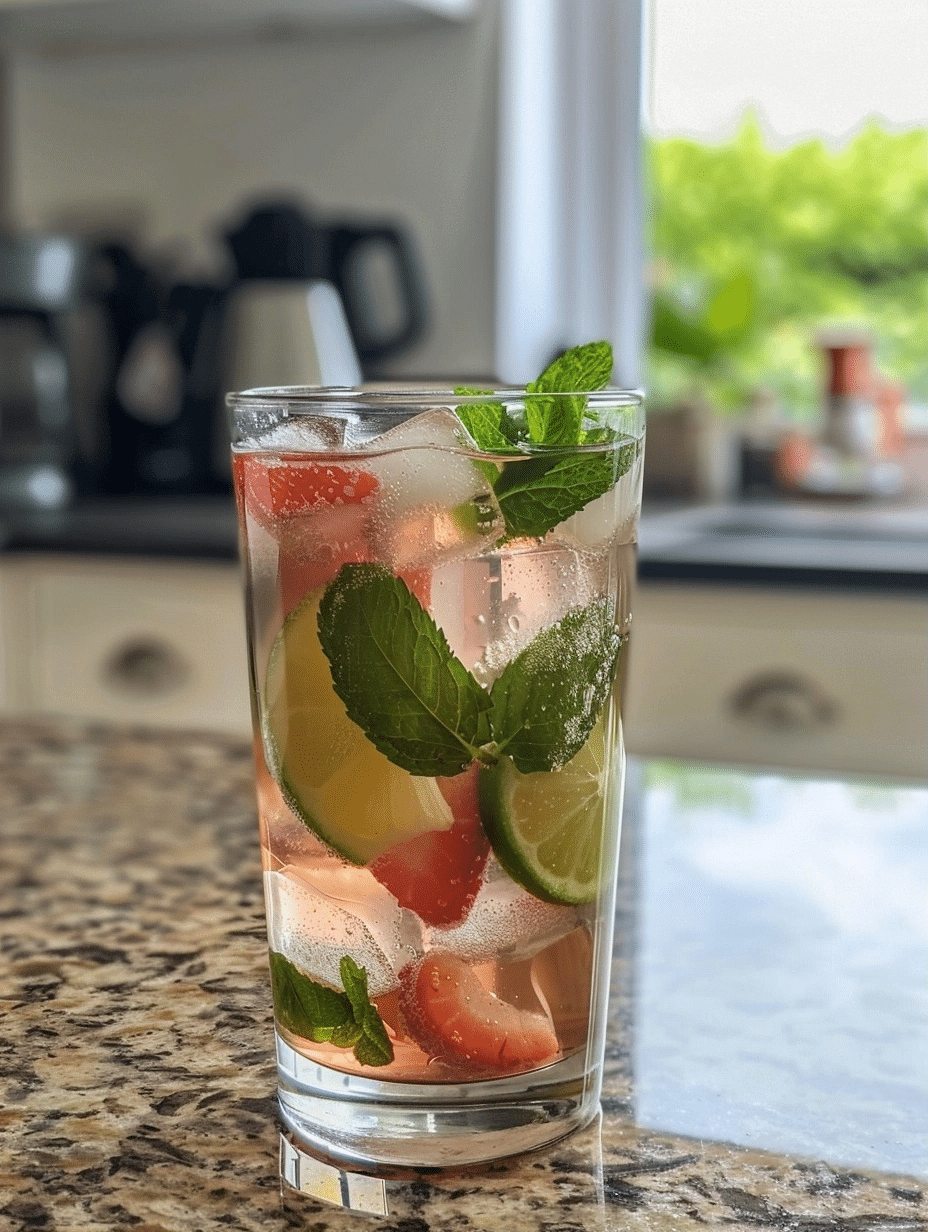
Author Story: Maya’s Journey to Mocktail Mastery
I’m Maya Collins, a 29-year-old from Austin, Texas, and co-creator at Fresh Recipes Corner, where I focus on simple, refreshing drinks you can make anytime. I started by mixing juices in my mom’s kitchen just for fun, and over time it turned into a real passion. My love for working with fruits, herbs, and natural ingredients led me to discover the incredible potential of tonic water as a base for sophisticated mocktails.
Growing up in Texas, I was surrounded by hot summers and endless gatherings where everyone expected alcoholic drinks. I became determined to create beverages that were equally impressive, equally social, and equally craveable without any spirits. Tonic water became my secret weapon because of its unique quinine profile and natural carbonation.
Through countless experiments with fresh lime, juniper berries, fresh mint, and exotic fruits, I developed a deep understanding of how to layer flavors in tonic-based mocktails. My experience working at craft beverage bars and hosting dinner parties has taught me that alcohol-free doesn’t mean flavor-free. Today, I’m thrilled to share my tested recipes and techniques with you.
Recipe Overview
| Metric | Value |
|---|---|
| Prep Time | 10-15 minutes |
| Cook Time | 0 minutes (no cooking) |
| Total Time | 10-15 minutes |
| Servings | 4 mocktails |
| Difficulty Level | Easy to Intermediate |
| Cuisine | Modern Mocktail / Bartender-Style |
Why This Recipe Works
Tonic water creates the perfect foundation for sophisticated mocktails because its quinine content adds natural bitterness that balances sweet juices and syrups. I’ve found that combining tonic with fresh citrus like lime or grapefruit creates complexity similar to what bartenders achieve with spirits. The carbonation provides luxurious mouthfeel and keeps drinks feeling premium and celebratory.
What makes these recipes work is the intentional flavor layering I’ve perfected through experimentation. Tonic water’s herbaceous notes complement fresh herbs like mint, rosemary, and basil beautifully. When you add fresh fruit juice, a touch of natural sweetener, and proper ice technique, you create drinks that rival their alcoholic counterparts in sophistication and satisfaction.
These mocktails are versatile because tonic water adapts to different flavor combinations while maintaining its signature character. From citrus-forward versions to herbal-infused options, tonic provides the bitter backbone that prevents mocktails from becoming too sweet or one-dimensional. This is why I rely on tonic water as my go-to base for creating drinks that impress guests at dinner parties and gatherings.
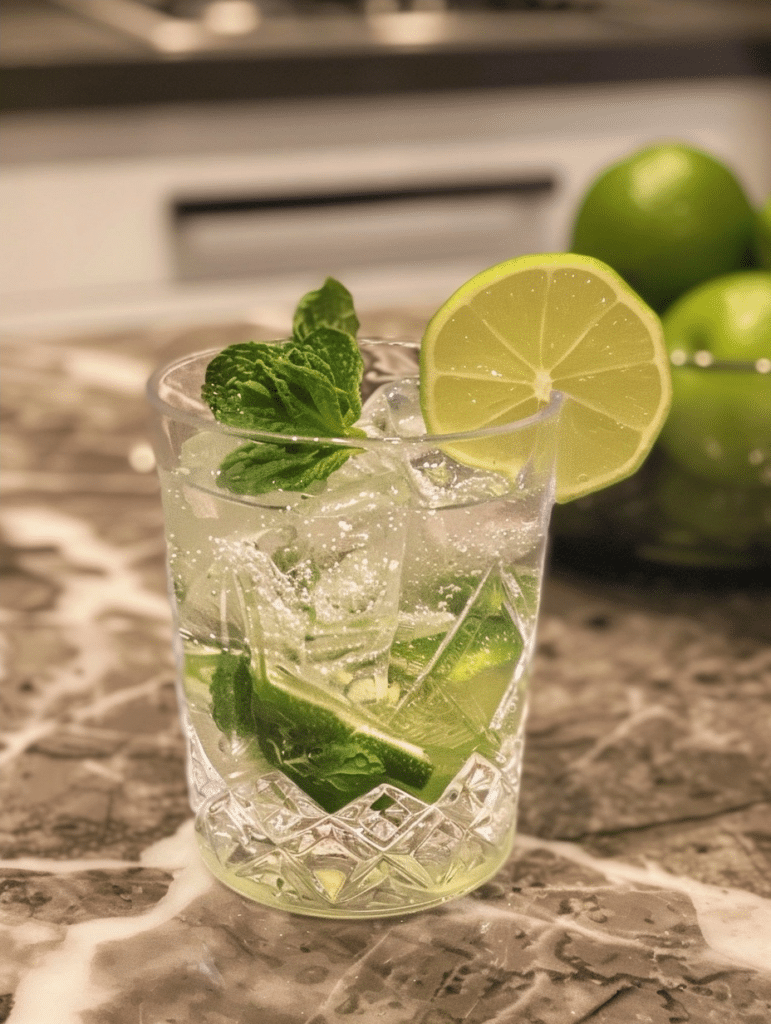
Ingredients for Classic Tonic Mocktails
| Ingredient | Quantity (per 1 serving) | Notes and Alternatives |
|---|---|---|
| Tonic Water | 4-5 oz | Premium brands like Fever-Tree recommended; use low-sugar versions for fewer calories |
| Fresh Lime Juice | 0.75 oz | Always use freshly squeezed; bottled juice lacks brightness and aroma |
| Fresh Lemon Juice | 0.5 oz | Adds natural acidity; can substitute with fresh orange juice for different profile |
| Simple Syrup | 0.5 oz | Make at home with 1:1 sugar and water; herb-infused versions add depth |
| Fresh Mint Leaves | 6-8 leaves | Muddle gently to avoid bruising; basil or rosemary create different flavor notes |
| Grapefruit Juice | 2 oz | Pink grapefruit adds subtle sweetness; white grapefruit emphasizes bitterness |
| Ice (cubed) | 1 cup | Use filtered water for clarity; larger cubes dilute less quickly than small ice |
| Fresh Fruit Garnish | 1-2 pieces | Lime wheels, grapefruit twists, or cherry tomatoes add visual appeal and flavor |
| Sparkling Water | 2 oz (optional) | Add for lighter texture; reduces tonic intensity while maintaining carbonation |
| Elderflower Cordial | 0.25 oz (optional) | Adds floral notes; available at specialty stores or online retailers |
Step-by-Step Instructions
Phase 1: Preparation and Setup
- Fill your cocktail shaker or mixing glass with ice cubes first, which chills the vessel and ensures proper mixing temperature.
- Squeeze fresh limes and lemons into a small bowl, straining out seeds and pulp for clarity.
- Prepare your serving glass by filling it with fresh ice cubes, selecting a rocks glass or highball glass depending on your preferred presentation style.
- Gather all herb garnishes and cut citrus wheels, keeping everything within arm’s reach for efficient assembly.
Phase 2: Building the Mocktail Base
- Pour 0.75 ounces of freshly squeezed lime juice into your mixing glass with the ice.
- Add 0.5 ounces of simple syrup, stirring gently for 10-15 seconds to combine and chill.
- Introduce 2 ounces of fresh grapefruit juice, stirring another 5 seconds to fully integrate all juices.
- Add 6-8 fresh mint leaves, gently pressing them against the glass with your bar spoon to release oils without shredding the leaves.
Phase 3: Carbonation and Assembly
- Pour the prepared juice mixture into your ice-filled serving glass, straining with a bar strainer to catch any herb pieces or ice chips.
- Top the glass with 4-5 ounces of premium tonic water, pouring slowly to preserve carbonation and create layered flavors.
- Stir gently with a bar spoon for just 2-3 rotations, combining the tonic with juices without flattening the carbonation.
- Place a fresh lime wheel on the rim or float it on the surface as a garnish and flavor enhancer.
- Insert a cocktail straw into the center of the drink, positioning it to help the drinker experience all flavor layers as they sip.
Phase 4: Finishing Touches
- Add a final fresh sprig of mint or basil to the top of the drink for aromatic appeal and visual sophistication.
- Serve immediately while the drink is at peak carbonation and temperature, explaining the flavor profile to your guests.
Chef Tips for Perfect Results
- Always use freshly squeezed citrus juice, never bottled or concentrate, as fresh juice carries delicate aromatic compounds that elevate the entire drink. I squeeze limes and lemons moments before making mocktails to preserve their brightness and ensure maximum flavor impact on the final beverage.
- Chill your serving glass with ice for at least one minute before pouring, which prevents the final drink from warming up and diluting prematurely. This technique comes from professional bartenders and makes a measurable difference in texture and temperature retention over 10-15 minutes of sipping.
- Gentle muddling of mint or herbs is essential to release essential oils without bruising leaves or creating cloudiness in the drink. Press herbs firmly but briefly against the glass wall using the back of your bar spoon, limiting muddling to 5-10 seconds maximum.
- Pour tonic water last and always slowly to maintain maximum carbonation and create a sophisticated separation of flavors. Aggressive pouring causes carbonation loss and results in flat-tasting drinks that lack the vibrant mouthfeel that makes tonic-based mocktails special.
- Use ice cubes that are larger than standard ice, as they melt more slowly and prevent dilution during sipping. Restaurant-quality ice and premium filtered water create clarity and purity that noticeably impacts the final drink’s appearance and taste.
- Prepare simple syrup at home using equal parts sugar and water, cooling it before use for consistent results. I infuse my simple syrup with fresh herbs or citrus zest one hour before using it, which adds layered complexity impossible to achieve with commercial products.
Common Mistakes to Avoid
Mistake 1: Using bottled lemon or lime juice instead of fresh. Bottled citrus juice contains preservatives and lacks the aromatic volatility of fresh juice, resulting in flat-tasting mocktails. Fix this by investing in a citrus juicer and squeezing limes and lemons immediately before mixing, which takes only two extra minutes but transforms drink quality completely.
Mistake 2: Pouring tonic water too aggressively or too early. When you pour tonic quickly or mix it in a shaker with ice, you lose 50 percent of the carbonation through vigorous aeration and mechanical mixing. Instead, pour tonic last into your prepared glass, using a gentle pour technique and minimal stirring to preserve the delicate bubbles that create the luxurious mouthfeel.
Mistake 3: Over-muddling herbs until they shred and cloud the drink. Bruised herbs release chlorophyll and plant matter that creates a murky appearance and bitter taste that overwhelms the other flavors. Practice pressing herbs gently against the glass for 5-10 seconds maximum, releasing oils without damage, and remove most herb pieces before straining into your serving glass.
Mistake 4: Skipping the ice chilling step and using warm glasses. A room-temperature glass warms your chilled mocktail within minutes, causing it to become diluted and flavorless by the middle of your drink. Always fill your serving glass with fresh ice and let it sit while you prepare the juice mixture, warming the glass properly so it doesn’t shock the cold liquid you’re about to pour.
Mistake 5: Adding too much simple syrup, making the drink overly sweet. Mocktails should balance tonic’s natural bitterness with sweetness, not mask it with excessive syrup that creates one-dimensional candy-like drinks. Start with 0.5 ounces and taste before adding more, remembering that citrus juice and fruit juices contribute natural sweetness that doesn’t require additional sweetener.
Variations and Substitutions
| Original Ingredient | Substitution | Impact on Flavor Profile |
|---|---|---|
| Fresh Lime Juice | Fresh Lemon Juice | Creates brighter, more tart flavor with less sweetness; emphasizes tonic’s botanical notes |
| Grapefruit Juice | Pineapple Juice | Adds tropical sweetness and smooth texture; reduces perceived bitterness significantly |
| Simple Syrup | Honey Syrup (1:1 honey and hot water) | Contributes floral undertones and deeper sweetness with smoother mouthfeel than sugar syrup |
| Mint Leaves | Fresh Basil or Rosemary | Basil adds peppery spice and aromatic complexity; rosemary creates pine-forward herbal depth |
| Grapefruit Juice | Pomegranate Juice | Increases tartness and adds ruby color; creates more sophisticated, jewel-toned appearance |
| Tonic Water | Bitter Lemon Soda | Reduces original bitterness slightly; bitter lemon adds candied citrus notes for different profile |
| Regular Ice | Frozen Fruit Ice Cubes | Adds subtle fruit flavor as ice melts gradually; prevents drink from becoming watered down |
| Lime Wheel Garnish | Grapefruit Twist or Orange Peel | Changes visual appeal and adds complementary citrus oils to the drink surface |
| Standard Tonic Water | Premium Botanical Tonic | Increases complexity and botanical depth with additional juniper and herbal infusions |
| No Second Mixer | Sparkling Water Addition | Lightens overall drink by reducing tonic intensity while maintaining carbonation and freshness |
Serving Suggestions and Pairings
Serve tonic water mocktails at summer dinner parties alongside grilled vegetables and fresh seafood, where the citrus brightness complements light flavors without overwhelming delicate tastes. These drinks pair exceptionally well with ceviche, fresh salads, and Mediterranean appetizers because the tonic’s bitterness cleanses the palate between bites.
Tonic mocktails are ideal for brunch occasions when served chilled in elegant highball glasses with fresh citrus garnishes. Pair them with fresh fruit platters, yogurt parfaits, and light pastries, where the herbaceous complexity adds sophistication to casual morning gatherings. Serve these drinks immediately after preparation to ensure maximum carbonation and visual appeal.
For formal dinner events, present tonic mocktails as pre-dinner aperitifs to stimulate appetite and welcome guests. The botanical complexity and balanced bitterness-sweetness create an elegant transition into the meal. Serve in premium glassware with carefully considered garnishes like thin grapefruit twists or fresh herb sprigs that signal quality and intentionality.
Tonic water mocktails work beautifully for alcohol-free celebrations, family gatherings, and events where you want sophisticated beverages that rival cocktails in flavor and presentation. Offer them at baby showers, rehearsal dinners, and professional events where non-drinkers deserve equally impressive beverage options as their alcohol-drinking counterparts.
Storage and Preparation Guidelines
| Component | Storage Duration | Instructions |
|---|---|---|
| Finished Mocktail | 2-3 hours maximum | Serve immediately after preparation; keep in refrigerator if necessary, but carbonation diminishes after 30 minutes. Best consumed fresh. |
| Freshly Squeezed Juice | 24 hours | Store in airtight glass container in refrigerator; citrus juice oxidizes and loses brightness over time so make fresh when possible. |
| Simple Syrup | 2-3 weeks | Keep in glass bottle with tight-fitting lid in refrigerator; allows cooling to room temperature before use for consistent mixing. |
| Herb-Infused Syrup | 7-10 days | Strain herbs completely, store in sealed glass container refrigerated; infused syrups lose aromatic intensity after 10 days. |
| Tonic Water (Opened) | 24-48 hours | Recap bottle tightly after each use; store in cool, dark place to preserve carbonation and prevent flavor degradation. |
| Cut Citrus Garnishes | 12-24 hours | Store in sealed container with paper towel to absorb excess moisture; keep refrigerated to prevent browning and maintain freshness. |
| Fresh Herb Sprigs | 3-5 days | Wrap in damp paper towel, place in sealed bag, and refrigerate; herbs wilt quickly so purchase fresh shortly before use. |
Nutritional Information
| Nutrient | Amount per Serving (one 10 oz mocktail) |
|---|---|
| Calories | 65-85 calories |
| Total Fat | 0.2g |
| Saturated Fat | 0g |
| Carbohydrates | 16-18g |
| Dietary Fiber | 0g |
| Sugars | 12-14g |
| Protein | 0.3g |
| Sodium | 35-50mg |
| Vitamin C | 25-30% Daily Value |
| Potassium | 150-180mg |
Approximate values based on standard ingredients. Nutritional content varies depending on specific tonic water brand, juice concentrate levels, and added syrups. Low-sugar or diet tonic water options reduce calorie and sugar content significantly. Using fresh fruit juices without added sugars optimizes nutritional profiles while maintaining exceptional taste.
Frequently Asked Questions
Can I prepare tonic water mocktails in advance for parties?
Tonic water mocktails must be prepared immediately before serving because carbonation begins escaping the moment you pour tonic into the juice mixture. You can prepare all components separately up to two hours ahead, keeping juices chilled, ice ready, and tonic water in the refrigerator, then assemble individual drinks when guests arrive. This approach ensures each guest receives a fresh, properly carbonated drink with maximum flavor and mouthfeel while allowing you to manage your time efficiently.
What tonic water brand works best for mocktails?
Premium brands like Fever-Tree, Schweppes, and Q Tonic deliver superior botanical complexity and consistent carbonation that elevates mocktails noticeably compared to standard supermarket brands. These premium options contain real quinine and carefully balanced botanicals like juniper, lemon peel, and cardamom that complement fresh citrus and herbs beautifully. The slightly higher price point pays dividends in drink quality, making these brands worth prioritizing for sophisticated mocktails and entertaining.
How do I make herb-infused simple syrup for tonic mocktails?
Heat equal parts sugar and water in a saucepan until sugar dissolves completely, then add fresh herbs like mint, basil, or rosemary and remove from heat immediately. Allow the syrup to cool completely at room temperature for 30-45 minutes while the herbs infuse their flavors, then strain out all plant material through a fine-mesh strainer. Store the cooled herb-infused syrup in a sealed glass container in the refrigerator for up to ten days, using it in place of regular simple syrup for enhanced complexity and aromatic depth.
Should I muddle herbs in tonic water mocktails or just float them?
Always muddle herbs gently in your mixing glass before adding the final tonic water, as this releases essential oils and creates maximum flavor impact. Press mint or basil leaves firmly but briefly against the glass using your bar spoon’s back, limiting muddling to five to ten seconds maximum to avoid bruising leaves and creating cloudiness. Remove most muddled herb pieces before straining the juice mixture into your serving glass, then add a fresh herb sprig as a garnish for aroma and visual appeal.
Can I substitute club soda or seltzer for tonic water in these mocktails?
Club soda and seltzer lack the distinctive quinine bitterness and botanical complexity that make tonic water special, resulting in less sophisticated drinks that taste incomplete. You could use club soda as a supplementary ingredient to lighten a tonic mocktail and reduce perceived bitterness, but replacing tonic entirely eliminates the signature flavor that distinguishes these drinks. If you dislike tonic’s bitterness, try premium botanical tonics or bitter lemon sodas, which offer bitterness complexity without the specific quinine profile.
How can I make low-sugar or diet versions of tonic water mocktails?
Use diet or low-sugar tonic water brands as your primary mixer, reducing calories and sugar content from 15-20 grams per serving to nearly zero. Replace regular simple syrup with alternatives like stevia-sweetened syrup or honey combined with water, maintaining sweetness while reducing refined sugar. Fresh citrus juice naturally contains sugars, so rely on bitter citrus like lemon and grapefruit over sweeter juices, and skip added sweetener entirely to create mocktails under 30 calories that taste bright and refreshing.
Conclusion
Mocktails using tonic water deliver sophisticated, alcohol-free beverages that rival craft cocktails in complexity and elegance. With fresh citrus, quality tonic, and proper technique, you create drinks perfect for any occasion. Master these recipes today and transform your entertaining with restaurant-quality mocktails using tonic water that leave lasting impressions on every guest.
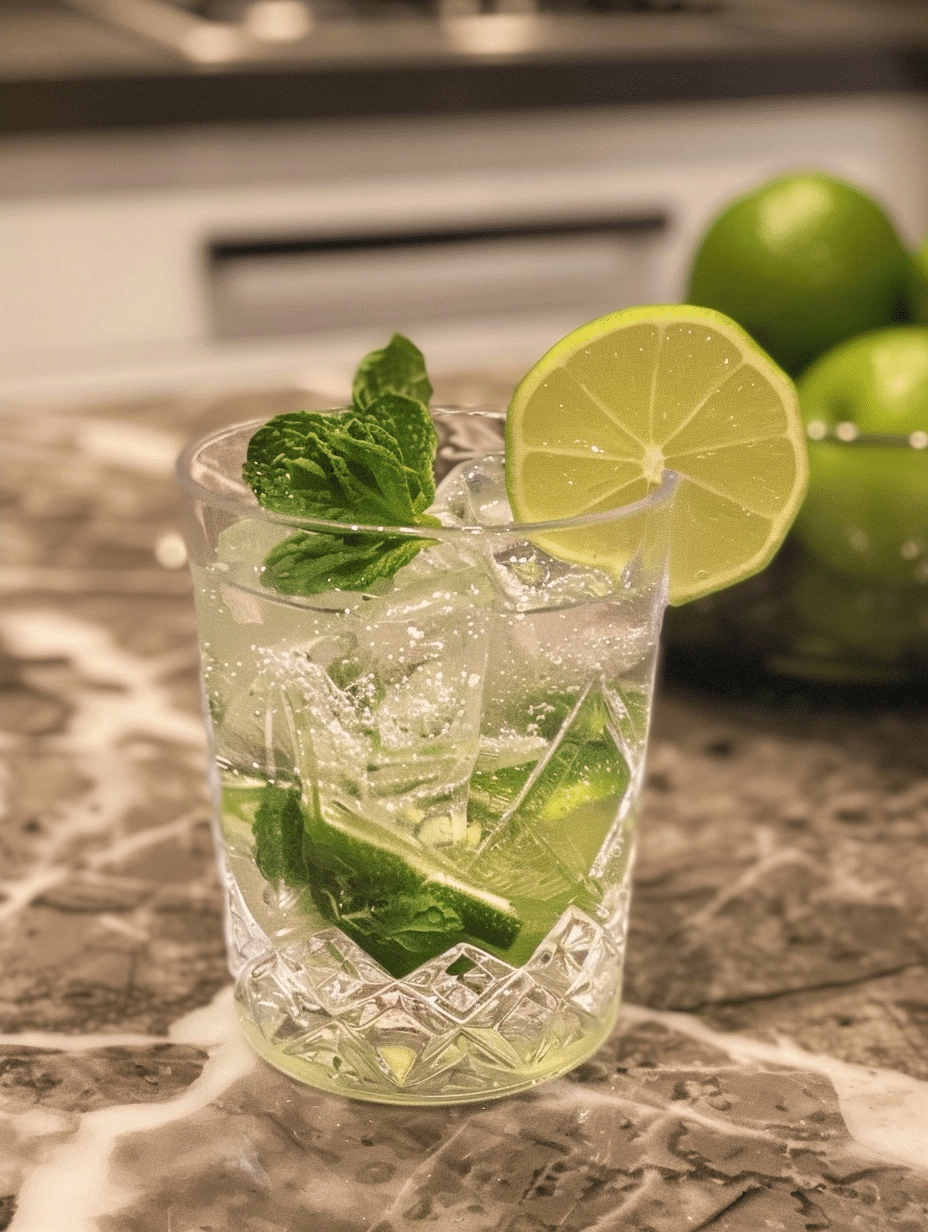
Lime and Mint Tonic Spritzer
Ingredients
- 2 lime wedges, juiced
- 6 fresh mint leaves
- 1 cup cold tonic water
- 1 tbsp simple syrup (adjust to taste)
- Ice cubes, for serving
- Lime slice and mint sprig, for garnish
Instructions
- Juice the lime wedges and muddle the mint leaves in a shaker
- Add simple syrup and ice cubes to the shaker
- Pour tonic water into a glass filled with fresh ice
- Strain shaker contents into the glass and stir gently
- Garnish with lime slice and mint sprig
Notes
Adjust syrup to personal taste preference
Tonic water can be substituted with sparkling herbal tea for a non-quinine base
Store remaining simple syrup in the refrigerator for up to 2 weeks