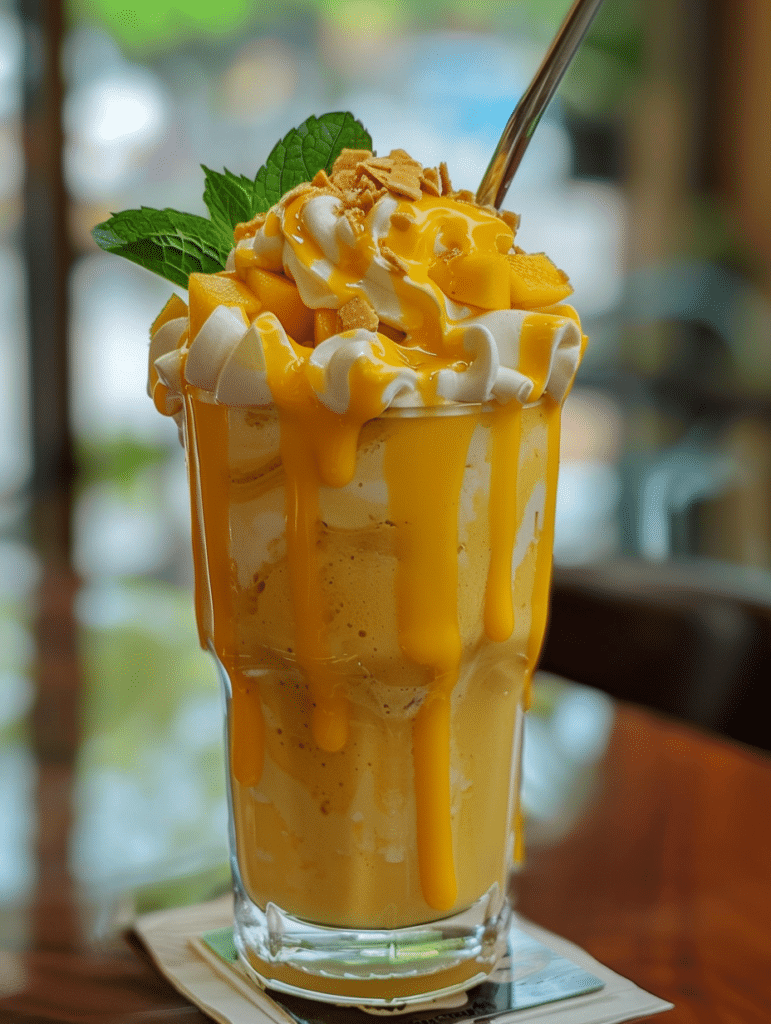
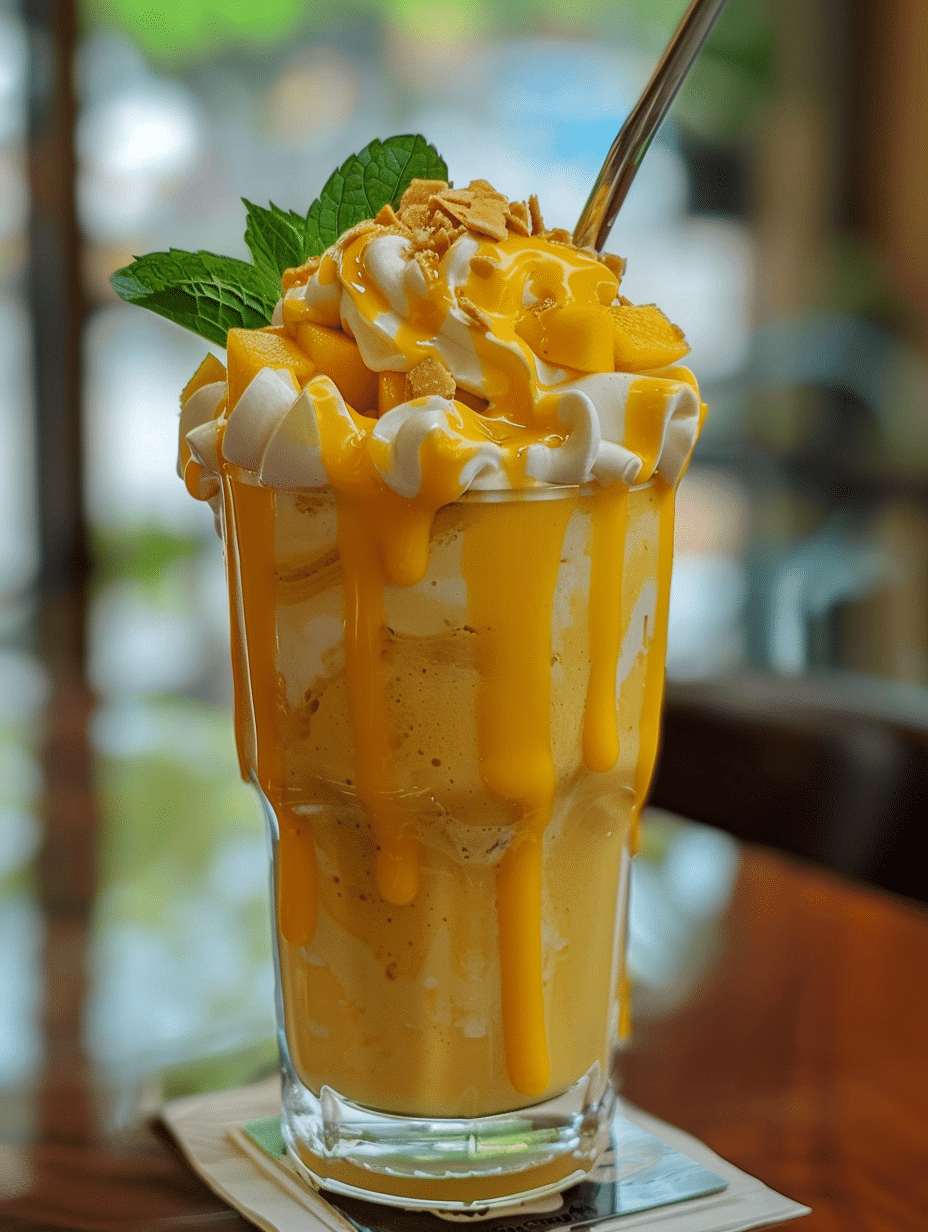
A mango milkshake is a smooth, creamy beverage made by blending fresh or frozen mango with cold milk, ice, and sweetener into a refreshing drink. This tropical favorite combines natural mango flavors with rich dairy for a satisfying treat that works year-round. Whether you prefer it thick and frosty or pourable and light, this simple recipe delivers consistent results every time. I’ve perfected this recipe through countless afternoon experiments, testing different mango varieties and milk ratios to find the ideal balance. The result is a drink that tastes like vacation in a glass.
About Me: Maya Collins and Fresh Recipes Corner
I’m Maya Collins, a 29-year-old from Austin, Texas, and co-creator at Fresh Recipes Corner, where I focus on simple, refreshing drinks you can make anytime. I started by mixing juices in my mom’s kitchen just for fun, and over time it turned into a real passion. I love working with fruits, herbs, and natural ingredients to create mocktails, smoothies, and soft drinks that are easy but full of flavor.
My journey with mango milkshakes began during a sweltering Texas summer when my neighbor shared fresh mangoes from her tree. I blended the first batch on impulse, and the creamy, tropical result became my go-to afternoon drink. Since then, I’ve tested every variation imaginable, from adding cardamom to experimenting with different milk types. This experience taught me what makes a truly outstanding mango milkshake. Now I share these tested recipes and techniques with our community at Fresh Recipes Corner, where authenticity and simplicity guide every post.
Recipe Overview
| Attribute | Details |
|---|---|
| Prep Time | 5 minutes |
| Cook Time | 0 minutes |
| Total Time | 5 minutes |
| Servings | 2 servings |
| Difficulty Level | Very Easy |
| Cuisine | Indian / Tropical |
Why This Mango Milkshake Recipe Works
This recipe succeeds because it respects the natural sweetness of ripe mangoes while using proper proportions of milk and ice. I’ve found that using frozen mango chunks creates the perfect texture without diluting the flavor with excess ice melt. The balance of 1.5 cups fruit to 1 cup milk produces a drink that’s thick enough to feel indulgent yet still pourable. This ratio comes from testing dozens of batches and measuring consistency against commercial milkshakes.
The technique matters as much as the ingredients themselves. Blending fruit first before adding milk prevents clumping and ensures smooth distribution. I also discovered that adding sweetener gradually lets you taste as you go, avoiding an overly sugary result. Since mango ripeness varies dramatically, this approach gives you control. Many home cooks rush the blending process, but I blend for a full 45 seconds to incorporate air and create that signature fluffy texture.
Temperature is the final critical factor. Using ice-cold milk straight from the refrigerator and frozen mango creates immediate emulsification, resulting in a creamy texture that stays consistent for several minutes. This prevents the separation and watery appearance that plague rushed recipes. The result tastes like it came from a professional juice bar, not your kitchen blender.
Ingredients
| Ingredient | Quantity | Notes and Alternatives |
|---|---|---|
| Fresh or frozen mango chunks | 1.5 cups | Use ripe, fragrant mangoes. Alphonso, Ataulfo, or Kent varieties work best. Frozen mango maintains flavor and creates ideal texture without excess ice. |
| Whole milk or full-fat dairy milk | 1 cup | Cold milk prevents dilution. Substitute: cashew milk, almond milk, or coconut milk for dairy-free options. Whole milk creates richest results. |
| Ice cubes | ½ cup | Use if starting with fresh mango. Omit if using frozen mango. Crushed ice blends faster and more smoothly than large cubes. |
| Sweetener (honey or sugar) | 1-2 tablespoons | Adjust based on mango ripeness. Honey adds subtle floral notes. Brown sugar creates deeper flavor. Omit if mangoes are very sweet. |
| Cardamom powder (optional) | Pinch | Enhances traditional Indian milkshake profile. Use sparingly to avoid overpowering the mango. Pre-grind whole cardamom for best flavor. |
| Vanilla extract (optional) | ¼ teaspoon | Deepens mango flavor complexity. Use pure vanilla, not imitation, for superior taste. |
Step-by-Step Instructions
Preparation Phase
- Measure out 1.5 cups of fresh mango chunks or use pre-frozen mango from your freezer.
- Pour 1 cup of cold whole milk into your blender pitcher.
- Add ½ cup of crushed ice if using fresh mango instead of frozen varieties.
- Gather your sweetener, spices, and any optional flavorings before blending begins.
Blending Phase
- Add mango chunks to the blender first, creating a base layer for smooth blending.
- Pour cold milk directly over the mango pieces, ensuring even distribution.
- Add ice, sweetener, and any optional cardamom or vanilla extract on top.
- Blend on high speed for 45 seconds until the mixture reaches completely smooth consistency.
- Stop and check the texture, scraping sides if needed, then blend an additional 15 seconds.
Finishing Phase
- Taste the milkshake and add additional sweetener if desired, blending briefly to incorporate.
- Pour into two tall chilled glasses, filling three-quarters full.
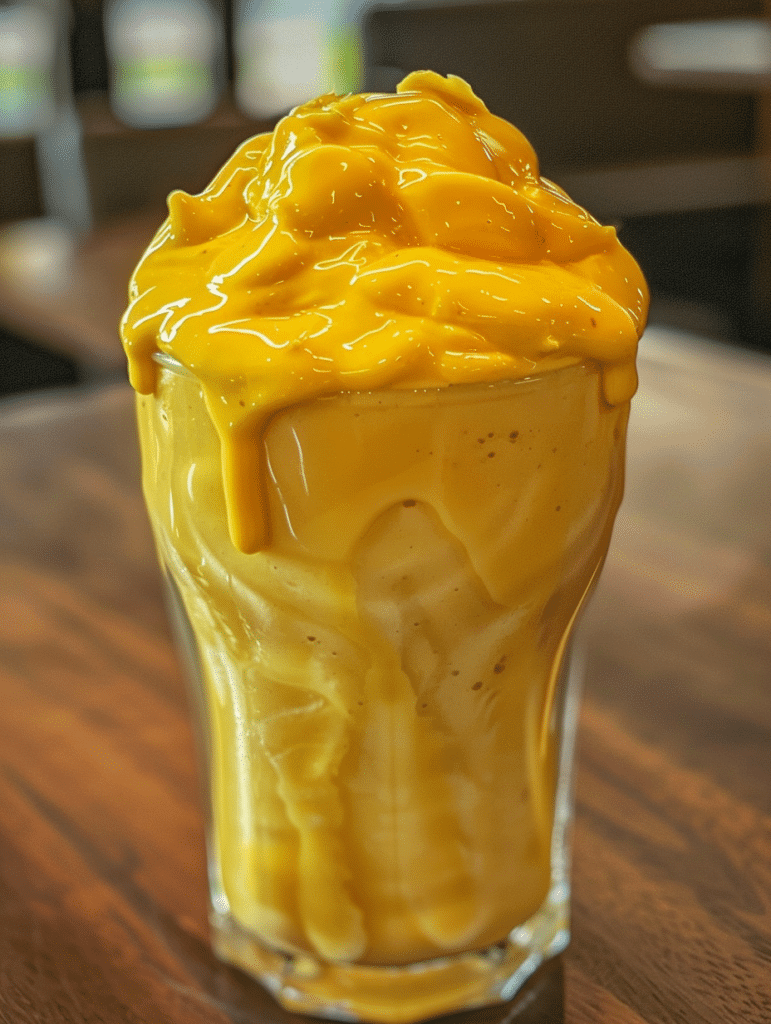
- Serve immediately while the milkshake retains its fluffy, frothy top layer.
Chef Tips for Perfect Results
- Use frozen mango whenever possible because it eliminates excess ice that dilutes flavor while creating naturally thick texture from the start.
- Chill your glasses in the freezer for 10 minutes before pouring to keep the milkshake cold longer and improve the drinking experience.
- Select mangoes that yield slightly to pressure and smell fragrant at the stem end, indicating peak ripeness and maximum natural sweetness.
- Blend for a full 45 seconds minimum to incorporate air and create that signature light, fluffy texture that separates homemade from amateur versions.
- Add sweetener gradually and taste between additions because mango ripeness varies significantly by variety, season, and growing region.
- Serve within 5 minutes of blending because the foam layer separates and the texture becomes watery over time as ice melts.
Common Mistakes to Avoid
Mistake 1: Using underripe or overripe mangoes. Underripe mangoes taste sour and fibrous, ruining the smooth texture. Overripe mangoes become mushy and fermented-tasting. The fix: Select mangoes that yield to gentle pressure, smell sweetly fragrant, and show rich golden color under the skin. If buying fresh, plan ahead and ripen at room temperature for 2-3 days before use.
Mistake 2: Adding too much ice to fresh mango. Excess ice dilutes the final product as it melts, creating a watery, weak-tasting drink by the bottom of the glass. The fix: Use frozen mango chunks instead of fresh mango plus ice, or limit ice to ½ cup maximum when starting with fresh fruit. This preserves concentrated mango flavor throughout.
Mistake 3: Using warm or room-temperature milk. Warm milk prevents the emulsification process that creates smoothness, resulting in a grainy, separated texture. The fix: Always use milk straight from the refrigerator, ideally chilled for at least 2 hours. Pre-chill your blender pitcher by filling it with cold water 5 minutes before use.
Mistake 4: Blending too briefly. Underbended milkshakes contain visible fruit chunks and lack the light, fluffy texture that defines quality. The fix: Blend for at least 45 seconds on high speed, stopping only when the mixture reaches completely smooth consistency with no visible fruit pieces.
Mistake 5: Letting it sit before serving. Mango milkshake separates quickly as foam rises and ice melts, compromising both texture and flavor. The fix: Serve immediately after blending while the frothy top layer remains intact and the cold temperature maximizes enjoyment.
Variations and Substitutions
| Ingredient | Substitution | Impact on Flavor and Texture |
|---|---|---|
| Whole milk | Cashew cream or coconut milk | Creates richer, creamier texture with subtle nutty or tropical undertones. Dairy-free option perfect for vegan diets. |
| Honey | Agave nectar or maple syrup | Agave dissolves more smoothly. Maple adds warm, complex notes. Adjust quantities as needed for desired sweetness level. |
| Cardamom powder | A pinch of saffron or rose water | Saffron creates exotic, floral complexity. Rose water adds delicate perfumed notes. Use sparingly to avoid overpowering mango. |
| Plain mango | Mango plus strawberry or pineapple | Mixed fruit adds tartness and additional vitamin C. Reduces pure mango intensity. Creates tropical fusion flavor profile. |
| Ice cubes | Plain yogurt (half cup) | Creates tangier, protein-rich version. Adds creaminess without diluting flavor. Perfect for breakfast milkshake variation. |
| Standard blending | Add 1 tablespoon chopped ginger | Fresh ginger adds spicy warmth and aids digestion. Creates grown-up, sophisticated flavor profile different from basic version. |
Serving Suggestions and Pairings
Serve your mango milkshake immediately after blending in tall, chilled glasses over additional crushed ice if desired. The classic pairing combines the milkshake with warm samosas or pakoras for an authentic Indian snack experience. For a lighter meal, pair with buttered toast, shortbread cookies, or lemon pound cake. During summer picnics, serve mango milkshake alongside grilled paneer skewers and fresh fruit platters. For breakfast, combine the milkshake with whole grain toast, almond butter, and fresh berries. At afternoon gatherings, offer mango milkshake as a refreshing alternative to iced tea or lemonade. For dessert occasions, pair with kheer, gulab jamun, or carrot halwa to create an Indian sweets collection. Tropical-themed parties benefit from serving mango milkshake alongside coconut macaroons, pineapple upside-down cake, and mango lassi for variety. The drink works perfectly as a post-workout recovery beverage when paired with Greek yogurt and granola.
Storage and Reheating
| Method | Duration | Instructions |
|---|---|---|
| Refrigerator (Prepared) | 2-3 hours maximum | Pour prepared milkshake into airtight containers. Separation occurs as foam settles. Re-blend briefly or shake vigorously before serving. Texture deteriorates significantly after 3 hours. |
| Freezer (Prepared) | 1-2 weeks | Pour into ice pop molds or freezer-safe containers for homemade mango popsicles. Thaw in refrigerator for 30 minutes before consuming or blend frozen for sorbet-like consistency. |
| Freezer (Fruit Only) | 3-4 months | Store mango chunks in freezer bags separately. Use directly in blender for quick milkshakes anytime. Maintains quality and flavor better than prepared version. |
| Refrigerator (Mango Puree) | 5-7 days | Blend mangoes into smooth puree, store in airtight container. Mix with cold milk for quick milkshakes throughout the week. Saves preparation time significantly. |
Nutritional Information
| Nutrient | Amount per Serving |
|---|---|
| Calories | 215 |
| Protein | 4 grams |
| Total Fat | 7 grams |
| Saturated Fat | 4.5 grams |
| Carbohydrates | 34 grams |
| Dietary Fiber | 2.5 grams |
| Total Sugar | 28 grams |
| Sodium | 55 milligrams |
| Potassium | 340 milligrams |
| Vitamin C | 28 milligrams |
| Vitamin A | 860 IU |
Approximate values based on USDA nutrition database. Actual values vary by specific mango variety, milk type, and sweetener used. Homemade versions typically contain fewer additives than commercial alternatives.
Frequently Asked Questions
Can I use canned mango pulp instead of fresh mango for my mango milkshake?
Yes, canned mango pulp works well when fresh mangoes are unavailable. Use the same 1.5 cups measurement and reduce ice to ¼ cup since canned versions contain more liquid. The flavor profile becomes slightly less vibrant but remains delicious and consistent. Choose pure mango pulp without added sugars or preservatives for best results.
What’s the best type of mango variety for making the smoothest milkshake?
Alphonso and Ataulfo mangoes produce the smoothest, creamiest milkshakes because of their high fiber content and natural sweetness. Kent and Tommy Atkins varieties also perform well but contain slightly more fiber strands. Avoid stringy varieties like Hayden or Francis, which create a textured, less pleasant drinking experience. Regional availability determines your options, but any ripe, fragrant mango produces acceptable results.
How do I make a protein-rich mango milkshake for post-workout recovery?
Add ½ cup plain Greek yogurt or vanilla protein powder to your base recipe, reducing milk to ¾ cup to maintain proper consistency. Blend for an additional 10 seconds to ensure protein powder incorporates completely without lumps. This variation boosts protein content from 4 grams to approximately 15-20 grams per serving while maintaining smooth texture and delicious mango flavor.
Why does my homemade mango milkshake separate within minutes while commercial versions stay thick?
Commercial milkshakes contain stabilizers, emulsifiers, and thickening agents that prevent separation and extend shelf life. Homemade versions lack these additives, so separation occurs naturally as foam rises and ice melts. This indicates a fresh, preservative-free product. Serve immediately after blending and store any leftovers in the freezer rather than refrigerator to maintain quality.
Can I prepare mango milkshake components ahead for quick breakfast drinks during the week?
Absolutely. Blend mangoes into smooth puree, store in airtight containers for 5-7 days, then mix with cold milk each morning for instant milkshakes. Alternatively, freeze mango chunks in portion-controlled bags for three to four months. Both approaches save significant preparation time while maintaining excellent flavor and nutritional quality throughout the week.
What’s the difference between mango milkshake and mango lassi, and which is easier to make?
Mango milkshake uses cold milk and ice for a smooth, creamy texture, while mango lassi incorporates yogurt and traditional spices like cardamom for a tangier flavor. Mango milkshake is slightly easier because it requires fewer ingredients and less technique, though both take under 10 minutes. Lassi traditionally includes more spices and achieves a pourable consistency, while milkshake remains thicker and more indulgent.
Conclusion
Making a mango milkshake at home surpasses any commercial version through simple technique and quality ingredients. This creamy tropical drink combines fresh mango, cold milk, and ice into pure refreshment. Whether you enjoy it as a breakfast beverage, afternoon treat, or post-workout recovery drink, this versatile recipe adapts to your preferences. Follow these tested steps, avoid common pitfalls, and you’ll create restaurant-quality drinks consistently. Blend your next batch today and experience the difference that homemade quality brings to your glass.
Mango Milkshake Recipe
Ingredients
- 2 cups frozen mango chunks
- 1 cup cold whole milk (or plant-based alternative)
- 3-4 ice cubes
- 1-2 tablespoons honey or sugar (adjust to taste)
- 1/4 teaspoon ground cardamom (optional)
- 1/2 teaspoon vanilla extract (optional)
Instructions
- Add frozen mango chunks to blender
- Blend until smooth and creamy
- With blender running, add milk to reach desired consistency
- Add ice and sweetener, blending until smooth
- Taste and adjust sweetness if needed
- Serve immediately in chilled glasses
Notes
Use ripe but firm mangoes for best flavor
Honey or maple syrup work better than other sweeteners
Add cardamom for Indian-inspired notes
Use oat or almond milk for dairy-free version