
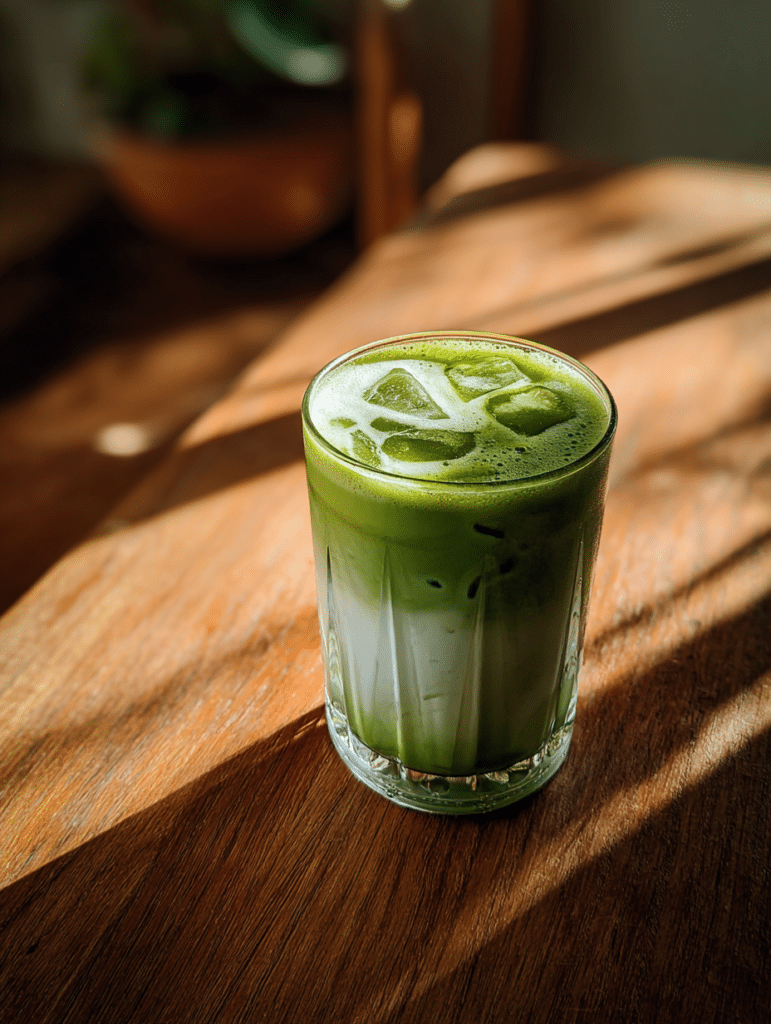
A low calorie iced matcha latte is a refreshing green tea drink made with finely ground matcha, milk, and a light sweetener. It delivers steady energy, fewer calories than typical coffee drinks, and a smooth, earthy flavor. You can prepare it at home in just minutes using simple ingredients.
I still remember the first time I made a low calorie iced matcha latte on a warm afternoon. I wanted something refreshing but not packed with sugar like most café drinks. After testing a few versions in my kitchen, I finally found one that tasted smooth, lightly sweet, and incredibly satisfying without unnecessary calories.
Hi, I’m Eva Stoner, and welcome to Fresh Recipes Corner, where everyday cooking stays simple, enjoyable, and full of flavor. My love for cooking started in my grandmother’s kitchen, where I learned that great food doesn’t have to be complicated. This recipe reflects that same philosophy. It’s practical, beginner-friendly, and easy to recreate at home.
If you enjoy refreshing drinks, you might also like this matcha lemonade recipe or a creamy matcha green tea smoothie. Both follow the same simple and flavorful approach.
Table of Contents
KEY TAKEAWAYS: What You Need To Know
A low calorie iced matcha latte combines matcha powder, milk, ice, and a light sweetener. It offers balanced energy without excess sugar or calories. This drink works well for mornings, afternoon refreshment, or as a coffee alternative.
- What it is: A lighter version of a traditional matcha latte
- Why it matters: Helps reduce sugar and calorie intake
- Who it’s for: Beginners, health-conscious readers, matcha lovers
- When to use it: Morning boost or midday refresh
- How to make it: Whisk matcha, add milk, pour over ice
Many readers who enjoy functional drinks also explore options like this natural mounjaro recipe or trending blends in this Japanese mounjaro review.
What Is a Low Calorie Iced Matcha Latte and Why Is It So Popular?
A low calorie iced matcha latte is a chilled green tea drink made with matcha powder, water, milk, and a low-calorie sweetener. It stands out because it delivers flavor and energy without the sugar-heavy profile of many coffeehouse beverages.
What makes a low calorie iced matcha latte different from regular matcha drinks?
Traditional matcha lattes often include sweetened syrups or full-fat milk, which quickly increases calorie content. In contrast, a low calorie iced matcha latte uses lighter milk options and controlled sweetness.
For example, many low calorie matcha Starbucks alternatives still contain hidden sugars. When you make it at home, you control every ingredient.
| Drink Type | Average Calories |
|---|---|
| Starbucks Matcha Latte | 200–300+ |
| Homemade Low Calorie Version | 50–90 |
This difference makes it a better choice for daily use.
Why is iced matcha considered a healthy drink option?
Many people ask, is iced matcha healthy? The answer depends on how you prepare it.
Matcha contains antioxidants called catechins, which support overall wellness. According to Wikipedia, matcha uses whole tea leaves, so you get more nutrients compared to regular green tea.
Additionally, the U.S. Department of Agriculture notes that unsweetened tea provides hydration with minimal calories, making it a smart beverage choice (U.S. Department of Agriculture).
Because of this, a low calorie iced matcha latte fits perfectly into a balanced lifestyle while delivering steady energy without sugar crashes.
Ingredients for the Best Healthy Matcha Latte Recipe
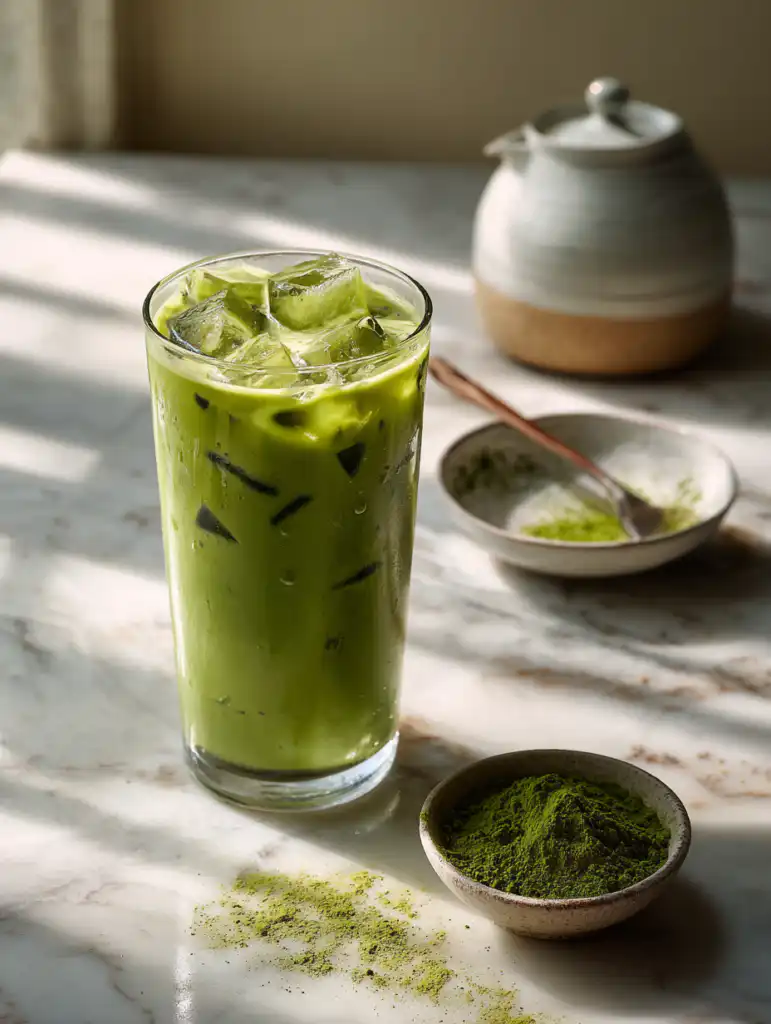
A low calorie iced matcha latte uses simple, clean ingredients. You don’t need anything complicated. The key is choosing the right combination to keep calories low while maintaining a smooth, rich flavor.
Essential ingredients for a healthy matcha latte recipe
You only need a few basics to make a healthy matcha latte recipe at home. Each ingredient plays a clear role in taste and texture.
- Matcha powder:
Use ceremonial grade for a smoother taste or culinary grade for a more budget-friendly option. Both work well in a matcha latte recipe easy version. - Milk of choice:
Almond milk, oat milk, or skim milk keeps calories low. Almond milk usually has the lowest calorie count. - Water:
Warm water helps dissolve matcha properly and prevents clumps. - Sweetener (optional):
Use honey, maple syrup, or a zero-calorie option like stevia for a lighter drink.
If you enjoy experimenting with flavors, recipes like this matcha crepe roll cake show how versatile matcha can be beyond drinks.
| Ingredient | Purpose |
|---|---|
| Matcha Powder | Provides flavor and nutrients |
| Milk | Adds creaminess |
| Water | Helps dissolve matcha |
| Sweetener | Balances earthy taste |
Ingredient swaps to keep your matcha latte low calorie
Small changes can make a big difference in calories. If you want a truly healthy matcha tea latte, focus on smart swaps.
- Choose unsweetened milk:
Almond milk (30–40 calories per cup) works best for a low calorie iced matcha latte - Skip sugary syrups:
Replace them with stevia or monk fruit to reduce calories - Control portion size:
Use 1 teaspoon of matcha and avoid excess milk - Add natural flavor instead of sugar:
Vanilla extract or cinnamon adds depth without calories
| Option | Calories (Approx.) |
|---|---|
| Whole Milk Latte | 150–200 |
| Oat Milk Latte | 120–160 |
| Almond Milk Latte | 50–90 |
These simple adjustments help you enjoy a flavorful drink without going over your daily calorie goals.
If you’re focused on wellness drinks, you might also find this guide on the pink salt trick for neuropathy interesting, especially when paired with low-calorie beverages.
How to Make a Low Calorie Iced Matcha Latte at Home
A low calorie iced matcha latte is quick to prepare and requires only a few steps. You can make it in under 5 minutes with simple tools. The key is mixing the matcha correctly to get a smooth, balanced drink without bitterness or clumps.
Step-by-step matcha latte recipe easy method
Follow this matcha latte recipe easy process for consistent results every time.
What you need:
- 1 teaspoon matcha powder
- 2 tablespoons warm water (not boiling)
- 1 cup unsweetened almond milk (or preferred milk)
- Ice cubes
- Optional: low-calorie sweetener
Steps:
- Sift the matcha powder
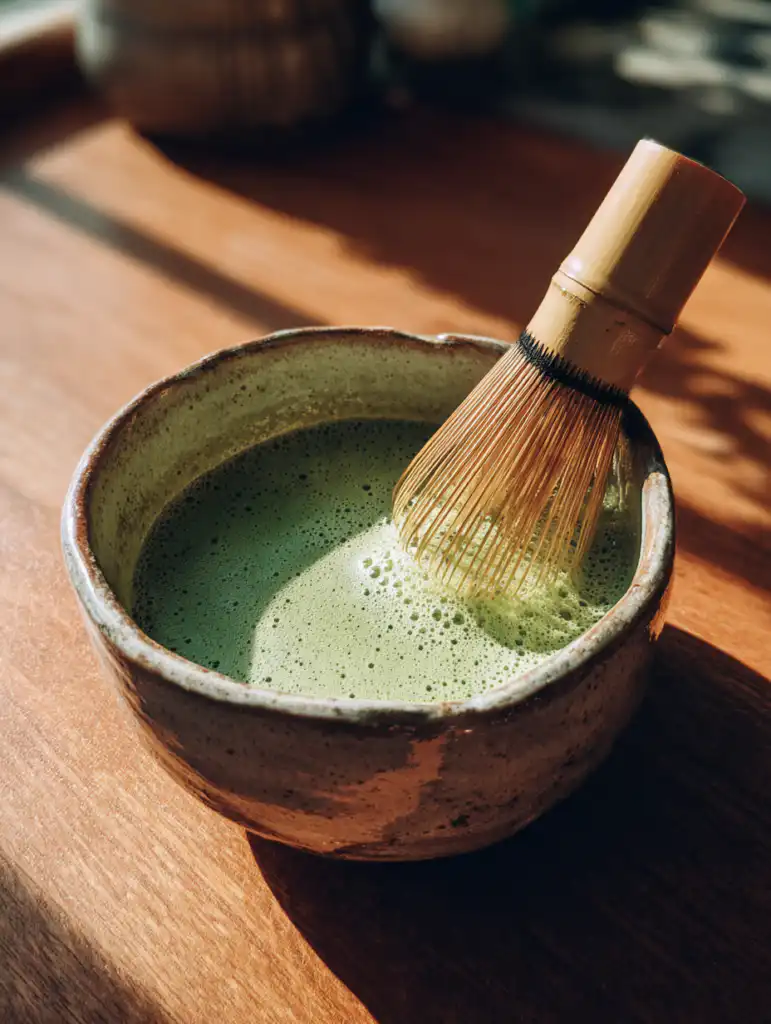
This step prevents clumps and creates a smoother texture. - Add warm water and whisk
Use a bamboo whisk or small frother. Mix until the matcha becomes smooth and slightly frothy. - Fill a glass with ice
Use plenty of ice for a refreshing matcha tea latte experience. - Pour in the milk
Slowly add your milk over the ice. - Add the matcha mixture
Pour it gently over the milk for a layered look. - Stir and sweeten if needed
Mix everything together and adjust sweetness to taste.
This method creates a balanced healthy matcha latte recipe with a smooth texture and clean flavor.
If you enjoy experimenting with refreshing drinks, you might also like this Brazilian mounjaro recipe, which offers another simple homemade option.
Common mistakes to avoid when making matcha tea latte
Even a simple recipe can go wrong without the right technique. Avoid these common mistakes to keep your low calorie iced matcha latte tasting fresh and smooth.
- Using boiling water
Hot water burns matcha and creates a bitter taste. Always use warm water instead. - Skipping the sifting step
Clumps can ruin the texture. Always sift your matcha before mixing. - Over-sweetening
Too much sugar defeats the purpose of a low calorie drink. Start small and adjust gradually. - Using low-quality matcha
Poor quality matcha tastes dull and bitter. Choose a vibrant green powder when possible. - Not mixing properly
A quick stir is not enough. Whisk thoroughly to fully dissolve the matcha.
A reader recently shared:
“I used to think matcha was too bitter until I followed this method. Now my homemade iced matcha latte tastes better than any café version and fits my daily routine perfectly.”
By following these steps and avoiding common errors, you can consistently make a healthy matcha tea latte that tastes fresh, smooth, and satisfying.
Are Matcha Lattes Healthy? Benefits Explained Clearly
A low calorie iced matcha latte is healthy when you prepare it with clean ingredients and minimal sugar. It provides antioxidants, steady energy, and fewer calories than most coffee drinks. This makes it a smart choice for daily use, especially for anyone looking for a balanced lifestyle.
Health benefits of matcha tea latte backed by research
A well-made low calorie iced matcha latte offers more than just flavor. It delivers real nutritional value that supports everyday wellness.
- Rich in antioxidants
Matcha contains catechins, especially EGCG, which help protect cells. Because you consume the whole leaf, a healthy matcha tea latte delivers more nutrients than regular green tea. According to Wikipedia, this is one of the key differences that makes matcha unique. - Provides calm, steady energy
Unlike coffee, a low calorie iced matcha latte contains L-theanine. This compound promotes focus without the jittery feeling many people get from caffeine. - Supports metabolism and weight goals
Many people choose a low calorie iced matcha latte as a lighter alternative to sugary drinks. The lower calorie content helps support weight management when combined with balanced meals. - Hydrating and low in calories
The U.S. Department of Agriculture highlights that unsweetened tea is a low-calorie beverage that supports hydration (U.S. Department of Agriculture). This makes a low calorie iced matcha latte a practical daily drink.
If you enjoy combining wellness drinks into your routine, pairing this with options like a natural mounjaro recipe can help create a simple, consistent approach to healthier habits.
Who should drink a healthy matcha tea and who should limit it?
A low calorie iced matcha latte works well for many people, but it’s still important to understand how it fits into your routine.
Best for:
- People looking to reduce sugar intake
- Anyone replacing high-calorie coffee drinks
- Beginners exploring healthy matcha recipes
- Those who want steady, focused energy
Limit if:
- You are sensitive to caffeine
- You already consume multiple caffeinated drinks daily
- You are pregnant or need to monitor caffeine intake
For most people, 1–2 servings of a low calorie iced matcha latte per day works well. This keeps caffeine levels moderate while still delivering the benefits of matcha.
A reader recently shared:
“Switching to a low calorie iced matcha latte helped me cut down on sugary coffee drinks. I feel more balanced during the day and don’t get that afternoon crash anymore.”
This is where a low calorie iced matcha latte really stands out. It offers a simple, reliable way to enjoy flavor, energy, and better control over your daily calorie intake.
Variations and Creative Healthy Matcha Recipes
A low calorie iced matcha latte is easy to customize. You can adjust flavor, texture, and nutrition without increasing calories. This flexibility makes it one of the most practical healthy matcha recipes for everyday use.
Easy variations of low calorie iced matcha latte you can try
You don’t need to change the base recipe much to create new flavors. Small additions can completely transform your low calorie iced matcha latte while keeping it light.
- Vanilla matcha latte
Add a few drops of vanilla extract. It softens the earthy taste and adds natural sweetness without extra calories. - Coconut matcha latte
Use light coconut milk for a tropical twist. It pairs well with matcha and keeps your low calorie iced matcha latte creamy. - Protein matcha latte
Mix in a scoop of unflavored or vanilla protein powder. This turns your healthy matcha latte recipe into a more filling option. - Cinnamon matcha latte
Sprinkle a pinch of cinnamon for warmth and depth without added sugar. - Iced matcha with lemon hint
Add a splash of lemon juice for a refreshing variation similar to this matcha lemonade recipe.
Each variation keeps the core benefits of a low calorie iced matcha latte while giving you something new to enjoy.
| Variation | Benefit |
|---|---|
| Vanilla Matcha | Adds natural sweetness |
| Coconut Matcha | Creamy and refreshing |
| Protein Matcha | More filling and balanced |
More healthy matcha recipes to explore at home
If you enjoy a low calorie iced matcha latte, you can easily expand into other healthy matcha recipes. Matcha works well in drinks, snacks, and even light desserts.
- A refreshing matcha green tea smoothie offers a thicker, more filling option
- A light dessert like this matcha crepe roll cake shows how matcha fits into sweets
- Functional drinks like this Brazilian mounjaro recipe can complement your routine
These options help you build variety while keeping your meals simple and practical.
A reader recently shared:
“I started with a low calorie iced matcha latte and ended up trying other matcha recipes. Now it’s part of my weekly routine, and I never get bored.”
A low calorie iced matcha latte is more than just a drink. It’s a flexible base you can adjust based on your taste and daily needs.
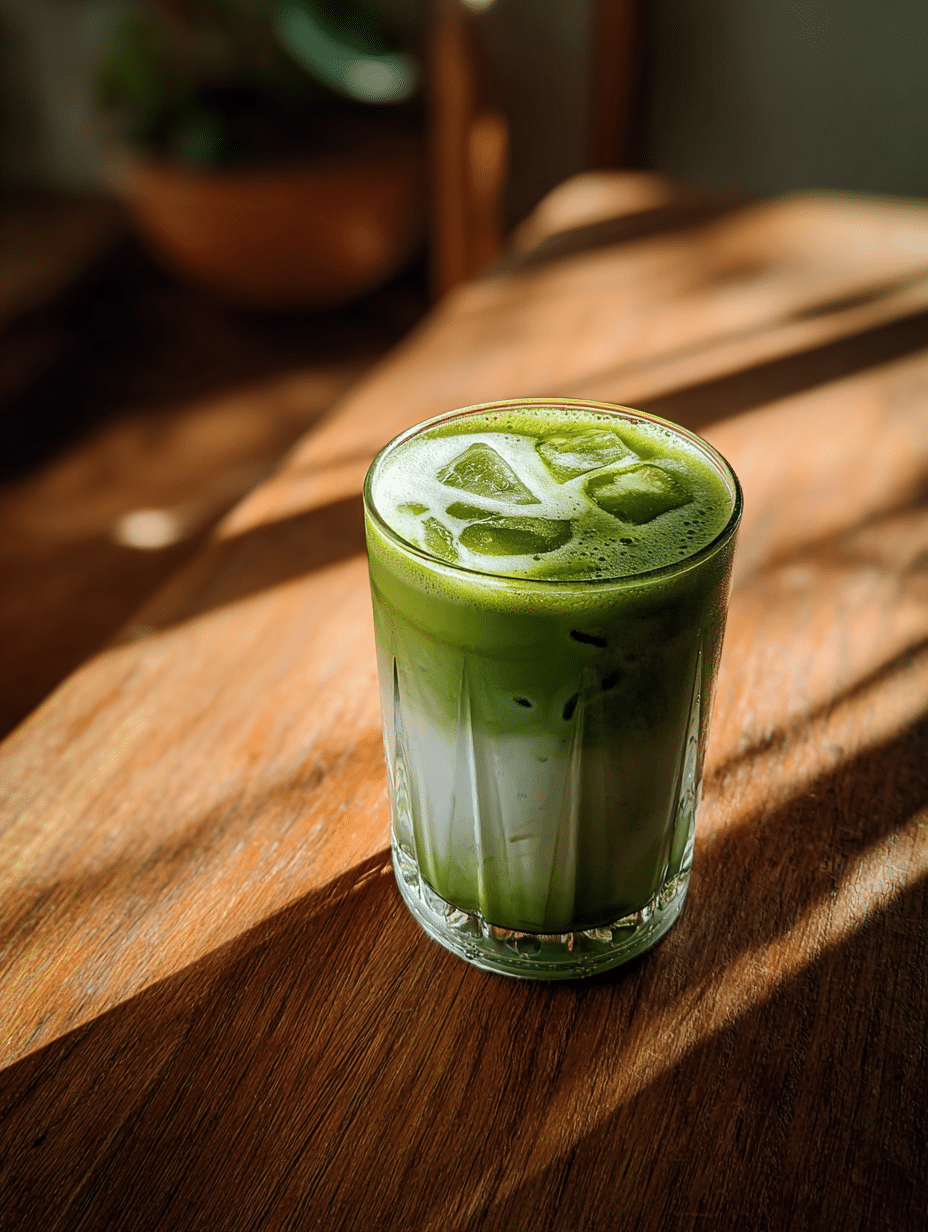
Low Calorie Iced Matcha Latte
Equipment
- matcha whisk or frother
- small bowl
- glass
- spoon
Ingredients
- 1 tsp matcha powder
- 2 tbsp warm water (not boiling)
- 1 cup unsweetened almond milk (or preferred milk)
- 1 cup ice cubes
- 1 tsp low-calorie sweetener (optional)
Instructions
- Sift the matcha powder into a bowl to remove clumps and ensure a smooth texture.
- Add warm water and whisk until the matcha is fully dissolved and slightly frothy.
- Fill a glass with ice cubes for a refreshing base.
- Pour the milk over the ice slowly.
- Add the prepared matcha mixture over the milk.
- Stir well, add sweetener if desired, and serve immediately.
Notes
Nutrition
Frequently Asked Questions:
Is a low calorie iced matcha latte good for weight loss?
Yes, a u003cstrongu003elow calorie iced matcha latteu003c/strongu003e can support weight loss when you keep sugar low and use light milk. It helps reduce overall calorie intake compared to sugary coffee drinks while still providing energy and satisfaction.
How many calories are in a homemade iced matcha latte?
A homemade u003cstrongu003elow calorie iced matcha latteu003c/strongu003e typically contains u003cstrongu003e50–90 caloriesu003c/strongu003e, depending on the milk and sweetener used. Unsweetened almond milk keeps it on the lower end.
What is the healthiest milk for matcha latte?
Unsweetened almond milk is often the best choice for a u003cstrongu003elow calorie iced matcha latteu003c/strongu003e because it has fewer calories. Oat milk and skim milk also work well if you prefer a creamier texture.
Can I drink matcha every day?
Yes, you can drink a u003cstrongu003elow calorie iced matcha latteu003c/strongu003e daily. Most people do well with 1–2 servings per day. This provides steady energy without excessive caffeine intake.
Why does my matcha latte taste bitter?
A u003cstrongu003elow calorie iced matcha latteu003c/strongu003e can taste bitter if you use boiling water, low-quality matcha, or too much powder. Always use warm water and whisk properly for a smoother taste.
Is Starbucks matcha latte healthy compared to homemade?
A Starbucks version often contains added sugars, which increases calories. A homemade u003cstrongu003elow calorie iced matcha latteu003c/strongu003e gives you full control, making it a healthier and lighter option.
Final Thoughts
A low calorie iced matcha latte offers a simple, refreshing way to enjoy steady energy without excess sugar or calories. It’s easy to prepare, flexible to customize, and fits naturally into a balanced daily routine.
Hi, I’m Eva Stoner, and recipes like this reflect what I share every day at Fresh Recipes Corner real food and drinks that work in real life. I learned early in my grandmother’s kitchen that simple techniques often create the best results. This low calorie iced matcha latte follows that same idea. It’s practical, reliable, and worth making again and again.
Whether you enjoy it as a morning boost or an afternoon refresh, this drink gives you control over ingredients, flavor, and calories. Once you start making your own low calorie iced matcha latte, it quickly becomes part of your routine.