

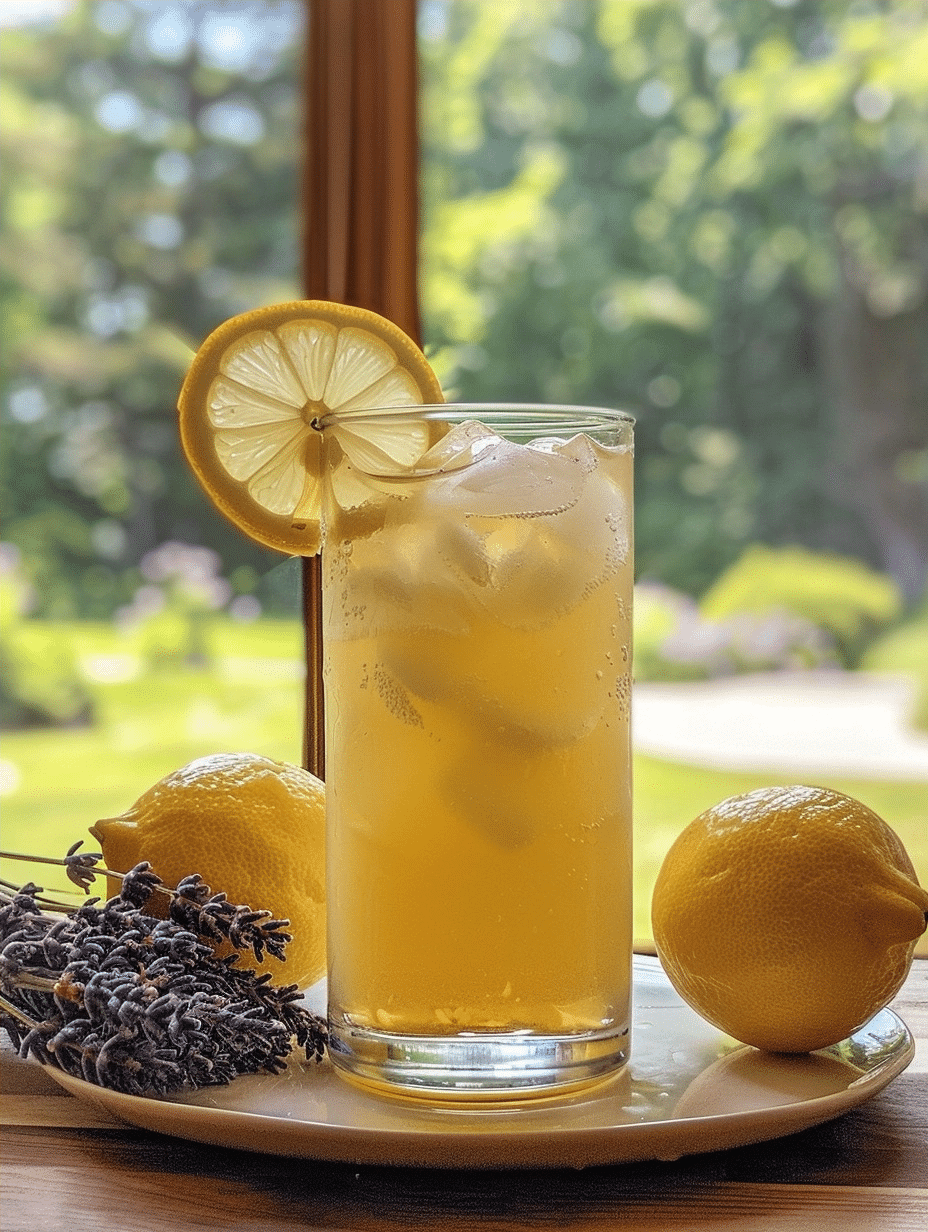
Lavender lemonade is a sophisticated herbal beverage that combines tart fresh lemon juice with the delicate floral notes of culinary lavender. This homemade drink delivers a naturally sweet, elegant flavor that outshines store-bought versions with minimal effort. The infusion method creates a balanced taste where lavender enhances rather than overpowers the citrus brightness. I’ve perfected this recipe over years of experimenting at my home bar in Austin, and it’s become my go-to mocktail for warm afternoons and special gatherings. The beautiful pale purple hue makes it visually stunning, while the natural ingredients ensure you know exactly what you’re serving to family and friends.
About the Author and My Journey with Lavender Lemonade
I’m Maya Collins, a 29-year-old from Austin, Texas, and a co-creator at Fresh Recipes Corner, where I focus on simple, refreshing drinks you can make anytime. I started by mixing juices in my mom’s kitchen just for fun, and over time it turned into a real passion. I love working with fruits, herbs, and natural ingredients to create mocktails, smoothies, and soft drinks that are easy but full of flavor.
My interest in lavender lemonade began during my first summer living alone in Texas, when I was searching for ways to cool down without relying on commercial beverages loaded with artificial ingredients. I discovered culinary-grade dried lavender at a local market and decided to experiment with it in my usual lemonade recipe. The first batch was too strong, nearly floral medicine rather than a refreshing drink. Through trial and error, I learned that brief steeping time and the right proportion of lavender to lemon creates perfect balance. Now, this recipe represents my core philosophy: taking the simplest ingredients and transforming them into something special through technique and intention.
Recipe Overview
| Attribute | Details |
|---|---|
| Prep Time | 15 minutes |
| Cook Time | 5 minutes |
| Total Time | 1 hour 20 minutes (includes chilling) |
| Servings | 6 servings (about 8 ounces each) |
| Difficulty Level | Easy |
| Cuisine | American Contemporary |
Why This Recipe Works
This lavender lemonade recipe works because it respects the delicate balance between the three main flavor components: tartness, sweetness, and floral notes. I’ve learned through countless experiments that steeping dried lavender for exactly 15 minutes in hot water extracts enough aromatic compounds without creating that medicinal, soapy taste that ruins so many herbal drinks. The lavender-infused syrup method ensures the flavor distributes evenly throughout the entire pitcher rather than creating pockets of intense flavor that need constant stirring.
The addition of sea salt is crucial and often overlooked in homemade lemonade recipes. Salt amplifies the citrus brightness while softening the floral notes, creating a more sophisticated drinking experience. I discovered this technique years ago when I accidentally added salt to a batch, and it transformed an ordinary drink into something restaurant-quality. The cold water added at the end prevents dilution from melting ice, so each sip maintains consistent flavor from the first glass to the last.
This recipe also works because the ingredients are accessible year-round, and the preparation requires no special equipment beyond a fine mesh strainer. You can make a full batch in under 20 minutes of active time, though allowing it to chill properly is essential for best results.
Ingredients
| Ingredient | Quantity | Notes and Alternatives |
|---|---|---|
| Fresh lemons | 6 medium lemons | Choose lemons with thin skin for maximum juice yield. Room-temperature lemons yield more juice than cold ones. Meyer lemons can substitute for a slightly sweeter result. |
| Granulated sugar | 1 cup | White cane sugar works best. Honey can replace 1/2 cup sugar for deeper sweetness, but use slightly less as honey is sweeter. Agave nectar provides a neutral alternative. |
| Dried culinary lavender buds | 2 tablespoons | Must be food-grade, never ornamental. Sourced from reputable suppliers or high-quality spice shops. Do not exceed this amount or the drink becomes perfume-like. |
| Cold water | 6 cups total (1 cup hot, 5 cups cold) | Filtered water produces the cleanest taste. Tap water works if your municipal supply is good quality. Room temperature water can be used instead of hot for longer steeping (45 minutes). |
| Sea salt | 1/2 teaspoon | Fine sea salt dissolves completely. Kosher salt can substitute but use 3/4 teaspoon as it’s less dense. This small amount enhances flavor without making it noticeably salty. |
| Fresh lavender sprigs | 6-8 sprigs | Optional garnish for visual appeal. Use edible fresh or dried lavender from culinary sources. Adds elegant presentation for special occasions. |
| Ice cubes | As needed | Clear ice looks more professional than cloudy ice. Freeze filtered water for best results. |
Step-by-Step Instructions
Prepare the Lavender Infusion
- Heat 1 cup of water in a small saucepan over medium-high heat until it reaches a gentle simmer with small bubbles forming around the edges.
- Add 2 tablespoons of dried culinary lavender buds directly to the hot water and immediately remove from heat.
- Let the lavender steep undisturbed for exactly 15 minutes to release floral oils without creating an overpowering taste.
- Pour the mixture through a fine mesh strainer into a medium bowl, pressing gently on the lavender to extract all liquid.
- Discard the lavender buds and let the infusion cool for about 5 minutes until it reaches room temperature.
Create the Syrup Base
- Pour 1 cup of granulated sugar into a large pitcher and add the cooled lavender-infused liquid.
- Stir continuously for 2-3 minutes until all sugar crystals dissolve completely into the lavender liquid.
- The mixture should be clear and pale purple with no visible sugar granules remaining.
Prepare Fresh Lemon Juice
- Cut 6 medium lemons in half and place them on a cutting board with the flat side down.
- Roll each lemon firmly on the cutting board, applying gentle pressure with your hand to break down the inner membranes.
- Squeeze each lemon half using a handheld citrus juicer or your hand into a fine mesh strainer positioned over a small bowl.
- Press the lemon flesh against the strainer to extract every drop of juice and filter out pulp and seeds.
Combine and Chill
- Pour the freshly squeezed lemon juice into the pitcher with the lavender sugar mixture and stir well.
- Add 5 cups of cold filtered water to the pitcher and stir for 1 minute to ensure even distribution.
- Add 1/2 teaspoon of fine sea salt and stir until completely dissolved.
- Taste the mixture and adjust sweetness or tartness if desired by adding more water to dilute or fresh lemon juice to intensify.
- Cover the pitcher and refrigerate for at least 1 hour, or up to 8 hours, allowing flavors to meld and develop.
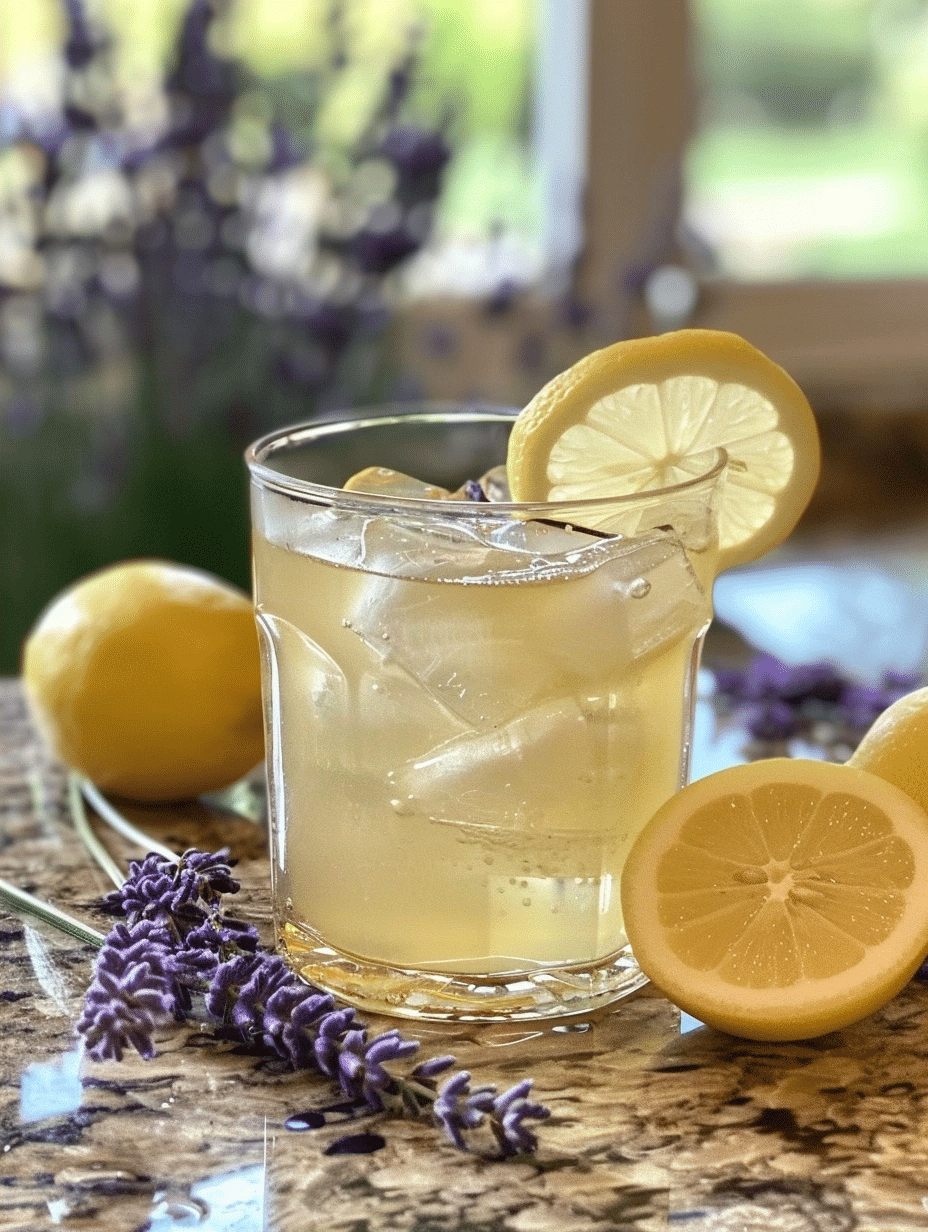
- Pour into glasses filled with ice cubes and garnish with fresh lavender sprigs or a thin lemon wheel before serving.
Chef Tips for Perfect Results
- Roll lemons before juicing to maximize juice extraction by 30 percent compared to squeezing cold lemons straight from the refrigerator.
- Use culinary-grade dried lavender exclusively, never ornamental varieties which may contain pesticides not approved for food consumption.
- Do not exceed 15 minutes steeping time for lavender, as extended infusion creates a medicinal, soapy flavor that overwhelms the lemon brightness.
- Make the pitcher up to 8 hours ahead for entertaining, but add ice cubes only immediately before serving to prevent dilution and maintain proper strength.
- Taste and adjust the recipe after chilling, not before, since cold temperatures mute flavors and require slightly more salt and sweetness than you’d expect at room temperature.
- Store leftover lavender lemonade in glass bottles rather than plastic, which can absorb floral flavors and affect future beverages stored in the same container.
Common Mistakes to Avoid
Over-steeping the lavender: Leaving dried lavender in hot water for more than 20 minutes creates a perfume-like, medicinal flavor that ruins the entire batch. Fix this by using a timer and straining immediately when time is up. If you over-steep, do not attempt to salvage by adding more lemon juice, as the unpleasant floral notes will persist.
Using non-culinary lavender: Ornamental or garden lavender varieties often contain pesticides and herbicides not approved for human consumption and produce a chemical aftertaste. Always purchase dried lavender from reputable spice merchants or specialty food stores that specifically label products as food-grade and culinary-safe.
Skipping the salt: Many home bartenders omit salt entirely because they don’t recognize its importance in non-savory drinks. This results in a flat, one-dimensional flavor lacking depth. Adding just 1/2 teaspoon makes a dramatic difference by enhancing both citrus and floral notes without creating any salty taste.
Using room-temperature lemon juice: Cold lemons yield more juice than warm ones stored at room temperature for several days. Remove lemons from the refrigerator 10 minutes before juicing and roll them firmly to maximize extraction before squeezing by hand or with a citrus press.
Adding ice too early: If you add ice cubes to the pitcher immediately after making it, they melt rapidly and dilute the drink within 30 minutes. Add ice only to individual glasses immediately before serving to maintain proper concentration and flavor balance throughout the entire pitcher.
Variations and Substitutions
| Base Ingredient | Substitution Option | Impact on Flavor Profile |
|---|---|---|
| Granulated sugar | Honey (reduce to 1/2 cup) | Adds floral complexity and slight caramel notes, making the drink richer and less crisp. |
| Granulated sugar | Agave nectar (use 3/4 cup) | Provides neutral sweetness without additional flavor, keeping focus on lemon and lavender. |
| Fresh lemons | Meyer lemons (use 5 lemons) | Creates sweeter, less acidic result with subtle orange undertones that complement lavender beautifully. |
| Dried lavender | Fresh lavender flowers (use 1/4 cup packed) | Produces brighter, fresher floral notes but requires longer steeping (20-25 minutes) to extract sufficient flavor. |
| Water | Sparkling water (replace half of cold water) | Transforms the drink into an effervescent mocktail with enhanced complexity, perfect for celebrations and brunch gatherings. |
| Sea salt | Fleur de sel (use 1/2 teaspoon) | Creates same flavor enhancement with subtle mineral notes, though standard sea salt works just as well at lower cost. |
| Plain water infusion | Herbal tea base like chamomile or white tea | Adds additional floral or delicate sweet notes that layer beautifully with lavender for more complex, sophisticated flavor. |
Serving Suggestions and Pairings
Lavender lemonade pairs exceptionally well with light summer desserts and fresh cheese-based appetizers. Serve it alongside a lemon pound cake or lavender shortbread cookies for a cohesive flavor experience that feels intentional and elegant. The botanical notes complement fresh goat cheese spreads on crostini, particularly when topped with fresh herbs like thyme or rosemary.
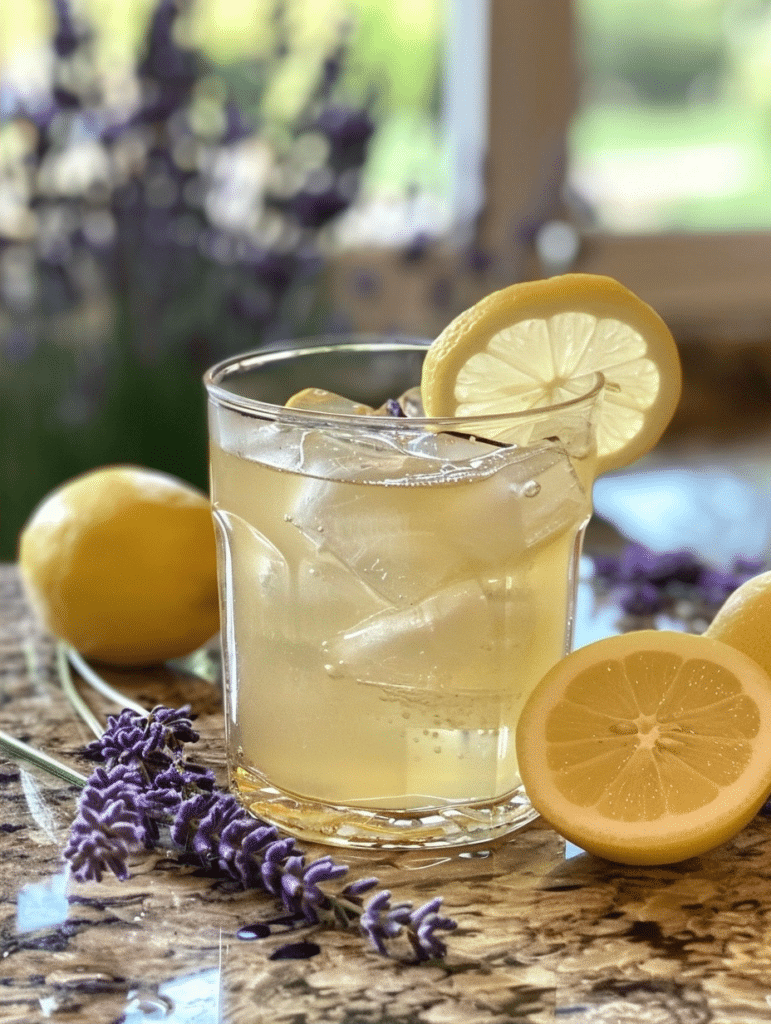
This drink shines at garden parties, bridal showers, and afternoon tea gatherings where sophisticated presentation matters. Pour it into highball glasses or vintage glassware to emphasize its pale purple beauty, and garnish each serving with a fresh lavender sprig and a thin lemon wheel for Instagram-worthy presentation. The drink is equally at home at casual picnics served in mason jars with colorful striped straws.
For warm weather entertaining, prepare a large pitcher to set on the buffet table alongside other non-alcoholic options. The elegant appearance makes guests feel special, and the refreshing flavor appeals to both children and adults without any compromise in taste or quality. Pair with savory options like herb-marinated olives, fresh salads with citrus vinaigrettes, or grilled vegetable platters to create balanced, memorable meal experiences.
During spring and early summer months, offer lavender lemonade at garden walkthrough events or outdoor concerts where guests appreciate thoughtful, homemade beverage options. The sophisticated flavor profile makes it suitable for professional settings like book clubs, garden club meetings, or neighborhood social gatherings where you want to impress without appearing to try too hard.
Storage and Reheating
| Storage Method | Duration | Instructions |
|---|---|---|
| Refrigerator (made lemonade) | 3-4 days | Store in glass bottles or sealed containers away from strong-smelling foods. The flavor remains fresh when covered, though carbonation dissipates if using sparkling water version. Stir before serving if separation occurs. |
| Refrigerator (lavender syrup only) | 2 weeks | Store the cooled lavender-infused sugar mixture separately in a sealed glass jar. Combine with fresh lemon juice and water immediately before serving for maximum flavor brightness. |
| Freezer (as ice cubes) | 3 months | Pour finished lemonade into ice cube trays and freeze until solid. Pop cubes into glasses and let them melt slowly, or blend with additional water to create a slushy texture perfect for hot afternoons. |
| Freezer (concentrated form) | 2 months | Freeze only the lavender syrup and fresh lemon juice concentrate without the full water amount. Thaw and add fresh cold water when serving for best quality and longest shelf life. |
| Room temperature (prepared pitcher) | 2-4 hours | Keep covered on countertop for parties or gatherings, though flavor is brightest and most refreshing within the first 2 hours. Add ice only to individual glasses rather than to the main pitcher. |
Nutritional Information
Approximate values per 8-ounce serving of lavender lemonade made according to the base recipe instructions.
| Nutrient | Amount per Serving |
|---|---|
| Calories | 120 |
| Total Fat | 0g |
| Saturated Fat | 0g |
| Cholesterol | 0mg |
| Sodium | 95mg |
| Total Carbohydrates | 31g |
| Dietary Fiber | 0g |
| Total Sugars | 28g |
| Protein | 0g |
| Vitamin C | 12mg (20% DV) |
| Potassium | 90mg (3% DV) |
Frequently Asked Questions
Can I use store-bought lemon juice instead of fresh lemons?
Store-bought bottled lemon juice lacks the brightness and complexity of fresh squeezed juice, resulting in a flat, artificially acidic-tasting beverage. Fresh lemon juice contains volatile aromatic compounds that are largely lost during commercial processing and pasteurization. Always use freshly squeezed lemon juice for best results and most authentic flavor.
How long should I steep the lavender for perfect flavor?
Exactly 15 minutes produces the ideal balance of floral flavor without medicinal or soapy notes that result from over-steeping. Set a kitchen timer and strain immediately when the time is up, even if you think more steeping would be better. Longer steeping times create increasingly powerful floral flavors that overpower the fresh lemon brightness.
Is dried lavender better than fresh lavender for this recipe?
Dried culinary lavender is superior to fresh lavender because it has more concentrated flavor in a smaller volume, requiring less material to achieve desired taste. Fresh lavender flowers contain more water weight, requiring significantly larger quantities and longer steeping times. Both work when fresh is available, but dried lavender offers more consistent results and longer shelf life.
Can I make lavender lemonade ahead for entertaining?
Yes, you can prepare the finished lemonade up to 8 hours in advance and store it in the refrigerator in a covered glass pitcher. Add ice cubes only immediately before serving to prevent dilution from melting ice. The flavor remains fresh and bright when stored properly in glass rather than plastic containers.
What if my lavender lemonade tastes too floral or perfume-like?
Add more fresh lemon juice and cold water in equal proportions to dilute the floral intensity without losing the lavender note entirely. For every 2 cups of over-floral mixture, add 1/2 cup fresh lemon juice and 1/2 cup cold water, then taste and adjust further as needed. You cannot fix over-steeping after the fact, so starting with proper steeping time prevents this problem entirely.
How do I know which lavender to buy for culinary use?
Purchase dried lavender exclusively from reputable spice merchants, specialty food stores, or high-quality online retailers that specifically label products as food-grade or culinary-safe. Never use ornamental garden lavender or varieties purchased from garden centers without explicit food safety certifications. Check ingredient lists on the package to ensure the product contains only dried lavender buds with no added ingredients or pesticides.
Final Thoughts on Making Lavender Lemonade
Lavender lemonade represents everything I love about simple cooking: taking basic ingredients and transforming them into something elegant through technique and intention. This recipe delivers sophisticated, refreshing flavor that makes any afternoon feel special, whether you’re entertaining guests or treating yourself to a cool drink. The delicate balance between tartness, sweetness, and floral notes creates a beverage that lingers pleasantly on the palate long after the last sip.
Lavender Lemonade
Ingredients
- 2 cups water
- 1 cup granulated sugar
- 2 tablespoons dried culinary lavender
- 1½ cups fresh lemon juice
- 4 cups cold water (for the pitcher)
- Lemon slices and fresh lavender sprigs, for garnish
Instructions
- Combine water and sugar in a small saucepan. Heat over medium-high until the sugar dissolves completely.
- Remove from heat and stir in dried lavender. Let steep for 15 minutes.
- Strain the mixture through a fine-mesh sieve into a bowl, pressing to remove excess liquid. Discard the solids.
- In a large pitcher, mix the lavender syrup with fresh lemon juice and cold water. Stir well.
- Chill in the refrigerator for at least 1 hour before serving. Serve over ice with garnishes.