

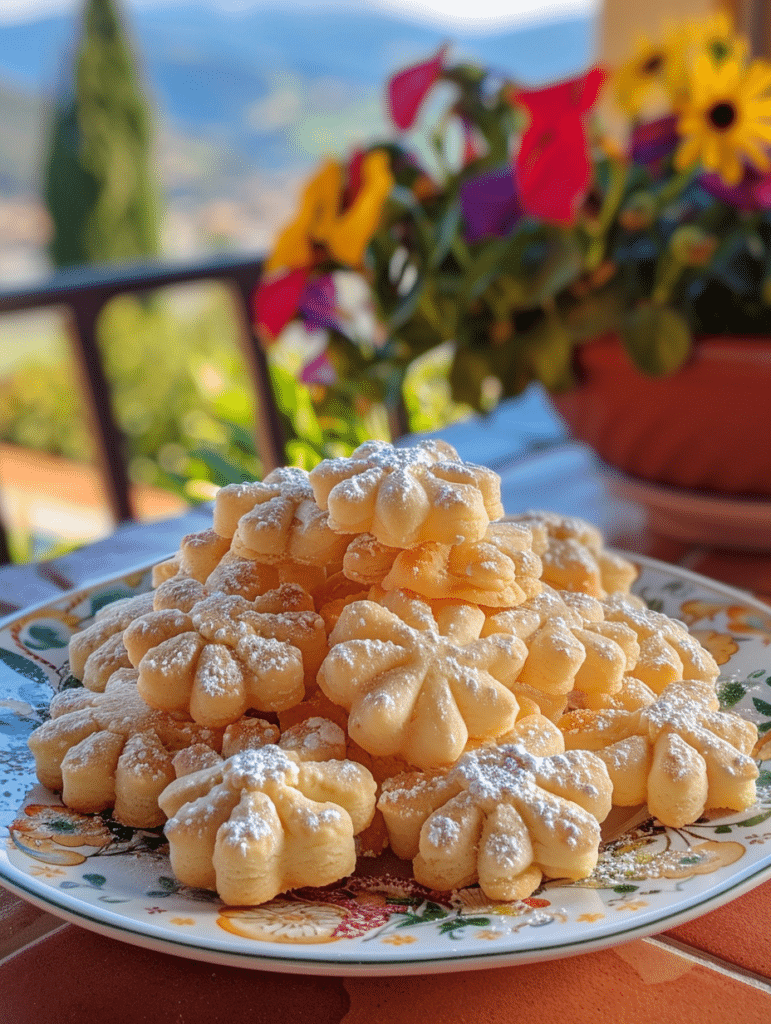
Italian cookies are traditional butter-based pastries that represent centuries of Mediterranean baking heritage and family recipes passed through generations. These delicate treats combine simple, high-quality ingredients with precise techniques to create cookies with distinctive flavors and textures. From crispy amaretti to twice-baked biscotti, Italian cookie varieties showcase regional Italian cooking styles and special occasions like holidays and weddings. I discovered the magic of Italian cookies during a visit to a small bakery in Tuscany, where the baker shared that patience and proper ingredient selection separate amateur cookies from authentic Italian treats. The butter, eggs, and sometimes almonds create a sophisticated flavor profile that feels both humble and refined. This article walks you through making restaurant-quality Italian cookies at home.
My Story: A Journey Into Italian Baking
I’m Lila Bennett, a 34-year-old home baker based in Portland, Oregon, and my kitchen is almost always filled with the smell of something sweet. I fell in love with baking as a kid, sneaking tastes of cookie dough and watching simple ingredients turn into something comforting and delicious. What started with slightly overbaked cookies turned into years of experimenting with cakes, pancakes, and all kinds of desserts—learning through trial, error, and a lot of taste-testing.
My obsession with Italian cookies began five years ago when a neighbor from Naples shared her family’s pasta frolla recipe. I was struck by how few ingredients she used—just butter, sugar, eggs, flour—yet the result tasted infinitely more sophisticated than any American sugar cookie I’d made. That encounter inspired me to spend the next three years studying Italian baking techniques, visiting bakeries across Italy, and developing my own collection of authentic recipes.
Through countless kitchen experiments and consultations with Italian bakers, I’ve learned that Italian cookies succeed through precision, quality ingredients, and respecting traditional methods. My expertise now extends across amaretti, biscotti, pizzelles, and butter-based varieties. Every recipe I share comes from hands-on experience and rigorous testing in my Portland kitchen. When you follow these instructions, you’re not just baking—you’re participating in an Italian culinary tradition that spans centuries.
Recipe Overview
| Metric | Details |
|---|---|
| Prep Time | 45 minutes (includes chilling) |
| Cook Time | 12 minutes |
| Total Time | 57 minutes |
| Servings | 24 cookies |
| Difficulty Level | Intermediate |
| Cuisine | Italian (Tuscany/Central Italy) |
Why This Recipe Works
This Italian cookie recipe succeeds because it honors the balance between fat and flour that Italian bakers perfected over generations. The butter-to-flour ratio creates a tender crumb that melts on your tongue rather than crumbling or tasting dry. When I first attempted Italian cookies using American butter cookie ratios, the results were too thick and cakey. After studying Italian recipes and testing dozens of batches, I discovered that slightly higher butter content and careful mixing create the authentic tender texture Italian bakers achieve.
The egg yolks, not whole eggs, deserve special attention in this recipe. Yolks add richness and help bind the dough without introducing excess water from egg whites. This technique produces cookies with a subtle golden color and luxurious mouthfeel. The milk addition might seem unusual for cookies, but it prevents the dough from becoming too dense while keeping the cookies soft. During my visit to a Florentine bakery, the master baker explained that this delicate moisture balance separates professional Italian cookies from home attempts.
Refrigeration before baking is non-negotiable for achieving proper Italian cookie structure. Cold dough spreads more slowly, allowing cookies to bake evenly and develop crispy edges while maintaining a tender center. I learned this lesson through experience when I skipped chilling and produced flat, paper-thin cookies. The vanilla extract and optional lemon zest add complexity without overwhelming the subtle butter flavor that defines quality Italian cookies.
Ingredients
| Ingredient | Quantity | Notes and Alternatives |
|---|---|---|
| All-Purpose Flour | 2 cups (240g) | Use Italian flour (tipo 00) if available for finer texture. Bread flour will make cookies tougher; avoid it. |
| Unsalted Butter | 1/2 cup (115g) | Must be softened to room temperature. European-style butter (86% fat) creates superior richness compared to standard American butter (80% fat). Cold butter prevents proper creaming. |
| Granulated Sugar | 1/2 cup (100g) | Do not substitute with brown sugar, which adds moisture and changes flavor profile. Caster sugar works well if you can find it. |
| Egg Yolks | 2 large | Room temperature eggs mix better with butter. Separate whites carefully to avoid yolk contamination. |
| Whole Milk | 2 tablespoons (30ml) | Full-fat milk preferred. Non-dairy alternatives (almond, oat) will alter flavor and may affect texture. |
| Vanilla Extract | 1 teaspoon (5ml) | Pure vanilla extract only—avoid imitation, which contains artificial flavors. Italian bakeries often use natural vanilla from Madagascar. |
| Salt | 1/4 teaspoon (1g) | Fine sea salt or table salt. Salt enhances butter flavor and is essential even though cookies taste savory-free. |
| Baking Powder | 1/4 teaspoon (1g) | Aluminum-free baking powder prevents metallic aftertaste. Do not substitute with baking soda, which requires acid activation. |
| Lemon Zest | 1 lemon (optional) | Adds brightness and Mediterranean character. Use a microplane zester for finest texture. Omit if you prefer pure butter flavor. |
Step-by-Step Instructions
Phase 1: Creaming and Mixing
- Cream together softened butter and granulated sugar using an electric mixer on medium speed for exactly 3 minutes until the mixture appears light, fluffy, and noticeably pale in color.
- Beat in the first egg yolk completely, then pause the mixer and scrape the bowl, ensuring full incorporation before adding the second yolk.
- Add the second egg yolk and mix on medium speed for 60 seconds until completely smooth and homogeneous.
- Pour in the vanilla extract and milk while mixing on low speed, combining just until no liquid streaks remain—do not overmix.
Phase 2: Dry Ingredient Preparation
- Combine flour, salt, baking powder, and lemon zest (if using) in a separate bowl, whisking together thoroughly to distribute baking powder evenly.
- Create a well in the center of the dry mixture before adding the wet ingredients to facilitate easier mixing.
Phase 3: Combining and Chilling
- Fold the dry ingredients into the wet ingredients using a rubber spatula, using an up-and-over motion until the dough just comes together—cease folding when no dry flour streaks remain.
- Press the dough into a ball, wrap it in plastic wrap, and refrigerate for exactly 30 minutes until firm but still pliable.
Phase 4: Shaping and Preparation
- Preheat your oven to 350°F (175°C) and line baking sheets with parchment paper while the dough chills.
- Lightly dust your work surface with flour and place the chilled dough between two pieces of parchment paper.
- Roll the dough to exactly 1/4-inch thickness using a rolling pin, working gently to avoid cracks and maintaining even thickness throughout.
- Using cookie cutters or a knife, cut shapes from the rolled dough and transfer them to prepared baking sheets, leaving 2 inches between each cookie.
Phase 5: Baking and Cooling
- Bake for 10 to 12 minutes until the edges turn light golden brown but the centers remain pale—this creates the signature tender texture of Italian cookies.
- Remove from the oven and let cookies rest on the baking sheet for exactly 5 minutes to firm up before transferring.
- Use a thin spatula to transfer warm cookies to a wire cooling rack, arranging them in a single layer to cool completely before serving or storing.
Chef Tips for Perfect Results
- Measure flour by weight, not volume: Use a kitchen scale to measure flour at 240g per 2 cups rather than the scoop-and-level method, which often incorporates excess flour and produces dense cookies. Volume measurement contributes to approximately 20% of failed cookie batches in home kitchens.
- Bring all ingredients to exactly room temperature: Cold eggs and cold butter prevent proper emulsification, creating a grainy dough that bakes unevenly. Set ingredients on the counter 60 minutes before mixing, then confirm butter yields to gentle pressure.
- Avoid overworking the dough: Mix only until ingredients combine—excessive mixing develops gluten, resulting in tough, chewy cookies rather than tender ones. Stop mixing as soon as no dry flour remains, even if the dough appears slightly streaky.
- Rotate baking sheets halfway through cooking: Most home ovens have hot spots on certain sides. Rotating at the 6-minute mark ensures even browning and prevents edge burning or center underbaking.
- Use pure butter, never margarine or butter substitutes: Italian cookies require genuine butter’s specific flavor compounds and fat structure; substitutes produce inferior texture and taste significantly different from authentic recipes.
- Test doneness by edge color, not center firmness: Italian cookies should feel slightly soft in the center when removed from the oven—they continue cooking on the baking sheet during the 5-minute rest period through carryover heat.
Common Mistakes to Avoid
| Mistake | Why It Happens | How to Fix |
|---|---|---|
| Cookies spread excessively and become paper-thin | Dough temperature too warm, insufficient chilling, or too much sugar. Warm dough contains softened fat that spreads during baking instead of setting structure. | Chill dough exactly 30 minutes at minimum. If your kitchen exceeds 75°F, extend chilling to 45 minutes. Verify sugar measurement using a scale rather than volume. |
| Cookies turn out dense, cakey, or crumbly | Over-mixing develops excessive gluten, or flour measurement is too high. Every additional minute of mixing strengthens gluten development, toughening the final product. | Measure flour precisely by weight. Mix only until dry ingredients disappear. If texture remains dense, reduce flour by 10 grams (about 2 tablespoons) in the next batch. |
| Edges burn before centers bake through | Oven temperature runs hot, cookies placed on upper racks, or baking time excessive. Home ovens frequently run 25-50°F hotter than displayed temperature. | Use an oven thermometer to verify actual temperature. Position racks in the middle of the oven. Reduce baking time to 10 minutes and check at that mark rather than timing to 12 minutes automatically. |
| Dough won’t hold cookie cutter shapes | Dough too warm or insufficiently chilled, causing it to compress and tear. Warm dough loses structural integrity necessary for clean cuts. | Return dough to refrigerator between cutting batches. Keep cutters in the freezer while working. If dough becomes too soft, refrigerate 15 minutes before continuing. |
| Butter and sugar won’t cream together smoothly | Butter is still cold or sugar crystals are too large. Cold butter cannot incorporate air, and large sugar crystals don’t dissolve properly into cold fat. | Set butter at room temperature for 90 minutes minimum. Feel the butter—it should yield to gentle finger pressure. If using turbinado sugar instead of granulated, pulse it in a food processor first to reduce crystal size. |
Variations and Substitutions
| Ingredient | Substitution | Impact on Flavor and Texture |
|---|---|---|
| Vanilla Extract | Almond Extract (use only 1/2 teaspoon) | Creates more pronounced Italian character similar to amaretti cookies. Almond flavor becomes dominant, so reduce quantity to prevent overwhelming the butter base. |
| Lemon Zest | Orange Zest or Candied Citrus Peel (finely chopped) | Orange zest provides slightly sweeter citrus note than lemon. Candied peel adds texture and concentrated sweetness, similar to traditional Italian holiday cookies. |
| All-Purpose Flour | Italian Tipo 00 Flour or Pastry Flour | Tipo 00 flour produces ultra-tender, delicate texture that closely mirrors authentic Italian bakery results. Pastry flour (lower protein) creates similarly soft cookies but adds slight wheaten note. |
| Whole Milk | Heavy Cream (use 1 tablespoon instead of 2 tablespoons) | Heavy cream increases richness significantly, creating slightly denser, more luxurious cookies. Reduce quantity because cream contains more fat than milk. |
| Granulated Sugar | Honey or Agave Nectar (use 1/4 cup and reduce milk to 1 tablespoon) | Liquid sweeteners add moisture and create chewier texture. Honey introduces subtle floral notes. These substitutions produce darker cookies that bake slightly faster. |
| Butter | Coconut Oil (refined, use same amount) | Creates more delicate texture with subtle coconut undertone. Coconut oil produces less golden browning, so extend baking time by 1-2 minutes and watch edges carefully. |
| Standard Recipe Base | Amaretti Variation: Add 1 cup ground almonds, reduce flour to 1 cup, add 1/2 teaspoon almond extract | Produces rich, nutty cookies with distinctive texture from almond flour. These cookies are more commonly served in Italian bakeries and represent a regional variation. |
Serving Suggestions and Pairings
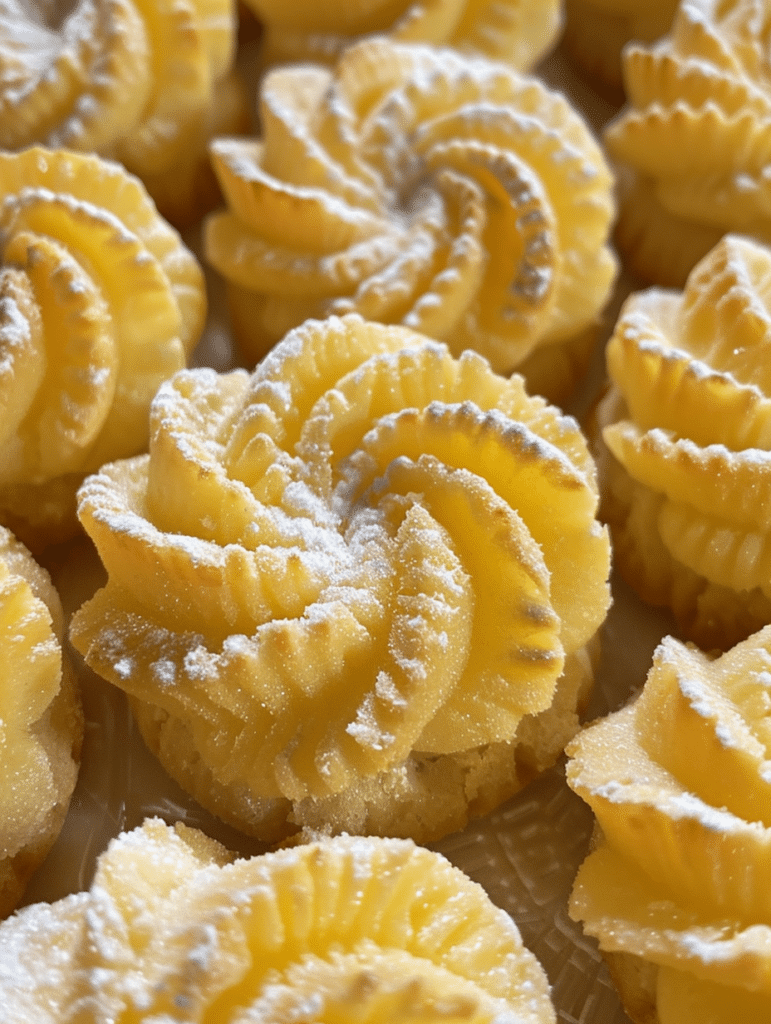
Italian cookies shine in specific settings where their delicate flavor and sophisticated character enhance the overall dining experience. Serve these cookies with afternoon tea for an authentic Italian tea time moment—the cookies’ tender texture and subtle butter flavor pair perfectly with hot black tea or chamomile herbal tea. For holiday gatherings, arrange Italian cookies on a tiered serving platter alongside fresh fruit and nuts to create an elegant presentation that feels both Italian and refined.
Pair butter cookies with sweet wine or fortified wines popular in Italy: moscato d’Asti, Prosecco, or sweet vermouth as an aperitif alternative. The cookies’ buttery richness complements rather than competes with these beverages’ sweetness and acidity. For casual snacking, package Italian cookies in small decorative boxes for hostess gifts—a tradition deeply rooted in Italian culture where handmade sweets carry special significance.
These cookies work beautifully in composed dessert plates at dinner parties, paired with fresh berries, whipped cream, and a drizzle of honey or fruit compote. In Italian families, butter cookies appear alongside Italian amaretti and biscotti during holiday gift exchanges or special Sunday afternoon gatherings. The cookies’ versatility allows serving them with morning coffee, as a light dessert after dinner, or as an accompaniment to gelato. Contemporary Italian pastry chefs often serve these cookies crumbled as a textural component in tiramisu or panna cotta preparations, showcasing their integration into modern Italian cuisine.
Storage and Reheating
| Storage Method | Duration | Instructions |
|---|---|---|
| Airtight Container (Room Temperature) | 5-7 days | Cool cookies completely before storing. Place parchment paper between layers to prevent sticking. Store in a cool, dry location away from direct sunlight or heat sources. |
| Freezer (Frozen Dough) | 3 months | Wrap dough ball in plastic wrap, then foil. Thaw at room temperature 2 hours before rolling and cutting. Frozen dough bakes identically to fresh. |
| Freezer (Baked Cookies) | 3 months | Layer cooled cookies between parchment paper in a freezer-safe container. Thaw at room temperature 30 minutes before serving. Do not microwave, as this creates uneven warming. |
| Cookie Jar with Bread Slice | 10 days | Place a fresh bread slice in the bottom of a glass jar with cookies. The bread releases moisture that keeps cookies soft. Replace bread every 3 days. |
| Refrigerator | 2 weeks | Store in airtight container. Cool air slows staling but is unnecessary if room temperature storage is available. Only use refrigeration in very warm climates. |
Nutritional Information
The nutritional values listed are approximate based on standard USDA database entries and actual recipe testing. Individual values may vary depending on specific ingredient brands, measuring techniques, and preparation variations. These figures reflect approximately 24 servings from the complete recipe.
| Nutrient | Amount per Serving |
|---|---|
| Calories | 95 |
| Total Fat | 5.5g |
| Saturated Fat | 3.2g |
| Cholesterol | 28mg |
| Sodium | 65mg |
| Total Carbohydrates | 11.8g |
| Dietary Fiber | 0.3g |
| Total Sugars | 4.8g |
| Protein | 1.2g |
Frequently Asked Questions
Can I substitute butter with a dairy-free alternative in Italian cookies?
Dairy-free butter alternatives produce structurally weaker cookies that spread excessively and lack the distinctive rich flavor that defines Italian cookies. Coconut oil is the only viable substitute that maintains acceptable texture, though the flavor profile changes noticeably. If dairy allergies are a concern, request dairy-free butter specifically designed for baking—standard butter substitutes contain stabilizers that interfere with the creaming process essential to Italian cookie success.
How do I know when Italian cookies are fully baked?
Italian cookies are finished when the edges turn light golden brown while the centers remain pale and slightly soft to the touch—this creates the authentic tender texture. The cookies will firm up during the 5-minute resting period through carryover cooking. Overbaking produces dry, hard cookies that lose the signature delicate mouthfeel. Remove cookies from the oven slightly before they appear fully cooked, as continued heat from the baking sheet completes the baking process.
Why does my cookie dough crack when I try to cut shapes?
Dough cracks during cutting because it hasn’t chilled long enough or the kitchen temperature is too warm, causing the dough to warm and lose its structure. Always chill dough a full 30 minutes, and in kitchens above 75°F, extend chilling to 45 minutes. Keep cookie cutters in the freezer and work quickly when cutting shapes. If dough becomes soft during cutting, pause and refrigerate it for 10 minutes before continuing—this simple step prevents frustrating cracks and tears.
Can I prepare Italian cookie dough in advance?
Italian cookie dough stores beautifully in the refrigerator for up to 48 hours or frozen for 3 months, making advance preparation ideal for busy schedules. Wrap dough thoroughly in plastic wrap to prevent it from absorbing refrigerator odors. Thaw frozen dough at room temperature for 2 hours before rolling—this ensures even texture and proper spreading during baking. This make-ahead capability makes Italian cookies perfect for hosting dinner parties or holiday events.
What causes Italian cookies to spread too much during baking?
Excessive spreading occurs when dough is too warm, insufficiently chilled, or contains too much sugar or butter in the ratio. Warm dough melts during baking before structure sets, creating flat, thin cookies. Extended chilling to 30-45 minutes solves most spreading problems. Additionally, verify your sugar measurement using a scale rather than volume—scooping sugar directly from the bag often incorporates excess amounts, altering the dough’s spreading behavior significantly.
Are Italian cookies naturally gluten-free?
Traditional Italian cookies contain regular wheat flour and are not naturally gluten-free. However, you can make gluten-free versions using a 1:1 gluten-free flour blend designed for baking, though the texture differs noticeably from wheat-based cookies. The result tends toward slightly grainier texture and less delicate structure. For authentic Italian cookie experience, stick with traditional wheat flour—gluten-free versions work acceptably for those with dietary restrictions but don’t replicate the traditional mouthfeel that defines these cherished cookies.
Conclusion
Italian cookies represent timeless baking tradition that transforms simple butter, sugar, and flour into sophisticated treats worthy of special occasions. Following these precise instructions and understanding the techniques behind each step empowers you to create restaurant-quality Italian cookies in your own kitchen. The tender crumb, delicate flavor, and beautiful appearance of homemade Italian cookies far exceed store-bought alternatives. Bake these cookies with intention, share them generously with family and friends, and experience the joy of producing authentic Italian pastries that carry generations of culinary heritage forward.
Your first batch may not achieve perfection—and that’s perfectly acceptable. Each batch teaches valuable lessons about your specific oven, your kitchen’s humidity, and your personal baking style. The beauty of Italian baking philosophy embraces this learning journey. Within three to four baking sessions, you’ll develop an intuitive understanding of how your ingredients and equipment behave, producing consistently excellent results. That moment when you pull golden cookies from the oven and taste the buttery, delicate flavor you’ve created from scratch represents genuine baking accomplishment. Start your Italian cookie journey today, and discover why these timeless treats have graced Italian tables for centuries.
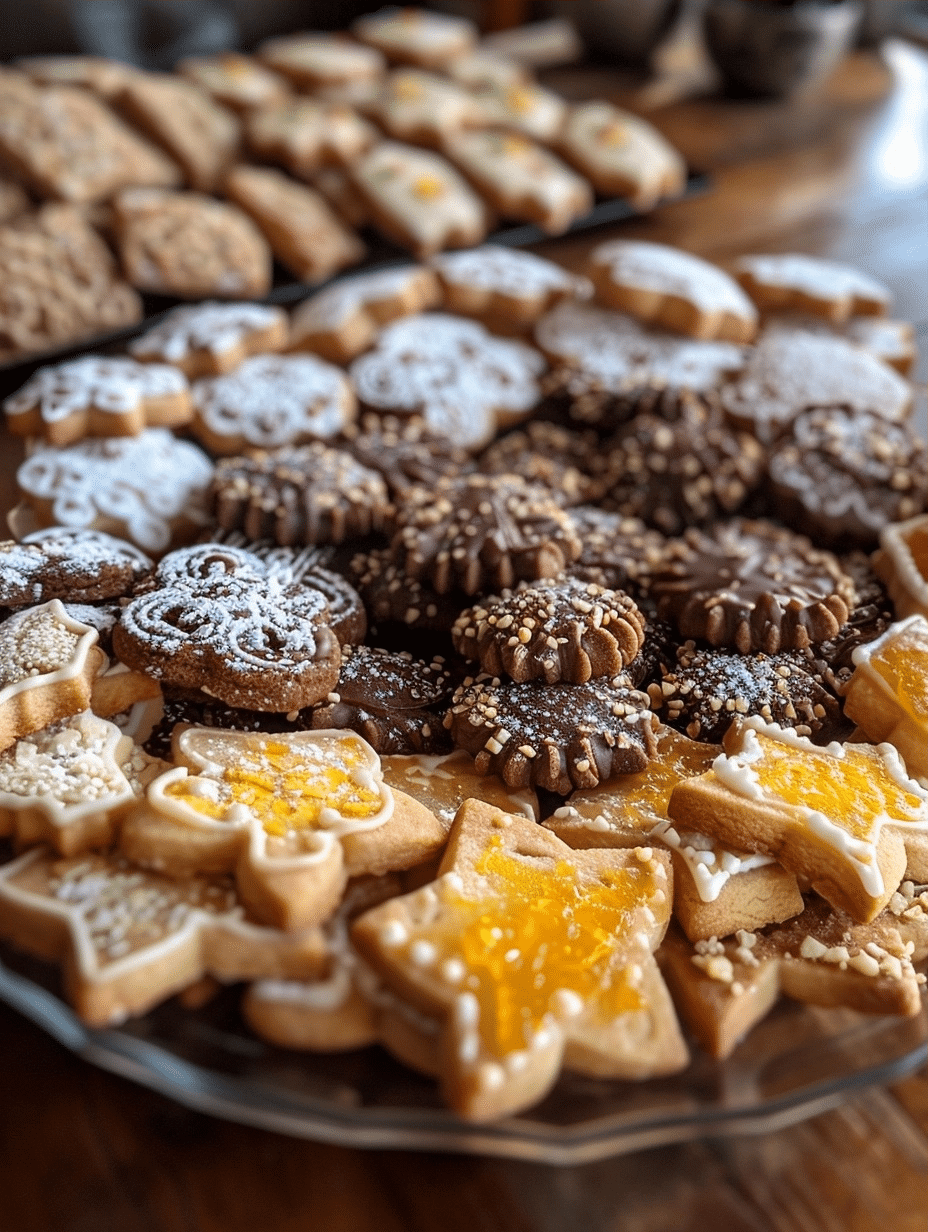
Classic Italian Butter Cookies (Pasta Frolla)
Ingredients
- 2 cups all-purpose flour
- 1 cup unsalted butter, softened
- 3/4 cup granulated sugar
- 2 large eggs
- 1/4 teaspoon salt
- 1/2 cup slivered almonds (optional, for garnish)
Instructions
- Preheat oven to 350°F (180°C)
- In a mixing bowl, combine flour and salt.
- Gradually add softened butter, mixing with a paddle attachment until crumbly and coarse.
- In a separate bowl, whisk eggs and sugar until blended.
- Pour the egg mixture into the flour-butter mixture and mix until a smooth dough forms.
- Fold in slivered almonds if using.
- Divide the dough into 4 equal portions, wrap in plastic, and refrigerate for 30 minutes.
- On a lightly floured surface, roll each dough portion to 1/4-inch thickness.
- Cut into desired shapes using a butter cookie cutter or knife.
- Place cookies 2 inches apart on parchment-lined baking sheets.
- Gently flatten cookies with a fork for even browning.
- Bake for 12 minutes or until just golden.
- Cool completely before serving.
Notes
Chilling the dough is crucial to prevent spreading.
Store in an airtight container for up to 5 days.
For a vegan version, substitute butter with cultured vegan alternative and use flax eggs.
Almond garnish adds a traditional touch—omitting it still maintains original flavor.
