

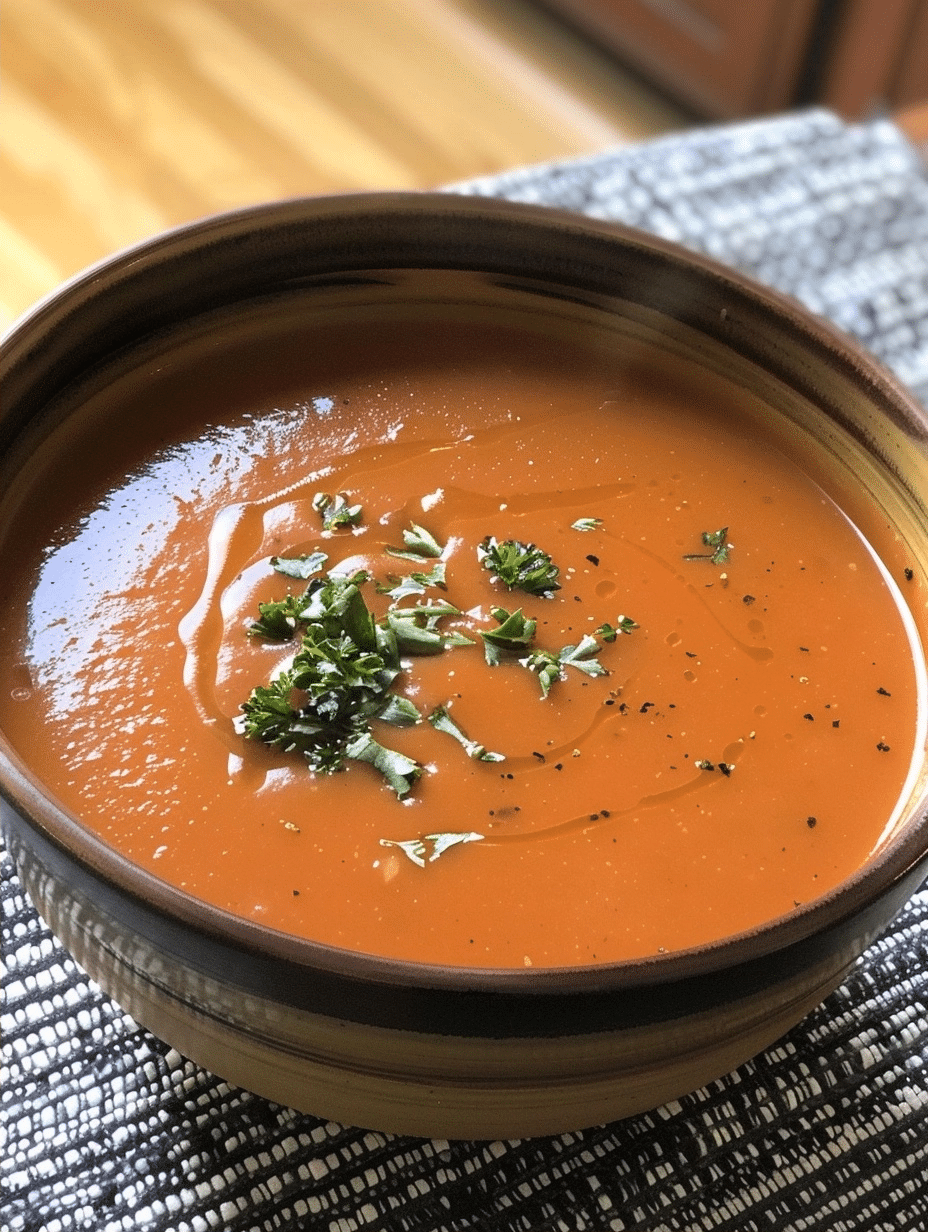
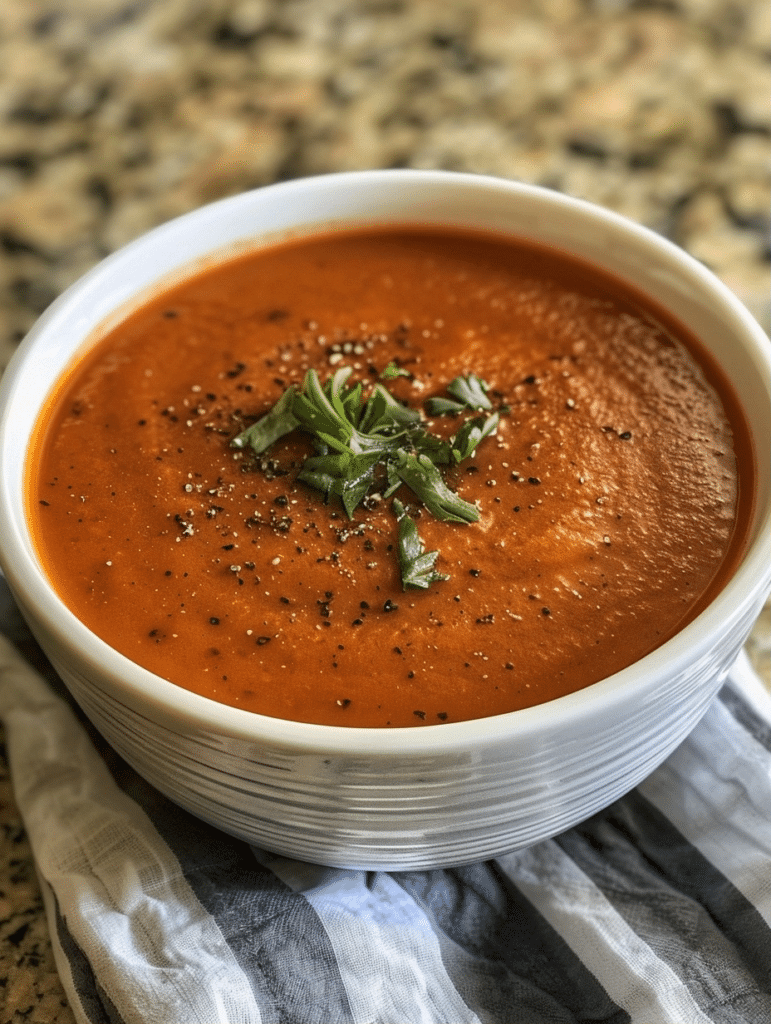
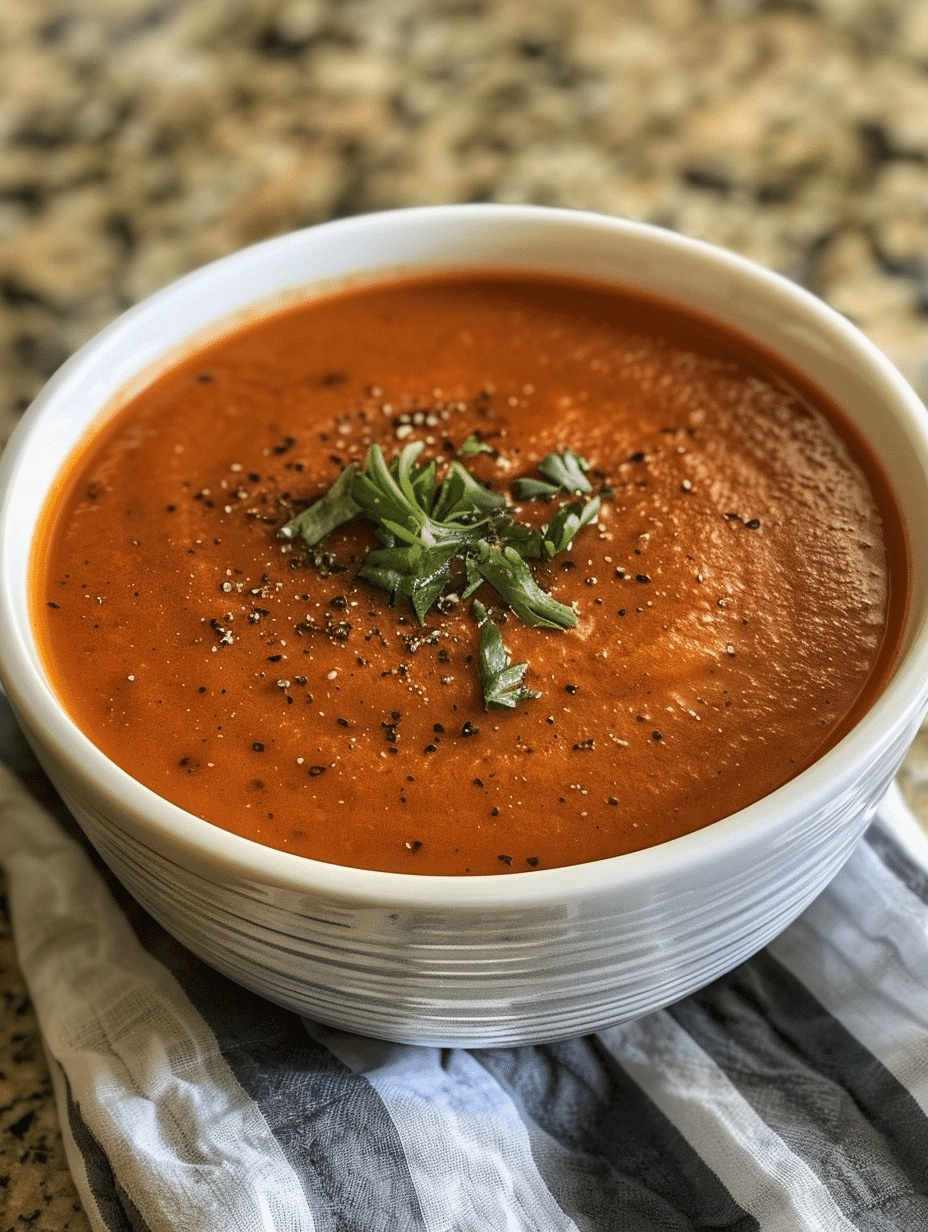
Instant pot tomato soup is a vibrant, silky blend of fresh tomatoes, aromatic herbs, and cream that comes together in minutes using your pressure cooker. This recipe transforms simple pantry ingredients into restaurant-quality comfort food without the lengthy stovetop simmering. I’ve perfected this dish through countless kitchen experiments, and it’s become my go-to solution for busy weeknights when I want homemade soup without hours of preparation time. The Instant Pot’s pressure cooking technology extracts maximum flavor from tomatoes while maintaining their bright, fresh taste that slow cooking sometimes diminishes.
About Eva Stoner and Fresh Recipes Corner
I’m Eva Stoner, the creator of Fresh Recipes Corner, where I share simple, reliable recipes for everyday cooking. My love for cooking began in my grandmother’s kitchen, where I learned that good food doesn’t have to be complicated—it just needs care, patience, and the right techniques. Those early moments shaped how I cook today and inspired me to keep things practical and approachable.
Growing up, I watched my grandmother transform humble tomatoes from her garden into soups that tasted like pure sunshine. She taught me that quality ingredients and proper technique matter infinitely more than exotic complexity. When I discovered the Instant Pot years ago, I realized it could honor that tradition while respecting modern schedules. This tomato soup recipe represents that intersection perfectly: it captures my grandmother’s flavor principles while delivering results in under 30 minutes. Every recipe I share carries that same philosophy—authentic, straightforward, and designed for real-life cooking situations.
Recipe Overview
| Attribute | Details |
|---|---|
| Prep Time | 10 minutes |
| Cook Time | 18 minutes (includes pressure release) |
| Total Time | 28 minutes |
| Servings | 4-6 servings |
| Difficulty Level | Easy |
| Cuisine | Italian-Inspired |
Why This Recipe Works
This instant pot tomato soup succeeds because it layers flavor at every step without requiring constant attention. I start by sautéing onions and garlic directly in the Instant Pot, building an aromatic foundation that traditional blended soups often skip. This Maillard reaction creates depth that distinguishes homemade soup from canned versions immediately.
The pressure cooking method intensifies tomato flavor concentrating natural sugars and umami compounds in just eight minutes. I use both canned and fresh tomatoes, combining the reliability of canned product with the brightness fresh tomatoes provide. This dual approach prevents the soup from tasting one-dimensional, ensuring complexity that surprises people expecting basic tomato soup.
The finishing touches matter tremendously in this recipe’s success. Adding cream and balsamic vinegar after pressure cooking preserves their delicate flavors, preventing heat from cooking away their aromatic qualities. Using an immersion blender gives me control over texture, allowing a rustic chunky soup or completely smooth consistency depending on preference. This adaptability makes the recipe foolproof regardless of your texture preferences.
Ingredients
| Ingredient | Quantity | Notes & Alternatives |
|---|---|---|
| Olive Oil | 2 tablespoons | Use extra virgin for richer flavor, or substitute with avocado oil for neutral taste |
| Yellow Onion | 1 medium | White or sweet onion works; yellow onions provide balanced sweetness and savory depth |
| Garlic Cloves | 4 cloves | Minced fresh garlic is essential; avoid pre-minced garlic from jars for best flavor |
| Crushed Tomatoes | 1 can (28 oz) | San Marzano varieties offer superior flavor; store-brand crushed tomatoes work reliably |
| Fresh Tomatoes | 2 cups, roughly chopped | Roma or heirloom tomatoes ideal; frozen tomatoes substitute well in winter months |
| Vegetable Broth | 3 cups | Chicken broth adds richness; low-sodium broth gives seasoning control |
| Dried Basil | 1 teaspoon | Fresh basil loses potency when pressure cooked; add fresh basil post-cooking instead |
| Dried Oregano | ½ teaspoon | Mediterranean oregano preferred; Italian seasoning blend works as direct substitute |
| Red Pepper Flakes | ¼ teaspoon | Omit for mild soup; increase to ½ teaspoon for noticeable heat and complexity |
| Salt | 1 teaspoon | Adjust based on broth salinity; taste before serving to avoid over-seasoning |
| Black Pepper | ½ teaspoon | Freshly ground pepper recommended for superior flavor compared to pre-ground |
| Heavy Cream | ½ cup | Coconut milk, cashew cream, or oat cream substitute for dairy-free versions |
| Fresh Basil | 2 tablespoons, chopped | Added post-cooking to preserve bright flavor; essential garnish for authenticity |
| Balsamic Vinegar | 1 tablespoon | Red wine vinegar or apple cider vinegar substitute; balances tomato sweetness |
Step-by-Step Instructions
Sautéing the Aromatic Base
- Press the Sauté button on your Instant Pot and allow it to preheat for one minute until the display shows “Hot.”
- Pour two tablespoons of olive oil into the pot and wait thirty seconds for the oil to shimmer.
- Add your diced onion to the hot oil and cook for three minutes, stirring occasionally, until the pieces become translucent and release their aroma.
- Stir in your four minced garlic cloves and cook for exactly one minute while stirring constantly to prevent burning.
Building the Soup Base
- Add your can of crushed tomatoes to the pot, scraping the bottom gently with a wooden spoon to release any browned bits.
- Stir in your two cups of roughly chopped fresh tomatoes, mixing them thoroughly with the existing ingredients.
- Pour in your three cups of vegetable broth, stirring everything together to ensure even distribution of ingredients.
- Season the mixture with one teaspoon dried basil, half teaspoon dried oregano, quarter teaspoon red pepper flakes, one teaspoon salt, and half teaspoon black pepper.
- Stir the soup for two minutes, ensuring all seasonings dissolve evenly throughout the liquid.
Pressure Cooking the Soup
- Press Cancel to stop the Sauté mode and allow the pot to return to normal mode.
- Place the lid on your Instant Pot and move the valve to the sealing position (closed).
- Press the Manual or Pressure Cook button and set the time to eight minutes on high pressure using the plus button.
- Wait while the pot comes to pressure, which typically takes five to seven minutes as indicated by steam release sounds.
- Once the timer completes and beeps, let the pressure release naturally for ten minutes without manual intervention.
- Move the vent valve to the venting position to release any remaining pressure safely.
Finishing the Soup
- Carefully remove the lid and give the soup a gentle stir to incorporate any settled ingredients from the bottom.
- Stir in your half cup of heavy cream, mixing thoroughly until the cream is fully incorporated and creates a uniform color.
- Add your one tablespoon of balsamic vinegar, stirring well to distribute this essential finishing element.
- Using an immersion blender, blend the soup for thirty seconds to one minute until you reach your desired consistency.
- For completely smooth soup, blend longer; for rustic texture, blend for just thirty seconds to preserve some tomato chunks.
- Taste the soup and adjust salt, pepper, or vinegar as needed to balance flavors according to your preference.
- Ladle the soup into serving bowls and garnish each portion with fresh chopped basil and a light drizzle of olive oil.
Chef Tips for Perfect Results
- Mince garlic fresh just before cooking to maximize aromatic potency. Pre-minced garlic stored in jars loses volatile compounds that provide signature flavor depth you’ll notice immediately in the finished soup.
- Use San Marzano crushed tomatoes when available because their lower seed count and natural sweetness create noticeably superior results compared to standard varieties.
- Never skip the natural pressure release step, as releasing pressure manually can cause the soup to boil vigorously and create a watery, separated consistency.
- Add fresh basil and balsamic vinegar after pressure cooking because heat destroys their delicate aromatic compounds that provide the soup’s finishing brightness.
- Blend the soup in short pulses while observing the texture change, stopping when you reach desired consistency rather than over-blending into an undesirably thin puree.
- Taste and adjust seasonings just before serving because flavors concentrate during cooking and may require fine-tuning to reach perfect balance.
Common Mistakes to Avoid
Skipping the Sauté Step
Skipping the initial sauté phase eliminates the caramelized onion and garlic flavors that provide crucial depth and complexity to your soup. Pressure cooking raw onions and garlic produces a raw, harsh garlic taste that overwhelms other flavors. Always spend three to four minutes sautéing aromatics, as this brief step creates a flavorful foundation that distinguishes homemade soup from rushed versions. The aromas that escape during sautéing indicate essential oils are developing in your soup’s foundation.
Using Canned Tomatoes Exclusively
Relying entirely on canned tomatoes creates a one-dimensional, overly cooked tomato flavor that lacks the brightness fresh tomatoes provide. I combine canned and fresh tomatoes to capture preserved tomato complexity while adding fresh-picked vibrancy that canned alone cannot achieve. If fresh tomatoes aren’t available seasonally, use quality frozen tomatoes rather than doubling the canned amount, as frozen tomatoes retain their bright flavor profile better.
Manual Pressure Release
Manually releasing pressure by opening the valve immediately causes the soup to boil violently, expelling liquid through the vent and creating a watery, separated final product. The natural pressure release process allows carryover cooking to complete while maintaining the soup’s body and creaminess. Set a timer for ten minutes after cooking completes and resist the urge to open the pot, as this waiting period is essential for achieving proper texture and consistency.
Over-Blending the Soup
Blending the soup too long creates an overly smooth, almost pasty consistency that loses the appealing texture contrast of small tomato chunks throughout. Blend for thirty seconds to one minute in short pulses, stopping to check consistency between pulses, ensuring you preserve some textural interest. The immersion blender’s power makes it easy to over-blend quickly, so start conservatively and add more blending time only if needed.
Adding Fresh Basil During Pressure Cooking
Fresh basil’s delicate aromatic compounds break down during the pressure cooking process, leaving behind a muted, sometimes bitter taste. Always add fresh basil as a finishing garnish after the soup completes cooking, preserving its bright, peppery notes. The fresh herb’s gentle aroma provides the aromatic lift that makes homemade tomato soup memorable compared to versions that lack this finishing touch.
Variations and Substitutions
| Ingredient | Substitution Option | Impact on Flavor |
|---|---|---|
| Heavy Cream | Coconut milk (full-fat canned) | Adds subtle sweetness and tropical undertone; creaminess remains consistent |
| Heavy Cream | Cashew cream (soaked cashews blended with water) | Creates luxurious texture with mild, neutral taste that doesn’t compete with tomato |
| Heavy Cream | Oat cream (store-bought dairy-free) | Lighter body than dairy cream; emphasizes tomato flavor rather than masking |
| Vegetable Broth | Chicken broth | Adds savory richness and deeper umami; increases overall depth considerably |
| Vegetable Broth | Bone broth | Provides collagen-enhanced body and pronounced savory notes for richer soup |
| Balsamic Vinegar | Red wine vinegar or apple cider vinegar | Creates slightly sharper acidity; balsamic’s sweetness is replaced with bright tang |
| Dried Basil | Italian seasoning blend | Adds oregano and thyme notes; soup becomes more herbaceous than basil-forward |
| Fresh Tomatoes | Frozen tomatoes (thawed) | Maintains bright flavor; ice crystals help break down cell walls for better incorporation |
| Red Pepper Flakes | Jalapeño pepper (minced fresh) | Creates grassy, fresh heat with fruity undertones; more complex than simple spice |
| Olive Oil | Avocado oil or grapeseed oil | Neutral flavor allows tomato and herbs to shine without competing oil notes |
Serving Suggestions and Pairings
Serve instant pot tomato soup at casual weeknight dinners alongside toasted sourdough bread rubbed with garlic for simple, satisfying meals. Pair this soup with grilled cheese sandwiches made from sharp cheddar for classic comfort food combinations that appeal to all ages. For elegant occasions, serve in small portions as a starter course with crispy croutons and fresh basil oil for restaurant-presentation sophistication.
Create a Mediterranean lunch bowl by serving the soup alongside a simple grain salad featuring quinoa, cucumber, cherry tomatoes, and lemon vinaigrette. Top each soup bowl with crispy chickpeas seasoned with paprika and garlic for textural contrast and protein addition. During summer months, chill the soup completely and serve cold as a refreshing gazpacho-style dish with cucumber rounds and fresh herbs.
Pair this tomato soup with vegetable-focused salads like arugula with aged balsamic and Parmesan, or mixed greens with creamy lemon dressing. Serve alongside Italian bread, focaccia, or garlic knots from your local bakery for convenient, complementary sides. For brunch occasions, serve the soup in large coffee mugs as a starter, followed by frittatas or breakfast pastries.
Storage and Reheating
| Storage Method | Duration | Instructions |
|---|---|---|
| Refrigerator | 3-4 days | Cool soup to room temperature, transfer to airtight container, store on middle shelf. Skim separated cream from surface before reheating if separation occurs. |
| Freezer | 2-3 months | Cool completely before transferring to freezer-safe containers, leaving one-inch headspace for expansion. Label container with date and contents. Thaw overnight in refrigerator before reheating. |
| Stovetop Reheating | Once thawed | Transfer soup to large pot and heat over medium-low temperature, stirring occasionally. Add splash of broth if soup has thickened excessively during storage. Heat through until steaming but not boiling to preserve cream texture. |
| Microwave Reheating | Once thawed | Transfer individual portion to microwave-safe bowl, cover loosely, and heat for 2-3 minutes at 50% power, stirring halfway through. This lower power setting prevents cream from separating or developing scalded taste. |
| Instant Pot Reheating | Once thawed | Pour thawed soup into Instant Pot, set to Sauté on low, and heat for 3-4 minutes while stirring gently until soup reaches serving temperature without vigorous boiling. |
Nutritional Information
| Nutrient | Amount per Serving |
|---|---|
| Calories | 185 |
| Protein | 4g |
| Fat | 12g (saturated: 5g) |
| Carbohydrates | 16g |
| Dietary Fiber | 3g |
| Sugars | 8g |
| Sodium | 720mg |
| Vitamin C | 18% Daily Value |
| Vitamin A | 22% Daily Value |
| Potassium | 410mg (12% Daily Value) |
| Iron | 1mg (6% Daily Value) |
Approximate values based on standard USDA nutrition database. Actual nutrition varies based on specific ingredient brands and precise portion sizes. This recipe makes 4-6 servings depending on portion size.
Frequently Asked Questions
Can I make instant pot tomato soup without heavy cream?
Yes, you can omit cream entirely or substitute with dairy-free alternatives like coconut milk, cashew cream, or store-bought oat cream. The soup will taste lighter and more tomato-forward without dairy cream, which some people actually prefer. Add your chosen cream alternative in the same quantity (half cup) after pressure cooking completes for best texture and flavor results.
How do I know when the soup is properly done cooking?
The soup is properly done once the Instant Pot beeps after the eight-minute high pressure cook time and you’ve completed the ten-minute natural pressure release. You’ll know it’s finished when the vent moves freely to the open position and steam no longer escapes from the lid. The tomatoes will have broken down completely and the flavors will have melded together harmoniously.
What if my soup is too thick after blending?
Add vegetable broth one quarter cup at a time while stirring gently until you reach your desired consistency. Alternatively, thin the soup with heavy cream or your chosen dairy alternative for a richer mouthfeel. Avoid adding water, which dilutes the concentrated tomato flavor you’ve worked to build.
Can I prepare instant pot tomato soup ahead of time?
Yes, you can prepare the soup through the finish-blending step up to three days ahead, storing it in an airtight container in the refrigerator. Add fresh basil garnish only when serving to preserve its bright, peppery aroma. Frozen soup keeps for two to three months, making this recipe ideal for batch cooking and meal prep situations.
Is there a way to make this recipe spicier?
Increase red pepper flakes to one-half teaspoon for noticeable heat, or add fresh jalapeño peppers minced and included during the sauté step. For cumulative heat, do both: increase red pepper flakes and add fresh jalapeño. Taste as you build heat levels, remembering that spice intensifies slightly during pressure cooking.
Can I use fresh tomatoes exclusively without canned tomatoes?
You can, but you’ll need approximately five to six cups of fresh tomatoes (about three pounds) to match the liquid and tomato solids that one 28-ounce can provides. Fresh-only soup will taste brighter but potentially less concentrated in tomato flavor. Add an extra half cup of broth to compensate for the reduced liquid content that canned tomatoes provide.
Conclusion
Instant pot tomato soup transforms weeknight dinners into restaurant-quality moments without requiring hours of stovetop attention. This recipe honors traditional tomato soup principles while respecting modern schedules, delivering creamy, vibrant results in under 30 minutes. The pressure cooking method concentrates tomato flavor while the finishing cream and balsamic vinegar provide the complexity that distinguishes homemade soup from processed versions. Make this recipe your signature weeknight comfort—your family will return to it again and again.
Instant Pot Tomato Soup
Ingredients
- 9 cups fresh tomatoes, cored and chopped
- 2 (28-ounce) cans whole peeled tomatoes
- 1 medium onion, diced
- 4 cloves garlic, minced
- 2 tablespoons olive oil
- 1 tablespoon sugar
- 2 teaspoons salt
- 2 teaspoons dried basil
- 1 teaspoon dried oregano
- 3/4 teaspoon dried thyme
- 1/2 cup heavy cream, non-alcoholic (optional)
- 2 tablespoons grated Parmesan cheese
- 1/4 teaspoon black pepper
Instructions
- Heat olive oil in Instant Pot using Sauté function
- Add onion and garlic; sauté 2-3 minutes until softened
- Add fresh tomatoes, canned tomatoes, sugar, salt, basil, oregano, and thyme
- Close lid, set to High Pressure for 8 minutes
- Allow natural pressure release for 10 minutes, then quick release remaining pressure
- Blend soup in batches until smooth
- Stir in heavy cream and Parmesan
- Season with black pepper and serve warm
Notes
Add a splash of non-alcoholic balsamic vinegar for tanginess (no alcohol required)
Store in airtight container for up to 5 days
Can freeze for 3 months
Optional: top with basil leaves and a drizzle of olive oil before serving