

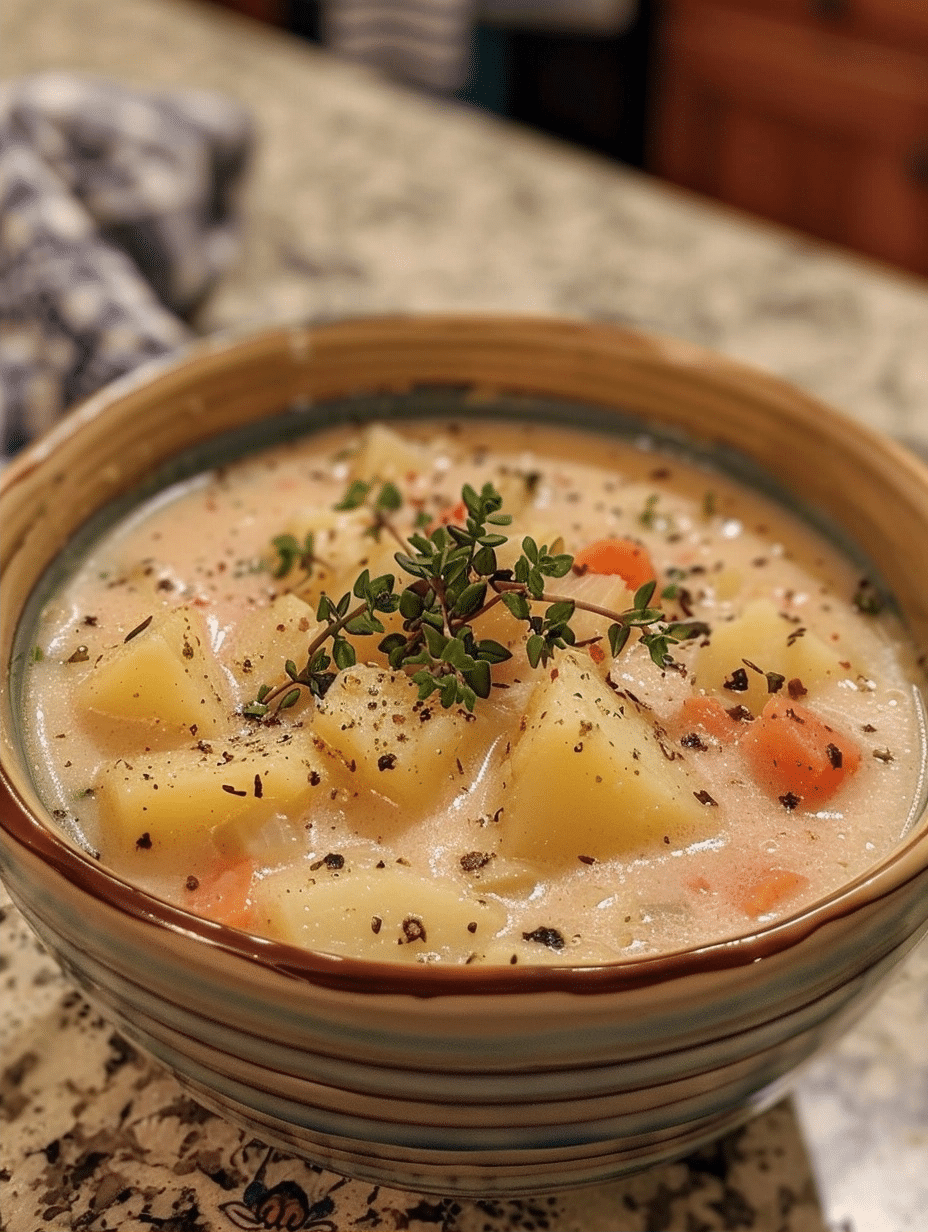
Instant pot potato soup is a creamy, satisfying one-pot meal that delivers restaurant-quality results in under 35 minutes from start to finish. This recipe combines tender potatoes, aromatic vegetables, and rich broth into a velvety soup that becomes a family favorite instantly. The pressure cooker cuts traditional stovetop cooking time in half while infusing every potato piece with deep, complex flavors. Unlike soup recipes requiring constant stirring and attention, the Instant Pot handles the heavy lifting, freeing you to prepare sides or set the table. Each spoonful offers comfort and nourishment without complicated techniques or specialized skills.
My Story with Comfort Food
I’m Eva Stoner, the creator of Fresh Recipes Corner, where I share simple, reliable recipes for everyday cooking. My love for cooking began in my grandmother’s kitchen, where I learned that good food doesn’t have to be complicated—it just needs care, patience, and the right techniques. Those early moments shaped how I cook today and inspired me to keep things practical and approachable.
When I first purchased my Instant Pot six years ago, I was skeptical. I thought pressure cooking sacrificed the slow, intentional flavors I cherished from my grandmother’s kitchen. Then I made potato soup one rainy Tuesday evening, and everything changed. The potatoes became impossibly creamy in minutes, the aromatics bloomed perfectly, and the broth transformed into liquid gold. That moment proved that modern tools and time-honored cooking principles could live together beautifully. Since then, instant pot potato soup has become my go-to recipe for weeknight dinners, meal prep days, and when friends need comfort on difficult days.
Recipe Overview
| Attribute | Value |
|---|---|
| Prep Time | 15 minutes |
| Cook Time | 18 minutes (high pressure) |
| Total Time | 33 minutes |
| Servings | 6 servings |
| Difficulty Level | Easy |
| Cuisine | American comfort food |
Why This Recipe Works
This instant pot potato soup recipe succeeds because it respects the pressure cooker’s strengths while building genuine flavor through proper technique. The high-pressure environment softens potatoes to perfect creaminess in eight minutes, a feat impossible on the stovetop without scorching the bottom or unevenly cooking. When I sauté the onions and garlic before pressurizing, I create a flavor foundation that transforms simple ingredients into something memorable and complex.
The natural pressure release for five minutes matters tremendously for texture development. I discovered through experimentation that rushing the full quick release creates grainy potatoes and separated broth. The gradual pressure drop allows starches to fully gelatinize, giving the soup its signature silky mouthfeel without added flour or cornstarch. The cream, stirred in after blending, adds richness without overpowering the potato’s natural sweetness.
This recipe also works because it scales beautifully for batch cooking or feeds a crowd with minimal adjustment. Whether you’re cooking for two or ten, the pressure cooking time stays identical, making meal planning effortless. The flavor profile balances herbaceous thyme against sweet caramelized onions and bright garlic, creating depth that lingers on the palate without heaviness.
Ingredients
| Ingredient | Quantity | Notes & Alternatives |
|---|---|---|
| Russet potatoes | 3 pounds | Use Yukon gold for naturally creamier texture. Waxy varieties work but less creamy result. |
| Ghee or vegetable oil | 4 tablespoons | Ghee adds nutty richness. Avocado oil or olive oil are acceptable substitutes with milder flavor. |
| Yellow onion | 1 large, diced | White onions work but sweeter yellow variety preferred. Avoid red onions for this recipe. |
| Garlic cloves | 3 cloves, minced | Fresh garlic essential. Use 1 teaspoon minced garlic if fresh unavailable, though flavor differs significantly. |
| Vegetable or chicken broth | 4 cups | Use low-sodium to control salt levels. Vegetable broth for lighter soup, chicken for deeper umami. |
| Heavy cream | 1 cup | Full-fat essential for proper richness. Heavy cream creates authentic texture; milk thins soup noticeably. |
| Sea salt | 2 teaspoons | Adjust based on broth sodium content. Taste before adding additional salt after blending. |
| Black pepper | 1 teaspoon | Freshly ground pepper only. Pre-ground loses potency and flavor complexity within months. |
| Dried thyme | 1 teaspoon | Thyme defines this recipe. Use fresh thyme at 1 tablespoon if available; flavor slightly brighter but more delicate. |
| Bay leaves | 2 leaves | Provides subtle earthiness. Always remove before serving or blending; cannot digest and unpleasant texture. |
| Green onions | 4, chopped | For garnish only. Adds fresh brightness and visual appeal. Can substitute with fresh chives. |
| Sharp cheddar cheese | 1 cup, shredded | Optional but recommended. Gruyere adds sophisticated flavor; American cheese creates mild, kid-friendly version. |
Step-by-Step Instructions
Preparation Phase
- Peel and cube all russet potatoes into 1-inch pieces, aiming for consistent sizing to ensure even cooking throughout the pressure cycle.
- Dice the yellow onion into quarter-inch pieces, creating uniform pieces that cook at the same rate during sautéing.
- Mince the garlic cloves finely by hand or with a microplane, releasing essential oils that perfume the entire pot.
- Have all ingredients measured and placed near the Instant Pot before beginning to maintain cooking momentum and prevent crowding later.
Sautéing and Flavor Building
- Set your Instant Pot to sauté mode, allowing it to preheat for one minute until the display shows “hot” signal.
- Add four tablespoons of ghee to the inner pot, swirling to coat the bottom evenly as it melts and shimmers.
- Pour the diced onion into the hot ghee, stirring frequently for three minutes until onions become translucent and release their natural sweetness.
- Add the minced garlic to the softened onions, stirring constantly for thirty seconds to prevent burning while releasing aromatic compounds.
Pressure Cooking
- Add the cubed potatoes directly to the sautéed onion and garlic base, stirring to distribute evenly throughout the pot.
- Pour four cups of vegetable or chicken broth over the potatoes until they are completely submerged in liquid.
- Sprinkle sea salt, black pepper, dried thyme, and bay leaves into the pot, stirring once to combine all seasonings evenly.
- Press the cancel button to exit sauté mode, then close the Instant Pot lid and turn the valve to sealing position.
- Press the pressure cook button and adjust the timer to eight minutes at high pressure using the plus button on the interface.
- Allow the pot to come to pressure naturally, which typically takes five to seven minutes depending on your Instant Pot model size.
Pressure Release and Blending
- When the timer sounds, allow pressure to release naturally for exactly five minutes without touching the valve or lid.
- After five minutes, carefully turn the valve to venting to quick-release any remaining pressure for thirty seconds.
- Once the pin drops completely, open the Instant Pot lid fully and remove both bay leaves using tongs or a slotted spoon.
- Insert an immersion blender into the pot and pulse for twenty seconds to break down potatoes while maintaining some texture.
- Continue blending for thirty to forty-five more seconds depending on your desired consistency, from slightly chunky to completely smooth.
Final Touches and Serving
- Pour one cup of heavy cream into the blended soup, stirring vigorously to incorporate and prevent swirling or separation.
- Return the Instant Pot to sauté mode for two minutes, allowing the cream to warm through without boiling or reducing.
- Taste the soup and adjust seasoning as needed, adding salt, pepper, or thyme to reach your preferred flavor balance.
- Ladle the soup into serving bowls using a soup ladle held at a forty-five-degree angle for even portions.
- Garnish each bowl with fresh green onions, shredded cheddar cheese, or a combination of both before serving immediately.
Chef Tips for Perfect Results
- Cut potatoes uniformly into one-inch cubes. Inconsistent sizes result in some potatoes remaining firm while others turn to mush. Use a sharp chef’s knife and a cutting board with a guide to maintain consistency throughout preparation.
- Never skip the sauté phase. The three-minute onion and garlic sauté builds maillard reaction flavors that distinguish homemade soup from watery blends. This foundational step creates the savory depth that defines restaurant-quality instant pot potato soup.
- Allow natural pressure release for the full five minutes. Quick-releasing immediately causes starch molecules to retract unevenly, resulting in a grainy mouthfeel. The gradual pressure drop allows complete gelatinization for silky texture that cannot be rushed.
- Blend to your exact texture preference. Twenty seconds creates rustic chunks, while ninety seconds produces velvety smoothness. Many people prefer thirty-five seconds for balanced texture with some visible potato pieces.
- Add cream only after blending. Blending hot cream causes bubbles and breaks, creating a curdled appearance. The cream stirs in perfectly when added to finished soup, creating rich, uniform texture.
- Finish with fresh garnish immediately before serving. Green onions added minutes before eating remain crisp and bright. If added too early, they wilt and lose their fresh flavor contrast against the rich soup base.
Common Mistakes to Avoid
Mistake 1: Using waxy potatoes instead of russet potatoes. Waxy varieties like red potatoes contain less starch and resist breaking down, leaving your soup chunky with firm potato pieces. Russet potatoes contain approximately 20 percent starch, which dissolves into the broth during pressure cooking, creating natural creaminess. If you cannot locate russet potatoes, use Yukon golds as a secondary option for superior results.
Mistake 2: Cutting potatoes into inconsistent sizes. Uneven pieces cook at different rates, causing small pieces to disintegrate into mush while large pieces remain firm. Measure your cuts using a chef’s knife held against the cutting board to maintain one-inch consistency. This single step prevents overcooked, broken-down potatoes in some areas and undercooked pieces in others.
Mistake 3: Quick-releasing pressure immediately after cooking time ends. The rapid pressure drop causes moisture to evaporate faster than starches can fully gelatinize, resulting in a grainy, separated texture. Allow five full minutes of natural pressure release before quick-releasing remaining pressure. This patience yields smooth, luxurious texture that makes the recipe special.
Mistake 4: Blending soup while too hot or adding cold cream directly. Blending boiling-hot soup can cause it to splash or bubble unexpectedly, and adding cold cream causes curdling. Allow the soup to cool for two minutes after pressure release before blending. Add cream gradually while stirring, or bring soup back to temperature gently on sauté mode before adding cream.
Mistake 5: Over-seasoning before tasting the finished soup. The salt concentration changes as the soup reduces during the sauté finish and cream incorporation. Add half the recommended salt during pressure cooking, then taste and adjust after blending. This prevents over-salted soup that cannot be rescued.
Variations and Substitutions
| Ingredient | Substitution | Impact on Flavor Profile |
|---|---|---|
| Russet potatoes | Yukon gold potatoes | Slightly buttery, less starchy; produces less creamy soup but more tender potato pieces visible in texture. |
| Heavy cream | Greek yogurt (add after cooking) | Tangier, brighter flavor with thinner consistency; adds protein but removes richness that defines classic potato soup. |
| Vegetable broth | Mushroom broth | Deeper umami, earthier undertones; creates sophisticated version popular with vegetarian dinner guests. |
| Dried thyme | Fresh rosemary or sage | Rosemary adds piney intensity; sage contributes peppery, slightly bitter notes; both require using fresh at one tablespoon. |
| Ghee | Coconut oil or avocado oil | Coconut adds subtle sweetness and tropical notes; avocado provides neutral, clean base that highlights potato flavor. |
| Sharp cheddar cheese | Gruyere or smoked gouda | Gruyere adds sophisticated, nutty complexity; smoked gouda introduces depth and smokiness without bacon or ham. |
| Standard broth | Bone broth | Richer, deeper savory flavor with collagen for silkier mouthfeel; increases protein content and health benefits significantly. |
| Yellow onion | Leeks (white and light green parts) | Milder, more delicate onion flavor; creates refined soup with subtle sweetness instead of pronounced onion notes. |
Serving Suggestions and Pairings
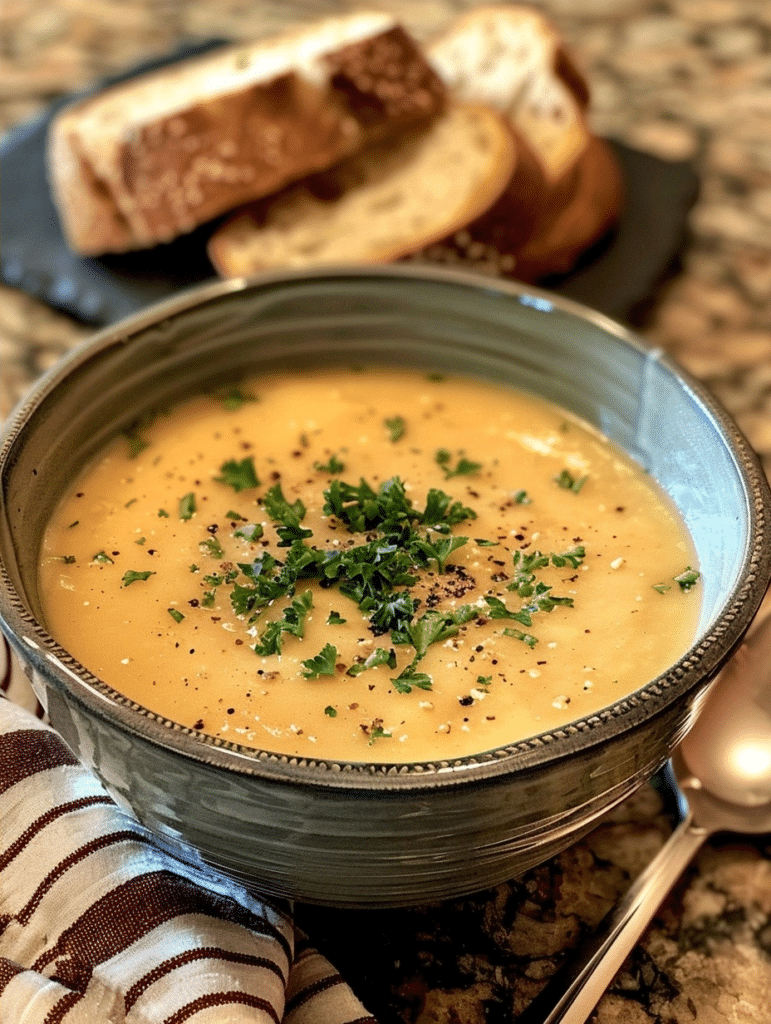
Instant pot potato soup serves beautifully at casual weeknight dinners paired with crusty artisan bread and a crisp garden salad. The soup’s creamy richness balances perfectly against acidic vinaigrette, while the bread’s texture contrasts with the soup’s velvety consistency. For elegant entertaining, serve in individual bread bowls carved from round sourdough loaves, creating an impressive presentation that feels restaurant-quality.
Pair this soup with roasted vegetable sandwiches for a complete plant-based meal, or serve alongside grilled cheese sandwiches for nostalgic comfort food nostalgia. The soup works exceptionally well as a starter course before lighter entrees like baked fish or herb-roasted chicken. For autumn gatherings, serve in a slow cooker set on warm to allow guests to ladle portions throughout the evening while maintaining perfect temperature.
Instant pot potato soup also excels as part of a cold-weather soup series alongside butternut squash soup or tomato-based minestrone for soup-making basics understanding. For meal prep, portion soup into individual containers as a make-ahead lunch that reheats beautifully in both microwave and stovetop. Professional chefs recommend serving soup in warmed bowls, which maintains temperature longer and improves the dining experience significantly.
Storage and Reheating
| Method | Duration | Instructions |
|---|---|---|
| Refrigerator storage | Up to 4 days | Cool soup to room temperature before transferring to airtight containers. Store on lowest refrigerator shelf away from raw meats. Stir well before reheating as cream may separate slightly. |
| Freezer storage | Up to 3 months | Allow soup to cool completely, then portion into freezer bags or containers, leaving one-inch headspace for expansion. Thaw overnight in refrigerator before reheating. Mark containers with date to track freshness. |
| Stovetop reheating | 5-7 minutes | Pour soup into a heavy-bottomed pot and heat over medium-low temperature, stirring occasionally. Never boil reheated soup as high heat causes cream to separate and texture to break. Add splash of broth if soup thickened during storage. |
| Microwave reheating | 3-4 minutes (per portion) | Transfer soup to microwave-safe bowl and heat at 50 percent power to prevent scorching. Stop and stir every minute to ensure even heating. Microwave reheating is quickest for single servings but causes less even temperature distribution than stovetop. |
| Slow cooker warming | 1-2 hours on low setting | Transfer soup to slow cooker set on low temperature for entertaining. Stir occasionally and cover to prevent evaporation. Slow cooker maintains perfect serving temperature without overcooking the soup. |
Nutritional Information
| Nutrient | Amount per Serving |
|---|---|
| Calories | 285 kcal |
| Total Fat | 18g |
| Saturated Fat | 11g |
| Cholesterol | 52mg |
| Sodium | 890mg |
| Total Carbohydrates | 28g |
| Dietary Fiber | 3g |
| Total Sugars | 2g |
| Protein | 6g |
| Vitamin C | 12mg (20% DV) |
| Vitamin B6 | 0.3mg (18% DV) |
| Potassium | 485mg (14% DV) |
| Manganese | 0.2mg (10% DV) |
Approximate values per serving based on 6 servings total. Nutritional content varies based on specific brand ingredients used. Values do not account for optional cheese garnish. Consult professional nutritionist for specific dietary needs.
Frequently Asked Questions
Can I substitute the heavy cream with milk for instant pot potato soup?
Using milk instead of heavy cream creates a thinner, less luxurious soup that lacks the richness defining this recipe. Milk contains approximately 3-4 percent fat compared to heavy cream’s 36 percent fat content, resulting in noticeably different mouthfeel and flavor. If you must use milk for dietary reasons, increase the quantity to 1.5 cups and blend slightly more potatoes into the broth to achieve adequate creaminess through starch rather than fat.
How do I know when the potatoes are done cooking in the Instant Pot?
The potatoes are properly cooked when they break apart easily under light pressure from a fork or spoon after the natural pressure release. Pierce the largest potato piece with a fork—it should slide through without resistance. If potatoes remain firm, return to pressure cooking for an additional two minutes rather than attempting to salvage undercooked soup.
What causes my instant pot potato soup to taste bland or one-dimensional?
Bland soup typically results from insufficient sautéing time before pressure cooking or not tasting and adjusting seasoning after blending. The onions and garlic must cook for the full three minutes to develop caramelization and maillard reaction flavors. Additionally, always taste the soup before serving and add salt, pepper, or thyme gradually until the flavor achieves depth and complexity.
Can I make this instant pot potato soup recipe ahead of time for a dinner party?
Yes, prepare the soup completely up to two days ahead and store in the refrigerator in airtight containers. Reheat gently on the stovetop over medium-low temperature for five to seven minutes, stirring occasionally. Add the fresh green onion garnish immediately before serving to ensure bright color and crisp texture that contrasts beautifully with the creamy soup base.
Should I leave the soup chunky or blend it completely smooth?
The texture preference depends entirely on personal preference and your intended use. Chunky soup showcases individual potato pieces and creates rustic comfort food experience, while smooth soup presents more elegantly and suits formal entertaining or pureed soup preferences. Most home cooks find thirty-five to forty-five seconds of immersion blending creates the ideal balance between texture and creaminess.
Can I use a regular blender instead of an immersion blender for my instant pot potato soup?
A regular blender works for blending potato soup but requires cooling the soup to room temperature first to prevent the heat from building pressure inside the blender, which can force the lid open dangerously. Additionally, working in batches to avoid overfilling extends preparation time significantly. An immersion blender remains superior for safety, convenience, and minimal cleanup while delivering identical texture and consistency results.
Final Thoughts
Instant pot potato soup delivers creamy comfort in under thirty-five minutes without sacrificing depth or quality. This recipe transforms humble ingredients into a dish worthy of entertaining or simple weeknight comfort. Make it today and discover why instant pot potato soup has become my signature recipe that people request repeatedly.