

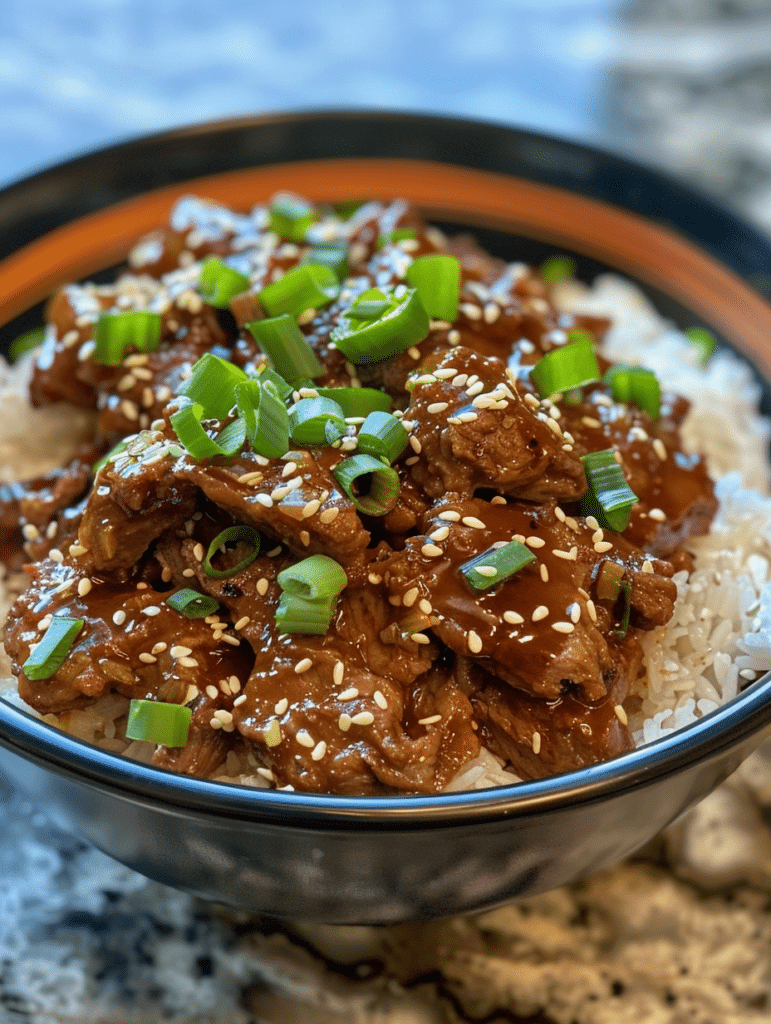
Instant pot korean beef is a restaurant-quality dish that delivers tender, flavorful meat in just 30 minutes using a pressure cooker. This one-pot meal combines bulgogi-inspired seasoning with the speed of electric pressure cooking, resulting in caramelized beef that absorbs rich umami flavors. The combination of soy sauce, sesame oil, garlic, and ginger creates an authentic Korean taste without complicated techniques or long cooking times.
About the Author
I’m Eva Stoner, the creator of Fresh Recipes Corner, where I share simple, reliable recipes for everyday cooking. My love for cooking began in my grandmother’s kitchen, where I learned that good food doesn’t have to be complicated—it just needs care, patience, and the right techniques. Those early moments shaped how I cook today and inspired me to keep things practical and approachable.
When I first tried making Korean beef in a traditional pot, I spent hours tending the stove. Then I discovered how the Instant Pot transforms this beloved dish into a weeknight winner. I’ve tested this recipe dozens of times to perfect the timing, seasoning, and texture. Now it’s one of my family’s go-to meals when we want restaurant-quality food without the restaurant bill.
Recipe Overview
| Metric | Value |
|---|---|
| Prep Time | 10 minutes |
| Cook Time | 15 minutes |
| Pressure Release Time | 5 minutes |
| Total Time | 30 minutes |
| Servings | 4 servings |
| Difficulty Level | Easy |
| Cuisine | Korean |
Why This Recipe Works
I chose this Instant Pot method because it solves the biggest challenge with Korean beef: achieving tenderness without sacrificing deep flavor. The pressure cooker breaks down tough cuts of meat in minutes while the sealed environment allows the seasoning liquid to penetrate every fiber. When I first tested high-pressure cooking for beef, I was skeptical—I worried the meat would turn mushy or bland. Instead, the results exceeded my expectations with perfect texture and concentrated flavors.
The quick sauté function at the beginning creates the Maillard reaction, which builds savory depth before pressure cooking. This step is essential to my process because it mimics the browning that would take much longer in a traditional skillet. After the meat releases steam, the final sauté reduces the sauce to a glossy glaze that coats each piece perfectly. This combination of techniques delivers restaurant-quality results in your home kitchen.
What makes this instant pot korean beef recipe reliable is the consistent timing and foolproof method. Unlike stovetop cooking where variables like heat intensity affect results, the pressure cooker maintains precise temperature and cooking time. I’ve made this dish with different beef cuts and consistently achieved tender, flavorful meat. The 15-minute pressure cooking time is the sweet spot—long enough to tenderize, short enough to preserve the meat’s texture.
Ingredients
| Ingredient | Quantity | Notes and Alternatives |
|---|---|---|
| Beef sirloin or ribeye | 2 pounds (½-inch slices) | Cut against the grain for maximum tenderness. Flank steak works well as a budget option. Avoid extra-thick cuts over ¾-inch. |
| Soy sauce | ⅓ cup | Use full-sodium soy sauce for authentic flavor. Low-sodium versions need 1 tablespoon more for depth. |
| Sesame oil | 3 tablespoons | Toasted sesame oil provides essential nutty flavor. Do not substitute with vegetable oil—it lacks the signature taste. |
| Garlic, minced | 8 cloves | Fresh garlic is non-negotiable. Jar garlic loses potency during pressure cooking. |
| Ginger, minced | 2 tablespoons | Fresh ginger root grated or minced finely. Powdered ginger is too concentrated; use only 1 teaspoon if necessary. |
| Brown sugar | 3 tablespoons | Provides slight sweetness that balances salty umami. Honey can substitute 1:1 by volume. |
| Water | ½ cup | Needed to create enough steam for pressure cooking. Use filtered water for cleaner taste. |
| Green onions, chopped | 4 stalks | Add at the end for fresh brightness. White parts can be minced into the sauce earlier. |
| Sesame seeds | 2 tablespoons | Toast lightly before serving to enhance nutty flavor. Optional but highly recommended for presentation. |
| Salt and black pepper | To taste | Adjust at the end after tasting. The soy sauce already contributes significant sodium. |
Step-by-Step Instructions
Phase 1: Prepare the Beef and Seasonings
- Slice your beef sirloin or ribeye into ½-inch thick pieces, cutting against the grain to ensure maximum tenderness and easier eating.
- Mince 8 cloves of fresh garlic finely and grate 2 tablespoons of fresh ginger root using a microplane or fine grater.
- Combine ⅓ cup soy sauce, 3 tablespoons sesame oil, 3 tablespoons brown sugar, minced garlic, and minced ginger in a small bowl and whisk until the sugar dissolves completely.
- Set the marinade mixture aside while you prepare your Instant Pot for cooking.
Phase 2: Brown the Beef
- Press the Sauté button on your Instant Pot and allow it to preheat for 2 minutes until the pot bottom shows the heating indicator.
- Working in batches to avoid overcrowding, add the sliced beef to the hot pot and sear for 2-3 minutes per side until the outside develops a brown crust.
- Transfer the browned beef to a clean plate, allowing any uncooked pieces in the center to remain in the pot if they’re not fully seared.
- Repeat step 6 with remaining beef slices until all meat is browned and transferred to the plate.
Phase 3: Pressure Cook the Beef
- Press Cancel on the Instant Pot to stop the sauté function, then pour the marinade mixture into the inner pot.
- Add ½ cup water to the pot and stir, scraping any browned bits from the bottom with a wooden spoon to deglaze.
- Return all the seared beef to the pot and stir until the meat is submerged in the liquid and evenly coated.
- Close the Instant Pot lid and turn the pressure release valve to the Sealing position.
- Press High Pressure and set the cooking time to 15 minutes using the +/- buttons.
- Allow the pot to come to full pressure naturally; this takes approximately 5-7 minutes as the pot heats.
Phase 4: Release and Finish
- When the cooking timer beeps, press Cancel and allow the pressure to release naturally for 5 minutes without touching the valve.
- Turn the pressure release valve to the Venting position to release any remaining steam; stand back to avoid steam burns.
- Carefully remove the lid by lifting the far side first, allowing steam to escape away from your face.
- Press the Sauté button again and let the sauce simmer for 3-4 minutes until it reduces to a glossy glaze that coats the beef.
- Turn off the Instant Pot and taste the beef, adjusting salt and black pepper as needed for your preference.
- Transfer the instant pot korean beef to a serving dish and garnish with chopped green onions and toasted sesame seeds.
Chef Tips for Perfect Results
- Cut against the grain consistently: This is the single most important factor for tender bite-sized pieces. Look at the muscle fiber lines in your beef and position your knife perpendicular to them for each slice.
- Don’t skip the browning step: The Maillard reaction creates the savory depth that distinguishes restaurant-quality beef from mediocre versions. Those caramelized edges are where the best flavor hides.
- Use only toasted sesame oil: The light, untoasted version has a completely different flavor profile that won’t deliver authentic Korean taste. Check your bottle label carefully—it should say “toasted” or “roasted.”
- Release pressure naturally for 5 minutes minimum: This gradual depressurization allows the meat fibers to relax and retain juices instead of becoming tough from sudden steam escape.
- Reduce the sauce after pressure cooking: This concentrates the flavors and creates the glossy coating that makes the dish restaurant-quality. Three to four minutes of simmering is typically sufficient.
- Taste and adjust seasonings at the very end: The soy sauce concentrates during pressure cooking, so add extra salt sparingly. Most home cooks oversalt by tasting too early.
Common Mistakes to Avoid
Mistake 1: Using Thick-Cut Beef Slices
Thick beef pieces (over ¾-inch) won’t tenderize properly in 15 minutes despite the pressure cooker’s power. The heat takes longer to penetrate to the center, and the outside can become mushy while the inside stays tough. Fix this by slicing your beef thin (½-inch or less), which ensures even cooking throughout each piece and faster heat transfer during pressure cooking.
Mistake 2: Skipping the Browning Process
Jumping straight to pressure cooking without searing produces gray, steamed beef instead of the caramelized depth that makes this dish crave-worthy. The browning step isn’t optional—it creates the Maillard reaction that builds essential umami flavor. Always dedicate 2-3 minutes per side to searing the beef in batches until the exterior develops a golden-brown crust before adding the marinade.
Mistake 3: Overcrowding the Pot During Browning
Piling all the beef into the pot at once prevents proper searing because the pieces steam instead of caramelize in the crowded, moist environment. This results in pale, tough meat instead of flavorful, tender pieces. Work in batches, searing only enough beef to cover the bottom in a single layer. Patient browning in multiple batches takes extra minutes but delivers dramatically better results.
Mistake 4: Substituting Light Sesame Oil for Toasted
Light or untoasted sesame oil creates a thin, flavorless sauce that completely misses the signature Korean beef taste. The nutty, toasted flavor is what separates authentic instant pot korean beef from generic beef stew. Always check your bottle label for “toasted” or “roasted” sesame oil; untoasted versions won’t deliver the required depth.
Mistake 5: Releasing All Pressure Immediately
Quick venting after cooking can toughen the meat by forcing moisture out rapidly as pressure drops suddenly. The meat fibers need gradual depressurization to relax and retain their juices properly. Allow at least 5 minutes of natural pressure release before turning the venting valve, giving the meat time to settle and stay tender.
Variations and Substitutions
| Original Ingredient | Substitution | Impact on Flavor Profile |
|---|---|---|
| Beef sirloin | Flank steak or chuck roast | More budget-friendly with slightly tougher initial texture; pressure cooking equalizes tenderness. Chuck roast becomes richer and more tender. |
| Brown sugar | Honey or agave nectar | Provides similar sweetness with subtle floral notes. Use equal volume; honey adds slight moisture to the sauce. |
| Sesame oil (3 tablespoons) | 2 tablespoons sesame oil + 1 tablespoon vegetable oil | Stretches expensive sesame oil while maintaining authentic taste. Use only if budget-conscious; full sesame oil is superior. |
| Fresh ginger (2 tablespoons) | 1 tablespoon fresh ginger + 1 teaspoon powdered ginger | More concentrated spice intensity; powdered ginger alone is too harsh. Mix both for balanced depth. |
| Green onions (garnish) | Fresh cilantro or white parts of green onions cooked into sauce | Cilantro adds brightness and herbal freshness. Cooked white parts dissolve into sauce for milder onion flavor. |
| Regular soy sauce | Tamari (gluten-free soy sauce) | Gluten-free alternative with identical umami depth. Same flavor with dietary accommodation. |
| Sesame seeds (toasted) | Crushed peanuts or chia seeds | Peanuts add earthiness and crunch. Chia seeds provide texture without changing core flavor. |
Serving Suggestions and Pairings
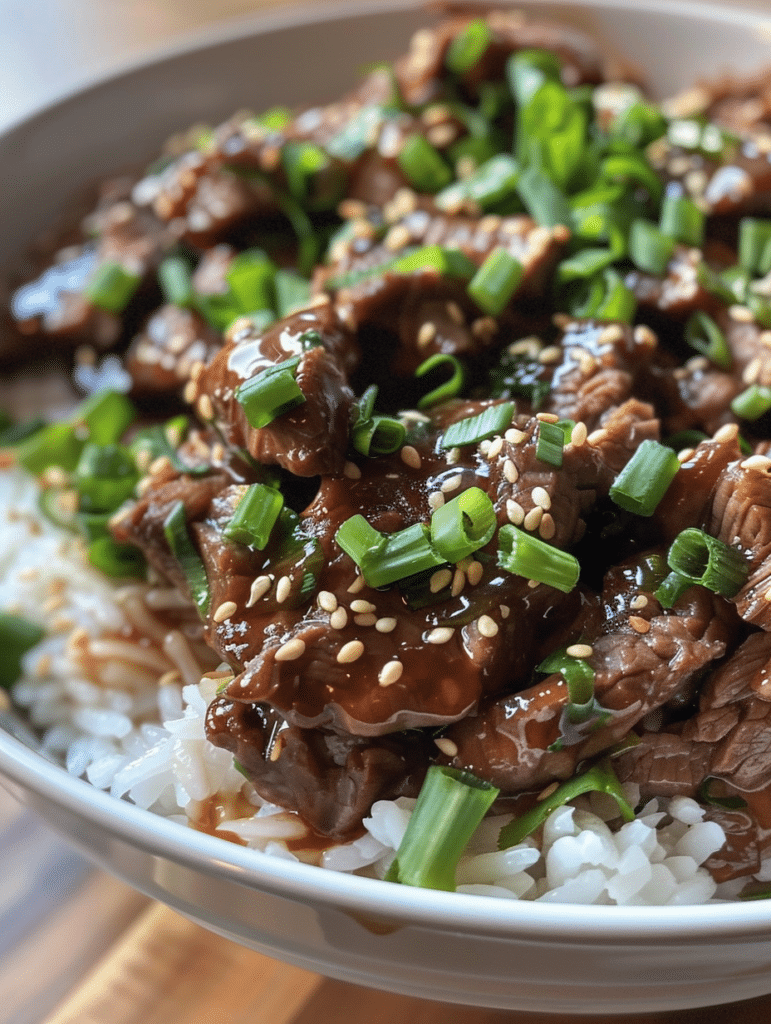
Serve instant pot korean beef over steamed white rice or fluffy jasmine rice, which absorbs the savory sauce perfectly. The tender meat and glossy glaze create an ideal one-bowl meal that satisfies with minimal sides. For a lighter option, try cauliflower rice or brown rice, which pairs beautifully with the umami-rich beef sauce.
Pair this Korean beef with traditional banchan (side dishes) for an authentic meal experience. Serve alongside quick-pickled cucumber slices (oi-muchim), steamed broccoli drizzled with sesame oil, or a crisp Asian slaw made with napa cabbage and rice vinegar. These cool, fresh sides balance the rich, savory beef perfectly.
For entertaining, present this dish at casual dinner parties or family gatherings as a communal dish served family-style from a large bowl. Guests can build their own rice bowls and customize with toppings. This instant pot korean beef works equally well for meal-prep containers throughout the week, making busy weeknight dinners effortless.
Create Korean beef rice bowls for lunch by layering steamed rice, the beef and sauce, a fried egg, and colorful vegetable toppings like shredded carrots and steamed peas. Serve alongside miso soup or a simple salad for a complete, restaurant-quality lunch. This dish also works beautifully in lettuce wraps using butter lettuce or romaine leaves as edible vessels.
Storage and Reheating
| Storage Method | Duration | Instructions |
|---|---|---|
| Refrigerator | 3-4 days | Transfer cooled beef and sauce to an airtight glass container. Store in the coldest part of your refrigerator. The beef will firm up as it cools; this is normal. |
| Freezer | 2-3 months | Portion beef and sauce into individual freezer bags or containers, leaving ½-inch headspace for expansion. Label with the date. Thaw overnight in the refrigerator before reheating. |
| Stovetop Reheating | 5-7 minutes | Place refrigerated beef and sauce in a skillet over medium heat, stirring occasionally until heated through and warmed to 165°F internally. Add 1-2 tablespoons water if the sauce seems too thick. |
| Microwave Reheating | 3-4 minutes | Transfer to a microwave-safe bowl and cover with a damp paper towel to prevent splattering. Heat at 50% power for 3-4 minutes, stirring halfway through, until heated uniformly. |
| Instant Pot Reheating | 5 minutes | Add the frozen or thawed beef to your Instant Pot with ¼ cup water. Seal the lid and cook on high pressure for 5 minutes if frozen (2 minutes if thawed), then quick release the pressure. |
Nutritional Information
Approximate values per serving (¼ of recipe, approximately 8 oz beef with sauce)
| Nutrient | Amount per Serving |
|---|---|
| Calories | 385 |
| Protein | 42g |
| Total Fat | 18g |
| Saturated Fat | 6g |
| Carbohydrates | 12g |
| Dietary Fiber | 1g |
| Sugar | 9g |
| Sodium | 1,280mg |
| Cholesterol | 95mg |
Note: These values are calculated estimates based on standard USDA nutritional databases and may vary based on specific ingredient brands and portion sizes. The sodium content comes primarily from soy sauce; reducing soy sauce to ¼ cup lowers sodium to approximately 980mg per serving.
Frequently Asked Questions
Can I use a different cut of beef for instant pot korean beef?
Yes, flank steak and chuck roast both work beautifully for this recipe with proper slicing and the same 15-minute pressure cooking time. Flank steak offers a leaner option with slightly more chew, while chuck roast becomes incredibly tender and rich. Always cut your chosen beef against the grain into ½-inch slices to ensure even cooking and easy eating regardless of the cut.
What if my instant pot korean beef sauce is too thin?
The sauce thickness depends on the sauté reduction time after pressure cooking; continue simmering on the sauté setting for additional minutes until it reaches your desired glaze consistency. If you prefer faster thickening, mix 1 tablespoon cornstarch with 2 tablespoons cold water to create a slurry, then stir it into the simmering sauce. The sauce should coat the back of a spoon lightly but not be overly thick or syrupy.
How do I know when the beef is done pressure cooking?
The beef is done when the Instant Pot timer beeps after the 15-minute high-pressure cycle completes; the timer indicates precisely when the cooking time finishes. You don’t need to check inside—the consistent pressure and temperature inside the pot guarantee even cooking throughout the entire batch. All the beef pieces reach the same tender texture simultaneously when cooked under pressure for the full 15 minutes.
Can I make instant pot korean beef ahead and freeze it?
Absolutely; this dish freezes beautifully for up to 2-3 months in airtight containers or freezer bags, making meal prep effortless. Cool the beef completely at room temperature for 30 minutes before freezing to prevent condensation and ice crystal formation. Thaw overnight in the refrigerator and reheat using the stovetop or Instant Pot method for the best texture and flavor restoration.
What’s the best way to serve instant pot korean beef for a crowd?
Present this Korean beef family-style in a large serving bowl set over a warming trivet, accompanied by separate bowls of steamed rice, fresh garnishes, and banchan sides for guests to customize their own bowls. This interactive serving method works perfectly for casual entertaining and allows everyone to build exactly the meal they prefer. Prepare the beef and sauce completely before guests arrive, then reheat gently while they settle in.
Can I substitute the sesame oil in instant pot korean beef?
Toasted sesame oil is non-negotiable for authentic flavor; no vegetable oil substitution provides the signature nutty taste essential to this dish. If you don’t have toasted sesame oil on hand, I recommend purchasing it before making this recipe rather than substituting, as it’s the key to authentic Korean beef taste. One bottle lasts many months when stored in a cool, dark pantry, making it a worthwhile investment for frequent Korean cooking.
Conclusion
Instant pot korean beef delivers restaurant-quality results in just 30 minutes with minimal effort and maximum flavor. The combination of tender pressure-cooked meat, rich soy-sesame sauce, and authentic Korean seasoning creates a dish that satisfies completely. Whether you’re cooking for family weeknights or entertaining guests, this reliable recipe proves that exceptional food doesn’t require hours of work. Make this instant pot korean beef tonight and taste why it’s become a weeknight favorite in kitchens everywhere.