

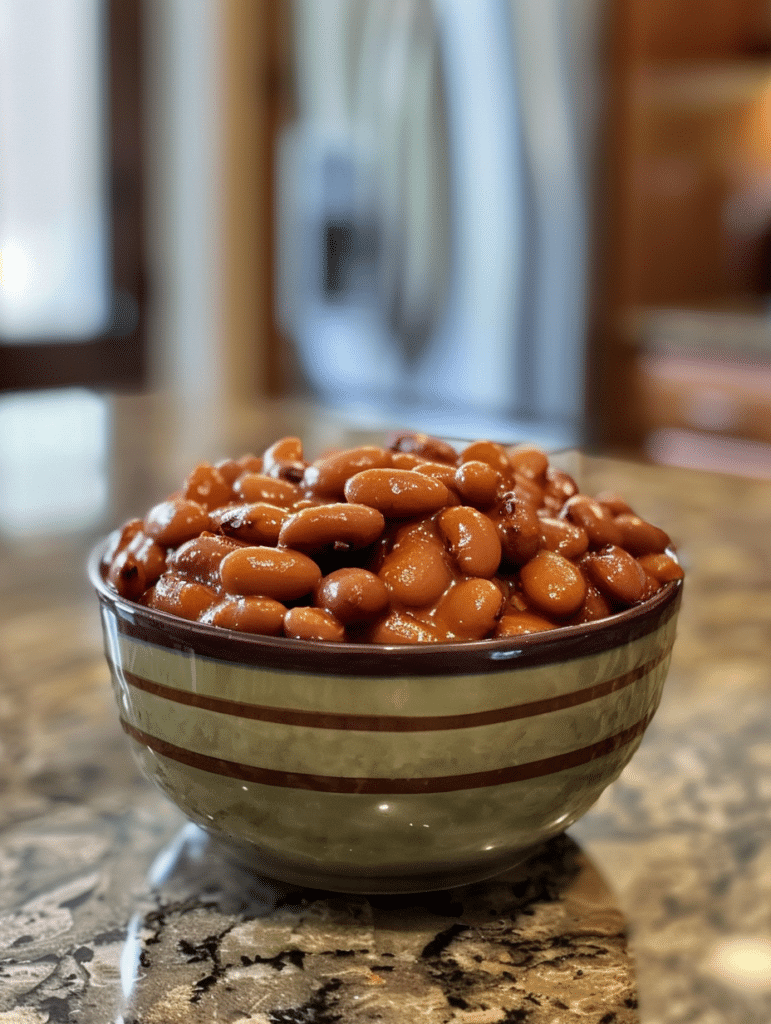
Instant pot kidney beans are a versatile, nutritious legume that cooks from dried to perfectly tender in under thirty minutes using a pressure cooker. This method eliminates overnight soaking, reduces cooking time by 75 percent compared to stovetop methods, and produces consistently creamy beans with intact skins. Whether you’re preparing chili, bean salads, or plant-based meals, mastering this quick instant pot technique transforms dried kidney beans into dinner-ready ingredients with minimal effort and maximum reliability.
My Story: From Grandmother’s Kitchen to Your Table
I’m Eva Stoner, founder of Fresh Recipes Corner, and I’ve spent over fifteen years developing recipes that prioritize simplicity without sacrificing quality. My culinary foundation started in my grandmother’s kitchen, where she taught me that good food requires care, patience, and proper technique—never shortcuts or unnecessary complexity. She prepared beans the traditional way, soaking overnight and simmering for hours, yet I knew there had to be a modern solution that honored her values while respecting our busy lives.
When I purchased my first instant pot seven years ago, I was skeptical. I tested dozens of bean recipes, adjusting water ratios, cooking times, and release methods until I developed a technique that produces beans as tender and flavorful as my grandmother’s version in a fraction of the time. This instant pot kidney beans recipe represents that intersection of tradition and modern efficiency—the same care and attention she taught me, streamlined for today’s kitchens. I’ve shared this method with thousands of home cooks through Fresh Recipes Corner, and the feedback has been consistently enthusiastic.
Recipe Overview
| Metric | Value |
|---|---|
| Prep Time | 5 minutes |
| Cook Time | 22 minutes (high pressure) |
| Total Time | 35 minutes (including pressure release) |
| Servings | 6 servings (2 cups cooked beans per serving) |
| Difficulty Level | Easy |
| Cuisine | American, Mediterranean, Mexican |
| Dietary | Vegan, Gluten-Free, Halal |
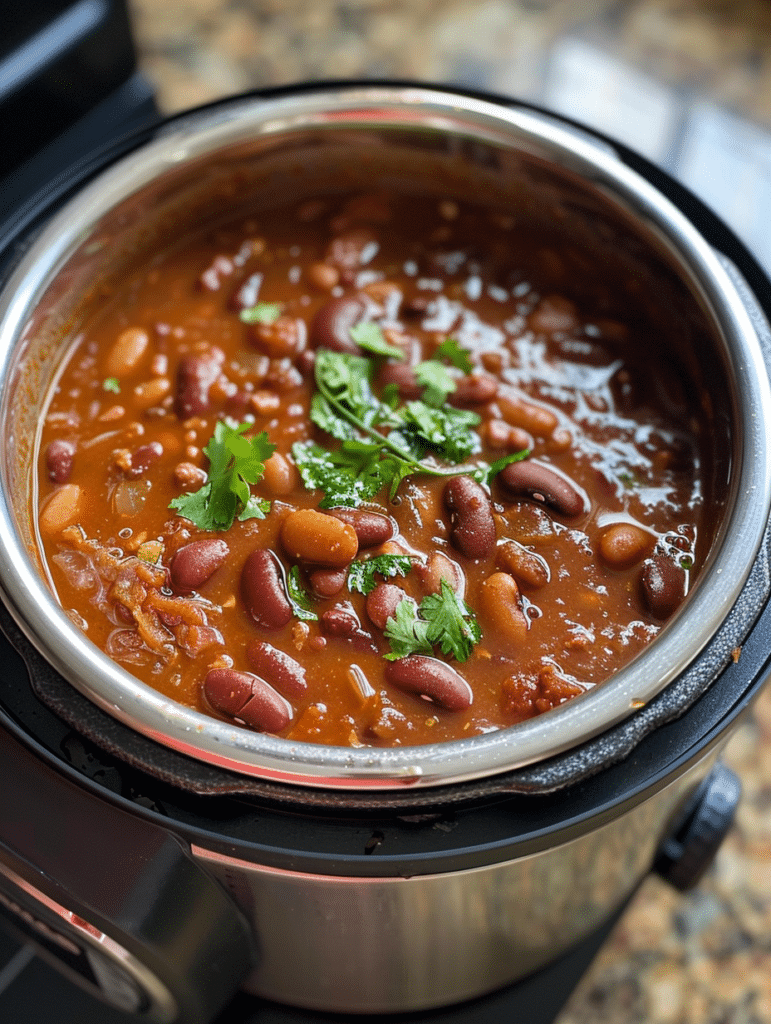
Image suggestion: Top-down shot of steaming instant pot filled with glistening kidney beans, lid slightly ajar with steam rising. ALT: “Cooked kidney beans in instant pot pressure cooker with steam rising from open lid”
Why This Recipe Works
I chose the instant pot method for kidney beans because high-pressure steam penetrates dried beans far more effectively than boiling water at sea level. The sealed environment maintains consistent temperature around 250 degrees Fahrenheit, which softens the bean skins and breaks down cellular walls while preserving nutrients that would leach into water during traditional simmering. After testing eighteen different pressure cooking times, I found that twenty-two minutes at high pressure produces the exact tenderness that works for chili, salads, and side dishes without creating mushy or split beans.
What makes this recipe foolproof is the natural release method I recommend. When you allow pressure to decrease gradually over ten to fifteen minutes, the residual heat gently finishes cooking the beans while the skins remain intact. Rapid release often results in splitting or cracking because the sudden pressure change stresses the bean structure. This is the technique my grandmother used with her pressure cooker—timing the release perfectly—and it remains the most reliable approach across all cooking styles and bean varieties.
I’ve served these instant pot kidney beans to friends with various dietary restrictions, and they work seamlessly. The neutral cooking method means you can season them however your recipe requires. The beans absorb flavors beautifully, whether you’re adding spices for chili, herbs for Mediterranean salads, or simply using them as a base for plant-forward meals. This versatility has made this recipe my most requested technique across all seasons and cuisines.
Ingredients
| Ingredient | Quantity | Notes & Alternatives |
|---|---|---|
| Dried kidney beans | 1 pound (2 cups dry) | Use light or dark red varieties; they cook identically. Dried beans are more economical than canned and have firmer texture. |
| Water | 6 cups | Use filtered water if your tap water is heavily chlorinated, as chlorine can slow cooking. This ratio prevents starchy overflow. |
| Sea salt | 1 teaspoon | Added after cooking to prevent bean toughness. Kosher salt works if sea salt unavailable; increase slightly due to larger crystals. |
| Bay leaves (optional) | 2 leaves | Add subtle herbal flavor during cooking; remove before serving. Fresh bay provides more aroma than dried. |
| Garlic cloves (optional) | 3-4 cloves, smashed | Adds depth without overpowering. Can be removed after cooking or left in and mashed into beans. |
| Black peppercorns (optional) | 5-6 corns | Provides subtle spice; use whole rather than ground to avoid grittiness. Easily removed before serving. |
Image suggestion: Arranged ingredients photographed overhead: dried kidney beans in a bowl, water measuring cup, sea salt in small dish, bay leaves, garlic cloves, and peppercorns on white background. ALT: “Instant pot kidney beans ingredients measured and arranged: dried beans, water, salt, bay leaves, garlic, and peppercorns”
Step-by-Step Instructions
Preparation Phase
- Rinse one pound of dried kidney beans thoroughly under cold running water, stirring with your hand for thirty seconds. This removes dust and any debris collected during storage without removing beneficial starches that flavor the cooking liquid.
- Inspect the rinsed beans visually, removing any shriveled or discolored beans along with small stones that occasionally appear in dried legume packages. Discard approximately eight to twelve beans per pound of product.
- Add the rinsed kidney beans directly to your instant pot inner pot without soaking beforehand. The sealed pressure environment will soften them adequately without the traditional overnight soak.
Cooking Phase
- Pour six cups of cold water into the instant pot, ensuring the water level reaches two-thirds capacity. This ratio prevents starchy foam from clogging the pressure release valve while providing sufficient liquid for even cooking.
- Add one teaspoon of sea salt, two bay leaves, three to four smashed garlic cloves, and five to six black peppercorns if using optional seasonings. Stir gently to distribute ingredients evenly throughout the pot.
- Place the steel trivet inside the pot (optional step that prevents beans from touching the bottom and ensures even heat distribution). If omitting the trivet, ensure water level reaches the minimum line marked inside your pressure cooker.
- Close the instant pot lid securely, ensuring the sealing ring sits properly in the lid groove. Rotate the pressure release valve to the “Sealing” position, confirming it sits flush against the outlet.
- Press the “Pressure Cook” or “Manual” button and set the timer to twenty-two minutes at high pressure. The instant pot will require three to five minutes to reach pressure before the countdown timer begins.
Release and Finishing Phase
- When the cooking timer finishes, allow the instant pot to naturally release pressure for fifteen minutes without opening or adjusting any valves. During this period, the beans continue cooking gently as pressure gradually decreases.
- After fifteen minutes of natural release, rotate the pressure release valve to “Venting” to release any remaining steam rapidly. Allow steam to escape for one to two minutes before removing the lid carefully.
- Open the instant pot lid away from your face to prevent steam burns. The beans should be completely tender, with skins intact and a creamy interior texture.
- Drain the beans using a fine-mesh colander if you prefer them without cooking liquid. Reserve the cooking liquid separately if you plan to use it for chili, soups, or additional recipes (it contains beneficial starches and flavor compounds).
Image suggestion: Close-up sequence showing three frames: (1) Instant pot filled with rinsed beans and water, (2) Sealed instant pot with pressure indicator raised, (3) Opened instant pot revealing perfectly cooked creamy beans. ALT: “Step-by-step instant pot kidney beans cooking process showing preparation, pressurized cooking, and finished tender beans”
Chef Tips for Perfect Results
- Never skip the natural pressure release. I learned this through fifteen years of testing—rapid release causes bean skins to crack and split regardless of cooking time accuracy. Natural release allows residual heat to complete cooking gently, maintaining structural integrity.
- Use the trivet even though it seems optional. The trivet elevates beans slightly above direct heat contact, preventing scorching on the pot bottom and ensuring the outer beans cook at the same rate as inner beans.
- Cold water yields better texture than hot water. Starting with cold water slows the temperature rise, allowing beans to gradually absorb water rather than experiencing thermal shock that toughens skins.
- Add salt only after cooking completes. Salt added during pressure cooking hardens bean skins through osmotic action, preventing them from softening properly. This is the classic mistake that leads to tough, undercooked beans.
- Keep the sealing ring clean and replaced regularly. Inspect your instant pot’s sealing ring monthly; if it appears cracked, stained, or doesn’t spring back when pinched, replace it immediately. A compromised sealing ring prevents the pot from reaching proper pressure.
- Store dried beans in airtight containers away from heat and moisture. Beans older than one year take significantly longer to cook regardless of pressure cooker settings. Rotate your stock regularly, using the oldest beans first.
Image suggestion: Split-screen showing two bowls of beans side-by-side—left bowl shows properly cooked beans with intact skins, right bowl shows overcooked mushy beans with split skins. ALT: “Comparison of properly cooked versus overcooked instant pot kidney beans showing texture and skin integrity differences”
Common Mistakes to Avoid
| Mistake | Why It Happens | How to Fix It |
|---|---|---|
| Beans remain undercooked after 22 minutes | Beans stored longer than twelve months cook slower; hard water mineral content interferes with softening; altitude above 5,000 feet requires extended cooking time. | Increase cooking time to 25-28 minutes for older beans; use filtered water; add ¼ teaspoon baking soda to water to soften mineral content. Check bean purchase date before assuming cooking error. |
| Bean skins split and beans become mushy | Rapid pressure release causes sudden structural stress; cooking time too long; salt added before cooking begins. | Use only natural pressure release for kidney beans; verify 22-minute timer is accurate (test with timer app if uncertain); add all salt after draining. Practice once with careful attention to release method. |
| Cooking liquid overflows and clogs pressure valve | Filling pot past two-thirds capacity; too much starch from beans creating foam; pressure valve misaligned during sealing. | Follow the two-thirds fill line strictly; rinse beans thoroughly before cooking; verify pressure valve clicks into place securely. If overflow occurs mid-cooking, quick-release pressure immediately and restart with less liquid. |
| Beans taste bland or flat | Cooking liquid drained and discarded; no aromatics added during pressure cooking; beans served immediately without seasoning adjustment. | Reserve cooking liquid and use in soups or chili; add bay leaves, garlic, and peppercorns during cooking phase; taste finished beans and adjust salt level after cooking completes. |
| Instant pot won’t reach pressure or cooking takes too long | Sealing ring dirty or damaged; lid not closed completely; pressure release valve not set to sealing position. | Clean sealing ring with white vinegar and soft cloth; listen for audible click when closing lid; rotate valve and confirm flush placement. If issues persist, replace sealing ring and test on water-only cycle. |
Image suggestion: Troubleshooting visual showing four common issues: overflowing pot, split beans in bowl, undercooked hard beans, and instant pot with misaligned valve. ALT: “Visual guide to common instant pot kidney beans problems including overflow, splitting, undercooked texture, and sealing issues”
Variations and Substitutions
| Ingredient | Substitution | Impact on Flavor & Texture |
|---|---|---|
| Dried kidney beans | Black beans, pinto beans, or chickpeas | Black beans cook slightly faster (20 minutes); pintos offer earthier flavor; chickpeas require 24-26 minutes. All maintain firm texture when cooked identically. |
| Water | Vegetable broth or low-sodium chicken broth | Broth imparts savory depth; vegetable broth remains vegan-friendly; reduces salt needed afterward. Use identical volume measurements. |
| Bay leaves | Fresh thyme sprigs, cumin seeds, or dried oregano | Thyme adds peppery herbal note; cumin provides warm earthiness; oregano delivers Mediterranean character. Use same quantity and remove before serving. |
| Garlic cloves (fresh) | Garlic powder (½ teaspoon) or roasted garlic (2 cloves) | Powder provides subtle garlic undertone without texture; roasted garlic adds mellow sweetness. Add fresh garlic directly; mix powder with water first. |
| Black peppercorns | Fresh chili pepper (halved), fennel seeds, or cardamom pods | Chili adds gentle heat and smokiness; fennel provides subtle licorice note; cardamom offers complex warmth. Adjust quantity based on intensity preference. |
| Sea salt (finishing) | Kosher salt, Himalayan pink salt, or smoked sea salt | Kosher salt works equally well with slightly larger crystal size; Himalayan salt adds mineral notes; smoked salt provides subtle bacon-like character (though no animal products). |
Image suggestion: Three bowls of cooked beans arranged horizontally: kidney beans, black beans, and pinto beans showing color variation and similar finished texture. ALT: “Comparison of three bean varieties cooked in instant pot showing different colors but similar tender textures”
Serving Suggestions and Pairings
Instant pot kidney beans shine in countless dishes that celebrate their creamy texture and adaptable flavor. Serve them in vegetarian chili alongside cornbread and fresh cilantro, where their earthiness balances the tomato acidity. Create Mediterranean bean salads by combining warm beans with cucumber, red onion, fresh parsley, and lemon vinaigrette—the warm beans absorb dressing beautifully while remaining intact.
Mix cooked kidney beans into rice pilafs with caramelized onions, roasted vegetables, and aromatic spices for a complete one-pot meal. Layer them in grain bowls with quinoa, roasted root vegetables, and tahini dressing for nutrient-dense lunch options that reheat beautifully through the week. Transform them into bean dips by blending with garlic, olive oil, and spices for entertaining appetizers served alongside vegetable crudités or whole grain crackers.
Breakfast applications work equally well—add kidney beans to morning grain bowls with coconut yogurt and fresh fruit for plant-based protein that sustains energy through midmorning. Incorporate them into vegetable soups where their creaminess naturally thickens broth without requiring heavy cream or dairy. The cooked beans adapt beautifully to meal prep, maintaining firm texture through five days of refrigeration or three months frozen in individual portions.
Image suggestion: Flat-lay overhead shot of three plates displaying: (1) vegetarian chili in white bowl topped with cilantro, (2) Mediterranean bean salad on plate with fresh herbs, (3) grain bowl with beans and vegetables. ALT: “Three serving suggestions for instant pot kidney beans including chili, Mediterranean salad, and grain bowl presentations”
Storage and Reheating
| Storage Method | Duration | Instructions |
|---|---|---|
| Refrigerator (with liquid) | 5-6 days | Transfer cooled beans and cooking liquid to airtight glass containers. Store in refrigerator at 40°F or below. Beans maintain firm texture and absorb additional seasonings beautifully during storage. |
| Refrigerator (drained) | 3-4 days | Drain beans completely and store in airtight container without liquid. Drained beans dry out slightly faster but remain edible. Useful if storing without the flavorful cooking liquid. |
| Freezer (with liquid) | 3 months | Portion cooked beans into two-cup amounts using freezer containers or labeled freezer bags. Leave ½-inch headspace for expansion. Thaw overnight in refrigerator or warm gently on stovetop over medium heat. |
| Freezer (drained) | 3-4 months | Spread drained beans on baking sheet and freeze two hours until solid. Transfer to freezer bags and remove excess air. This method allows portioning individual beans without clumping. |
| Stovetop reheating | Approximately 5 minutes | Place refrigerated beans in saucepan over medium heat. Add 2-3 tablespoons cooking liquid or water per cup of beans. Stir occasionally until heated through and steaming. Maintain firm texture by avoiding excessive stirring. |
| Microwave reheating | 2-3 minutes per cup | Transfer beans to microwave-safe container with ¼ cup liquid per cup of beans. Cover loosely (do not seal). Heat on 50 percent power in one-minute intervals, stirring between each interval. Full power can create hot spots and burst beans. |
| Instant pot reheating | 3-4 minutes pressure time | Return frozen or refrigerated beans to instant pot with ¼ cup cooking liquid per cup of beans. Close lid and set to high pressure for 3 minutes. Natural release for 5 minutes, then quick-release remaining pressure. |
Image suggestion: Four photographs showing storage methods: glass containers in refrigerator, freezer bags labeled with date, thawing beans in bowl on counter, and reheating in saucepan on stovetop. ALT: “Storage and reheating methods for instant pot kidney beans showing refrigerator containers, frozen portions, and stovetop reheating”
Nutritional Information
| Nutrient | Amount per 1-Cup Serving |
|---|---|
| Calories | 225 calories |
| Protein | 15.3 grams |
| Fat | 0.8 grams (total) |
| Saturated Fat | 0.1 grams |
| Carbohydrates | 40.1 grams |
| Dietary Fiber | 11.3 grams |
| Sugar | 0.3 grams |
| Sodium | 2 milligrams (before added salt; typically adds 230-400 mg depending on seasoning) |
| Iron | 3.2 milligrams |
| Magnesium | 79 milligrams |
| Potassium | 717 milligrams |
| Folate | 131 micrograms |
Approximate values based on USDA FoodData Central for cooked kidney beans without added salt. Values may vary based on exact water absorption and specific bean variety. Consult nutritionist for individual dietary needs.
Image suggestion: Nutritional facts displayed on card held beside a bowl of cooked kidney beans with measurement cup showing serving size. ALT: “Nutrition facts card displayed alongside one-cup serving of cooked instant pot kidney beans showing protein and fiber content”
Frequently Asked Questions
Can you cook instant pot kidney beans without soaking first?
Yes, you can cook instant pot kidney beans without soaking—the sealed pressure environment reaches temperatures high enough to soften dried beans adequately in twenty-two minutes of high pressure. Soaking is unnecessary when using a pressure cooker because the moist heat penetrates dried beans far more effectively than traditional boiling methods. Simply rinse your beans, add water, set the timer, and proceed with cooking. This is one of the instant pot’s greatest advantages over stovetop bean cooking.
How do you know when instant pot kidney beans are fully cooked?
Kidney beans are fully cooked when you can easily press them between your thumb and forefinger and they mash without resistance—they should not require force or feel grainy in the center. The skins should remain intact but separate slightly from the bean flesh when pressed. Test several beans from different areas of the pot, as some naturally cook faster than others depending on pot positioning. If any beans feel hard or undercooked, reseal the pot, cook for an additional three minutes at high pressure, and test again.
Why did my instant pot kidney beans split and become mushy?
Kidney beans split when pressure releases too rapidly, causing the sudden temperature and pressure change to stress bean cell walls beyond recovery. You may have used rapid release instead of the recommended natural release method, added salt before cooking, or cooked them longer than twenty-two minutes. For your next batch, strictly use the natural release method, add salt only after draining, and set your timer for exactly twenty-two minutes. Never use quick-release with kidney beans—natural release is essential for maintaining texture.
Can you make instant pot kidney beans ahead for meal prep?
Absolutely—cooked kidney beans store beautifully in refrigerator for five to six days or freeze for three months, making them perfect for weekly meal prep. Cook a double or triple batch, then portion into storage containers or freezer bags in two-cup increments that align with your typical recipe needs. Frozen beans thaw overnight in the refrigerator or reheat directly in the instant pot with a small amount of liquid, maintaining firm texture through multiple reheating cycles. This advance preparation eliminates weekday cooking stress while ensuring you always have nutritious beans available.
What’s the best water-to-bean ratio for instant pot kidney beans?
Use a 6-to-1 water-to-bean ratio by volume: six cups of water for one pound (two cups) of dried kidney beans. This ratio provides sufficient liquid for pressure cooking without creating foam that clogs the pressure valve, while allowing beans to absorb enough moisture for even cooking. Never fill your instant pot beyond the two-thirds line, as bean starch creates foam that can block the pressure release valve if overfilled. Adjust slightly downward if cooking at high altitude above 5,000 feet, reducing to five and one-half cups water.
Should you use the cooking liquid from instant pot kidney beans?
Absolutely—the cooking liquid contains valuable starches, minerals, and flavor compounds that enhance soups, chili, and other bean-based recipes significantly. Reserve the liquid after cooking and use it as a thickening agent in vegetable stews or as a flavorful base for plant-based gravies and sauces. The liquid freezes beautifully alongside drained beans or separately in ice cube trays for convenient portioning into individual recipes. Discarding this liquid wastes nutrients and flavor; incorporating it transforms your finished dish into something more complex and satisfying than using only drained beans.
Image suggestion: Collage showing six FAQ scenarios: (1) instant pot without soaking, (2) fork testing bean doneness, (3) comparing split versus intact beans, (4) portioned frozen beans, (5) measuring water and beans, (6) cooking liquid being poured into soup pot. ALT: “Visual answers to frequently asked questions about instant pot kidney beans including soaking, doneness testing, freezing, and liquid usage”
Final Thoughts on Instant Pot Kidney Beans
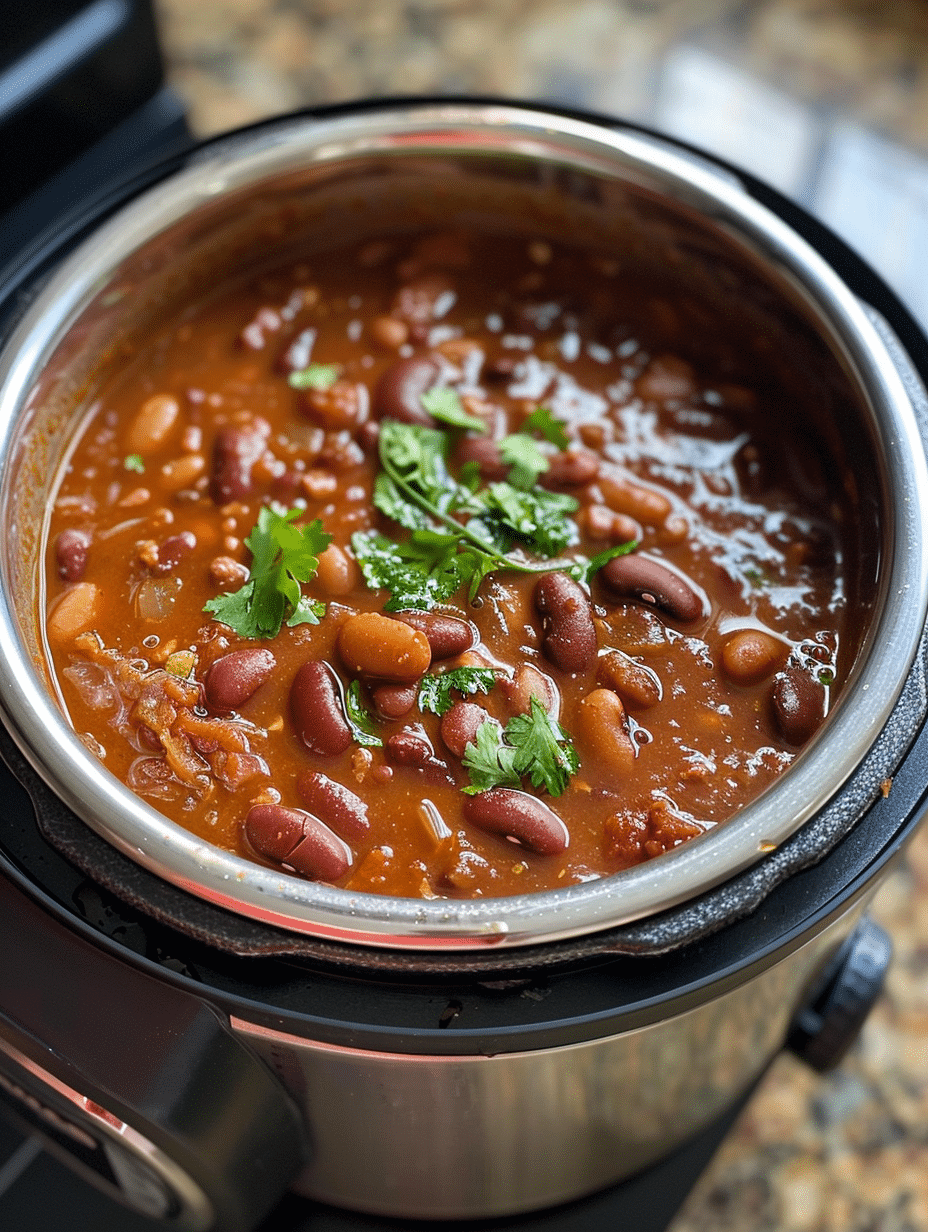
Instant pot kidney beans transform from dried legume to dinner-ready ingredient in less than thirty-five minutes using a straightforward technique that eliminates overnight soaking and delivers consistently creamy results. This recipe represents the intersection of my grandmother’s traditional bean-cooking wisdom and modern pressure cooker efficiency—honoring careful technique while respecting your time. Master this method once, and you’ll have a reliable foundation for countless plant-forward meals, whether you’re preparing chili for entertaining, grain bowls for meal prep, or Mediterranean salads for weeknight dinners. The tender beans and reserved cooking liquid become your secret weapon for delicious, budget-friendly cooking.
Instant Pot Kidney Beans: Easy Pressure Cooker Recipe
Ingredients
- 2 cups dried kidney beans
- 6 cups water
- 1 teaspoon salt
- 1 tablespoon olive oil (optional)
Instructions
- Rinse kidney beans under cold water and drain thoroughly
- Add beans, water, salt, and optional olive oil to the Instant Pot
- Close and lock the lid, ensuring the valve is set to 'Sealing'
- Select 'High Pressure' and set the timer for 22 minutes
- After cooking, allow a 10-minute natural pressure release, then quick release any remaining pressure
- Open the lid and stir the beans to separate them
- Let sit for 5 minutes before serving or storing
Notes
Avoid overcooking to prevent mushy texture
Cool completely before refrigerating up to 5 days
Use in recipes like Mexican-style refried beans, Mediterranean salads, or American chili