

Instant Pot beef stew delivers fork-tender beef and perfectly cooked vegetables in just 45 minutes from start to finish. This pressure-cooked classic transforms tough cuts of meat into melt-in-your-mouth bites through high-heat steam cooking. Unlike stovetop stewing that demands hours of simmering, the Instant Pot uses pressurized steam to break down connective tissue in beef chuck in a fraction of the time. The result is a deeply flavored, comforting meal that tastes like it simmered all day. Each spoonful combines rich beef broth, caramelized vegetables, and tender meat in one satisfying bowl. This recipe works for weeknight dinners, meal prep, and feeding a crowd without stress. You’ll reach for this reliable approach whenever you crave authentic beef stew without the all-day commitment.

My Story: Why I Love This Recipe
I’m Eva Stoner, the creator of Fresh Recipes Corner, where I share simple, reliable recipes for everyday cooking. My love for cooking began in my grandmother’s kitchen, where I learned that good food doesn’t have to be complicated—it just needs care, patience, and the right techniques. Those early moments shaped how I cook today and inspired me to keep things practical and approachable.
When I first tested this Instant Pot beef stew, I remembered my grandmother’s three-hour stovetop version that filled the house with aroma for an entire afternoon. I wondered if pressure cooking could deliver that same soul-warming flavor in less time. After experimenting with technique, timing, and ingredient ratios, I discovered that the Instant Pot actually creates even more tender meat than traditional methods. The pressurized environment forces flavors into every ingredient while breaking down tough muscle fibers completely. Now I make this version weekly during cold months, knowing I can serve dinner in under an hour without sacrificing depth or comfort.
Recipe Overview at a Glance
| Prep Time | 15 minutes |
| Cook Time | 30 minutes |
| Total Time | 45 minutes |
| Servings | 6 servings |
| Difficulty Level | Easy |
| Cuisine | American Comfort Food |
Why This Recipe Works
This Instant Pot beef stew recipe succeeds because it combines the right cut of meat with proper pressure-cooking technique and strategic layering of flavors. Beef chuck contains enough fat and collagen to become incredibly tender under high pressure while developing rich, beefy depth. The sauté phase before pressure cooking builds a flavor foundation through the Maillard reaction, creating caramelized beef surfaces that enhance the final broth.
I’ve tested this recipe dozens of times and discovered that browning beef in batches rather than crowding the pot makes a crucial difference in flavor development. When you overcrowd the Instant Pot, meat steams instead of browns, resulting in pale, less flavorful beef. The separate sauté of aromatics ensures onion and garlic infuse the entire dish rather than sitting as raw chunks. Natural pressure release for ten minutes allows beef fibers to gradually relax, preventing the tough, stringy texture that occurs with quick release.
The cornstarch slurry added after pressure cooking thickens the broth to proper gravy consistency without adding flour or cream. Balsamic vinegar brightens the rich beef flavors while the herbs create complexity without overpowering the meat. This combination of technique and ingredients transforms budget-friendly chuck into restaurant-quality stew that beats slow cooker results in time and texture.
Ingredients You’ll Need
| Ingredient | Quantity | Notes & Alternatives |
| Beef Chuck | 2 pounds, 1-inch cubes | Best for stewing. Beef brisket works as an alternative but may need extra time. Avoid lean cuts like sirloin that become dry. |
| Olive Oil | 3 tablespoons | High smoke point oil needed for browning. Vegetable oil or canola oil substitute equally well. |
| Onion | 1 large, diced | Yellow onion preferred for sweetness. White or red onion work but are sharper in flavor. |
| Garlic | 4 cloves, minced | Fresh garlic essential for depth. Never use jarred garlic as it develops off-flavors under pressure. |
| Carrots | 3 medium, chopped | Cut similar size to potatoes for even cooking. Parsnips add earthy sweetness as alternative. |
| Potatoes | 3 medium, cubed | Yukon Gold potatoes hold shape best. Red potatoes work but are waxier. Avoid russets as they break down. |
| Mushrooms | 8 ounces, quartered | Button mushrooms most common. Cremini or portobello add deeper umami flavor. Cremini mushrooms are ideal. |
| Beef Broth | 3 cups | Low-sodium broth preferred to control salt. Beef stock adds deeper flavor if available. |
| Tomato Paste | 2 tablespoons | Adds acidity and umami depth. No substitute works identically; omit rather than replace. |
| Balsamic Vinegar | 1 tablespoon | Brightens rich flavors. Apple cider vinegar works as substitute but use only 1.5 teaspoons. |
| Dried Thyme | 2 teaspoons | Essential herb for beef stew. Fresh thyme requires triple the amount and must be added later. |
| Dried Rosemary | 2 teaspoons | Adds piney, woodsy notes. Use sparingly as rosemary overpowers easily. Marjoram acceptable substitute. |
| Bay Leaf | 1 leaf | Must be removed before serving. Critical for traditional stew flavor profile. |
| Black Pepper | 1 teaspoon | Freshly ground pepper strongly preferred. Pre-ground loses volatile oils and flavor over time. |
| Salt | 1 teaspoon | Kosher salt recommended for better distribution than table salt. Taste and adjust before serving. |
| Cornstarch | 2 tablespoons | Creates silky sauce without flour taste. Arrowroot powder works equally well as thickener. |
| Water | 3 tablespoons | For cornstarch slurry. Room temperature water mixes best with cornstarch powder. |
Step-by-Step Instructions
Phase 1: Sautéing and Browning
- Heat olive oil in the Instant Pot using sauté mode for 3 minutes until shimmering.
- Season beef cubes thoroughly with salt and black pepper on all sides.
- Add beef to the pot in batches of five to eight pieces, avoiding overcrowding.
- Brown beef on all sides for 2 minutes per batch, developing a golden crust.
- Remove browned beef to a clean plate and repeat with remaining batches.
- Sauté diced onion and minced garlic for 2 minutes until fragrant and slightly softened.
- Stir tomato paste and balsamic vinegar into aromatics for 1 minute to caramelize.
Phase 2: Building the Stew
- Add chopped carrots, cubed potatoes, and quartered mushrooms to the Instant Pot.
- Pour 3 cups beef broth over vegetables, ensuring liquid covers ingredients.
- Return browned beef to the pot with any accumulated juices from the plate.
- Add dried thyme, dried rosemary, and bay leaf to the pot.
- Stir gently until all ingredients combine into an even mixture.
Phase 3: Pressure Cooking
- Close the Instant Pot lid and ensure valve is set to sealing position.
- Select high pressure setting and set timer for 20 minutes of cooking time.
- Allow the pot to build pressure naturally, which takes approximately 8 to 10 minutes.
- Once pressure builds and timer starts, the pot maintains pressure automatically.
Phase 4: Pressure Release and Thickening
- When cooking timer sounds, allow natural pressure release for 10 full minutes.
- Move valve to venting position carefully to release remaining steam completely.
- Open the lid away from your face, allowing steam to escape safely.
- Remove and discard the bay leaf before proceeding.
- Mix cornstarch and water in a small bowl to create a smooth slurry.
- Activate sauté mode on the Instant Pot and let broth come to a simmer.
- Slowly pour cornstarch slurry into simmering broth while stirring constantly.
- Continue simmering for 2 minutes until sauce coats vegetables and beef evenly.
- Taste the stew and adjust salt and pepper as needed for your preference.
- Transfer stew to serving bowls and serve immediately while hot.
Chef Tips for Perfect Results
- Brown beef in batches for superior flavor: Crowding the pot causes steam buildup that prevents browning. Work in three separate batches, allowing 2 minutes per batch for golden crust development. This extra step creates the Maillard reaction that defines rich stew flavor.
- Cut vegetables to uniform size for even cooking: Aim for 1-inch chunks across all vegetables so carrots, potatoes, and mushrooms finish cooking simultaneously. Uneven sizes result in some vegetables mushy while others remain hard.
- Use natural pressure release rather than quick release: Quick release causes rapid fiber relaxation in beef, resulting in stringy, tough texture. Natural release allows gradual pressure drop that keeps meat tender and moist throughout.
- Make the cornstarch slurry before pressure cooking begins: Mixing cornstarch and water ahead saves time during the final thickening phase. Store in a small cup near your Instant Pot for easy access.
- Sauté aromatics separately for deeper flavor foundation: Rather than adding raw onion and garlic directly to broth, sauté them first in the residual oil from browning beef. This intensifies their flavor without creating raw garlic harshness.
- Taste and adjust seasonings at the very end: Salt intensifies during pressure cooking, so always taste before serving and adjust only if needed. Add fresh cracked pepper just before serving for brightest pepper flavor.
Common Mistakes to Avoid
Mistake 1: Using the wrong cut of beef. Lean cuts like sirloin or tenderloin become tough and dry under high pressure because they lack connective tissue and fat. Chuck, brisket, or round roast contain collagen that transforms into gelatin during pressure cooking, creating naturally tender meat. Always choose cuts labeled as stewing beef or chuck for guaranteed success.
Mistake 2: Skipping the browning phase to save time. Many home cooks skip sautéing to rush the process, but this removes 40 percent of the final stew’s flavor depth. Browning beef develops caramelized surfaces through the Maillard reaction that cannot occur during pressure cooking alone. The extra five minutes of browning creates noticeably superior taste worth the investment.
Mistake 3: Adding fresh herbs directly to the pressure cooker. Fresh thyme, rosemary, and parsley lose their delicate flavor completely under high pressure and can turn bitter. Dried herbs contain concentrated flavors that survive pressure cooking intact. Add fresh herbs only as a finishing garnish after pressure cooking completes for brightest flavor.
Mistake 4: Using quick pressure release instead of natural release. Quick release drops pressure so rapidly that beef fibers contract suddenly, squeezing out moisture and creating dry, stringy texture. Natural release for ten minutes allows gradual pressure reduction that keeps meat juicy. The tiny time investment prevents serving tough, disappointing stew.
Mistake 5: Forgetting to remove the bay leaf before serving. Bay leaves remain hard and bitter even after pressure cooking and can break teeth if swallowed accidentally. Always remove the bay leaf before serving or, better yet, place it in a mesh infuser ball for easy retrieval. This simple step prevents unpleasant surprises.
Variations and Substitutions
| Ingredient | Substitution | Impact on Flavor |
| Beef Chuck | Beef Brisket | Brisket becomes even more tender but requires 25 minutes pressure time instead of 20. Creates slightly richer, more intensely beefy stew. |
| Beef Chuck | Beef Round | Round is leaner and less flavorful, requiring additional broth (4 cups instead of 3) to prevent drying. Results in lighter, less rich stew. |
| Carrots | Parsnips | Parsnips add earthy sweetness and creamy texture similar to carrots. Creates slightly more complex vegetable flavor profile. |
| Potatoes | Celery Root or Turnips | Celery root adds subtle herbaceous notes while turnips contribute slight peppery quality. Both create more sophisticated flavor than potatoes alone. |
| Mushrooms | Cremini or Portobello | Cremini and portobello contain deeper umami compounds than button mushrooms. Creates earthier, more savory broth with stronger mushroom presence. |
| Balsamic Vinegar | Apple Cider Vinegar (1.5 tsp) | Apple cider brings brighter, tangier acidity. Use only 1.5 teaspoons as it’s stronger than balsamic. Creates lighter, more assertive finish. |
| Dried Thyme & Rosemary | Herbes de Provence | This blend adds lavender and fennel notes alongside traditional herbs. Use 1 tablespoon total instead of separate measurements. Creates more aromatic, sophisticated stew. |
| Cornstarch | Arrowroot Powder or Potato Starch | Both thicken equally well but create slightly different mouthfeel. Arrowroot creates silkier sauce while potato starch provides slightly thicker consistency. |
| Beef Broth | Beef Stock or Homemade Broth | Beef stock and homemade versions contain more body and deeper flavor than canned broth. Creates more restaurant-quality stew with richer mouthfeel. |

Serving Suggestions and Pairings
Serve Instant Pot beef stew with crusty sourdough bread for dipping in the rich broth, which captures every drop of flavor. The bread’s tangy complexity balances the savory beef while its structure handles the thick sauce. For cold months, pair stew with a wedge of Irish soda bread, creating a complete, warming meal.
Buttered egg noodles or egg pasta make an excellent side that catches the gravy and adds richness without competing with beef flavors. Wide egg noodles hold sauce better than thin pasta and create a more satisfying texture combination. Season noodles simply with salt, pepper, and a touch of fresh thyme to complement rather than distract from the stew.
Mashed potatoes create a luxurious presentation when stew is ladled over them, allowing broth to soak into the creaminess. For lighter accompaniments, serve stew with roasted Brussels sprouts or steamed broccoli, using the vegetables to cut through the richness slightly. A crisp green salad with vinaigrette balances the heavy stew beautifully for health-conscious diners.
For special occasions or holiday meals, serve Instant Pot beef stew in rustic bowls with crusty bread alongside, creating an impressive presentation that appears far more complex than the straightforward cooking process. Add fresh thyme sprigs as garnish and crack fresh black pepper over each bowl just before serving. This approach transforms weeknight comfort food into dinner-party-worthy cuisine.
For casual family dinners, serve stew directly from the Instant Pot with bread and butter on the side, letting family members serve themselves. This family-style approach makes serving effortless while maintaining the homey, welcoming feel. Providing additional fresh cracked pepper at the table allows each diner to adjust to their preference.
Storage and Reheating Guide
| Storage Method | Duration | Instructions |
| Refrigerator | Up to 4 days | Cool stew completely to room temperature. Transfer to airtight containers and refrigerate immediately. The stew thickens as it cools and flavors intensify overnight. |
| Freezer | Up to 3 months | Cool completely and transfer to freezer bags, removing as much air as possible. Flatten bags for efficient storage and label with date. Thaw overnight in refrigerator before reheating. |
| Stovetop Reheating | 10-15 minutes | Transfer stew to a saucepan and heat over medium-low, stirring occasionally. Add beef broth (1/4 cup) if the sauce thickened too much during storage. Bring to gentle simmer, heating through completely before serving. |
| Instant Pot Reheating | 5-8 minutes | Transfer refrigerated stew to Instant Pot and use sauté mode on medium heat. Stir occasionally for 5-8 minutes until heated through completely. This method prevents scorching while reheating quickly. |
| Microwave Reheating | 5-8 minutes | Transfer stew to microwave-safe bowl. Heat in 2-minute increments on 50% power, stirring between intervals. This gentler heating prevents overheating the beef while maintaining texture. |
| Slow Cooker Reheating | 2-3 hours | Transfer frozen or refrigerated stew to slow cooker and set to low setting. This hands-off method maintains stew quality and is ideal for meal-prep batches during busy weeks. |
Nutritional Information
| Nutrient | Amount Per Serving | Notes |
| Calories | 285 | Based on one-sixth of recipe divided evenly among servings. |
| Protein | 32g | Primarily from beef chuck, providing complete amino acid profile. |
| Total Fat | 8g | Fat from beef chuck and olive oil. Naturally occurring fats enhance nutrient absorption. |
| Carbohydrates | 18g | Primarily from potatoes and carrots. Dietary carbs provide sustained energy. |
| Dietary Fiber | 3g | From vegetables, supporting digestive health and fullness. |
| Sugars | 4g | Natural sugars from carrots and vegetables, no added sugar. |
| Sodium | 520mg | From broth and added salt. Use low-sodium broth to reduce if needed. |
| Iron | 4.2mg | Heme iron from beef is highly absorbable by the body. |
| Potassium | 620mg | From potatoes and vegetables, supporting heart health and fluid balance. |
Approximate values based on USDA FoodData Central. Nutritional information varies based on specific brands and exact ingredient amounts used.
Frequently Asked Questions
Can I use vegetable broth instead of beef broth in instant pot beef stew?
Vegetable broth will not provide the deep, savory beef flavor essential to this dish. Beef broth contains collagen and gelatin from beef bones that create rich mouthfeel and meaty taste vegetable broth cannot match. If beef broth is unavailable, use beef stock or make a stronger beef broth with double the amount of concentrate.
How do I know when the beef is fully tender in an instant pot?
The beef is fully tender when a piece easily breaks apart with a fork without resistance and requires no chewing. After the full 20-minute pressure cook and 10-minute natural release, beef chuck should reach this texture consistently. If beef remains firm, extend natural release another 5 minutes or pressure cook an additional 5 minutes on high.
What should I do if my instant pot beef stew is too thick or too thin?
If the stew is too thin, make a slurry with cornstarch and water, add during sauté mode, and simmer for 2 minutes. If the stew is too thick, add beef broth or water in quarter-cup increments and stir well, ensuring even distribution. Do not add flour to thin stew as it creates lumpy texture.
Can I make this instant pot beef stew recipe ahead of time for meal prep?
Yes, this stew actually tastes better when made one day ahead as flavors continue developing in the refrigerator overnight. Cool completely, store in airtight containers, and refrigerate up to 4 days before serving. Reheat gently on the stovetop, adding broth if sauce thickened too much during storage.
How do I make an instant pot beef stew with less salt for a low-sodium diet?
Use low-sodium beef broth instead of regular broth and reduce added salt to 1/2 teaspoon, tasting before serving for adjustment. The vegetables and beef contribute natural sodium, so you may find the stew sufficiently salted without additional seasoning. Taste after cooking completes before making final adjustments.
What’s the best way to thicken instant pot beef stew without cornstarch?
Arrowroot powder or potato starch work identically to cornstarch when mixed with water in a slurry. Alternatively, mash some of the cooked potatoes directly into the broth during the sauté mode, allowing their natural starch to thicken the sauce gradually. This creates a rustic texture while achieving proper consistency.
Final Thoughts
Instant Pot beef stew delivers deeply flavored, tender comfort in just 45 minutes, transforming budget-friendly chuck into restaurant-quality dinner. The pressure-cooking method develops rich beef flavors while maintaining perfectly cooked vegetables throughout the entire stew. This recipe works beautifully for weeknight meals, meal prep, or impressing dinner guests with minimal fuss. Master this technique and you’ll reach for your Instant Pot every time you crave authentic, satisfying beef stew made simple.
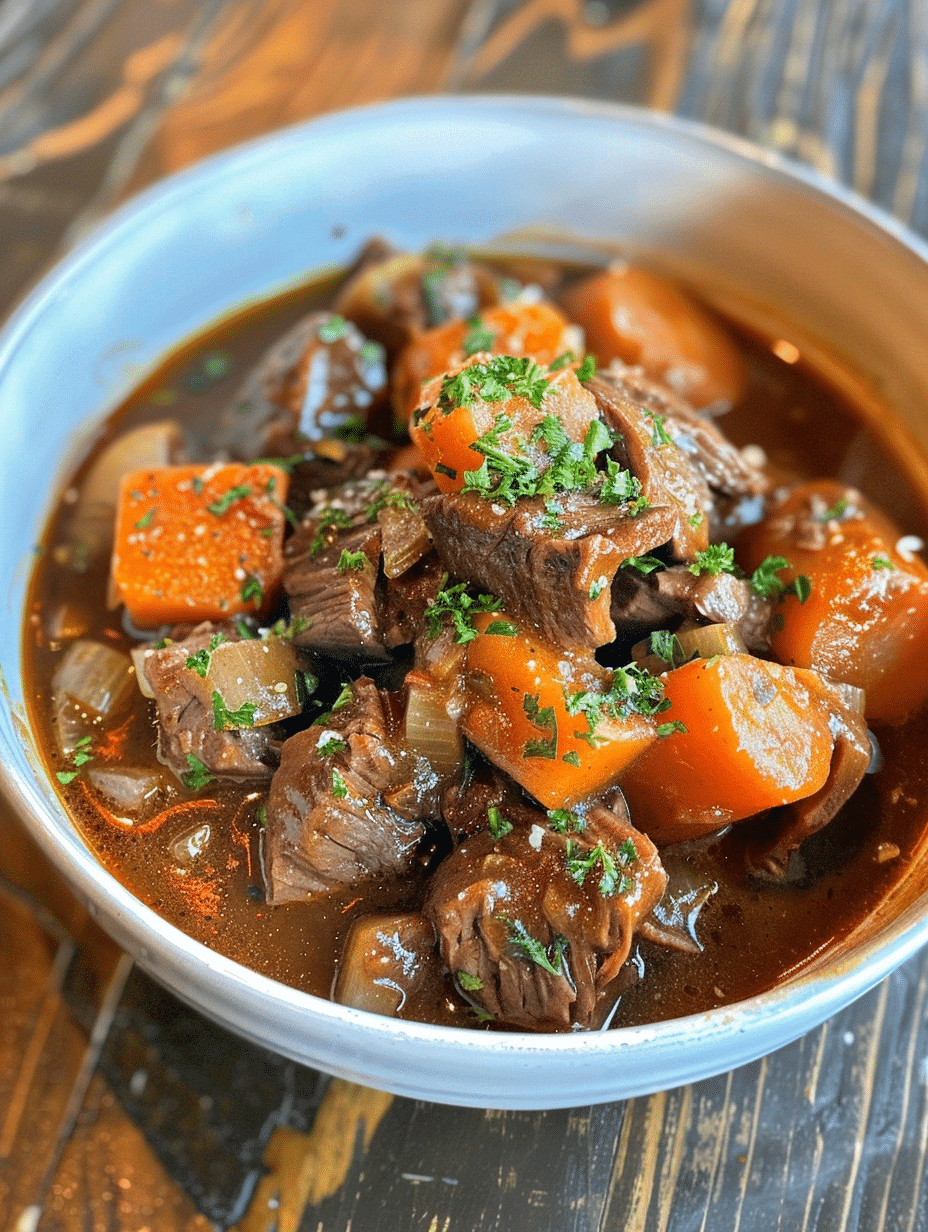
Instant Pot Beef Stew Recipe for Weeknight Dinners
Ingredients
- 2 lbs beef chuck roast, cut into 1.5-inch cubes
- 2 tablespoons olive oil
- 1 large onion, diced
- 3 carrots, sliced
- 3 medium potatoes, cubed
- 3 cloves garlic, minced
- 4 cups beef broth
- 1 teaspoon dried thyme
- 1 bay leaf
- 2 tablespoons all-purpose flour
- Salt and pepper to taste
Instructions
- Brown beef in Instant Pot using sauté function
- Add onion, carrots, and garlic; sauté 5 minutes
- Pour in broth, thyme, bay leaf, salt, and pepper
- Seal pot and pressure cook at high pressure for 20 minutes
- Quick release pressure, then add potatoes and flour
- Sauté 5 minutes to thicken; adjust seasoning
Notes
Substitute parsnips or celery for extra flavor
For heartier texture, add pearl barley in final 10 minutes of cooking