

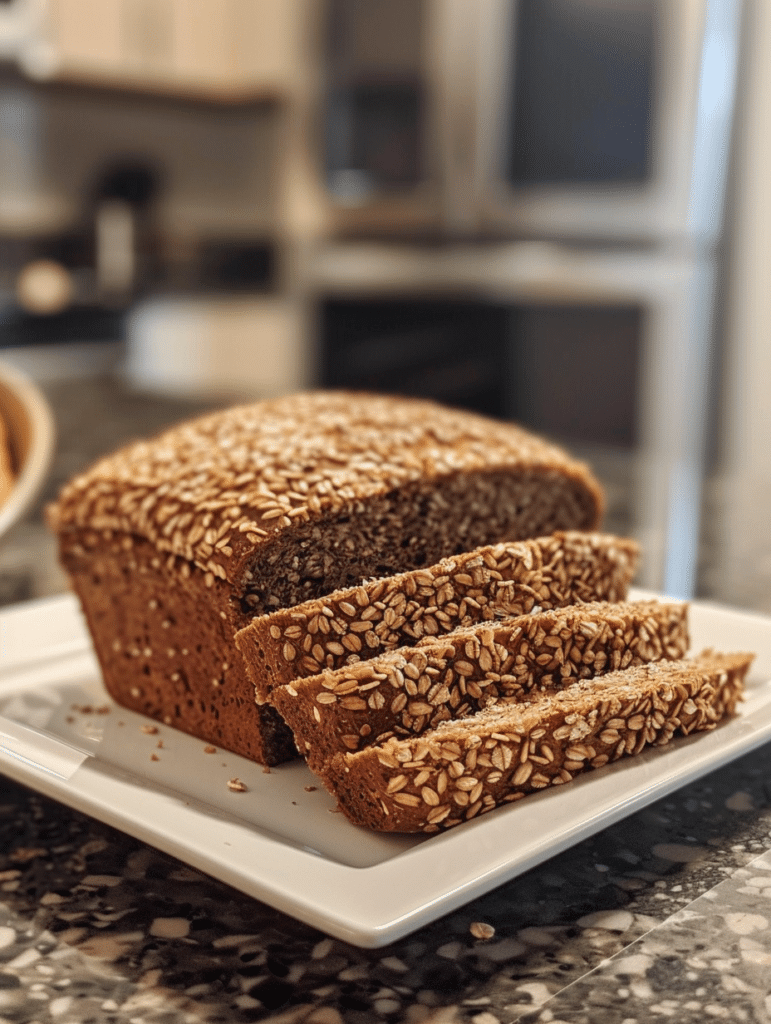
Multigrain bread is a hearty, nutrient-packed loaf that combines whole wheat flour with seeds, oats, and additional grains to create exceptional flavor and texture. This recipe delivers a chewy crumb, nutty undertones, and satisfying density that surpasses most commercial varieties. Unlike basic white bread, multigrain bread provides sustained energy, fiber, and essential minerals from its diverse grain blend. The combination of whole wheat, oats, sunflower seeds, and flaxseed creates a loaf that stays fresh longer and pairs beautifully with soups, salads, and sandwiches. Making multigrain bread at home is entirely approachable, requiring only basic ingredients and patience.
Author and Brand Story
I’m Eva Stoner, the creator of Fresh Recipes Corner, where I share simple, reliable recipes for everyday cooking. My love for cooking began in my grandmother’s kitchen, where I learned that good food doesn’t have to be complicated—it just needs care, patience, and the right techniques. Those early moments shaped how I cook today and inspired me to keep things practical and approachable.
My grandmother always kept fresh bread on her kitchen counter, and she taught me that the act of baking brings people together. When I started Fresh Recipes Corner five years ago, multigrain bread became one of my signature recipes. I’ve baked hundreds of loaves, tested countless variations, and refined this formula to deliver consistent, beautiful results every single time. This expertise comes directly from years of kitchen experience and a genuine commitment to helping home bakers succeed.
Recipe Overview
| Metric | Value |
|---|---|
| Prep Time | 20 minutes |
| First Rise | 90 minutes |
| Second Rise | 45 minutes |
| Bake Time | 38 minutes |
| Total Time | 3 hours 15 minutes |
| Servings | 12 slices (1 loaf) |
| Difficulty Level | Beginner to Intermediate |
| Cuisine | International |
Why This Recipe Works
I developed this multigrain bread recipe after years of experimentation, testing flour ratios, hydration levels, and fermentation times. The balance between whole wheat and all-purpose flour creates structure without heaviness—the all-purpose flour adds elasticity and rise, while whole wheat delivers depth and nutrition. This combination produces a loaf that rises properly and slices cleanly rather than crumbling.
The seed blend is purposeful and scientifically chosen. Sunflower seeds add subtle nuttiness and crunch, while flaxseed contributes earthy notes and omega-3 fatty acids. Rolled oats bind moisture and create a tender crumb that stays soft for days. Honey acts as a gentle sweetener that feeds yeast during fermentation without overpowering the savory grain flavors. Every ingredient serves a distinct purpose in creating multigrain bread that looks professional and tastes exceptional.
From my experience, home bakers struggle most with underproofing or overproofing. This recipe builds in built-in checks: the dough should visibly double during the first rise, and the shaped loaf should pass the poke test before baking. I’ve included precise visual cues throughout so you can bake by observation rather than strict timing alone.
Ingredients
| Ingredient | Quantity | Notes & Alternatives |
|---|---|---|
| Whole Wheat Flour | 3 cups | Provides nutty flavor and fiber. Use freshly milled if possible for best taste. Spelt flour works as substitute but reduces rise slightly. |
| All-Purpose Flour | 1 cup | Adds gluten structure and elasticity. Bread flour increases chewiness but may create denser loaf. Do not replace with whole wheat. |
| Rolled Oats | 1/2 cup | Old-fashioned oats work best. Steel-cut oats are too coarse. Quick oats compress the crumb slightly but are acceptable. |
| Raw Sunflower Seeds | 1/4 cup | Adds crunch and nutty flavor. Unsalted variety prevents excessive sodium. Pumpkin seeds substitute well but reduce nuttiness. |
| Ground Flaxseed | 1/4 cup | Contributes earthy richness and omega-3s. Pre-ground works fine but fresh-ground tastes superior. Chia seeds (2 tablespoons) substitute but change texture. |
| Honey | 2 tablespoons | Gentle sweetener that feeds yeast. Brown sugar (2 tablespoons) or molasses (1 1/2 tablespoons) work but alter flavor profile. |
| Salt | 2 teaspoons | Controls fermentation speed and flavor. Sea salt or kosher salt both work. Do not reduce—salt strengthens gluten network. |
| Instant Yeast | 2 teaspoons | Active dry yeast (2 1/4 teaspoons) works but requires slightly longer rising. Fresh yeast requires special measurements. |
| Warm Water | 1 1/2 cups | Temperature should be 100–110°F. Too hot kills yeast; too cold slows fermentation. Use filtered water if tap water is highly chlorinated. |
| Olive Oil | 1 tablespoon | Adds tenderness and richness. Vegetable oil or coconut oil work but lack flavor. Essential for achieving correct hydration. |
Step-by-Step Instructions
Prepare the Dry Mixture
- Measure 3 cups whole wheat flour, 1 cup all-purpose flour into a large mixing bowl.
- Add 1/2 cup rolled oats, 1/4 cup sunflower seeds, 1/4 cup ground flaxseed to the flour.
- Stir in 2 teaspoons salt and 2 teaspoons instant yeast, mixing thoroughly with a whisk or fork.
- Ensure yeast and salt are evenly distributed throughout the flour mixture.
Create the Dough
- Pour 1 1/2 cups warm water (100–110°F) into the center of the dry ingredients.
- Add 1 tablespoon olive oil to the water.
- Stir with a wooden spoon until a shaggy dough forms with no visible dry flour.
- Stop mixing once all flour is incorporated—do not overmix at this stage.
Develop the Gluten
- Transfer dough to a lightly floured work surface.
- Knead for 10 minutes using the heel of your hand, folding dough over itself constantly.
- Continue kneading until dough becomes smooth, elastic, and springs back when poked.
- Dough should feel slightly tacky but not sticky—add flour only if it sticks excessively to work surface.
First Rise
- Oil a medium bowl generously with olive oil.
- Place kneaded dough into the oiled bowl, turning to coat all sides.
- Cover bowl with a damp kitchen towel or plastic wrap.
- Let rise at room temperature (68–75°F) for 90 minutes until dough doubles in volume.
- Check doneness by pressing two fingers into the dough—an indent should remain.
Shape and Second Rise
- Turn dough onto a lightly floured work surface, deflating it gently.
- Shape into a 10-inch oval loaf using your hands.
- Place shaped loaf on a parchment-lined baking sheet, seam side down.
- Cover loosely with a damp towel and let proof for 45 minutes until puffy.
- Dough should increase noticeably but not completely fill the oven spring.
Bake the Multigrain Bread
- Preheat oven to 450°F for 30 minutes before baking.
- Using a sharp knife, score the top of the loaf with a diagonal cut, about 1/4-inch deep.
- Place baking sheet on middle oven rack and bake for 35–40 minutes.
- Loaf is done when golden brown and sounds hollow when tapped on the bottom.
- Internal temperature should reach 205–210°F when measured with an instant-read thermometer.
Cool and Rest
- Remove baked loaf from oven and slide onto a wire cooling rack.
- Let cool completely for at least 20 minutes before slicing.
- Slicing warm loaf creates a gummy interior—cooling allows crumb to set properly.
Chef Tips for Perfect Results
- Water Temperature Matters Most: Yeast activates optimally at 100–110°F. Use a kitchen thermometer rather than guessing. Water that’s too cold extends rising times dramatically, while water above 120°F kills yeast cells entirely, preventing rising.
- Trust Visual Cues Over Time: Room temperature significantly affects fermentation speed. Rather than watching the clock, observe that the dough doubles visibly and the shaped loaf passes the poke test. This approach works regardless of seasonal temperature fluctuations.
- Knead Until Smooth and Elastic: The 10-minute kneading window develops gluten properly for multigrain bread. Stop when the dough springs back immediately after poking—underworked dough spreads flat during baking instead of rising upward.
- Use Filtered Water if Possible: Chlorinated tap water can interfere with yeast activation. If your tap water is heavily chlorinated, filter it or let it sit uncovered overnight before using. This adjustment prevents sluggish fermentation and improves final texture.
- Score Before Baking: The shallow diagonal cut controls where the loaf expands, creating an attractive finish. A dull knife crushes gluten and prevents proper oven spring. Use a sharp serrated knife or lame blade, cutting swiftly and confidently.
- Cool Completely Before Slicing: Warm bread continues cooking internally as it cools. Cutting into warm loaf releases steam and creates a gummy crumb. Waiting 20 minutes transforms the texture from damp to perfectly tender.
Common Mistakes to Avoid
Mistake 1: Using Water That’s Too Hot or Too Cold
Why it happens: Most home bakers don’t use a thermometer and guess at water temperature. The Problem: Water above 120°F kills yeast cells instantly, preventing fermentation entirely. Water below 90°F activates yeast too slowly, resulting in weak fermentation and flat loaves. The Fix: Invest in an inexpensive instant-read thermometer and target 100–110°F precisely. This single adjustment guarantees consistent rising and beautiful loaves every time.
Mistake 2: Underproofing or Overproofing the Dough
Why it happens: Fermentation depends on room temperature, making it hard to judge by time alone. The Problem: Underproofed dough doesn’t rise properly in the oven and creates a dense, compact crumb. Overproofed dough collapses during baking and produces a flat, sunken loaf with a coarse crumb. The Fix: Perform the poke test during both rises. Press two fingers into the dough—the indent should remain halfway filled. If it springs back completely, proof longer. If it doesn’t spring back at all, you’ve overproofed.
Mistake 3: Skipping the Kneading Step or Kneading Too Little
Why it happens: Impatient bakers want to speed the process and skip proper gluten development. The Problem: Insufficiently kneaded dough lacks gluten structure, resulting in a crumbly, dense loaf that won’t hold shape. The multigrain bread spreads flat and fails to rise dramatically in the oven. The Fix: Knead for the full 10 minutes even if dough feels smooth at 5 minutes. Proper kneading builds sufficient gluten networks to trap gas and create an airy crumb.
Mistake 4: Not Cooling the Bread Before Slicing
Why it happens: Fresh-baked bread smells irresistible, and the temptation to slice immediately is strong. The Problem: Slicing warm loaves releases steam trapped in the crumb, creating a gummy, dense interior. The bread tears rather than slices cleanly. The Fix: Cool the bread completely on a wire rack for at least 20 minutes. The crumb sets and firms during cooling, creating clean slices. Any longer than 2 hours and the loaf begins staling.
Mistake 5: Using Ingredients That Are Too Cold
Why it happens: Many home bakers don’t consider ingredient temperature beyond water. The Problem: Cold flour, seeds, and oats lower overall dough temperature significantly, slowing fermentation dramatically. Rising times extend from 90 minutes to 2+ hours unpredictably. The Fix: If your kitchen is below 70°F, leave flour and other dry ingredients at room temperature for 2 hours before mixing. Alternatively, use slightly warmer water to compensate for cold ingredients.
Variations and Substitutions
| Ingredient | Substitution | Impact on Flavor & Texture |
|---|---|---|
| Sunflower Seeds | Pumpkin Seeds (1/4 cup) | Creates earthier, slightly more herbaceous flavor. Texture remains similar but crunch is marginally less pronounced. Pumpkin seeds are slightly larger, affecting mouthfeel. |
| Ground Flaxseed | Chia Seeds (2 tablespoons) or Sesame Seeds (3 tablespoons) | Chia seeds absorb more water, creating a denser crumb and noticeably nuttier taste. Sesame seeds add toasted notes and lighter texture. Both require slight water adjustment. |
| Rolled Oats | Barley Flakes (1/2 cup) or Rye Flakes (1/2 cup) | Barley flakes create sweeter, softer crumb with more delicate structure. Rye flakes produce denser, chewier texture and distinct earthy flavor. Both reduce overall rise slightly. |
| Whole Wheat Flour | Spelt Flour (3 cups) or Einkorn Flour (3 cups) | Spelt creates milder, slightly sweeter multigrain bread but reduces rise and elasticity. Einkorn produces tender crumb with distinct nutty notes but requires reduced hydration by 1/4 cup. |
| Honey | Brown Sugar (2 tablespoons) or Molasses (1 1/2 tablespoons) | Brown sugar adds subtle caramel notes and slightly darker crust. Molasses creates deep, complex flavor and darker interior crumb. Both affect rise rate slightly. |
| All-Purpose Flour | Bread Flour (1 1/4 cups) or Rye Flour (3/4 cup mixed with 1/4 cup AP) | Bread flour increases chewiness and rise dramatically, creating airier loaf. Rye flour adds distinctive tangy flavor and creates denser texture. Rye reduces elasticity. |
Serving Suggestions and Pairings
Multigrain bread shines in diverse contexts, from simple weekday meals to elegant entertaining. For breakfast, serve thick slices toasted with unsalted butter and natural almond butter. The bread’s heartiness supports rich spreads without becoming overwhelmed. For lunch, use multigrain bread for sandwiches filled with roasted vegetables, hummus, and leafy greens—the bread’s nutty notes complement vegetable-forward sandwiches beautifully.
Create a Mediterranean board featuring multigrain bread alongside fresh goat cheese, sliced tomatoes, cucumbers, olives, and fresh herbs like basil and oregano. This pairing works wonderfully for casual entertaining and pairs with sparkling water or herbal tea. For dinner, serve multigrain bread alongside hearty soups like lentil soup or minestrone—the bread’s texture withstands dunking without falling apart. The grain complexity enhances bean-based dishes particularly well.
For charcuterie-style entertaining without pork products, pair multigrain bread with aged cheeses like sharp cheddar or aged gouda, dried fruits, raw almonds, and roasted chickpeas. The bread’s structure holds up to multiple toppings while its flavor profile doesn’t compete with complex cheese varieties. Toast thinner slices for appetizers with ricotta cheese mixed with fresh herbs, creating an elegant starter. Multigrain bread also works beautifully for bruschetta-style appetizers topped with white beans, garlic, olive oil, and fresh rosemary.
Storage and Reheating
| Storage Method | Duration | Instructions |
|---|---|---|
| Room Temperature (Paper Bag) | 2–3 days | Place cooled loaf in a paper bag (not plastic) to maintain slight air circulation. This method preserves crust crispness while interior stays soft. Check daily for mold growth in humid climates. |
| Refrigerator | 1 week | Wrap completely cooled loaf in plastic wrap, then place in a sealed container or plastic bag. Cold slows staling significantly compared to room temperature. Slice before refrigerating for easier use. |
| Freezer | 3 months | Slice completely cooled bread, wrap slices individually in plastic wrap, then place in freezer bags with air removed. Frozen slices go directly into toaster for quick breakfast. Whole loaves take 3+ hours to thaw. |
| Revive Stale Bread | 1–2 slices at a time | Lightly spray stale slices with water, then toast in 350°F oven for 5 minutes. The moisture rehydrates the crumb while gentle heat restores softness without crisping. Do not use microwave—it accelerates staling. |
| Make Breadcrumbs | Indefinite | Dry stale multigrain bread completely in a 200°F oven for 30 minutes. Once completely dry, pulse in a food processor until bread becomes coarse or fine crumbs based on preference. Store in an airtight container. |
Nutritional Information
Approximate values per serving (1 slice, based on 12 slices per loaf):
| Nutrient | Amount per Serving |
|---|---|
| Calories | 185 |
| Protein | 7g |
| Total Fat | 4g |
| Saturated Fat | 0.5g |
| Carbohydrates | 32g |
| Dietary Fiber | 5g |
| Sugars | 2g |
| Sodium | 390mg |
| Iron | 2.5mg (14% DV) |
| Magnesium | 45mg (11% DV) |
| Phosphorus | 210mg (15% DV) |
| Zinc | 1.5mg (10% DV) |
Note: Nutritional values are approximate and based on USDA FoodData Central standard measurements. Actual values may vary based on specific ingredient brands and preparation methods. Values exclude optional toppings or serving suggestions.
Frequently Asked Questions
Can I substitute all-purpose flour entirely with whole wheat flour in multigrain bread?
No, substituting all-purpose flour entirely with whole wheat will create a dense, flat loaf that rises poorly. Whole wheat flour lacks sufficient gluten development capacity compared to all-purpose flour. The all-purpose flour provides the elasticity needed for proper gas trapping and rise. If you prefer higher whole wheat content, increase it to 3.5 cups and reduce all-purpose to only 0.5 cups, then expect slightly denser texture and longer rising times.
How can I tell if multigrain bread is fully baked without cutting into it?
Fully baked multigrain bread should sound hollow when you tap the bottom with your knuckles. The crust should be uniformly golden brown, not pale or overly dark. The most reliable method is using an instant-read thermometer inserted into the center—the internal temperature should read 205–210°F. If bread sounds hollow but the thermometer reads below 205°F, return it to the oven for 5 minutes and test again.
Why did my multigrain bread not rise properly despite correct water temperature?
If your bread didn’t rise adequately, the yeast was likely killed by salt contact before fermentation began. Always mix yeast with dry flour before adding water. Additionally, yeast may have been expired or stored improperly in heat or humidity. Check yeast expiration dates and store new yeast in the refrigerator. Another cause is underproofing the first rise—the dough should visibly double, not just increase 25-30%. Finally, room temperature below 65°F dramatically slows fermentation.
Can I make multigrain bread dough the night before and bake it in the morning?
Yes, cold fermentation improves multigrain bread flavor significantly. After kneading, place dough in an oiled bowl, cover with plastic wrap, and refrigerate 8–12 hours. The next morning, shape the dough and allow it to proof at room temperature for 60–75 minutes before baking. The extended cold fermentation develops complex flavors and improves dough workability. The bread will also keep longer after baking.
What’s the best way to store sliced multigrain bread to keep it fresh longer?
Slice completely cooled bread and wrap individual slices in plastic wrap, then place them in a freezer bag with air removed. Frozen slices stay fresh for 3 months and go directly into a toaster without thawing. This method allows you to use only what you need while preventing mold. If preferring refrigeration, wrap the entire loaf in plastic wrap and store in a sealed container for up to 1 week.
Does multigrain bread require different baking techniques than white bread?
Multigrain bread requires slightly longer baking than white bread due to higher moisture content from seeds and oats. The oven temperature remains the same at 450°F, but baking time increases to 35–40 minutes instead of the typical 30–35 minutes for white bread. Monitor the crust color—multigrain bread browns faster due to whole grains, so if the crust darkens excessively after 30 minutes, lower oven temperature to 425°F. The poke test and internal temperature verification remain your most reliable doneness indicators.
Conclusion
Multigrain bread brings nutrition, flavor, and satisfaction to everyday meals with surprisingly approachable technique. This recipe delivers beautiful results through simple methods: precise water temperature, visual rising cues, and proper cooling before slicing. The combination of whole wheat, oats, seeds, and flaxseed creates a loaf that nourishes and genuinely impresses. Bake this multigrain bread regularly, and you’ll develop an intuitive feel for fermentation that transforms you into a confident home baker.

Homemade Multigrain Bread
Ingredients
- 2 cups whole wheat flour
- 1 1/2 cups all-purpose flour
- 1 1/4 cups warm water (110°F/45°C)
- 1 tablespoon sugar
- 1 tablespoon active dry yeast
- 1 teaspoon salt
- 1/4 cup milk, warm
- 1/3 cup sunflower seeds
- 2 tablespoons flaxseed meal
- 1/4 cup rolled oats
- 1 tablespoon honey (optional for sweetness)
Instructions
- Combine warm water, sugar, yeast, and 1/2 cup of all-purpose flour in a bowl. Let rest 5-10 minutes until foamy.
- Mix 1/2 cup warm water with milk and honey (if using), then blend into the yeast mixture.
- Add whole wheat flour, remaining all-purpose flour, salt, oats, and flaxseed. Knead 8-10 minutes until elastic.
- First rise: Cover and let rest 90 minutes until doubled in size.
- Punch down dough, add sunflower seeds, knead briefly, then shape into a loaf.
- Place in a greased 9×5-inch loaf pan, cover, and let rise 45 minutes.
- Preheat oven to 375°F (190°C). Bake 38 minutes until golden and hollow-sounding when tapped.
- Cool completely on a wire rack before slicing.
Notes
Substitute rolled oats with 1/4 cup barley flakes or rye grains if preferred.
If dough is too sticky during kneading, add 1–2 tablespoons vital wheat gluten.