

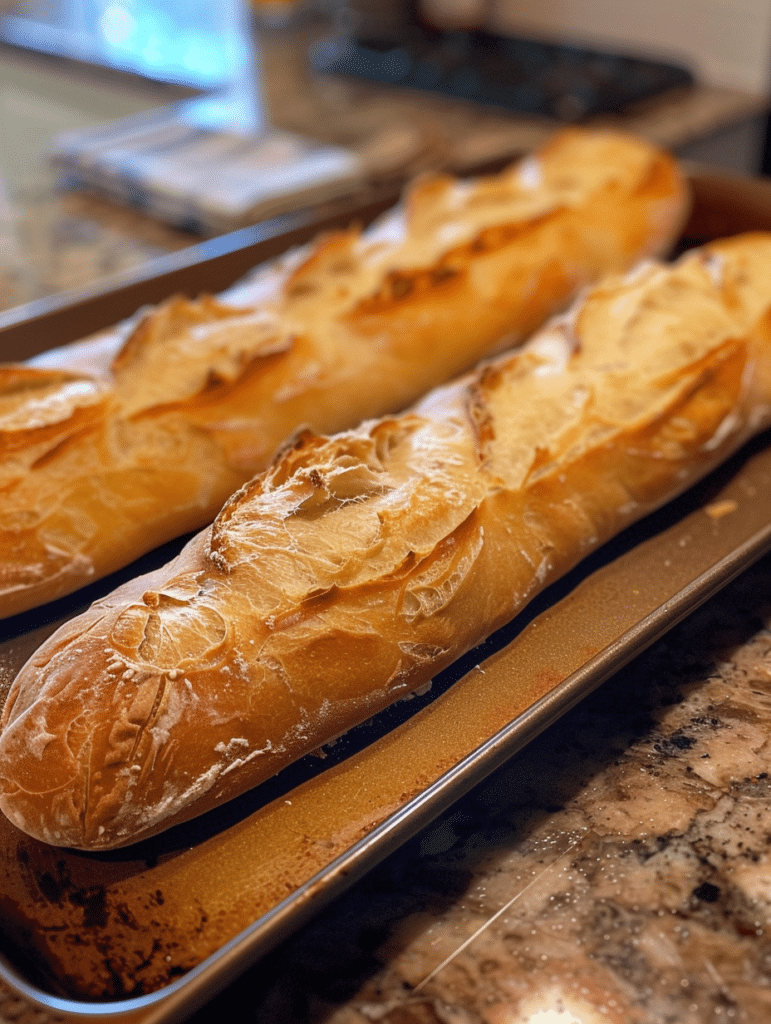
A baguette is a long, thin loaf of French bread with a crispy exterior crust and a soft, airy interior crumb that makes it perfect for sandwiches, dipping, or serving alongside dinner. This classic French baguette recipe delivers authentic results using just five simple ingredients: bread flour, water, salt, yeast, and time. The magic happens through proper fermentation and steam baking, which create that signature crackling crust and open crumb structure. Whether you’re a beginner baker or experienced bread maker, this guide walks you through every step to master homemade baguette baking in your own kitchen.
About Eva Stoner and Fresh Recipes Corner
I’m Eva Stoner, the creator of Fresh Recipes Corner, where I share simple, reliable recipes for everyday cooking. My love for cooking began in my grandmother’s kitchen, where I learned that good food doesn’t have to be complicated—it just needs care, patience, and the right techniques. Those early moments shaped how I cook today and inspired me to keep things practical and approachable.
When I first attempted baguette baking, I struggled with dense crumb and pale crust. After years of testing hydration ratios, fermentation times, and steam methods, I developed this recipe that consistently delivers café-quality results. I’ve baked over five hundred loaves, and this technique remains my go-to formula. My experience informs every recommendation in this guide, from dough mixing through final scoring.
Recipe Overview
| Prep Time | Cook Time | Total Time | Servings | Difficulty | Cuisine |
|---|---|---|---|---|---|
| 30 minutes | 30 minutes | 16 hours | 2 baguettes | Intermediate | French |
Why This Recipe Works
This baguette recipe succeeds because it honors the three principles of quality French bread: slow fermentation for flavor, high hydration for open crumb, and steam injection for crust development. I use a long cold overnight fermentation that allows flavor compounds to develop naturally without commercial additives. The dough rests for 16 hours in your refrigerator, meaning you prepare it one evening and bake fresh bread the next morning.
The hydration level sits at 75 percent, which is higher than typical sandwich breads but manageable with proper technique. This moisture content creates those characteristic irregular air pockets throughout the crumb while keeping the interior tender and moist for days. I’ve tested lower hydration formulas, but they produce dense crumb that lacks authenticity.
Steam baking transforms the crust from pale to deep mahogany brown with that signature crackling texture. When water turns to steam, it keeps the dough surface elastic during initial oven rise, allowing maximum expansion before crust sets. As steam dissipates, the crust dries out and develops its crispy, shattering quality.
Ingredients
| Ingredient | Quantity | Notes and Alternatives |
|---|---|---|
| Bread Flour | 500g | Higher protein (12-14%) creates better gluten network. All-purpose flour (10-12% protein) works but produces slightly denser crumb. |
| Water | 375ml | Filtered water works best; tap water is acceptable. Temperature should be around 20°C (68°F) for room temperature mixing. |
| Sea Salt | 10g | Kosher salt or table salt can substitute; reduce table salt to 8g due to smaller granule size and higher density. |
| Instant Yeast | 2g | Active dry yeast can substitute using 3g; avoid rapid-rise varieties that compromise fermentation flavor development. |
| Optional: Malt Powder | 5g | Adds subtle sweetness and enhanced browning; regular sugar or honey can substitute but reduce quantity to 3g. |
Step-by-Step Instructions
Phase One: Mixing and Autolyse
- Combine 500g bread flour and 375ml water in a large mixing bowl using your hands or a stand mixer fitted with the dough hook. Mix until no dry flour remains and all ingredients are incorporated into a shaggy dough ball.
- Cover the bowl with plastic wrap and let the dough rest for 30 minutes at room temperature. This autolyse period allows flour to fully hydrate and begins gluten development naturally.
- Sprinkle 10g sea salt and 2g instant yeast over the rested dough after the 30-minute rest period.
- Mix the dough by hand for about 5 minutes or use a stand mixer on medium speed for 3 minutes until salt and yeast are fully incorporated and dough becomes smooth and elastic.
Phase Two: Cold Fermentation
- Transfer the dough to a clean, lightly oiled bowl and cover tightly with plastic wrap or a lid.
- Place the covered bowl in your refrigerator and ferment for 12 to 16 hours. Cold fermentation develops complex flavor and makes dough easier to shape.
- Remove the dough from the refrigerator 30 minutes before shaping to allow it to reach cool room temperature, which makes handling easier.
Phase Three: Shaping and Final Rise
- Preheat your oven to 475°F (245°C) and position a baking stone on the middle rack if available, or use a baking sheet.
- Turn the cold dough out onto a lightly floured surface and divide it in half using a sharp knife or bench scraper.
- Pre-shape each half into a round by gently folding edges toward center, then let rest for 15 minutes covered with a towel.
- Shape each round into a long baguette by gently pressing it into a rough rectangle, then tightly rolling from one long edge toward you, sealing the seam with the heel of your hand.
- Place shaped baguettes seam-side up in a floured baguette pan or on a parchment-lined baking sheet folded to create ridges that support the loaves.
- Cover loosely with plastic wrap and allow the shaped baguettes to rise at room temperature for 45 to 60 minutes until they increase about 50 percent in volume.
Phase Four: Scoring and Baking
- Carefully invert the baguettes onto a baking stone or baking sheet seam-side down so the smooth side faces up.
- Using a sharp bread knife or lame held at a 45-degree angle, score diagonal cuts along the length of each baguette, spacing them about 2 inches apart and cutting about 1/4 inch deep.
- Create steam by placing a metal pan on the lowest oven rack and pouring 1 cup of boiling water into it just before loading the baguettes.
- Carefully place the baguettes in the preheated oven and bake for 28 to 32 minutes until the crust is deep golden brown and crispy.
- Remove baguettes from the oven and transfer to a wire rack to cool for at least 30 minutes before slicing to allow the crumb to set properly.
Chef Tips for Perfect Results
- Monitor oven temperature with an independent thermometer because many home ovens run 25°F cooler or hotter than displayed settings, directly affecting crust color and crumb structure.
- Use a baguette pan with ridged channels or create ridges from parchment paper to prevent baguettes from spreading during final rise, ensuring proper shape and even baking.
- Score baguettes confidently with one smooth motion rather than sawing, which pulls dough and creates ragged cuts that collapse during oven spring.
- Listen for crackling sounds during the first 5 minutes of baking, indicating steam production is working to expand dough before crust sets.
- Test doneness by tapping the bottom crust with your knuckle—a hollow sound indicates full baking, while a dull thud means the crumb needs more time.
- Cool baguettes completely on a wire rack rather than wrapping immediately, which traps steam and softens the crust you worked to develop.
Common Mistakes to Avoid
Dense, Gummy Crumb
Dense crumb typically results from insufficient fermentation time or slicing before the loaf fully cools. Ensure your cold fermentation reaches the full 16 hours and cool baguettes for at least 30 minutes before cutting, allowing internal structure to set properly.
Pale, Soft Crust
Pale crust happens when steam doesn’t generate properly or your oven temperature is too low. Verify your oven reaches 475°F using an independent thermometer, boil water for steam generation, and ensure the metal pan doesn’t touch baguettes directly.
Flat Baguettes Without Oven Spring
Flat loaves indicate over-proofing during the final rise or insufficient gluten development. Keep final rise to 60 minutes maximum, and ensure your mixing thoroughly incorporates ingredients so gluten bonds form strong enough to trap gas.
Burnt Bottom Crust
Burnt bottoms suggest your baking stone or sheet is too close to the heating element or oven temperature runs too hot. Position your stone on the middle oven rack, use a baking sheet instead of stone if browning too quickly, and reduce temperature by 25°F if crust colors too fast.
Uneven Crust Browning
Uneven browning results from inconsistent oven heat or baguettes positioned too close together. Rotate baguettes 180 degrees halfway through baking, ensure at least 3 inches between loaves, and avoid opening the oven door during the first 20 minutes when steam builds.
Variations and Substitutions
| Ingredient | Substitution | Impact on Flavor and Texture |
|---|---|---|
| Bread Flour | All-Purpose Flour | Produces slightly denser crumb with less extensibility; flavor remains similar but structure becomes more compact. |
| Instant Yeast | Active Dry Yeast (3g) | Creates nearly identical results with slightly slower fermentation; use 3g instead of 2g due to larger granule size. |
| Sea Salt | Kosher Salt | Works identically for flavor; use 12g kosher salt due to larger crystals and lower density than sea salt. |
| Water | Filtered or Mineral Water | Filtered water produces identical results; mineral water may slightly enhance crust browning from mineral content. |
| Whole Wheat Flour (20% substitution) | Replace 100g bread flour with 100g whole wheat flour | Adds nutty flavor and slightly denser crumb; reduces oven spring slightly due to reduced gluten development. |
| Rye Flour (10% substitution) | Replace 50g bread flour with 50g rye flour | Adds earthy, slightly sour flavor profile; rye absorbs more water so reduce hydration by 15ml. |
Serving Suggestions and Pairings
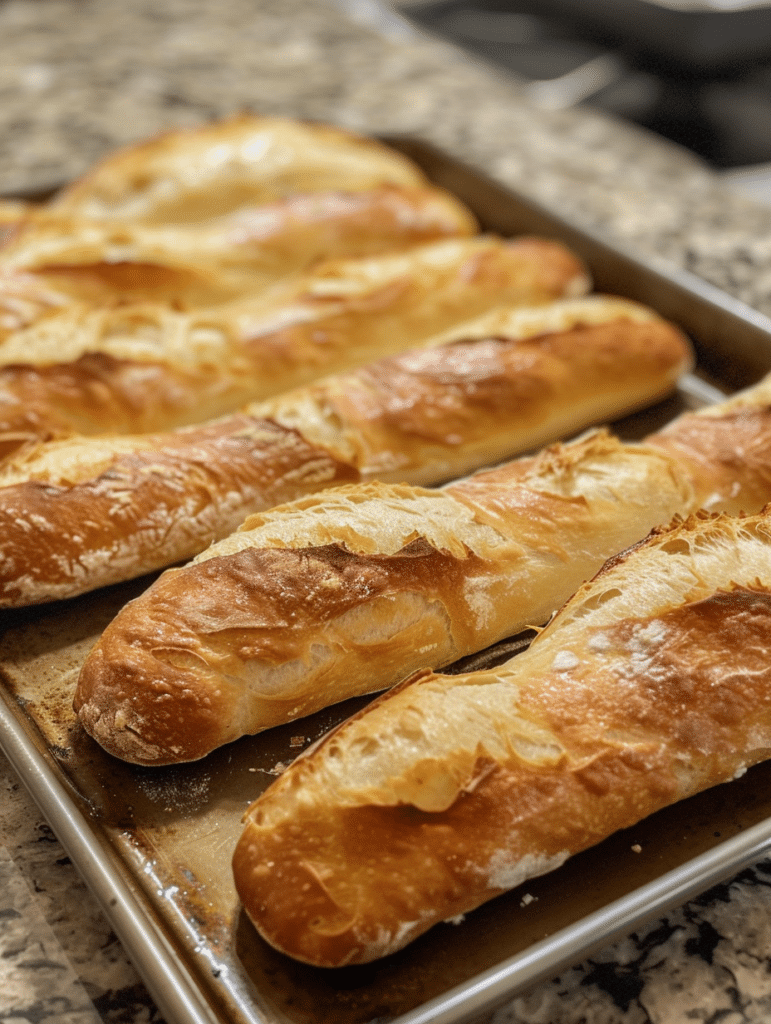
Serve warm baguette slices alongside French Onion Soup for dipping the bread into rich, caramelized broth and melted cheese. Fresh baguette works perfectly for Tartine sandwiches made with quality butter, jambon de Paris substitute, and cornichons on a casual lunch. Toast thick baguette slices and top with whipped goat cheese, roasted garlic, and fresh thyme for an elegant appetizer at dinner parties.
Cut baguettes into thin diagonal slices and arrange on a cheese and charcuterie board alongside aged cheddar, soft brie, marinated olives, and roasted almonds for sophisticated entertaining. Serve warm baguette with olive oil and aged balsamic vinegar for dipping as a rustic starter before Italian pasta dishes. Use day-old baguette to prepare Panzanella salad with ripe tomatoes, fresh basil, and red wine vinegar dressing for summer entertaining.
Storage and Reheating
| Method | Duration | Instructions |
|---|---|---|
| Room Temperature (Counter) | 1-2 days | Store unwrapped in a bread box or paper bag to maintain crust crispness while allowing air circulation; avoid plastic which traps moisture. |
| Refrigerator | 5-7 days | Wrap tightly in plastic wrap to prevent drying; baguette loses crispness but remains edible and can be recrisped in oven. |
| Freezer | 3 months | Wrap completely in plastic wrap then place in freezer bag to prevent freezer burn; thaw at room temperature 2-3 hours before reheating. |
| Oven Crisping | 15 minutes | Place whole or sliced baguette in 350°F (175°C) oven for 10-15 minutes to restore crust crispness; do not exceed 15 minutes or crust hardens excessively. |
| Toaster or Toaster Oven | 5-8 minutes | Slice baguette and toast at medium setting for 5-8 minutes until crust re-crisps; watch carefully to prevent burning. |
Nutritional Information
| Nutrient | Amount per Serving (1/8 of one baguette) |
|---|---|
| Calories | 156 |
| Protein | 5.2g |
| Total Fat | 0.8g |
| Saturated Fat | 0.2g |
| Carbohydrates | 31.4g |
| Dietary Fiber | 1.1g |
| Sugars | 0.3g |
| Sodium | 238mg |
Approximate values based on standard ingredients; nutrition varies slightly with different flour brands and fermentation duration.
Frequently Asked Questions
Can I make baguettes without a long fermentation period?
No, the 16-hour cold fermentation is essential for authentic flavor development that cannot be rushed. Long fermentation allows natural enzymes to break down starches and proteins, creating complex taste that fast-rise methods cannot replicate. If time is limited, prepare the dough one evening for next-morning baking, which fits most home schedules perfectly.
What’s the best way to tell when my baguette is fully baked?
Tap the bottom crust with your knuckle—a hollow sound indicates the baguette is fully baked. Additionally, the internal temperature should reach 205-210°F when measured with an instant-read thermometer inserted into the center of the loaf without touching the pan.
Why did my baguette collapse after scoring?
Collapse during scoring indicates over-proofing or insufficient gluten development from inadequate mixing. Reduce final rise time to 45 minutes and ensure thorough mixing for 3-5 minutes to build strong gluten networks that properly support the dough structure during scoring.
Can I make this baguette dough without a stand mixer?
Yes, mix by hand for 8-10 minutes instead of using a stand mixer, which requires more effort but produces identical results. The key is developing sufficient gluten through consistent mixing, regardless of whether you use equipment or manual labor.
How do I get a crispier crust on my homemade baguette?
Maximize steam generation by using a metal pan filled with boiling water on the lowest oven rack, score decisively to allow proper expansion, and cool completely on a wire rack without covering. Additionally, ensure your oven reaches the full 475°F temperature for proper crust development.
Can I freeze baguette dough before shaping and baking?
Yes, freeze dough after cold fermentation by wrapping tightly in plastic wrap and placing in a freezer bag for up to 3 months. Thaw in the refrigerator overnight, shape, allow 60-90 minutes final rise, then bake as directed—fermentation continues during thawing.
Final Thoughts
Homemade baguette baking rewards patience with exceptional results impossible to replicate from commercial bakeries. The crackling crust, tender crumb, and complex fermented flavor make fresh baguette worth the 16-hour commitment. Start tonight by mixing your dough and experience authentic French bread from your own oven tomorrow morning.
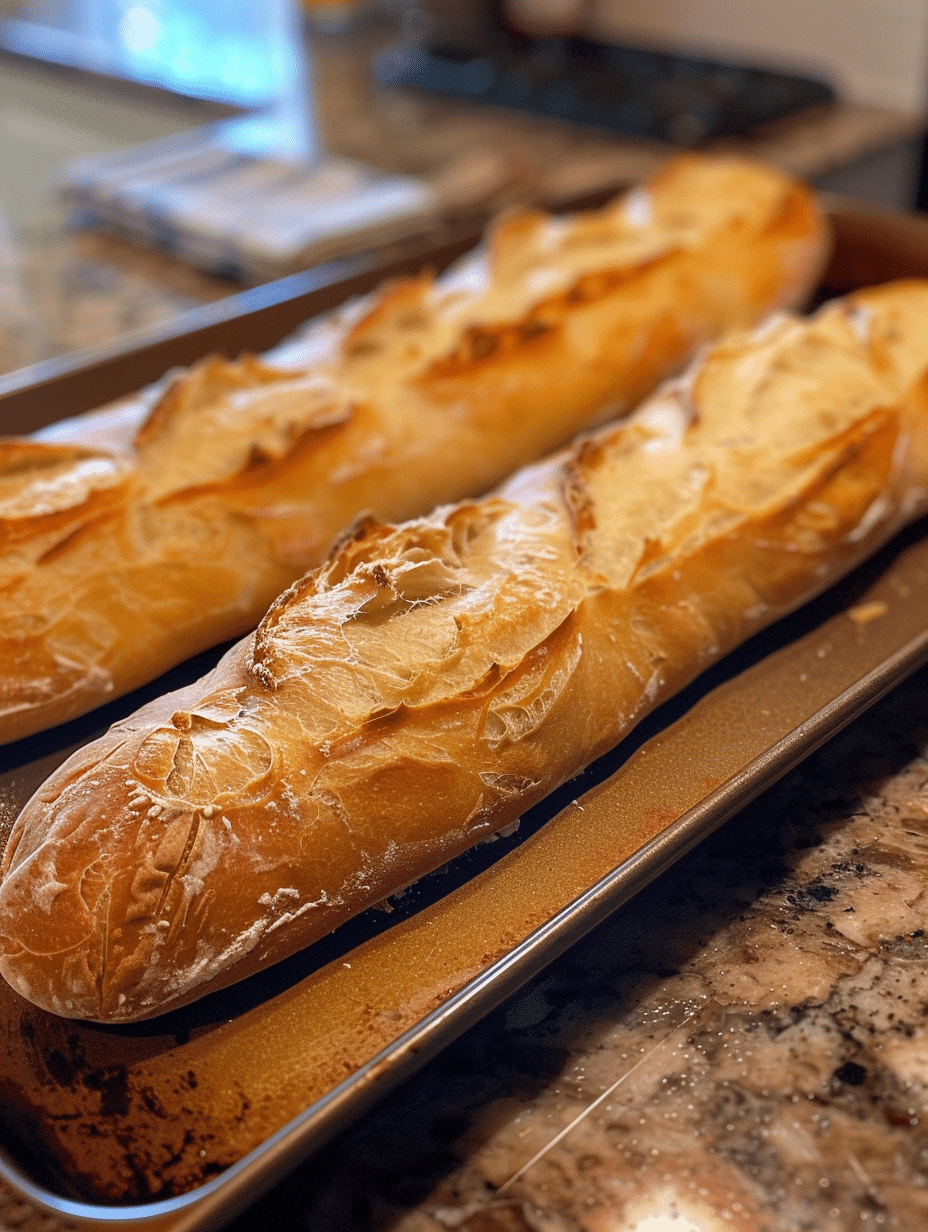
Homemade Baguette Recipe: Crispy and Soft
Ingredients
- 4 cups (500g) bread flour
- 1 1/2 cups (360ml) water
- 1 1/2 teaspoons salt
- 2 1/4 teaspoons (1 packet) active dry yeast
Instructions
- In a large bowl, combine flour, salt, and yeast. Add water and mix until a shaggy dough forms.
- Knead the dough on a floured surface until smooth and elastic (8–10 minutes). Cover and refrigerate for 16 hours.
- Shape the dough into two long baguettes, tucking the edges underneath and scoring the top with sharp slashes.
- Place the baguettes on a floured baking sheet and let rest at room temperature for 30 minutes.
- Preheat the oven to 475°F (245°C). Place a heavy baking tray (e.g., Dutch oven) in the oven to heat while mixing a small amount of cold water.
- Bake the baguettes for 15 minutes while pouring the hot water into the heated tray to create steam. Reduce the heat to 425°F (220°C) and bake for 12 more minutes.
- Allow the baguettes to cool completely on a wire rack before slicing.