

Crockpot stew meat transforms tough beef cuts into fall-apart tender morsels when slow-cooked with vegetables and broth for 6 to 8 hours. This classic comfort dish requires minimal prep work and hands-off cooking time, making it ideal for weeknight dinners and meal prep. The extended cooking process breaks down collagen in the meat, creating a rich, gelatinous sauce that coats each vegetable perfectly. Unlike stovetop stewing, the crockpot maintains a gentle, consistent temperature that ensures even cooking without drying out the beef. I’ve perfected this recipe through countless batches, learning exactly how long each ingredient needs and which cuts deliver the best results.
Author & Brand Story
I’m Eva Stoner, the creator of Fresh Recipes Corner, where I share simple, reliable recipes for everyday cooking. My love for cooking began in my grandmother’s kitchen, where I learned that good food doesn’t have to be complicated—it just needs care, patience, and the right techniques. Those early moments shaped how I cook today and inspired me to keep things practical and approachable.
When I first moved into my own place, I relied heavily on my grandmother’s slow cooker techniques. She taught me that the key to exceptional stew isn’t expensive ingredients or complicated methods. Instead, it’s selecting the right meat cuts, building flavor layers through browning, and letting time do the heavy lifting. My approach to crockpot stew meat reflects that philosophy: honest ingredients, straightforward steps, and results you can trust.
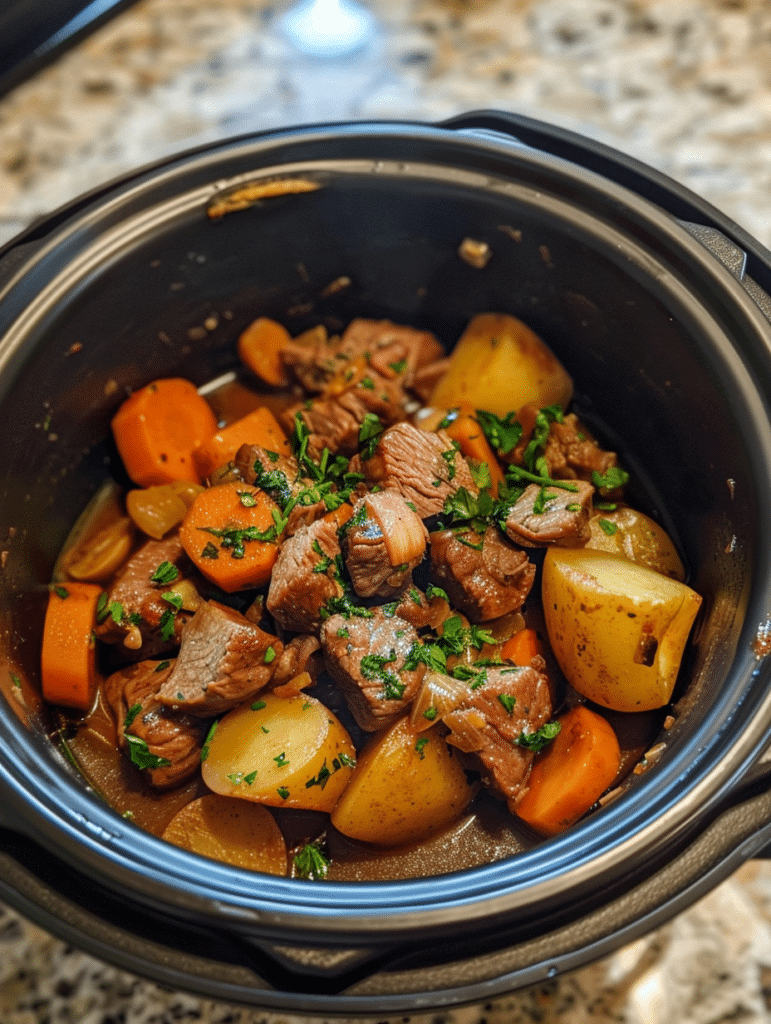
Recipe Overview
| Metric | Value |
|---|---|
| Prep Time | 15 minutes |
| Cook Time | 6-8 hours on low or 3-4 hours on high |
| Total Time | 6 hours 15 minutes to 8 hours 15 minutes |
| Servings | 6-8 servings |
| Difficulty Level | Easy |
| Cuisine | American Comfort Food |
Why This Recipe Works
I discovered through years of testing that slow cooking at low temperatures produces significantly more tender meat than any quick-cooking method. The collagen in beef chuck breaks down gradually into gelatin, creating that signature silky mouthfeel. When I used high heat instead, the meat tightened and became stringy, so I rarely use that setting anymore.
Browning the meat before adding it to the crockpot develops deep, savory flavors through the Maillard reaction. This extra step takes just 10 minutes but elevates the entire dish from ordinary to restaurant-quality. I learned this technique from my grandmother, who never skipped this step even when she was rushed. The caramelized beef creates layers of umami that carry throughout the stew.
The vegetables cook perfectly when added halfway through rather than at the start. Potatoes and carrots added at the beginning become mushy, while those added after 3 hours maintain their structure and texture. I’ve timed this repeatedly and found this method delivers the ideal consistency where vegetables are fork-tender but not falling apart.
Ingredients
| Ingredient | Quantity | Notes & Alternatives |
|---|---|---|
| Beef chuck roast (stew meat) | 2.5 pounds | Cut into 1.5-inch cubes. Chuck is ideal due to fat content. Alternative: beef bottom round for leaner option. |
| Olive oil | 2 tablespoons | For browning meat. Alternative: avocado oil or vegetable oil. |
| Yellow onions | 2 medium, diced | Roughly 1-inch pieces. Alternative: white onions or shallots. |
| Carrots | 1 pound, cut into 1-inch pieces | Baby carrots acceptable if halved. Alternative: parsnips for earthier flavor. |
| Potatoes (red or russet) | 1.5 pounds, cut into 1-inch cubes | Red potatoes hold shape better. Alternative: Yukon gold for creamier texture. |
| Beef broth (low-sodium) | 3 cups | Quality broth makes a difference. Alternative: bone broth for richer flavor. |
| Tomato paste | 2 tablespoons | Adds depth and acidity. Do not substitute with ketchup. |
| Garlic cloves | 4 cloves, minced | Fresh garlic only. Alternative: 1 teaspoon garlic powder if fresh unavailable. |
| Dried thyme | 1 teaspoon | Dried preferred for slow cooking. Alternative: fresh rosemary (1.5 teaspoons). |
| Bay leaves | 2 leaves | Remove before serving. Essential for classic stew flavor. |
| Black pepper | 1 teaspoon | Freshly ground preferred. Add more to taste at end. |
| Sea salt | 1.5 teaspoons (plus more to taste) | Add half initially, season to taste at end. |
| All-purpose flour | 3 tablespoons | For coating meat. Alternative: cornstarch for gluten-free version. |
| Beef bouillon cube (optional) | 1 cube | Adds concentrated flavor. Use if you prefer deeper beef taste. |
| Peas (frozen) | 1 cup | Add in last 30 minutes. Alternative: green beans for different texture. |
Step-by-Step Instructions
Phase 1: Prepare the Meat
- Cut beef chuck roast into uniform 1.5-inch cubes, removing excess fat but leaving some marbling for flavor and moisture.
- Pat the beef cubes dry with paper towels, as moisture prevents proper browning and reduces sear quality.
- Combine 3 tablespoons all-purpose flour with 1 teaspoon salt and 0.5 teaspoon pepper in a shallow bowl, mixing thoroughly.
- Toss the beef cubes in the flour mixture until evenly coated, shaking off excess flour before browning.
Phase 2: Brown the Beef
- Heat 2 tablespoons olive oil in a large skillet over medium-high heat until shimmering, approximately 2 minutes.
- Work in batches of 6-8 pieces per batch to avoid overcrowding the pan, which traps steam and prevents browning.
- Sear each batch for 3-4 minutes per side until deep golden-brown crust forms, resisting the urge to move pieces around.
- Transfer browned beef to the crockpot, repeating until all meat is seared and added to the pot.
Phase 3: Build the Base
- Dice 2 medium yellow onions into rough 1-inch pieces and add to the crockpot with the beef.
- Combine 3 cups low-sodium beef broth with 2 tablespoons tomato paste in a bowl, whisking until smooth.
- Pour the broth mixture into the crockpot, scraping the bottom with a wooden spoon to release browned bits.
- Add 4 minced garlic cloves, 1 teaspoon dried thyme, 2 bay leaves, and 1 beef bouillon cube to the crockpot.
- Stir thoroughly, ensuring tomato paste dissolves completely and herbs distribute evenly throughout the liquid.
Phase 4: Initial Cooking
- Cover the crockpot and cook on low heat for 3 hours, resisting opening the lid during this period as heat loss extends cooking time.
- After 3 hours, carefully remove the lid and check meat tenderness by piercing a piece with a fork.
- The meat should be partially tender but still offer slight resistance at this checkpoint.
Phase 5: Add Vegetables
- Cut 1 pound of carrots into uniform 1-inch pieces and 1.5 pounds potatoes into 1-inch cubes using the same knife to ensure consistent cooking.
- Add the carrots and potatoes to the crockpot after the 3-hour mark, stirring well to distribute vegetables throughout the liquid.
- Continue cooking on low for an additional 3 hours, or until vegetables are fork-tender and meat falls apart easily.
Phase 6: Final Touches
- Add 1 cup frozen peas in the last 30 minutes of cooking, stirring gently to incorporate without breaking down other vegetables.
- Remove and discard the 2 bay leaves using a slotted spoon or kitchen tongs, being thorough as bay leaves are inedible.
- Season the stew to taste with additional salt and freshly ground black pepper, adding gradually and tasting after each adjustment.
- Serve hot directly from the crockpot or ladle into bowls, allowing 3-5 minutes for the stew to settle for easier serving.
Chef Tips for Perfect Results
- Choose the right meat cut: Beef chuck roast contains ideal fat-to-protein ratio (about 20% fat) that renders during slow cooking, creating tender meat and rich sauce. Never use lean cuts like sirloin or tenderloin as they become tough and dry after prolonged cooking.
- Don’t skip browning: Browning develops complex flavors through the Maillard reaction, adding umami depth that cannot be achieved through slow cooking alone. This 10-minute step transforms ordinary stew into restaurant-quality comfort food.
- Use low heat setting: Low heat at 190-200°F produces more tender meat than high heat, which can cause proteins to tighten and squeeze out moisture. I only use high heat when I’m short on time, accepting slightly less tender results.
- Add vegetables at the halfway point: Potatoes and carrots added at the beginning become mushy and lose structure, while those added after 3 hours maintain proper texture and color. This timing ensures everything finishes tender simultaneously.
- Avoid lifting the lid frequently: Each time you lift the lid, you release heat and extend cooking time by 10-15 minutes. I recommend opening only twice: once to check meat tenderness and once to add vegetables.
- Coat meat in flour before browning: The flour coating creates a better sear surface and helps thicken the sauce naturally as it cooks. This eliminates the need for cornstarch slurry mixed in at the end.
Common Mistakes to Avoid
Mistake 1: Using Lean Cuts of Beef
Lean cuts like sirloin or eye of round become tough and stringy during extended cooking because they lack sufficient fat to render and keep the meat moist. I learned this early when I tried to make a lower-fat version and ended up with rubbery meat. Chuck roast’s marbling breaks down into gelatin, creating the silky texture that defines excellent stew. Always buy chuck roast or beef for stew from the meat counter specifically labeled for stewing.
Mistake 2: Overcrowding the Pan When Browning
Adding too much beef at once causes steam to build up, preventing the Maillard reaction and resulting in gray, boiled-looking meat rather than golden-brown seared pieces. The meat needs direct contact with the hot pan surface. I work in 3-4 batches even though it takes longer, because the quality difference is worth it. Patience during this phase pays dividends in final flavor.
Mistake 3: Adding All Vegetables at the Start
Potatoes become mushy and carrots lose their color when cooked for 6-8 hours, resulting in unappealing mush rather than vegetables with structure. Adding them halfway through ensures they’re tender but not overcooked. I discovered this through countless batches where vegetables turned to paste. Timing vegetables differently based on their cooking requirements is key.
Mistake 4: Using High Heat to Speed Up Cooking
High heat cooks faster but produces tougher, drier meat because proteins contract and squeeze out moisture before collagen fully breaks down into gelatin. The low setting cooks more slowly but produces noticeably more tender results. I never use high heat anymore because the texture difference is too significant. Low and slow is the only method worth using.
Mistake 5: Forgetting to Remove Bay Leaves
Bay leaves are inedible and create an unpleasant surprise when someone bites into one during eating. I keep them visible when I add them so I remember to remove them at the end. Mark them mentally or use a bay leaf infuser ball if you want extra reassurance. This simple step prevents dinner embarrassment.
Variations and Substitutions
| Original Ingredient | Substitution | Impact on Flavor |
|---|---|---|
| Beef chuck roast | Beef bottom round (leaner) or brisket (fattier) | Round produces leaner stew; brisket creates richer, more luxurious sauce |
| Red potatoes | Yukon gold (creamier), parsnips (earthier), or sweet potatoes (sweeter) | Gold adds creaminess; parsnips bring earthy depth; sweet potatoes add subtle sweetness |
| Carrots | Parsnips, rutabaga, or celery root | Parsnips and rutabaga add earthiness; celery root brings subtle herbal quality |
| Dried thyme | Fresh rosemary (1.5 tsp), dried oregano (1 tsp), or Herbes de Provence | Rosemary adds piney depth; oregano brings Mediterranean character; Herbes de Provence create classic French profile |
| Beef broth | Beef bone broth (richer), chicken broth (lighter), or vegetable broth (lighter) | Bone broth adds gelatin and depth; chicken broth lightens flavor; vegetable broth works for vegetarian version |
| Tomato paste | Crushed tomatoes (1/2 cup) or tomato sauce (1/4 cup) | Crushed tomatoes add brightness and texture; tomato sauce reduces acidity slightly |
| Peas | Green beans, corn, or mushrooms | Green beans add textural contrast; corn adds sweetness; mushrooms add umami depth |
| Olive oil (for browning) | Avocado oil, ghee, or vegetable oil | Avocado oil adds neutral sear; ghee adds buttery richness; vegetable oil remains neutral |
Serving Suggestions and Pairings
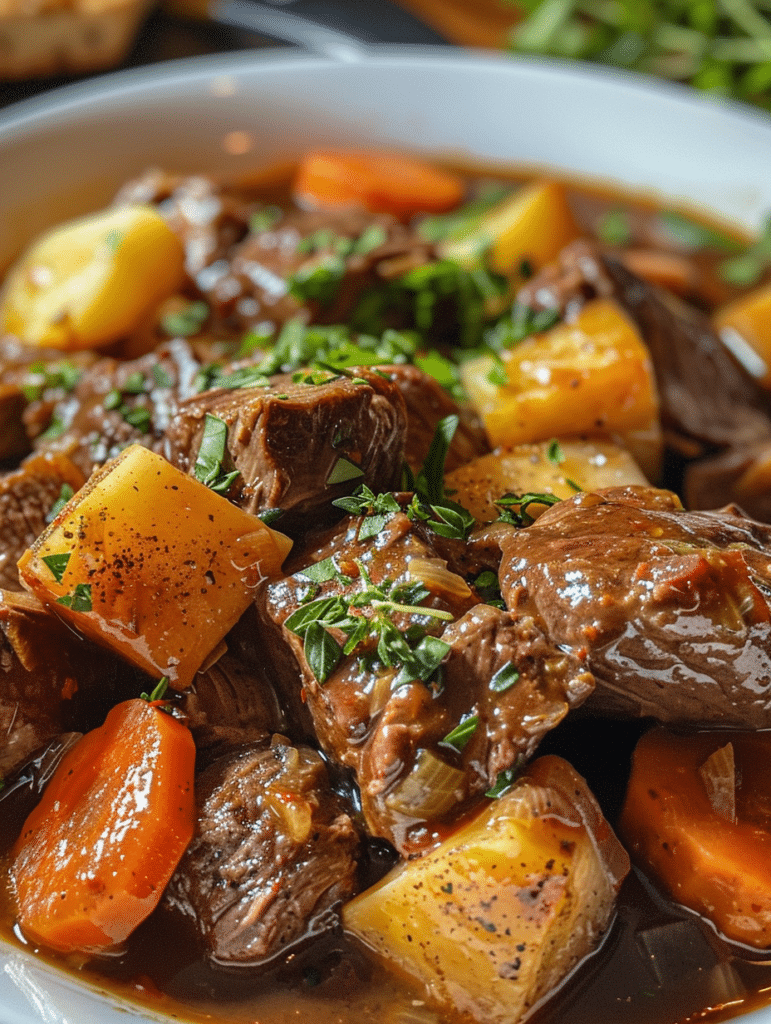
Crockpot stew meat pairs beautifully with crusty bread rolls for soaking up the rich, savory sauce. I serve this dish at casual family dinners, potlucks, and even elegant gatherings where the warm, comforting flavors impress guests. The stew is substantial enough to stand alone but benefits from simple accompaniments that add textural contrast.
Garlic mashed potatoes create a classic pairing, though since the stew already contains potatoes, I often serve egg noodles or buttered rice instead. The creamy starch catches the sauce beautifully. For weeknight meals, I pair it with a simple green salad dressed in bright vinaigrette to cut through the richness. Roasted root vegetables like beets or turnips add visual interest and earthy flavors that complement beef perfectly.
For entertaining, I serve crockpot stew meat in shallow bowls with fresh crusty bread alongside, allowing guests to customize their serving. A fresh garden salad with lemon vinaigrette works wonderfully as an opener. For cold weather gatherings, this dish is ideal because it stays warm in the crockpot throughout the event. I’ve served it at autumn dinner parties, winter celebrations, and even casual weeknight gatherings.
Beverage pairings include hearty iced tea, sparkling water with fresh herbs, or non-alcoholic beverages like ginger ale. A hot mug of herbal tea like chamomile completes the meal perfectly after dinner. The rich, umami-forward flavors don’t require complicated accompaniments. Simple, honest pairings that let the stew shine work best.
Storage and Reheating
| Storage Method | Duration | Instructions |
|---|---|---|
| Refrigerator (airtight container) | 3-4 days | Cool stew to room temperature before transferring to containers. Lay plastic wrap directly on surface to prevent skin formation. Stack containers to save space. |
| Freezer (freezer bags or containers) | 2-3 months | Cool completely before freezing. Leave 1-inch headspace in containers for expansion. Label with date. Flat freezer bags save space and thaw faster than containers. |
| Stovetop reheating | 10-15 minutes from refrigerator | Transfer to Dutch oven or heavy pot. Heat over medium, stirring occasionally, until steaming throughout. Add water (1/4 cup) if sauce seems too thick from evaporation. |
| Microwave reheating | 5-7 minutes from refrigerator | Transfer to microwave-safe container. Heat at 50% power in 2-minute intervals, stirring between intervals. Add water if needed. Takes longer but prevents scorching on edges. |
| Crockpot reheating | 1-2 hours from refrigerator | Transfer thawed stew to crockpot. Heat on low setting, stirring occasionally. Perfect for gatherings since it stays warm and doesn’t dry out. |
| Thawing frozen stew | Overnight in refrigerator | Transfer from freezer to refrigerator 12-24 hours before reheating. Never thaw at room temperature. After thawing, use within 3-4 days or refreeze. |
Nutritional Information
| Nutrient | Amount per Serving |
|---|---|
| Calories | 320 kcal |
| Protein | 32g |
| Fat | 12g |
| Saturated Fat | 4.5g |
| Carbohydrates | 28g |
| Dietary Fiber | 4g |
| Sugars | 5g |
| Sodium | 680mg |
| Iron | 3.2mg |
| Potassium | 620mg |
Approximate values based on USDA database and may vary based on specific brands and preparation methods. Analysis assumes 7 servings per batch. Values do not account for optional garnishes or additions.
Frequently Asked Questions
Can I use a different type of beef for crockpot stew meat?
Yes, other cuts work but with different results than chuck roast. Beef brisket produces even richer, fattier stew while beef bottom round yields leaner results with slightly less tender texture. Chuck roast remains the ideal choice because it has the perfect fat-to-protein ratio that creates both tender meat and savory sauce. I sometimes use brisket when I want extra richness but avoid lean cuts entirely.
How long should crockpot stew meat cook exactly?
Cook for 6 to 8 hours on low heat, checking tenderness at the 5.5-hour mark by piercing a beef cube with a fork. The meat is done when it falls apart easily with minimal resistance. Cooking beyond 8 hours may cause vegetables to break down completely, though the meat will not overcook. I typically aim for 6.5 hours for the ideal balance of tender meat and intact vegetables.
What if my crockpot stew meat is still tough after cooking?
Tough meat usually results from insufficient cooking time or using the wrong cut. Continue cooking in 30-minute increments until the meat breaks apart easily. If you used a lean cut instead of chuck roast, the meat may never become truly tender regardless of cooking time. Future batches will improve dramatically if you switch to chuck roast and ensure full cooking time.
Can I prepare crockpot stew meat the night before?
Yes, you can assemble all ingredients in the crockpot insert the night before, storing it in the refrigerator. In the morning, place the cold insert into the crockpot base and cook on low for 7-8 hours. The colder starting temperature requires slightly longer cooking than room-temperature ingredients. Many people find this method convenient for busy mornings, though slightly less tender results may occur.
Should I brown the beef before slow cooking or skip this step?
Browning is highly recommended because it develops deeper, more complex flavors through the Maillard reaction that slow cooking alone cannot achieve. Skipping this step produces bland stew that lacks the savory depth expected in quality crockpot cooking. The 10-minute browning step is the difference between ordinary and exceptional results. I never skip this step because the flavor improvement is too significant.
How thick should the sauce be in finished crockpot stew meat?
The sauce should coat vegetables and meat without being soupy, similar to the consistency of honey or light gravy. If your finished stew seems too thin, leave the lid off during the last 30 minutes to allow evaporation. If it’s too thick, stir in additional broth one quarter-cup at a time. The flour coating on the beef creates natural thickening during cooking.
Conclusion
Crockpot stew meat delivers unbeatable comfort through patient slow cooking that transforms humble beef into restaurant-quality tenderness. This recipe combines classic technique with modern convenience, requiring minimal prep and hands-off cooking for six to eight hours. The result is rich, savory, deeply satisfying stew that improves every time you make it. Master this foundational slow cooker recipe and you’ll return to it repeatedly throughout the seasons.
Eva’s Kitchen Tip: Make this recipe your own by experimenting with different vegetables, herbs, and beef cuts. Each variation teaches you something new about how ingredients interact during slow cooking. I encourage you to start with this classic version, then adapt it based on what’s in your kitchen and what your family loves.
Related Recipes You’ll Love
- Easy Slow Cooker Pot Roast with Root Vegetables
- Crockpot Beef Chili: Simple Comfort Food Recipe
- Best Beef Stroganoff for Weeknight Dinners
- Make-Ahead Slow Cooker Pulled Beef Sandwiches
- Simple Dutch Oven Beef Stew for Stovetop Cooking
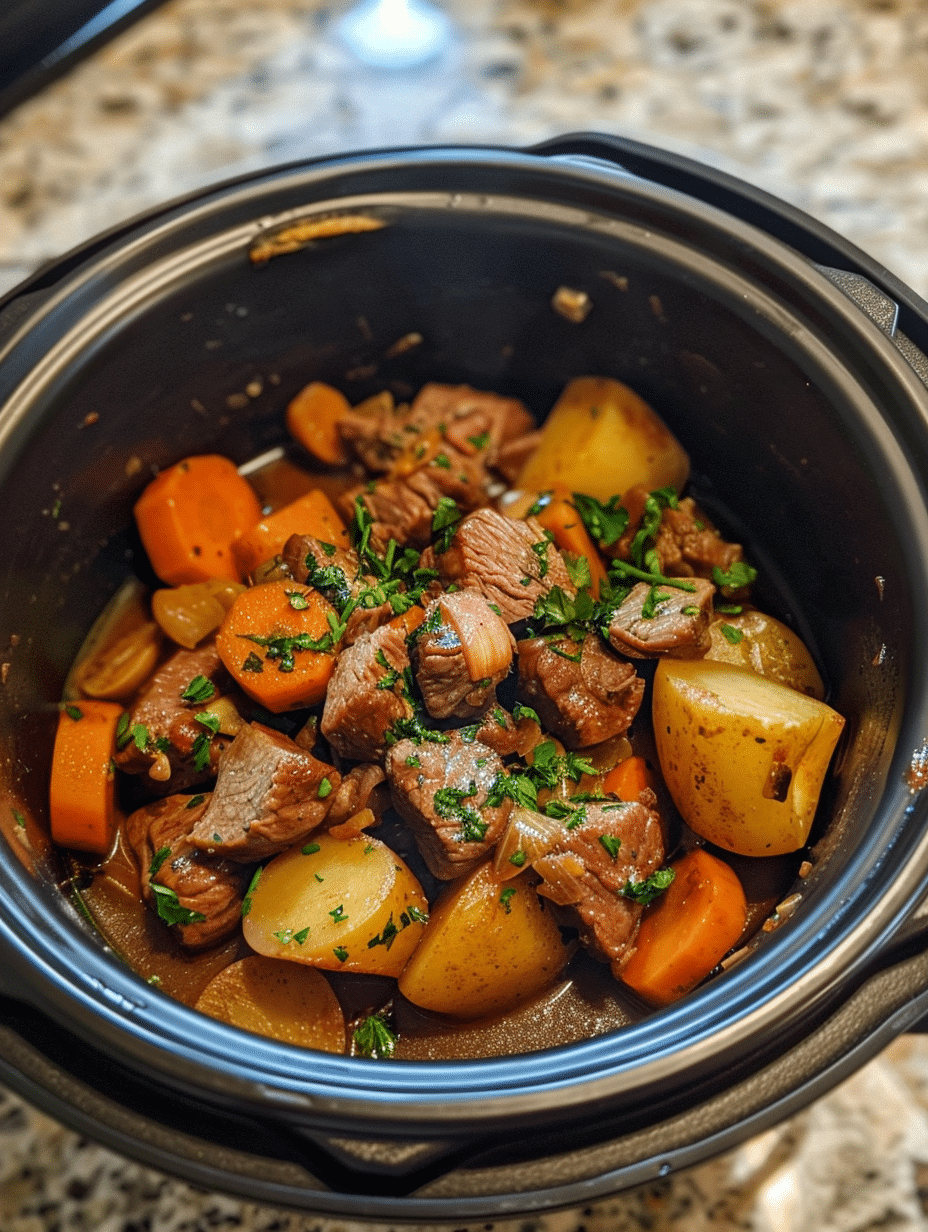
Crockpot Stew Meat: Easy Slow Cooker Beef Stew Recipe
Ingredients
- 1.5 lbs beef stew meat (chuck or round), cubed
- 2 tablespoons olive oil
- 1 large onion, chopped
- 3 celery stalks, chopped
- 3 carrots, peeled and sliced
- 3 medium potatoes, peeled and cubed
- 4 cups beef broth (pork-free)
- 2 bay leaves
- 1 teaspoon dried thyme
- 1 teaspoon paprika
- 1 garlic clove, minced
- Salt and black pepper to taste
Instructions
- Pat beef cubes dry and season with salt and pepper.
- Heat olive oil in a skillet; brown beef over medium-high heat (5-7 minutes)
- Transfer meat to crockpot. Add onions, celery, carrots, and garlic.
- Pour beef broth into crockpot, stir to coat. Add potatoes halfway through cooking.
- Add bay leaves, thyme, paprika, and pepper.
- Cover and cook on LOW for 7-8 hours or HIGH for 3-4 hours.
Notes
Brown meat first for richer flavor
Add potatoes halfway to prevent mushiness
Adjust broth as needed during cooking
Freezes well for up to 3 months