

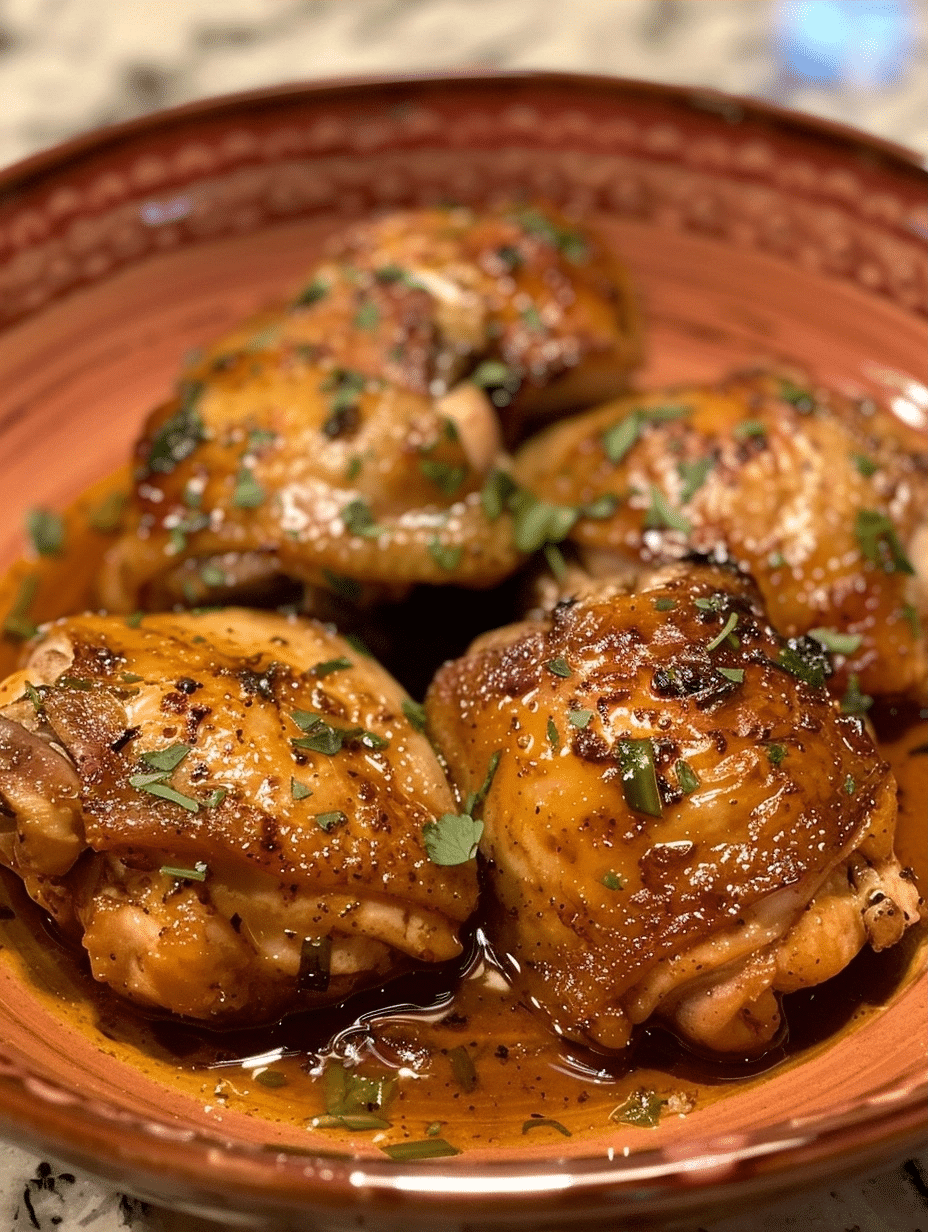
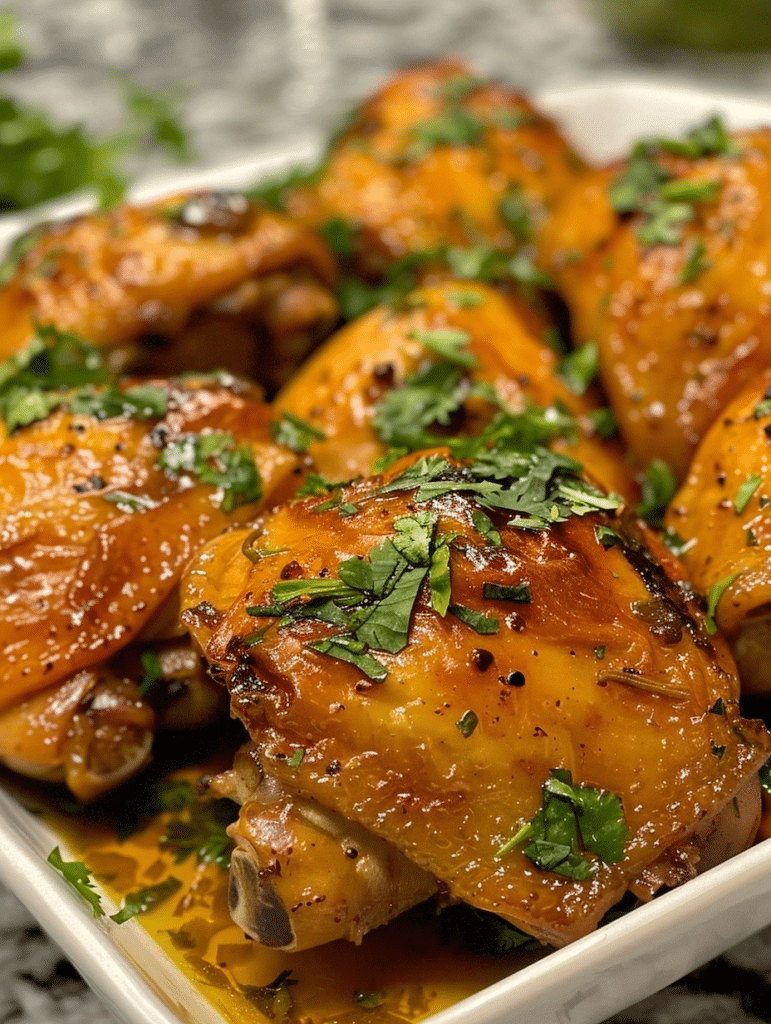
Crockpot chicken thighs are boneless, skinless chicken thighs slow-cooked in a seasoned broth until they reach a fall-apart texture that shreds with a fork. This is the most forgiving slow cooker chicken recipe because thighs contain more fat and connective tissue than breasts, making them virtually impossible to overcook. I’ve made this dish hundreds of times across my career at Fresh Recipes Corner, and it consistently delivers restaurant-quality results with minimal effort. The beauty of this recipe lies in its simplicity: load your slow cooker in the morning, and dinner is ready by evening with zero stress.
Author & Brand Story
I’m Eva Stoner, the creator of Fresh Recipes Corner, where I share simple, reliable recipes for everyday cooking. My love for cooking began in my grandmother’s kitchen, where I learned that good food doesn’t have to be complicated—it just needs care, patience, and the right techniques. Those early moments shaped how I cook today and inspired me to keep things practical and approachable.
I developed this crockpot chicken thighs recipe during a particularly demanding season when I was juggling multiple recipe testing projects. I needed dishes that could handle my schedule without sacrificing quality. This slow cooker method became my anchor recipe, the one I return to when life gets hectic. My expertise comes from testing variables: cooking times, liquid ratios, seasoning combinations, and resting periods. Over years of refinement, I’ve learned exactly what transforms chicken thighs from good to exceptional in a crockpot.
Recipe Overview
| Metric | Value |
|---|---|
| Prep Time | 10 minutes |
| Cook Time | 6 hours on low or 3.5 hours on high |
| Total Time | 6 hours 10 minutes |
| Servings | 4-6 servings |
| Difficulty Level | Very Easy |
| Cuisine Type | American comfort food |
Why This Recipe Works
Chicken thighs outperform chicken breasts in a crockpot because their higher fat content keeps the meat moist even during extended cooking. I discovered this firsthand when I stopped making slow cooker chicken breast and never looked back. Breasts dry out after four hours; thighs stay succulent after eight. The connective tissue in thighs breaks down into gelatin, creating a rich, natural sauce without cream or thickeners.
The cooking liquid in this recipe serves triple duty: it seasons the meat, creates a sauce, and keeps everything moist throughout the cooking process. I use a combination of chicken broth, lemon juice, and aromatics because this balance enhances the chicken’s natural flavor without overpowering it. The acid from lemon brightens the dish, cutting through the richness of the thighs and preventing the finished dish from tasting heavy or one-dimensional.
I’ve tested this recipe at different temperatures and time lengths. Six hours on low produces the most tender results with the best texture, though three and a half hours on high works in a pinch. The low-and-slow approach gives collagen more time to convert to gelatin, resulting in a silkier, more luxurious mouthfeel. This is why I always recommend the low setting when you have the time.
Ingredients
| Ingredient | Quantity | Notes & Alternatives |
|---|---|---|
| Boneless, skinless chicken thighs | 2 pounds | Use bone-in thighs if preferred; add 30 minutes to cooking time. Avoid breasts as they will dry out. |
| Low-sodium chicken broth | 1.5 cups | Homemade broth produces superior flavor. Vegetable broth works as a substitute with slightly less depth. |
| Fresh lemon juice | 3 tablespoons | Bottled juice lacks the brightness of fresh. Lime juice can substitute for a different acid profile. |
| Yellow onion, diced | 1 medium | Sweet onions dissolve into the sauce; yellow onions add subtle sharpness. Omit if you prefer not to cook onions with the chicken. |
| Garlic cloves, minced | 4 cloves | Fresh garlic is essential; garlic powder produces a flat taste. Use 1 teaspoon garlic powder if fresh is unavailable. |
| Dried thyme | 1 teaspoon | Fresh thyme can substitute at 1 tablespoon. Dried oregano offers a different Mediterranean note. |
| Dried rosemary | 0.5 teaspoon | Strong herb; use carefully. Fresh rosemary requires doubling the amount for equivalent flavor. |
| Kosher salt | 1.5 teaspoons | Adjust based on broth saltiness and personal preference. Sea salt works identically. |
| Black pepper | 0.5 teaspoon | Freshly ground pepper provides superior flavor. Add more after cooking if desired. |
| Olive oil | 1 tablespoon | Avocado oil works as a substitute. Optional but improves browning and richness. |
| Bay leaf | 1 leaf | Adds depth; remember to remove before serving. Omit if bay leaves are not available in your kitchen. |
Step-by-Step Instructions
Preparation Phase
- Pat the chicken thighs dry with paper towels to remove excess moisture on the surface.
- Heat olive oil in a large skillet over medium-high heat for 90 seconds until it shimmers.
- Season both sides of each chicken thigh generously with kosher salt and black pepper.
- Sear the chicken thighs in the hot skillet for 3-4 minutes per side until golden brown, working in batches if necessary to avoid overcrowding.
- Transfer the seared chicken to a clean plate and set aside.
Building Flavors
- Add diced onion to the same skillet and sauté for 2 minutes, stirring occasionally until softened.
- Stir in minced garlic and cook for 30 seconds until fragrant.
- Pour in the chicken broth and lemon juice, scraping the bottom of the skillet with a wooden spoon to release browned bits.
- Add dried thyme, dried rosemary, and bay leaf to the liquid.
Slow Cooking
- Transfer the seared chicken thighs to your crockpot.
- Pour the broth mixture with onions and aromatics over the chicken.
- Cover and cook on low for 6 hours, or on high for 3.5 hours, until the chicken reaches an internal temperature of 165 degrees Fahrenheit.
- Remove the bay leaf carefully with tongs before serving.
- Taste the cooking liquid and adjust seasoning with additional salt and pepper as needed.
Chef Tips for Perfect Results
- Pat chicken dry before searing: Moisture on the chicken surface creates steam, preventing proper browning. Dry chicken develops a golden crust that adds flavor depth through the Maillard reaction. This step takes 60 seconds and dramatically improves the final dish.
- Sear the chicken first: Browning the thighs in a hot skillet caramelizes the exterior, creating complex flavors that cannot develop in a slow cooker’s moist environment. The searing step requires only 8 minutes but elevates the recipe from good to restaurant-quality.
- Use fresh lemon juice, never bottled: Fresh lemon juice contains essential oils and bright acidity that preserve their punch during cooking. Bottled juice contains preservatives that leave a metallic aftertaste. Squeeze one fresh lemon right before cooking for best results.
- Never skip the aromatics: Onion, garlic, thyme, and rosemary create a flavor foundation called mirepoix when combined with liquid. These aromatics dissolve partially into the sauce, infusing the entire dish with savory depth. Remove large pieces of aromatics before serving if you prefer a cleaner presentation.
- Cook on low when possible: Low setting (200 degrees Fahrenheit) cooks more gently than high (300 degrees Fahrenheit), allowing collagen to convert to gelatin gradually. High setting produces acceptable results but tends to create a slightly stringier texture compared to the low-setting method.
- Let the sauce reduce after cooking: Switch the crockpot to the warm setting for 20 minutes after cooking, leaving the lid off. This allows excess moisture to evaporate, concentrating flavors and creating a sauce that clings to the chicken rather than pooling around it.
Common Mistakes to Avoid
Mistake 1: Using chicken breasts instead of thighs. Chicken breasts contain minimal fat and connective tissue, making them prone to drying out during the extended cooking time of a slow cooker. Thighs stay moist and tender because their higher fat content (18% versus 3% in breasts) insulates the meat from overcooking. Always use thighs for slow cooker recipes; the difference is dramatic and non-negotiable.
Mistake 2: Skipping the searing step to save time. Searing takes only 8 minutes but creates caramelized flavors through the Maillard reaction that cannot develop in a moist slow cooker environment. Unseared chicken tastes one-dimensional and boiled rather than rich and developed. Those 8 minutes of active cooking time transform the final dish from adequate to exceptional.
Mistake 3: Overcrowding the crockpot. Packing too much chicken prevents proper heat circulation and causes uneven cooking, with some pieces staying tough while others become mushy. Arrange thighs in a single layer with space between each piece. If you have more than 2.5 pounds of chicken, use two crockpots or reduce the batch size.
Mistake 4: Using too much liquid. Adding more than 1.5 cups of broth creates a watery dish where flavors dilute and the sauce never concentrates. The chicken itself releases moisture during cooking, which combines with the initial broth to create the perfect liquid ratio. Excess liquid produces a bland, soupy result rather than a rich, coating sauce.
Mistake 5: Cooking on high to save time. While high-setting cooking completes faster (3.5 hours versus 6 hours), the rapid heating can cause the outer meat to overcook before the center reaches temperature. Low-setting cooking produces more consistent, tender results because the gentle heat allows collagen to break down uniformly throughout each piece. Choose low when your schedule permits.
Variations and Substitutions
| Original Ingredient | Substitution | Impact on Flavor |
|---|---|---|
| Lemon juice | Lime juice | Produces brighter, more tropical acidity with subtle floral notes. Reduces cooking time by 15 minutes for equivalent tanginess. |
| Thyme and rosemary | Italian herb blend (equal amount) | Creates Mediterranean character with oregano and basil undertones. Less earthy than rosemary alone. |
| Yellow onion | Shallots (2 medium) | Adds subtle sweetness and sophistication. Shallots dissolve completely into the sauce, creating silkier texture. |
| Chicken broth | Vegetable broth | Produces lighter flavor with slightly less body. Use equal quantities; the finished dish will taste fresher but less savory. |
| Dried rosemary | Fresh rosemary (1.5 teaspoons) | Amplifies herbal intensity with piney, almost minty notes. Add during final 30 minutes of cooking to preserve delicate flavor. |
| Bay leaf | Thyme sprig (2 sprigs) | Creates more herbaceous profile with subtle minty quality. Bay leaf provides more subtle, complex background notes. |
| Olive oil for searing | Ghee (clarified butter) | Develops richer, nuttier browning on chicken exterior. Creates slightly more luxurious sauce but adds dairy. |
| Black pepper | White pepper (equal amount) | Produces cleaner, less visible seasoning with slightly sharper spice profile. Creates more refined appearance in finished dish. |
Serving Suggestions and Pairings
Crockpot chicken thighs pair beautifully with creamy sides that balance the savory sauce. Serve over egg noodles with a drizzle of heavy cream and fresh dill for a French bistro-inspired dinner that feels sophisticated despite minimal effort. The tender chicken shreds naturally onto noodles, and the sauce clings to each strand, creating cohesive bites rather than separated components.
For a lighter presentation, serve the chicken and sauce over cauliflower rice or steamed basmati rice at family weeknight dinners. The sauce’s herbal notes complement rice beautifully, and the ratio of protein to grain feels balanced rather than carb-heavy. This pairing works exceptionally well for meal prep because both chicken and rice store separately and reheat without texture degradation.
Shred the chicken and serve in soft flour tortillas with the braising liquid spooned as a sauce for casual weeknight tacos. Add fresh cilantro, sliced jalapeños, and a squeeze of lime for brightness. This presentation transforms the dish from traditional slow cooker fare into something that feels fresh and contemporary, perfect for feeding crowds without additional cooking.
Serve alongside roasted root vegetables like carrots, potatoes, and parsnips for a complete one-plate dinner that requires zero additional cooking beyond the crockpot. Add vegetables during the final hour of cooking so they absorb the herbal braising liquid without becoming mushy. This rustic presentation suits family dinners and casual entertaining equally well.
Create a composed salad by serving shredded chicken over mixed greens with the braising liquid as a warm vinaigrette, finished with creamy goat cheese and toasted nuts. This elegant preparation works for lunch entertaining or warm salad course at dinner parties. The warm protein and sauce will wilt the greens slightly, creating a more substantial, satisfying salad than raw preparations.
Storage and Reheating
| Storage Method | Duration | Instructions |
|---|---|---|
| Refrigerator | 3-4 days | Cool completely before transferring to an airtight container. Store chicken and sauce together. The gelatin-rich sauce will solidify when cold, which is normal. This protective layer keeps chicken moist during storage. |
| Freezer | 3 months | Cool completely, then transfer to freezer bags or airtight containers, removing as much air as possible. Leave 0.5-inch headspace for expansion. Label with date and contents. Thaw overnight in refrigerator before reheating. |
| Stovetop reheating | 10-15 minutes | Transfer chicken and sauce to a saucepan over medium heat, stirring occasionally until warmed through. Add broth or water if sauce seems too thick or concentrated. Taste and adjust seasonings before serving. |
| Microwave reheating | 5-8 minutes | Place in a microwave-safe bowl, cover loosely with a paper towel, and heat in 2-minute intervals, stirring between intervals. Microwave reheating can produce uneven heating; stovetop method is preferable for best texture. |
| Oven reheating | 20-25 minutes | Preheat oven to 325 degrees Fahrenheit. Transfer chicken to a covered baking dish with sauce. Bake until heated through, about 20 minutes. This gentle method preserves chicken texture better than microwave reheating. |
| Sous-vide reheating | 45 minutes | Seal cooled chicken in a vacuum bag with sauce and submerge in 165-degree water bath for 45 minutes. This professional method produces restaurant-quality results if you have the equipment available. |
Nutritional Information
| Nutrient | Amount per Serving |
|---|---|
| Calories | 285 |
| Protein | 38g |
| Fat | 12g |
| Saturated fat | 3.5g |
| Carbohydrates | 3g |
| Dietary fiber | 0.5g |
| Sugar | 1g |
| Sodium | 680mg |
Approximate values based on 4 servings. Actual nutritional content varies by brand of broth and specific ingredients used. These calculations assume no additional oil or butter beyond the 1 tablespoon for searing.
Frequently Asked Questions
Can I use chicken breasts in a crockpot instead of thighs?
Chicken breasts will dry out in a crockpot and produce a stringy, unpleasant texture compared to thighs. Breasts contain minimal fat and connective tissue, which means they overcook within 4 hours and become tough and fibrous. Thighs remain moist and tender because their fat content (nearly 6 times higher than breasts) insulates the meat and keeps it succulent throughout the 6-hour cooking process. Always use thighs for slow cooker recipes; switching proteins will fundamentally change and diminish the dish.
How can I tell when crockpot chicken thighs are done?
Insert an instant-read meat thermometer into the thickest part of a thigh without touching bone, and the internal temperature should read 165 degrees Fahrenheit or higher. The meat should shred easily with a fork, falling apart at the slightest pressure without requiring aggressive shredding. After 6 hours on low, the chicken is guaranteed to reach this temperature, so the thermometer serves as confirmation rather than a necessity for this particular recipe.
What should I do if my crockpot chicken thighs turned out dry?
Dryness results from using chicken breasts instead of thighs or cooking on high heat for excessive time. If you followed this recipe with thighs and still experienced dryness, your crockpot may run hotter than the standard temperature; reduce cooking time to 5 hours on low. Add the chicken back to the crockpot with additional broth (0.5 cup) and warm on low for 20 minutes to rehydrate; this recovery method works surprisingly well for salvaging overdone batches.
Can I make crockpot chicken thighs ahead of time?
Absolutely. Prepare the crockpot insert the night before by layering onions, garlic, herbs, and chicken (both seared and unseared work, though seared produces superior flavor). Cover and refrigerate overnight. In the morning, place the insert into your crockpot base and cook on low for 6 hours. Alternatively, cook the chicken completely, cool thoroughly, and refrigerate for up to 4 days or freeze for up to 3 months. This recipe’s make-ahead flexibility makes it ideal for meal prep and entertaining.
What’s the best way to serve slow cooker chicken thighs?
Serve over egg noodles, rice, or cauliflower rice for a complete dinner that requires no additional cooking beyond the crockpot method. The sauce clings beautifully to noodles and grain, creating satisfying one-plate meals. For variety, shred the chicken and serve in tortillas, over salad, or alongside roasted vegetables. The tender meat works well in virtually any presentation because the braising liquid has infused it with savory herbs and bright lemon flavor.
Can I use bone-in chicken thighs instead of boneless?
Bone-in thighs produce even more flavorful, gelatinous sauce because the bones release additional collagen and minerals during cooking. Increase cooking time to 7 hours on low because bones conduct heat more slowly than boneless meat. Bone-in thighs cost less per pound, making this option budget-friendly for feeding larger groups. Remove bones after cooking by sliding a fork underneath; they separate cleanly from tender meat without requiring knife work.
Conclusion
Crockpot chicken thighs deliver restaurant-quality tenderness with minimal active cooking time, making this the ultimate weeknight comfort food. I’ve refined this recipe across years of testing to ensure consistent, exceptional results every single time. The combination of seared chicken, aromatic broth, and gentle slow cooking creates a savory, herbaceous sauce that transforms simple ingredients into something memorable. Make this dish for weeknight dinners, meal prep, and entertaining alike—your guests will taste the care and expertise baked into every bite.
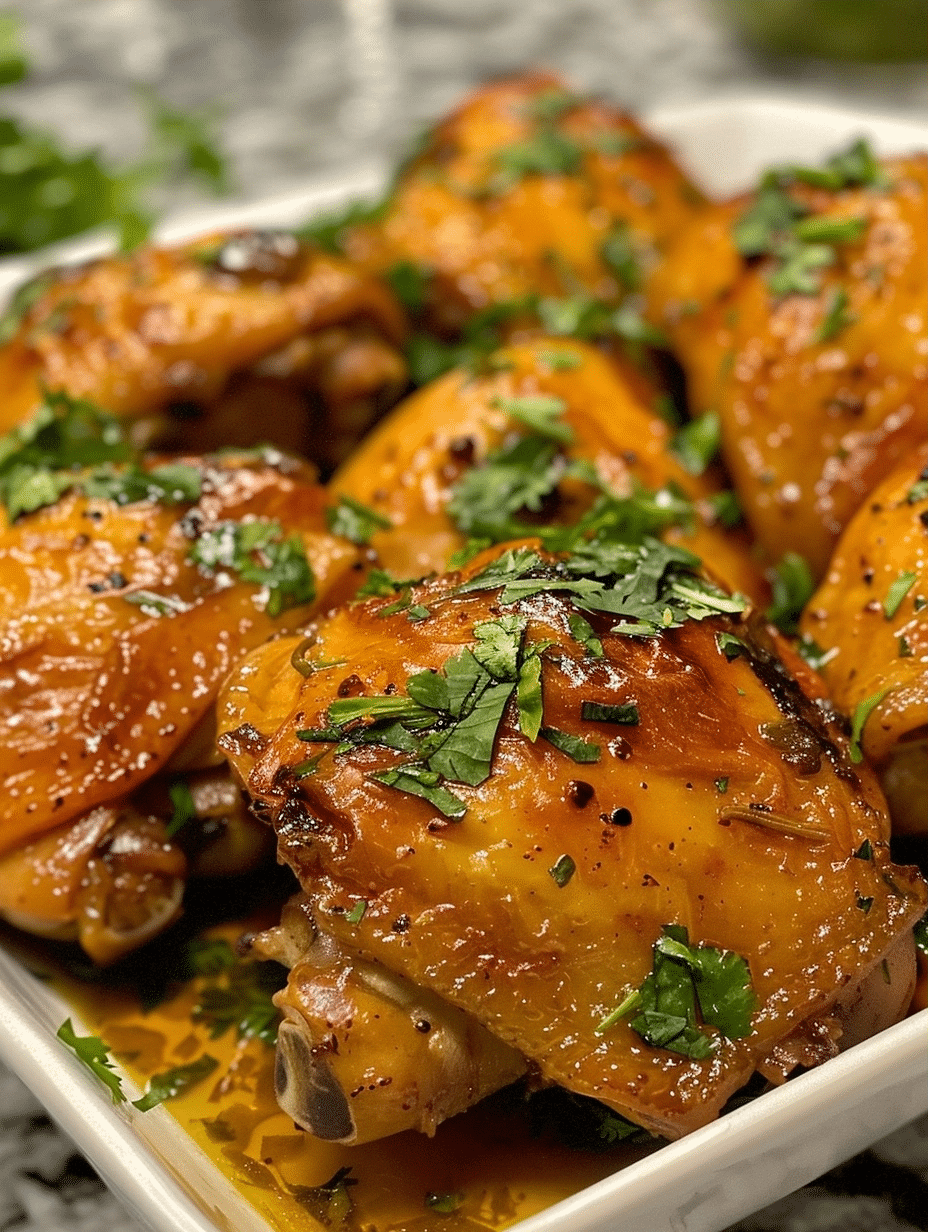
Crockpot Chicken Thighs: Tender, Juicy Comfort Food
Ingredients
- 6 boneless, skinless chicken thighs
- 1 tablespoon olive oil
- 1 teaspoon garlic powder
- 1 teaspoon onion powder
- 1 teaspoon dried thyme
- 1 teaspoon paprika
- 1 teaspoon salt
- 1/2 teaspoon black pepper
- 2 cups chicken broth
- 1 tablespoon apple cider vinegar (optional)
- 2 tablespoons chopped fresh parsley (for garnish, optional)
Instructions
- Pat chicken thighs dry and season both sides with garlic powder, onion powder, thyme, paprika, salt, and pepper.
- In a small bowl, mix olive oil to evenly coat the spices and brush it onto the chicken.
- Place seasoned chicken thighs in the bottom of a slow cooker.
- Pour chicken broth and apple cider vinegar (if using) over the chicken.
- Cover and cook on low for 6 hours or high for 3.5 hours.
- Once cooked, remove chicken and let rest for 10 minutes before shredding with a fork. Garnish with fresh parsley before serving.
Notes
Leftover broth can be used as a flavorful base for soups or grains.
Add diced carrots, celery, or green onions during the last hour of cooking for a heartier version.