

A crockpot beef roast is a slow-cooked meat dish where tender beef chuck or rump roast cooks low and slow with vegetables and broth until it reaches fall-apart perfection. This one-pot wonder transforms tough cuts into succulent meals through patient, moisture-rich cooking. The slow cooker does the heavy lifting while you handle other tasks, making weeknight dinners genuinely manageable and stress-free.
I’m Eva Stoner, the creator of Fresh Recipes Corner, where I share simple, reliable recipes for everyday cooking. My love for cooking began in my grandmother’s kitchen, where I learned that good food doesn’t have to be complicated—it just needs care, patience, and the right techniques. Those early moments shaped how I cook today and inspired me to keep things practical and approachable. My grandmother taught me that a slow-cooked roast brings families together, and that lesson remains central to how I develop recipes for real home cooks.
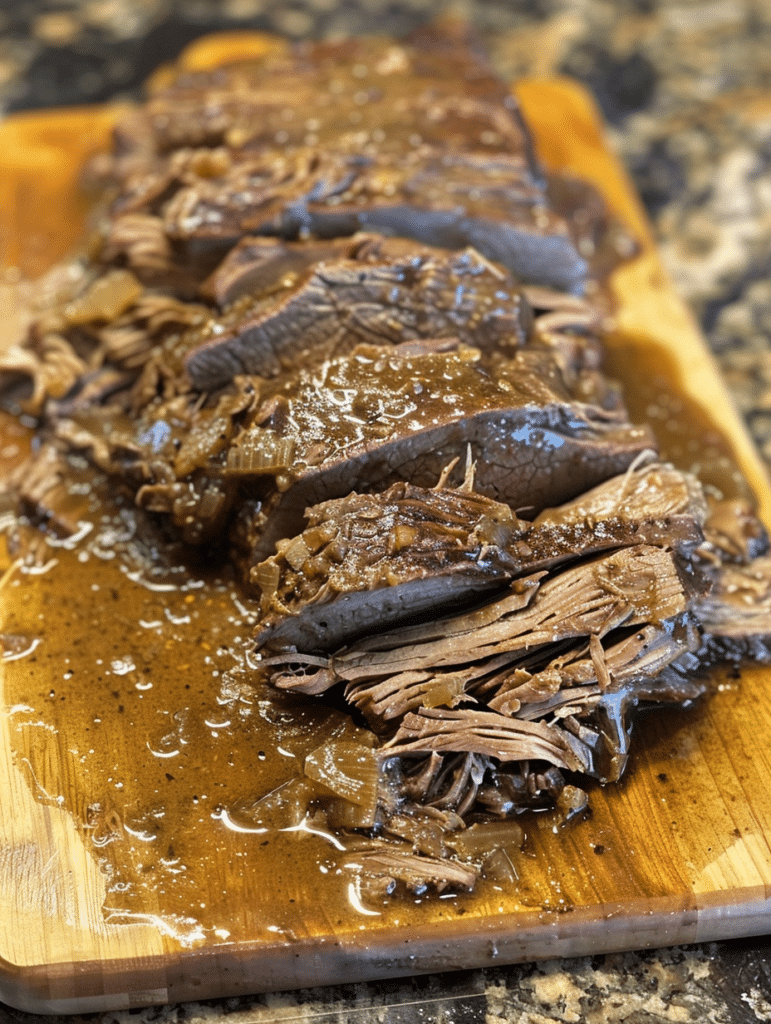
Recipe Overview
| Attribute | Value |
|---|---|
| Prep Time | 15 minutes |
| Cook Time | 6-8 hours on low |
| Total Time | 6 hours 15 minutes to 8 hours 15 minutes |
| Servings | 6-8 people |
| Difficulty | Easy |
| Cuisine | American Comfort Food |
Image Alt Text: A finished crockpot beef roast with carrots, potatoes, and onions in a slow cooker, steam rising from tender meat.
Why This Recipe Works
After years of testing slow cooker methods, I discovered that low-heat cooking breaks down collagen into gelatin, creating naturally tender results without constant monitoring. The sealed environment traps steam and flavor, making lean cuts taste rich and juicy. This technique works because the meat’s muscle fibers relax gradually instead of tightening from high heat.
I’ve made this recipe for family dinners, holiday gatherings, and busy weeknights, and it consistently delivers restaurant-quality texture at home. The long cooking time allows flavors to meld completely. Root vegetables absorb the beef’s savory essence while remaining intact, creating balanced one-pot meals. Unlike stovetop versions requiring frequent stirring and temperature adjustment, this method operates independently.
Your kitchen fills with an irresistible aroma hours before eating, which is its own reward. The beef literally falls apart with a fork, signaling proper doneness. No slicing required, no dry edges, no disappointed family members—just honest, satisfying food that justifies the wait.
Ingredients
| Ingredient | Quantity | Notes & Alternatives |
|---|---|---|
| Beef chuck roast | 3-4 lbs | Look for marbled meat with visible fat. Beef rump roast works but cooks faster; reduce time by 1-2 hours. |
| Carrots | 1 lb (6-8 medium) | Cut into 2-inch chunks. Parsnips add sweetness; use 50/50 mix for complexity. |
| Potatoes | 1.5 lbs (4-5 medium) | Red potatoes hold shape better than russets. Cut into uniform 1.5-inch pieces. |
| Onions | 2 large | Yellow onions preferred. Cut into thick wedges, 6 per onion. |
| Garlic cloves | 6-8 cloves | Mince finely. Garlic powder (1 tsp) substitutes if fresh unavailable. |
| Beef broth | 2-3 cups | Low-sodium broth prevents oversalting. Bone broth adds deeper flavor but costs more. |
| Tomato paste | 2 tablespoons | Adds umami depth. Omit for lighter taste; broth becomes thinner. |
| Dried rosemary | 1 teaspoon | Fresh rosemary uses 1 tablespoon; add in last hour to prevent flavor loss. |
| Dried thyme | 1 teaspoon | Fresh thyme uses 1 tablespoon. Essential for traditional flavor profile. |
| Bay leaves | 2 leaves | Remove before serving. Do not consume—choking hazard. |
| Black pepper | 1 teaspoon | Freshly ground for best flavor. Table salt may taste metallic; use kosher salt. |
| Kosher salt | 1.5 teaspoons | Add half initially, taste after cooking. Additional salt adjusts seasoning. |
| Olive oil | 2 tablespoons | Used for browning meat. Neutral vegetable oil works identically. |
Image Alt Text: Ingredients laid out before cooking—beef chuck roast, chopped vegetables, herbs, and broth in clear containers.
Step-by-Step Instructions
Preparation Phase
- Pat the beef chuck roast dry using paper towels, removing surface moisture completely. This step ensures proper browning.
- Season all sides generously with kosher salt and black pepper at least 15 minutes before cooking. This allows seasoning to penetrate the meat’s surface.
- Cut carrots into 2-inch chunks, leaving larger pieces intact for visual appeal and texture.
- Cut potatoes into uniform 1.5-inch cubes to ensure even cooking throughout the slow cooker.
- Cut onions lengthwise, then separate into thick wedges—approximately six pieces per onion.
- Mince garlic cloves finely or press through a garlic press for maximum flavor distribution.
Browning Phase
- Heat olive oil in a large skillet over medium-high heat until shimmering, approximately 2 minutes.
- Place the seasoned beef roast in the hot skillet, searing for 3-4 minutes per side until a dark golden crust forms. Resist moving the meat during searing.
- Transfer the seared roast to the slow cooker, positioning it in the center of the pot.
Layering Phase
- Arrange carrots, potatoes, and onions around the beef in the slow cooker, distributing them evenly.
- Scatter minced garlic over the vegetables and meat.
- Sprinkle dried rosemary, dried thyme, and bay leaves over everything.
Liquid and Cooking Phase
- Combine beef broth and tomato paste in a separate bowl, whisking until smooth and fully incorporated.
- Pour the broth mixture into the slow cooker until vegetables are mostly covered but meat remains partially exposed at the top.
- Cover the slow cooker with its lid, ensuring a proper seal.
- Set the slow cooker to low heat and cook for 6-8 hours, depending on your model and roast size.
- After 6 hours, insert a fork into the thickest part of the roast—meat should shred easily without resistance.
Finishing Phase
- Remove the bay leaves using tongs or a slotted spoon, taking care not to include broth in removal.
- Taste the cooking liquid and adjust seasoning with additional salt or pepper if needed.
- Transfer the roast to a cutting board if slicing, or serve directly from the slow cooker in bowls.
- Spoon vegetables and broth generously over meat in serving bowls.
Image Alt Text: Step-by-step process showing beef being seared in a skillet, then vegetables being arranged around it in a slow cooker.
Chef Tips for Perfect Results
- Sear the meat before slow cooking. This creates a flavorful crust through the Maillard reaction, adding depth that low-and-slow cooking alone cannot achieve. Just 8 minutes of searing dramatically improves final taste.
- Use beef chuck roast specifically. Chuck contains 20-30% fat and abundant collagen compared to leaner cuts. This fat breaks down into gelatin, creating succulent texture. Sirloin and rump roasts produce tougher results despite longer cooking times.
- Don’t overcrowd the slow cooker. Fill it only two-thirds full maximum. Excess liquid steam-cooks the meat instead of braising it. Your roast should barely nestle under the broth surface.
- Resist lifting the lid during cooking. Each opening drops internal temperature by 15-20 degrees, adding 20-30 minutes to total cook time. Only peek after 6 hours if checking doneness.
- Make beef broth the night before if possible. Chilling homemade broth separates fat from liquid, letting you skim and control richness. Store-bought broth works perfectly if homemade isn’t available.
- Add delicate herbs in the final hour. Fresh herbs like parsley and dill lose flavor after extended cooking. Dried rosemary and thyme withstand the full cooking time without becoming bitter.
Image Alt Text: Close-up of fork shredding perfectly cooked beef roast meat, showing the tender texture and consistent pink juices.
Common Mistakes to Avoid
- Using lean cuts instead of fattier roasts. Lean beef dries out in the slow cooker because without fat, there’s no gelatin conversion. The meat becomes stringy and tough. Always choose chuck, which contains the necessary marbling for tenderness.
- Adding vegetables too early. Potatoes and carrots become mushy after 7-8 hours of cooking. Add hearty vegetables like carrots and potatoes at the 3-hour mark if cooking longer than 6 hours. Onions and garlic can cook the full time without degrading.
- Skipping the browning step. Unbrowned roasts taste boiled and lack savory depth that comes from surface caramelization. The 8 minutes of searing pays enormous dividends in flavor development.
- Using too much liquid. The beef and vegetables release their own moisture during cooking. Starting with only 2-3 cups of broth prevents the finished dish from becoming soup. You can always add more liquid, but removing it is impossible.
- Cooking on high instead of low. High heat toughens the meat because collagen breaks down incompletely. Cooking on high cuts the time to 4-5 hours but sacrifices tenderness. Low and slow always wins with tough cuts.
Image Alt Text: Comparison photo showing properly cooked, tender roast versus overcooked mushy vegetables and tough meat.
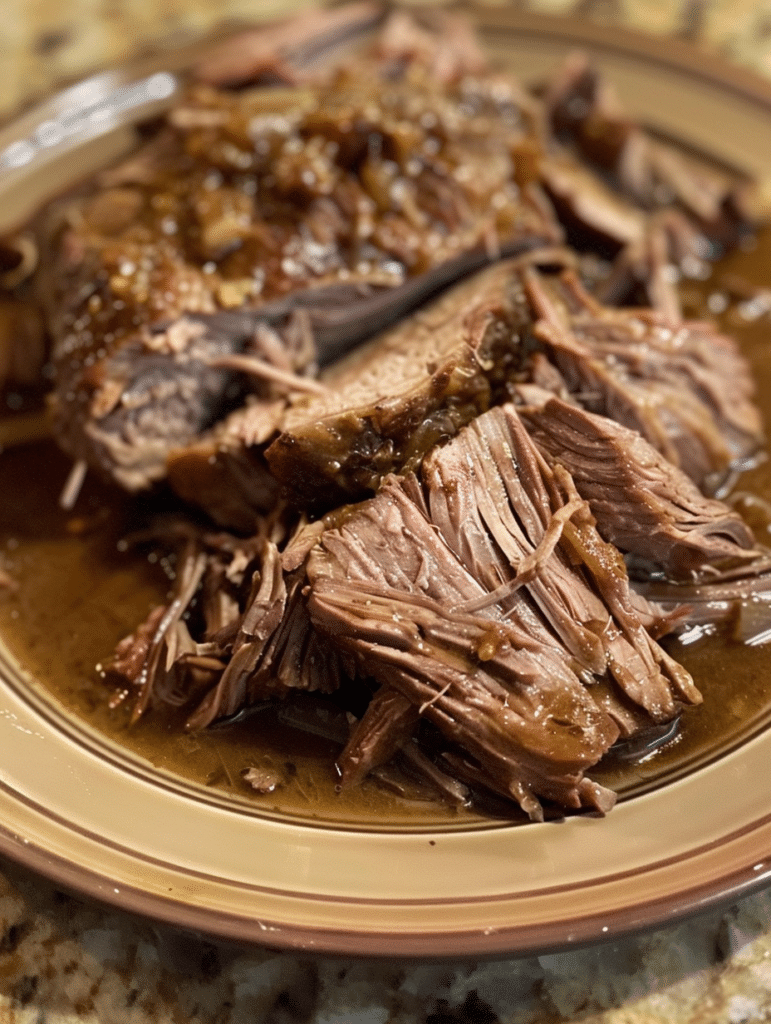
Variations and Substitutions
| Ingredient | Substitution | Impact on Flavor |
|---|---|---|
| Beef chuck roast | Beef brisket (4-5 lbs) | More intense beef flavor but longer cooking time (8-10 hours). Slightly drier texture if lean sections predominate. |
| Carrots | Parsnips or turnips | Parsnips add natural sweetness and earthiness. Turnips provide peppery notes. Use 50/50 mix with carrots for balance. |
| Potatoes | Celery root or sweet potatoes | Celery root adds subtle herbal notes. Sweet potatoes create sweeter broth. Both hold texture well through 6-8 hours. |
| Onions | Shallots or leeks | Shallots add sophistication with mild garlic notes. Leeks become very tender but dissolve slightly. Both pair well with beef. |
| Beef broth | Apple cider or vegetable broth | Apple cider adds subtle sweetness and slight acidity. Vegetable broth creates lighter dish; add extra salt (another 0.5 tsp). |
| Tomato paste | Red wine reduction (non-alcoholic) | Omit alcohol completely; use 2 tablespoons tomato paste or add apple cider vinegar (1 tablespoon) for acidity instead. |
| Rosemary and thyme | Oregano and marjoram | Creates Mediterranean flavor profile. Use same quantities; flavor remains herbaceous but lighter than rosemary-thyme combination. |
| Olive oil | Ghee or avocado oil | Ghee adds rich, buttery undertones. Avocado oil creates neutral result. Both sear equally well at high temperatures. |
Image Alt Text: Variation showing crockpot beef roast with different vegetables like sweet potatoes and parsnips instead of standard root vegetables.
Serving Suggestions and Pairings
Serve crockpot beef roast in shallow bowls with crusty bread, allowing guests to soak up the rich broth. This preparation works perfectly for Sunday family dinners, holiday gatherings, and casual weeknight meals. The presentation suggests homestyle comfort, which appeals to all ages.
Pair with egg noodles or polenta for elegant plating while maintaining easy cleanup. Buttered egg noodles absorb broth beautifully, creating cohesive bites. Creamy polenta complements the savory meat without overwhelming delicate flavors. Both sides cost minimal extra effort beyond water and butter.
Serve alongside simple green salads featuring crisp greens, sharp vinaigrette, and shaved parmesan to cut through richness. The acidity balances the beef’s heaviness while fresh vegetables add textural contrast. A bitter green like arugula pairs exceptionally well with umami-forward roast broth.
Offer freshly grated horseradish as a condiment for those enjoying peppery heat. A dollop of sour cream with fresh dill provides cool creaminess against warm beef. These optional toppings let guests customize their bowls according to preference.
Ideal occasions include family reunions, holiday potlucks, game day gatherings, and recovery meals for friends experiencing difficulty. The one-pot nature means hosts spend minimal time in kitchens, and generous portions satisfy hungry crowds. Guests consistently request recipes after tasting this reliable dish.
Image Alt Text: Plated crockpot beef roast with egg noodles, fresh parsley garnish, and a small bowl of horseradish cream on the side.
Storage and Reheating
| Method | Duration | Instructions |
|---|---|---|
| Refrigerator | 3-4 days | Cool to room temperature, then transfer to airtight containers. Store roast and vegetables together in broth for maximum moisture retention. Label with date for easy tracking. |
| Freezer | 2-3 months | Cool completely, then portion into freezer-safe bags with broth. Remove air to prevent freezer burn. Flat bags stack efficiently and thaw quickly. Label with date and contents. |
| Slow Cooker | 1-2 hours on warm | Keep on warm setting after cooking, covered. Stir occasionally to distribute heat. This works during gatherings or while waiting for guests. |
| Stovetop | 10-15 minutes | Transfer roast and vegetables to a pot, add 1/2 cup broth per portion. Heat over medium-low, stirring gently until steaming. Covers multiple servings quickly. |
| Oven | 25-30 minutes | Preheat to 325°F. Transfer roast, vegetables, and broth to covered baking dish. Heat until temperature reaches 165°F internally. This method heats evenly without drying. |
| Microwave | 3-5 minutes per serving | Transfer portion to microwave-safe bowl with broth. Cover loosely with paper towel to prevent splattering. Heat at 50% power, stirring halfway through for even warming. |
Image Alt Text: Meal prep containers showing portioned crockpot beef roast ready for freezer storage, labeled with dates.
Nutritional Information
| Nutrient | Amount per Serving |
|---|---|
| Calories | 385 |
| Protein | 38g |
| Fat | 16g |
| Saturated Fat | 6g |
| Carbohydrates | 18g |
| Dietary Fiber | 3g |
| Net Carbs | 15g |
| Sugar | 4g |
| Sodium | 620mg |
Approximate values based on 8 servings with standard ingredients. Actual values vary depending on specific beef fat content and broth sodium levels. Calculations exclude optional toppings like sour cream or horseradish.
Image Alt Text: Nutrition facts displayed on a white background with serving size and detailed breakdown of macronutrients.
Frequently Asked Questions
Can I substitute beef chuck roast with a different cut?
Yes, beef brisket works excellently and requires 8-10 hours on low due to its density. Beef rump roast cooks faster but produces drier results because it lacks chuck’s fat content. Chuck remains the optimal choice because its marbling converts to gelatin, creating unmatched tenderness.
How do I know when the crockpot beef roast is done cooking?
Fully cooked roast shreds easily when pierced with a fork, with no resistance in the thickest section. The meat should reach 190-205°F internally on a meat thermometer. Cooking time ranges from 6-8 hours on low depending on roast size and your specific slow cooker model.
Can I make this recipe with frozen beef roast?
You can add frozen roast to the slow cooker directly, but add 2-3 additional hours to cooking time, bringing total to 8-11 hours on low. Thawing overnight in the refrigerator first produces more consistent results and allows proper searing. Seared roasts develop superior flavor compared to unbrowned frozen versions.
What vegetables can I add to this crockpot beef roast?
Hearty vegetables like carrots, potatoes, onions, and turnips withstand 6-8 hours without becoming mushy. Delicate vegetables like peas, green beans, and zucchini should be added during the final 30 minutes. Mushrooms, celery, and parsnips also cook well with beef throughout the entire cooking time.
Can I prepare this recipe ahead and refrigerate before cooking?
Yes, assemble all ingredients in the slow cooker insert the night before and refrigerate. In the morning, transfer the cold insert to the slow cooker base and cook on low for 7-9 hours, adding one hour because the insert starts cold. This make-ahead approach maximizes convenience on busy mornings.
Is it safe to cook the crockpot beef roast without browning it first?
Yes, it’s completely safe from a food-safety perspective, but flavor suffers noticeably because browning creates savory complexity through the Maillard reaction. Skip browning if truly pressed for time, understanding the roast will taste boiled rather than rich and caramelized. Most cooks find the 8-minute searing worth the small extra effort.
Image Alt Text: Person using a meat thermometer to check doneness of crockpot beef roast, showing 195°F reading.
Conclusion
Crockpot beef roast transforms humble ingredients into deeply satisfying meals through patient, hands-off cooking. This recipe delivers tender, flavorful results that rival restaurant-quality braises at a fraction of the cost. Whether feeding a family of six or preparing meal-prep portions, this slow cooker classic justifies its permanent place in your rotation, rewarding every attempt with savory perfection.
Image Alt Text: Final plated crockpot beef roast in a white bowl with vegetables and rich broth, steam visible, ready to serve.
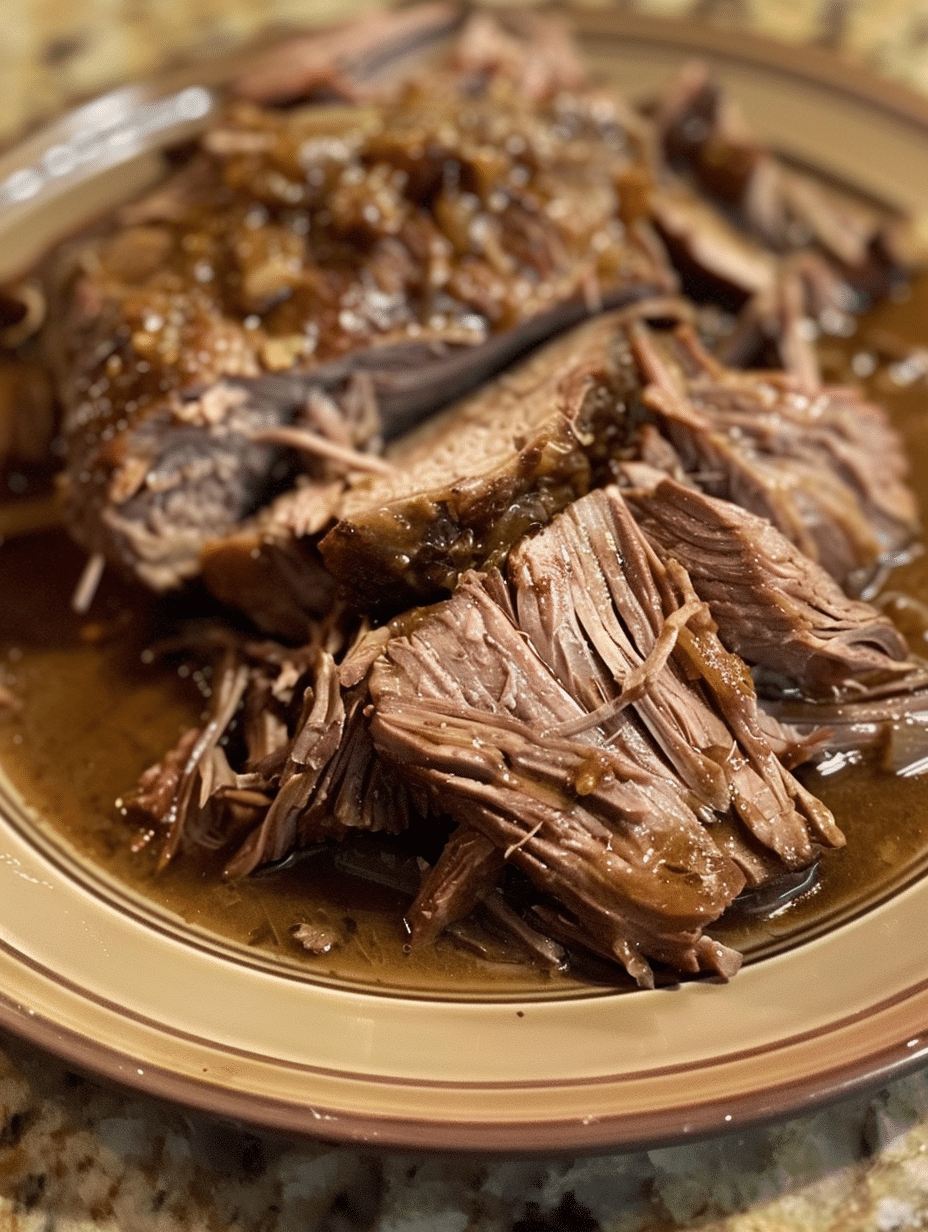
Crockpot Beef Roast: Tender, Flavorful Slow Cooker Perfection
Ingredients
- 3-4 lbs beef chuck roast
- 2 cups beef broth
- 1 large onion, sliced
- 4-5 medium carrots, sliced
- 4-6 medium potatoes, peeled and cubed
- 2 cloves garlic, minced
- 1 tsp dried rosemary
- 1 tsp dried thyme
- Salt and black pepper to taste
Instructions
- Pat beef dry and season liberally with salt and pepper
- Place beef in crockpot, fanning it in the bottom
- Add onion, carrots, potatoes, and garlic evenly around the meat
- Pour beef broth over the mixture to maintain moisture
- Cook on low heat for 6-8 hours until beef is fork-tender and vegetables are softened
- Use two forks to shred beef slightly in the pot, then simmer 30 minutes more
Notes
For lower fat version, choose leaner cuts
Store leftovers in airtight containers for 3-4 days
Freeze shredded meat up to 3 months
Add mushrooms or celery for extra flavor if desired