
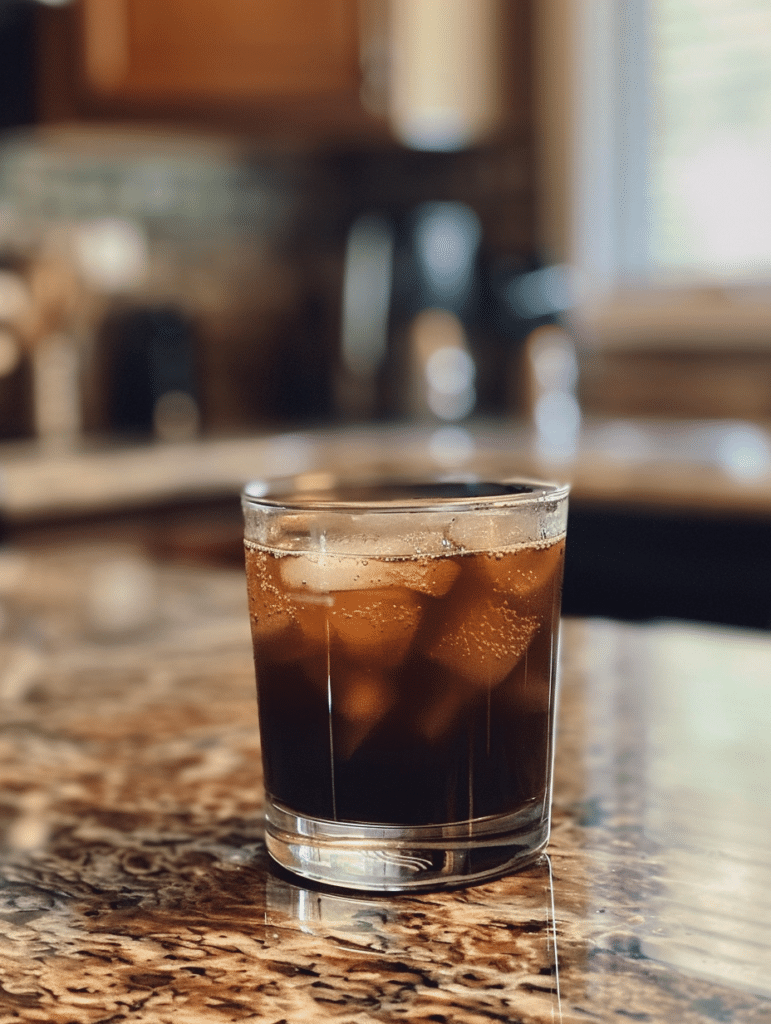
Cold brew coffee is a smooth, less acidic coffee concentrate made by steeping coarsely ground coffee beans in cold water for 12 to 24 hours. This method creates a rich, naturally sweet coffee base that’s perfect for iced coffee drinks year-round. Unlike traditional iced coffee made from hot brewed coffee poured over ice, cold brew develops its full flavor through a slow extraction process that pulls out the best notes from the beans without bitterness. I discovered this method while experimenting with refreshing drinks in my Austin kitchen, and it quickly became my go-to for weekday mornings and weekend entertaining. The concentrate stores for up to two weeks, making meal prep effortless for busy coffee lovers.
My Story: From Kitchen Experimentation to Cold Brew Expert
When I first started creating drinks at Fresh Recipes Corner, I wanted to move beyond basic iced coffee. After countless experiments, I realized that cold brew wasn’t just a trendy coffee shop drink—it was a game-changer for home cooks. The slow extraction method fascinated me because it transforms ordinary coffee beans into something remarkably smooth and drinkable. I’ve tested dozens of coffee varieties, water ratios, and steeping times to perfect this recipe. My background in crafting natural beverages taught me how temperature and time affect flavor extraction, principles that directly apply to cold brew coffee preparation. Today, this method is my most-requested drink recipe, and I’m excited to share exactly how to master it.
Recipe Overview
| Metric | Details |
|---|---|
| Prep Time | 10 minutes |
| Steeping Time | 12-24 hours |
| Total Time | 12 hours 10 minutes to 24 hours 10 minutes |
| Servings | 8-10 servings |
| Difficulty Level | Very Easy |
| Cuisine | American |
| Category | Beverages / Coffee |
Image suggestion: Overhead shot of a glass jar filled with dark cold brew concentrate, showing rich brown liquid through clear glass.
Why This Recipe Works
I’ve learned that cold brew coffee works because the cold water extraction method minimizes acid and bitterness while maximizing smooth, natural sweetness. Hot water pulls out harsh compounds quickly, but cold water takes its time, creating a concentrate that tastes clean and balanced. The result is a coffee base you can drink straight with ice, dilute with water or milk, or use as the foundation for specialty coffee drinks.
This recipe uses a simple 1:4 coffee-to-water ratio that produces a concentrate potent enough for multiple servings. I choose medium to dark roasted beans because their robust flavor shines through after hours of steeping. The coarse grind prevents over-extraction and keeps your final coffee smooth rather than muddy. After making cold brew weekly for three years, I can confidently say that this method delivers consistent, café-quality results without expensive equipment or barista skills.
What makes cold brew special is its versatility and shelf life. Unlike hot coffee that tastes stale after a few hours, cold brew concentrate stays fresh for up to two weeks in the refrigerator. This means you can prepare one batch and enjoy smooth, refreshing iced coffee drinks every morning without daily brewing. For busy professionals and families, this efficiency alone makes cold brew worth mastering.
Image suggestion: Two glasses side by side showing cold brew concentrate next to diluted cold brew coffee, demonstrating the color difference.
Ingredients
| Ingredient | Quantity | Notes & Alternatives |
|---|---|---|
| Coarsely ground coffee beans | 1 cup (about 100g) | Use medium to dark roast for best results. French roast or espresso blend work well. Avoid fine or espresso-grind coffee as it over-extracts. |
| Filtered cold water | 4 cups (960ml) | Use filtered or bottled water to avoid chlorine taste. Tap water works if your local supply is good quality. |
| Optional: Coarse sea salt | 1/8 teaspoon | Enhances coffee flavor and reduces perceived acidity. This is a chef’s secret that makes a real difference. |
Image suggestion: Flat lay of coarsely ground coffee beans in a small bowl, a measuring cup of filtered water, and a large glass jar on a wooden surface.
Step-by-Step Instructions
Phase 1: Prepare Your Container and Coffee
- Select a clean glass jar or container that holds at least 5 cups capacity and has a tight-fitting lid.
- Measure one cup of coarsely ground coffee beans using a kitchen scale or measuring cup.
- Add the coarsely ground coffee to the bottom of your clean jar, breaking up any clumps with a spoon.
Phase 2: Add Water and Mix
- Pour four cups of filtered cold water slowly over the coffee grounds, ensuring all grounds are fully saturated.
- Stir gently but thoroughly with a long spoon or stirring rod for about one minute, breaking up any floating grounds.
- Add one-eighth teaspoon of coarse sea salt if using, which enhances flavor and smoothness.
Phase 3: Steep and Store
- Cover the jar with a tight-fitting lid to keep out dust and air contaminants.
- Place the jar on your countertop or in a cool cabinet at room temperature, away from direct sunlight.
- Let the mixture steep undisturbed for 12 to 24 hours; longer steeping creates stronger, more concentrated coffee.
Phase 4: Strain and Store
- After steeping, place a fine-mesh strainer or cheesecloth over a large bowl or measuring pitcher.
- Carefully pour the entire jar contents through the strainer, allowing the liquid to drain completely into your collection vessel.
- Use the back of a spoon to gently press the grounds to extract remaining liquid, then discard the used coffee grounds.
- Transfer the strained cold brew concentrate into a clean glass bottle or jar with an airtight lid.
- Refrigerate the cold brew concentrate immediately; it stays fresh for up to 14 days.
Image suggestion: Step-by-step sequence showing jar with dry grounds, jar with water poured in, and straining process into a pitcher.

Chef Tips for Perfect Results
- Use a burr grinder for consistent texture: A burr grinder produces uniform coarse particles, while blade grinders create uneven sizes that lead to over or under-extraction. Consistent grind size is the secret to balanced flavor.
- Water temperature matters more than you think: Use water that’s between 50-70 degrees Fahrenheit for optimal extraction. Ice-cold water (below 40°F) slows extraction too much and may leave your brew weak.
- Don’t skip the stirring step: Initial stirring ensures all grounds contact water immediately, preventing dry spots that would create uneven flavor development during steeping.
- Keep your jar away from sunlight: Light exposure can degrade coffee flavor and cause the concentrate to oxidize prematurely, reducing shelf life to just a few days.
- Test at 12 hours before waiting 24: Taste a small sample after 12 hours to see if flavor development suits your preference. You can serve at 12 hours or continue to 18-24 for stronger concentrate.
- Invest in quality beans from specialty roasters: Since extraction happens slowly, any flaws in the coffee become more apparent. Fresh beans from a local roaster always outperform week-old supermarket coffee.
Image suggestion: Closeup of a burr grinder producing coarsely ground coffee beans into a measuring cup.
Common Mistakes to Avoid
Mistake 1: Using the wrong grind size. Fine espresso grind or pre-ground coffee meant for drip machines will over-extract during the 12-24 hour steep, creating a bitter, muddy concentrate. The fix is simple: grind your beans at home to a coarse texture, similar to sea salt or breadcrumbs. Ask your local coffee roaster to grind coarsely if you don’t have a grinder at home.
Mistake 2: Using hot water instead of cold water. Hot water begins extraction immediately and creates bitterness within hours, completely changing the profile of your cold brew. Always use cold filtered water, even if it takes longer. The slow extraction is what makes cold brew smooth and special.
Mistake 3: Forgetting to strain completely. Leaving grounds in contact with the concentrate after 12 hours causes over-extraction and bitterness to develop rapidly. After straining, transfer the liquid to a clean container immediately; don’t let it sit with grounds in the original jar.
Mistake 4: Storing in clear glass on a sunny shelf. Light exposure degrades coffee quality and shortens shelf life significantly. Always use opaque bottles or store clear jars in a dark cabinet or refrigerator away from kitchen windows and light sources.
Mistake 5: Using tap water with strong chlorine taste. Chlorine and minerals in unfiltered water become concentrated during the long steep, creating an off-flavor that’s hard to mask. Invest in a simple water filter pitcher or use bottled water for noticeably better results.
Image suggestion: Split-screen showing properly strained cold brew versus over-extracted murky concentrate.
Variations and Substitutions
| Ingredient | Substitution or Variation | Impact on Flavor Profile |
|---|---|---|
| Medium roast beans | Light roast beans | Creates brighter, more acidic cold brew with fruity, floral notes; requires 18-24 hour steep for full flavor. |
| Regular cold water | Add 2-3 cardamom pods or 1 cinnamon stick to grounds | Adds warmth and spice notes; especially lovely in fall or paired with milk for a cafe-style drink. |
| 1 cup coffee to 4 cups water (standard) | 1 cup coffee to 3 cups water (stronger concentrate) | Creates a more potent concentrate that requires dilution but lasts longer; better for black coffee drinkers. |
| Plain coarse salt | Himalayan pink salt or sea salt blend | Subtle mineral notes enhance complexity; use same 1/8 teaspoon amount. |
| Filtered water alone | Half filtered water, half unsweetened oat milk in concentrate | Creates a creamier concentrate that’s ready to drink over ice without additional milk; less acidic and smoother. |
| Single origin beans | Blend of medium and dark roast beans | Balances bright acidity with deep body; creates more complex, sophisticated cold brew concentrate. |
Image suggestion: Three glasses showing different cold brew variations: plain concentrate with ice, cold brew with oat milk, and cold brew with spices.
Serving Suggestions and Pairings
Cold brew concentrate is incredibly versatile and works perfectly for morning coffee rituals or afternoon refreshment. Serve it over ice with a splash of your favorite milk—dairy, almond, oat, or coconut—for a classic café-style iced coffee that tastes better than store-bought versions. This method is ideal for professional settings where you need consistent, smooth coffee available throughout the day without fussing with hot equipment.
For special occasions, try the Cold Brew Cortado by mixing equal parts cold brew concentrate with steamed milk and foam; it’s a sophisticated option that impresses guests. The Vanilla Cold Brew Float combines cold brew concentrate, whole milk, and a scoop of vanilla ice cream for dessert-like richness that children and adults enjoy. Pair with light pastries, butter croissants, or fruit-based desserts because the coffee’s smoothness complements rather than overwhelms delicate flavors.
For afternoon gatherings, serve the Cold Brew Spritzer made with cold brew concentrate, sparkling water, and fresh lemon juice for a refreshing, less caffeinated option. The Iced Americano at Home uses two parts cold brew concentrate to one part water with a large ice cube, creating a drink that stays cold and dilutes perfectly as ice melts. Morning meetings benefit from straight cold brew over ice with a touch of honey and a squeeze of fresh lime for brightness and clarity without excessive sugar.
Image suggestion: Styled shot of a tall glass filled with cold brew over ice, condensation on the glass, with a small pitcher of milk nearby and a pastry in the background.
Storage and Reheating
| Storage Method | Duration | Instructions |
|---|---|---|
| Refrigerated in airtight glass container | Up to 14 days | Transfer strained concentrate to a clean glass bottle or jar with tight-fitting lid. Keep on the back of the refrigerator away from the door where temperature fluctuates. Shake gently before each use. |
| Frozen in ice cube trays | Up to 3 months | Pour cold brew concentrate into silicone ice cube trays and freeze solid. Pop cubes into freezer bags and label with date. Use for iced coffee drinks or dissolve in hot water for instant hot coffee. |
| Room temperature in sealed container | 1-2 days maximum | Not recommended; cold brew quality degrades rapidly without refrigeration. Always refrigerate immediately after straining. |
| Diluted cold brew in glass pitcher | Up to 3 days | Mix cold brew concentrate with water or milk in a ratio of 1:2 or 1:3. Cover and refrigerate. Serve over ice; shake before pouring. |
| Hot coffee from concentrate | Drink immediately | Heat cold brew concentrate gently in a small saucepan over medium-low heat or microwave in 30-second intervals. Add milk and sweetener as desired. Do not boil. |
Image suggestion: Organized refrigerator shelf showing labeled glass containers of cold brew concentrate, ice cube trays in freezer, and prepared cold brew drinks ready to serve.
Nutritional Information
Approximate values per 8 oz serving of cold brew concentrate diluted 1:2 with water
| Nutrient | Amount per Serving |
|---|---|
| Calories | 5 calories |
| Protein | 0.3g |
| Fat | 0.1g |
| Carbohydrates | 0.8g |
| Fiber | 0g |
| Sugar | 0g |
| Sodium | 5mg |
| Caffeine | 65-85mg |
Note: Nutritional values are approximate and vary based on coffee bean type, roast level, and water used. Adding milk, cream, or sweeteners will increase calories and other nutrients. Cold brew concentrate contains slightly less caffeine than hot brewed coffee due to the longer but cooler extraction method.
Image suggestion: Nutritional facts displayed on a clean white card next to a glass of finished cold brew coffee.
Frequently Asked Questions
Can I substitute cold brew concentrate with instant coffee for the same results?
No, instant coffee and cold brew concentrate deliver different flavor profiles and quality. Cold brew concentrate develops smooth, complex flavors through slow water extraction of whole beans, while instant coffee is pre-brewed and dried, creating a more one-dimensional taste. Instant coffee dissolves quickly but lacks the depth and subtlety that makes homemade cold brew special. For best results, always brew your own cold brew concentrate from whole beans.
How do I know when cold brew coffee is done steeping?
Cold brew concentrate is ready after a minimum of 12 hours, when the liquid reaches a rich brown color and tastes smooth with balanced coffee flavor. You can check readiness by tasting a small sample after 12 hours; if it tastes weak or watery, continue steeping another 6-12 hours. The longer you steep, up to 24 hours, the stronger and more concentrated your final product becomes. Once the flavor suits your preference, strain immediately to stop extraction.
What should I do if my cold brew tastes too bitter or muddy?
Bitterness indicates over-extraction, usually caused by too-fine grounds or steeping longer than 24 hours with the grounds still present. Strain your current batch immediately through cheesecloth to remove grounds, then refrigerate to halt extraction. For your next batch, use coarser grounds from a burr grinder and strain after exactly 24 hours. If the taste is still too strong, try the 1:5 coffee-to-water ratio instead of 1:4 to create a milder concentrate.
Can I make cold brew coffee ahead for an entire week?
Yes, cold brew concentrate prepared properly stays fresh for up to 14 days when stored in an airtight container in the refrigerator. Make a large batch on Sunday and enjoy smooth, ready-to-drink cold coffee all week without daily brewing. For best flavor throughout the week, freeze half the concentrate in ice cube trays after 7 days so you can use fresh concentrate early in the week and frozen cubes later. This strategy guarantees consistent quality and convenience.
Should I refrigerate cold brew coffee before or after diluting with milk?
Refrigerate the cold brew concentrate immediately after straining, in a separate airtight container from any milk or water. This keeps the concentrate pure and extends shelf life to 14 days. Dilute with milk or water only when you’re ready to drink, which prevents separation and maintains freshness. If you prefer pre-diluted cold brew, mix in a 1:2 ratio and refrigerate in a sealed pitcher for up to 3 days, shaking gently before each use.
What’s the difference between cold brew and cold-drip coffee?
Cold brew steeps ground coffee and cold water together in a jar for 12-24 hours, then strains the mixture to separate liquid from grounds. Cold-drip coffee uses a specialized apparatus that slowly drips cold water onto grounds suspended above a collection vessel, similar to a slow-motion pour-over, creating concentrate through gravity-fed dripping over 6-12 hours. Cold brew is simpler and requires only a jar, while cold-drip produces slightly cleaner, brighter flavor but needs expensive equipment. Both methods create smooth, less acidic coffee ideal for iced drinks.
Image suggestion: FAQ section displayed on a phone screen or tablet with coffee in the background.
Conclusion
Cold brew coffee transforms your morning routine with smooth, naturally sweet concentrate that’s ready whenever you are. This simple method requires just coarsely ground beans, cold water, and patience, delivering café-quality results at a fraction of the cost. Master this technique once and enjoy consistently delicious iced coffee for weeks with minimal daily effort. Your perfect cold brew is just a jar and overnight steep away.
Image suggestion: Final beauty shot of a finished cold brew coffee drink garnished with ice, condensation on glass, warm morning sunlight in the background.
Related Recipes and Resources
- How to Make the Perfect Iced Latte at Home
- Complete Guide to Coffee Brewing Methods
- Homemade Flavored Coffee Syrups: Vanilla, Caramel, and More
- Affogato Recipe: Italian Coffee Ice Cream Dessert
- National Coffee Association: Coffee Brewing Guide
- Specialty Coffee Association: Coffee Standards

Cold Brew Coffee
Ingredients
- 1 cup coarsely ground coffee beans
- 4 cups cold water
Instructions
- Coarsely grind 1 cup of coffee beans using a burr grinder
- Pour 4 cups cold water into a large jar or pitcher
- Mix in ground coffee beans and stir until fully saturated
- Cover the container and let steep at room temperature for 12–24 hours
- Strain through a fine-mesh sieve or coffee filter into an airtight container
- Refrigerate concentrate before use
Notes
Adjust coffee-to-water ratio (1:3 to 1:5) based on strength preference
Steep for 14 hours for balanced flavor
Dilute 1:1 with cold water or milk for serving
Can be frozen in ice cube trays for convenience
Avoid using pre-ground coffee for best results; grind beans before brewing