

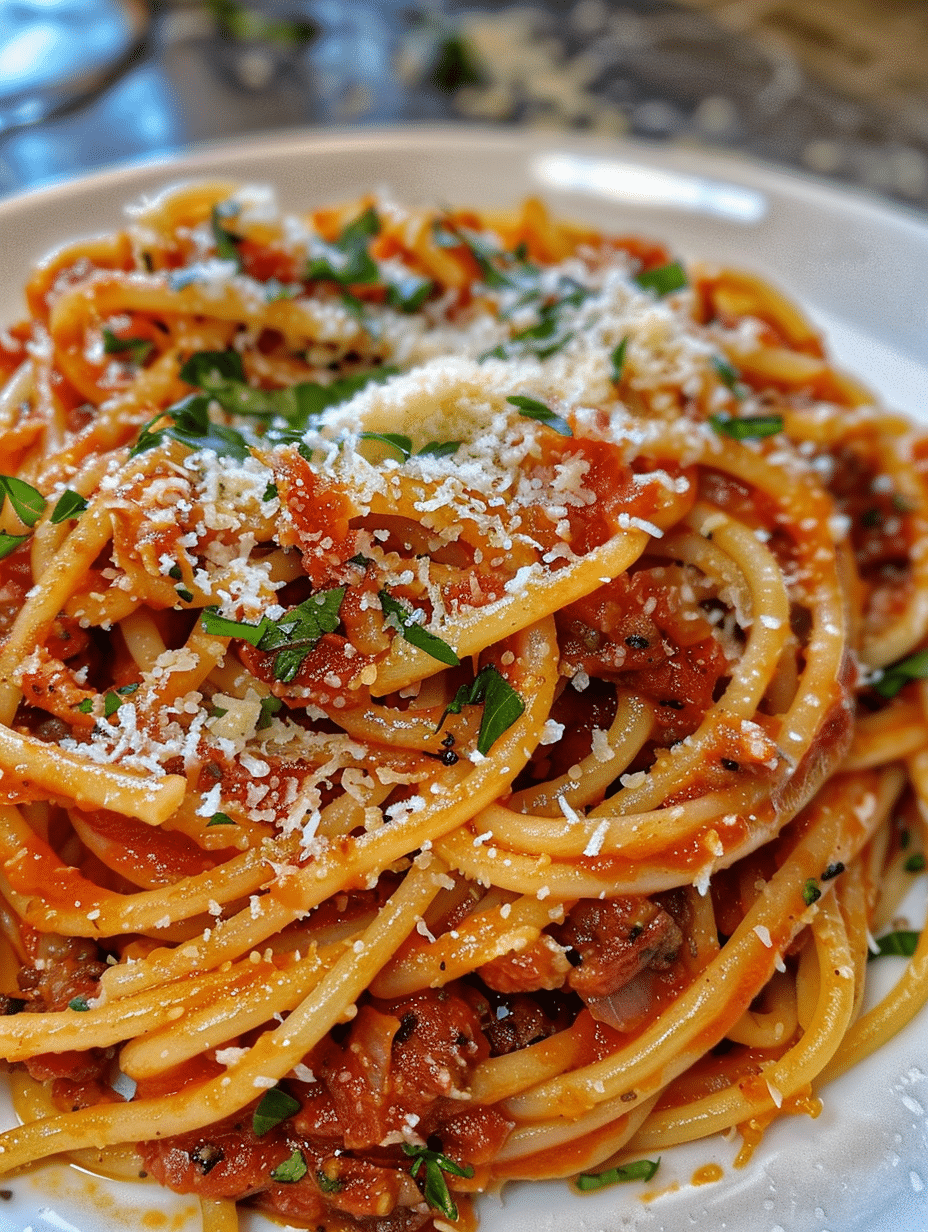
Spaghetti recipe is the foundation of Italian home cooking, combining tender pasta with a rich tomato sauce that takes just 30 minutes from start to finish. This dish proves that exceptional food doesn’t require complicated techniques or a long ingredient list. When you cook spaghetti with care, you create a meal that brings families together and satisfies everyone at the table. I’ve perfected this recipe through years of practice, testing different methods until I found the approach that delivers consistent, delicious results every single time.

Eva Stoner’s Fresh Recipes Corner
I’m Eva Stoner, the creator of Fresh Recipes Corner, where I share simple, reliable recipes for everyday cooking. My love for cooking began in my grandmother’s kitchen, where I learned that good food doesn’t have to be complicated—it just needs care, patience, and the right techniques. Those early moments shaped how I cook today and inspired me to keep things practical and approachable.
When my grandmother prepared spaghetti, she never stressed over perfection. She focused on quality ingredients, proper timing, and respect for the craft. That philosophy guides every recipe I share, including this classic spaghetti version. Over the past decade, I’ve taught thousands of home cooks how to master this dish, and I’m excited to share my proven approach with you.
Recipe Overview
| Metric | Value |
|---|---|
| Prep Time | 10 minutes |
| Cook Time | 25 minutes |
| Total Time | 35 minutes |
| Servings | 4 people |
| Difficulty Level | Easy to Intermediate |
| Cuisine | Italian |
Why This Recipe Works
This spaghetti recipe succeeds because it respects both the pasta and the sauce equally. Many home cooks rush their sauce, simmering it for only five minutes when twenty delivers dramatically better flavor development. I learned this lesson the hard way, testing batches side by side until the difference became unmistakable. The longer simmer allows the tomatoes to break down completely, the garlic to mellow and deepen, and the flavors to meld into something greater than their individual parts.
The technique I use creates a sauce that clings to each strand of pasta rather than pooling at the bottom of your bowl. This happens because the sauce reaches the perfect consistency through gentle cooking and because I finish it with pasta water, which starch helps bind everything together. When you serve this spaghetti, every bite tastes intentional and well-balanced. The pasta remains al dente because you control the final cooking moment, pulling it from boiling water at exactly the right second.
I’ve found that this recipe scales beautifully for both intimate dinners and larger gatherings. Whether you’re cooking for four or eight, the timing stays consistent and the quality never suffers. The ingredients list stays short because quality matters more than quantity, a principle my grandmother taught me many years ago in her kitchen.
Ingredients
| Ingredient | Quantity | Notes with Alternatives |
|---|---|---|
| Spaghetti pasta | 1 pound (16 oz) | Use bronze-cut (trafilata) pasta for better sauce adherence. Whole wheat works but requires 1-2 minutes extra cooking. |
| Canned San Marzano tomatoes | 28 ounces (one 28-oz can) | Buy whole peeled tomatoes, not sauce. This gives you control over final texture. Fresh tomatoes work in summer but require 2 extra minutes cooking. |
| Garlic cloves | 4 large cloves | Mince finely or slice thin. Fresh garlic essential—never use powdered in this recipe. |
| Extra virgin olive oil | 3 tablespoons | Use high-quality, cold-pressed oil. This is where you taste the difference in final flavor. |
| Sea salt | 2 teaspoons (divided) | 1 teaspoon for pasta water, 1 teaspoon for sauce. Kosher salt works but use 1.5 teaspoons total. |
| Black pepper | 1/2 teaspoon (fresh ground) | Grind immediately before using. Pre-ground pepper loses potency. |
| Fresh basil leaves | 8-10 leaves (optional but recommended) | Add in final 2 minutes of cooking. Dried basil loses flavor—use only if fresh unavailable. |
| Red pepper flakes | 1/4 teaspoon (optional) | Add for subtle heat. Increase to 1/2 teaspoon if you prefer spicy spaghetti. |
| Filtered water | 6 quarts (for pasta cooking) | More water than you think necessary ensures pasta cooks evenly and maintains proper starch content. |
Step-by-Step Instructions
Preparation Phase
- Fill a large pasta pot with six quarts of filtered water and place it over high heat. Bring water to a rolling boil before adding anything else.
- Mince four large garlic cloves into pieces about the size of a grain of rice. Keep them separate from your other ingredients.
- Pour the entire 28-ounce can of San Marzano tomatoes into a medium mixing bowl. Use your hands or a wooden spoon to crush them into smaller pieces, leaving some chunks intact.
Sauce Building Phase
- Pour three tablespoons of extra virgin olive oil into a large saucepan over medium heat. Wait 30 seconds for oil to warm but not smoke.
- Add the minced garlic to warm oil and stir constantly for 45 seconds to 1 minute until fragrant. Remove from heat if garlic starts browning—burned garlic tastes bitter.
- Pour the crushed tomatoes with all their liquid into the saucepan with garlic. Stir well to combine, scraping up any garlic stuck to the bottom.
- Add one teaspoon of sea salt and one-quarter teaspoon of fresh ground black pepper. Stir thoroughly.
- Return saucepan to medium-low heat and bring sauce to a gentle simmer. Adjust heat so bubbles break the surface every 2-3 seconds, not aggressively boiling.
- Simmer the sauce for 18-20 minutes without covering, stirring occasionally. The sauce will darken slightly and thicken as it reduces.
Pasta Cooking Phase
- When sauce has simmered for about 15 minutes, add one teaspoon of sea salt to your boiling pasta water. Stir well and wait for rolling boil to return.
- Add the entire one-pound box of spaghetti to boiling salted water. Stir immediately and continuously for the first 2 minutes to prevent sticking.
- Check the pasta package for recommended cooking time, then subtract two minutes from that number. This is your target time for al dente texture.
- At the two-minute mark before your target time, carefully remove one strand of spaghetti using a fork or tongs. Cool for 30 seconds and taste it.
Finishing Phase
- When pasta reaches al dente texture, reserve one cup of pasta cooking water by carefully pouring it into a heat-safe container using a ladle.
- Drain the cooked spaghetti in a colander set in your sink. Do not rinse the pasta—the starch helps sauce adhere.
- Pour the drained spaghetti directly into the simmering sauce. Toss continuously for 1-2 minutes to coat every strand.
- Add fresh basil leaves if using, and toss gently for 30 seconds to incorporate. The heat will slightly wilt the basil.
- If sauce seems too thick, add pasta water one tablespoon at a time while tossing, until reaching desired consistency. Most batches need 2-4 tablespoons.
- Taste and adjust seasoning with salt, pepper, or red pepper flakes as needed. Grind additional black pepper over top for visual appeal.
- Divide spaghetti equally among four serving bowls. Spoon additional sauce over each portion and serve immediately.

Chef Tips for Perfect Results
- Use a pasta fork or tongs to stir pasta during the first two minutes of cooking. This prevents the strands from bonding together into one clump, ensuring even cooking throughout.
- Save pasta water before draining. This starchy liquid is essential for adjusting sauce consistency and helps the sauce coat pasta properly. Many restaurants and Italian home cooks use this trick.
- Taste pasta at the two-minute mark before your target cooking time, not at the target time itself. This gives you a one-to-two-minute window to pull it at perfect al dente texture rather than overshooting and ending up with mushy pasta.
- Toast your garlic in oil for exactly 45 seconds to one minute before adding tomatoes. This mellows the raw garlic flavor and creates a sweeter, more sophisticated base for your sauce.
- Keep your saucepan uncovered while simmering. A lid traps steam and prevents the sauce from reducing properly, resulting in a thin, watery final product instead of rich sauce that coats the pasta.
- Tear fresh basil by hand rather than cutting with a knife. Metal blades bruise basil leaves and cause them to blacken and lose flavor within hours.
Common Mistakes to Avoid
Mistake 1: Simmering sauce for only 5-10 minutes. Tomato sauce needs 18-20 minutes of gentle simmering to develop deep flavor and proper consistency. Quick cooking leaves the sauce tasting acidic and thin. Fix this by setting a timer and resisting the urge to rush. The extra minutes make a dramatic difference in final taste.
Mistake 2: Rinsing pasta after draining. Rinsing removes the starch coating that helps sauce adhere to each strand. You end up with slippery pasta and sauce that pools at the bottom of your bowl. Keep pasta slightly starchy by skipping the rinse entirely—the heat of the sauce will gently finish cooking any surface starch.
Mistake 3: Cooking pasta until soft instead of al dente. Overcooked pasta tastes mushy and loses its pleasant texture contrast with the sauce. You prevent this by checking pasta two minutes before the package recommendation, then tasting one strand. Pull it from water the moment it reaches tender-but-still-firm texture, even if this happens earlier than expected.
Mistake 4: Using jarred minced garlic instead of fresh cloves. Jarred garlic contains preservatives that affect flavor and often tastes metallic or stale. Fresh garlic cloves take two minutes to mince by hand and transform your spaghetti from good to exceptional. This single swap alone will noticeably improve your final dish.
Mistake 5: Adding cold sauce to hot pasta. Temperature shock causes the pasta to seize and stick together. Always keep sauce simmering gently right up until the moment you add drained pasta. The sauce continues cooking gently while combining with pasta, creating better flavor integration.
Variations and Substitutions
| Ingredient | Substitution | Impact on Flavor |
|---|---|---|
| San Marzano tomatoes | Roma tomatoes or crushed tomatoes from other regions | Slightly more acidic, less sweet. Increase cooking time by 2-3 minutes to develop deeper flavor. |
| Extra virgin olive oil | Regular olive oil or vegetable oil | Less complex and fruity. Regular oil works fine but tastes noticeably less refined in final dish. |
| Fresh basil | Fresh parsley or oregano | Different herb profile entirely. Parsley adds freshness but less warmth. Oregano creates more Mediterranean flavor. |
| Sea salt | Kosher salt or table salt | Table salt tastes saltier by weight due to finer crystals. Use 1.5 teaspoons table salt instead of 2 teaspoons sea salt. |
| Black pepper | White pepper or mixed peppercorns | White pepper is milder and less peppery. Mixed peppercorns add complexity. Use same quantity. |
| Whole spaghetti | Linguine, fettuccine, or penne pasta | Wider pasta shapes hold sauce differently. Cook according to package directions, tasting 2 minutes early. |
| Red pepper flakes | Fresh chili pepper or cayenne pepper | Fresh chili adds heat and slight sweetness. Cayenne is more intense. Use half the quantity if substituting. |
Serving Suggestions and Pairings
Serve this classic spaghetti recipe as the centerpiece of an Italian dinner party alongside crusty garlic bread and a crisp green salad with lemon vinaigrette. The acidity in the salad balances the richness of the sauce perfectly, while garlic bread soaks up every drop of sauce remaining in your bowl. For casual family dinners, pair spaghetti with steamed broccoli or roasted zucchini to add vegetables to the meal.
Create a complete Italian feast by opening with a simple caprese salad made from fresh tomatoes, mozzarella, basil, and olive oil. Follow the spaghetti course with grilled vegetables or a light antipasto platter featuring olives, roasted red peppers, and fresh mozzarella. For special occasions, serve spaghetti alongside grilled eggplant or roasted asparagus for an elegant presentation.
Make spaghetti the base for additional dishes by creating vegetarian spaghetti primavera with roasted seasonal vegetables, or adding sautéed mushrooms and spinach to the sauce for a heartier version. Sunday dinner with family calls for serving spaghetti with garlic knots, a simple salad, and perhaps a dessert of fresh fruit with a drizzle of honey. Casual weeknight meals pair perfectly with spaghetti and grilled chicken breasts on the side, creating a protein-rich dinner that satisfies everyone at your table.
Storage and Reheating
| Method | Duration | Instructions |
|---|---|---|
| Refrigerator | 3-4 days | Store sauce and cooked pasta separately in airtight containers. This prevents pasta from absorbing all sauce liquid and becoming mushy. Reheat gently over medium-low heat with a splash of water or pasta water to restore sauce consistency. |
| Freezer (Sauce Only) | Up to 3 months | Cool sauce completely before freezing in freezer-safe containers or ice cube trays. Freeze pasta separately or not at all—frozen cooked pasta becomes mushy upon thawing. Thaw sauce overnight in refrigerator and reheat gently. |
| Freezer (Complete Dish) | Up to 2 months | Combine cooled spaghetti with sauce in freezer containers, leaving 1-inch headspace for expansion. Quality degrades after 2 months. Thaw completely in refrigerator before reheating over low heat with additional pasta water. |
| Stovetop Reheating | 5-10 minutes | Place spaghetti in a pan over medium-low heat. Add 2-3 tablespoons pasta water or vegetable broth. Stir occasionally until heated through. Do not boil—this causes pasta to break apart and sauce to separate. |
| Microwave Reheating | 2-4 minutes | Transfer to microwave-safe container and add one tablespoon water per cup of spaghetti. Cover loosely and heat in 1-minute intervals, stirring between each, until heated through. This method risks uneven heating but works in emergencies. |
Nutritional Information
Approximate values per serving based on four servings total. Values calculated using USDA nutrition database and may vary based on specific brands used.
| Nutrient | Amount per Serving |
|---|---|
| Calories | 385 kcal |
| Protein | 13 grams |
| Carbohydrates | 68 grams |
| Dietary Fiber | 3.5 grams |
| Total Fat | 6.5 grams |
| Saturated Fat | 1 gram |
| Unsaturated Fat | 5 grams |
| Sodium | 520 milligrams |
| Sugars | 4.5 grams |
| Iron | 2.8 milligrams |
| Vitamin C | 8 milligrams |
Frequently Asked Questions
Can I make spaghetti sauce ahead of time for batch cooking?
Yes, you can make the sauce up to two days in advance and store it in an airtight container in your refrigerator. The flavors actually improve slightly as they sit and meld together overnight. Simply reheat the sauce gently over medium-low heat while you cook fresh pasta, adding a splash of water if the sauce has thickened too much during storage. The finished dish tastes just as good whether sauce was made same-day or prepared in advance.
How do I know when spaghetti reaches the perfect al dente texture?
Al dente pasta should be tender but still offer slight resistance when you bite it, never mushy or hard. The best method is removing one strand at the two-minute mark before your package’s recommended cooking time, cooling it briefly, and tasting it. If it still feels slightly firm at the center, wait another minute and test again. The target is tender on the outside with just a tiny bit of firmness remaining in the very center of the strand.
What causes my spaghetti sauce to taste too acidic?
Acidic sauce usually results from insufficient simmering time or using low-quality tomatoes. The tomatoes need 18-20 minutes of gentle cooking to break down completely and develop their natural sweetness. Adding a small pinch of sugar (about 1/4 teaspoon) can also neutralize excess acidity if needed. San Marzano tomatoes taste less acidic than other varieties, so switching brands often solves this problem.
Can I cook spaghetti to al dente and finish cooking it in the sauce?
No, this approach results in overcooked pasta because the sauce continues gently cooking the pasta strands after you combine them. You should cook spaghetti to al dente texture in the pasta water, then toss it with simmering sauce for only 1-2 minutes to combine flavors. Cook spaghetti slightly less rather than slightly more if you’re uncertain about timing, since finishing it in sauce will cook it further.
How much sauce should coat each serving of spaghetti?
Each serving should have about 2/3 cup of sauce total, enough to coat all the pasta without pooling excessively at the bottom of the bowl. The sauce-to-pasta ratio matters because too little sauce leaves pasta dry, while too much sauce overwhelms the pasta texture. Use pasta water to adjust sauce consistency—if it’s too thin to coat pasta properly, simmer it longer; if too thick, add pasta water by the tablespoon.
What if I want to add vegetables or protein to this basic spaghetti recipe?
You can easily customize this recipe by sautéing vegetables like mushrooms, zucchini, or spinach in olive oil before adding them to the sauce during the final 2-3 minutes of simmering. For protein, add cooked lentils directly to the sauce, or serve grilled chicken alongside the spaghetti. The basic sauce recipe remains unchanged—simply incorporate additional ingredients during the finishing phase without altering cooking times or techniques.
Conclusion
This classic spaghetti recipe delivers restaurant-quality results through simple technique and respect for quality ingredients. The 35-minute total time makes it perfect for busy weeknights while the impressive flavor works beautifully for entertaining guests. Master this foundational spaghetti recipe, and you’ll have a reliable base for countless variations and creative adaptations throughout your cooking life.
Classic Spaghetti Recipe
Ingredients
- 450g (16 oz) spaghetti
- Salt for boiling water
- 2 tbsp olive oil
- 3 garlic cloves, minced
- 1 kg (2.2 lbs) fresh cherry tomatoes, halved
- 30g (1 oz) fresh basil, chopped
- Salt and pepper to taste
- 1 tbsp balsamic vinegar (optional)
Instructions
- Bring 4-6 liters water to boil in a large pot
- Add 20g salt, cook spaghetti according to package time (typically 8-10 minutes)
- Heat olive oil in saucepan over medium heat
- Sauté garlic 2-3 minutes until fragrant
- Add cherry tomatoes with skins on – cook 5 minutes stirring occasionally
- Simmer sauce 15-20 minutes until thickened, stir occasionally
- Reserve 1/2 cup pasta water
- Drain pasta, add to saucepan with 1/4 cup pasta water
- Toss pasta with sauce until glossy, add more water if needed
- Stir in basil and remaining salt/pepper to taste
- Optional: drizzle balsamic vinegar before serving
Notes
Add a small pat of butter for extra richness (per recipe)
Chicken optional for heartier version
Storage: Refrigerate up to 3 days in airtight container