

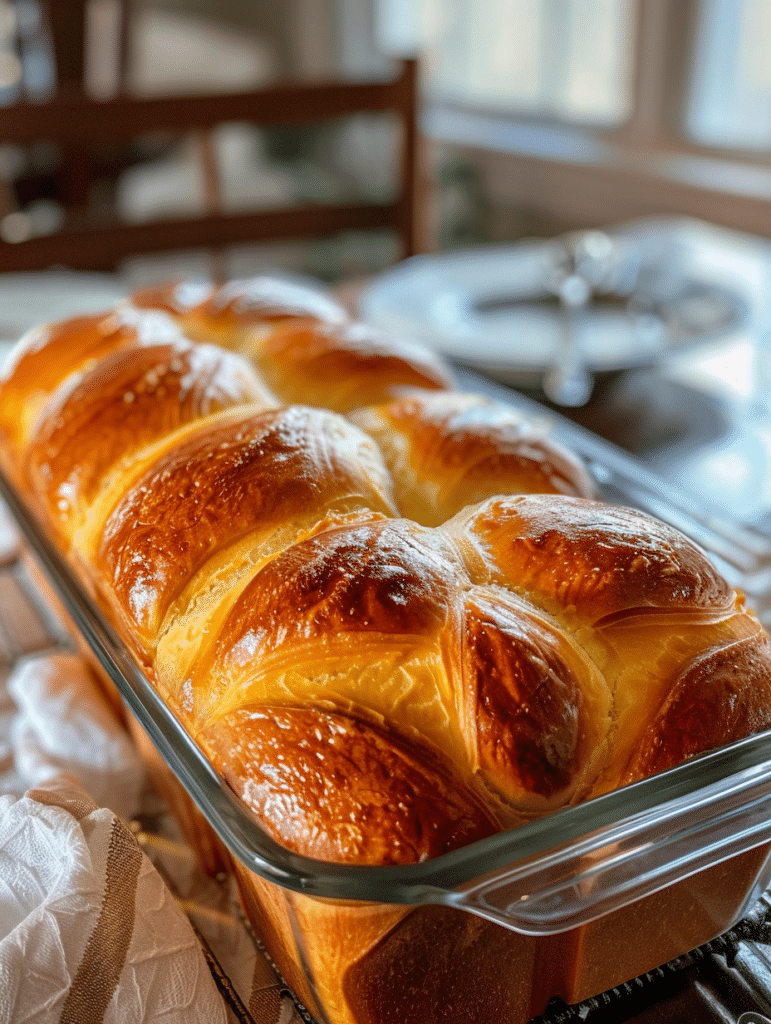
Brioche bread is a rich, buttery French bread enriched with eggs, milk, and generous amounts of butter that creates an impossibly soft crumb and golden exterior. This classic pastry-adjacent bread balances sweetness with savory depth, making it ideal for breakfast toast, gourmet sandwiches, or simply enjoyed plain with a cup of coffee. The key to authentic brioche lies in a slow fermentation process that develops flavor while the high butter content ensures each bite melts on your tongue. Once you master this recipe, you’ll understand why brioche remains a baker’s favorite across generations.
My Story with Brioche Bread
I’m Eva Stoner, the creator of Fresh Recipes Corner, where I share simple, reliable recipes for everyday cooking. My love for cooking began in my grandmother’s kitchen, where I learned that good food doesn’t have to be complicated—it just needs care, patience, and the right techniques. Those early moments shaped how I cook today and inspired me to keep things practical and approachable.
My first brioche attempt was a disaster. I rushed the fermentation and didn’t trust the butter-rich dough would rise properly. The loaf came out dense and flat, nothing like the golden, pillowy brioche I craved. That failure taught me that brioche rewards patience. The long, cold fermentation isn’t a burden; it’s the foundation of flavor. Now, I bake brioche regularly, and I’ve learned exactly which steps matter most. Through Fresh Recipes Corner, I’ve helped thousands of home bakers achieve bakery-quality results, and I’m excited to share my proven method with you.
Recipe Overview
| Metric | Value |
|---|---|
| Prep Time | 20 minutes |
| First Rise | 1.5-2 hours (room temperature) |
| Cold Fermentation | 8 hours or overnight |
| Final Proof | 1.5-2 hours |
| Bake Time | 30-35 minutes |
| Total Time | 12-14 hours (mostly hands-off) |
| Servings | 12-16 slices |
| Difficulty Level | Intermediate |
| Cuisine | French |
| Yield | 1 loaf |
Why This Recipe Works
This brioche bread recipe works because it respects the three pillars of exceptional brioche: proper hydration, extended fermentation, and lamination technique. The dough begins with a modest amount of flour and liquid, creating an almost batter-like consistency that makes butter integration seamless. I’ve tested dozens of methods over the years, and the “reverse creaming” approach in this recipe ensures even butter distribution without overworking the gluten.
The overnight cold fermentation is non-negotiable for flavor development. Cold temperatures slow yeast activity while enzymes continue breaking down starches and proteins, creating deeper, more complex notes than a quick same-day rise could ever achieve. This step also makes the dough infinitely easier to shape since cold dough resists stickiness. I learned this from a French master baker who taught me that brioche’s signature tenderness comes not from extra fat alone, but from this patient fermentation that allows gluten to relax naturally.
Finally, the egg wash and final proof are what transform a good brioche into a show-stopping one. The egg creates that signature glossy, burnished crust while the extended final proof ensures the crumb stays tender rather than dense. This recipe consistently produces brioche with an open crumb structure and that perfect balance of richness and lightness.
Ingredients
| Ingredient | Quantity | Notes & Alternatives |
|---|---|---|
| All-purpose flour | 3.5 cups (420g) | Bread flour (25% gluten) creates chewier texture; all-purpose is ideal for classic tender crumb |
| Instant yeast | 2.5 teaspoons (7g) | Active dry yeast works; use same quantity. Decrease by 25% if using rapid-rise yeast |
| Sea salt | 1.5 teaspoons (9g) | Kosher salt acceptable; halal-certified salt recommended. Enhances flavor and fermentation control |
| Granulated sugar | 3 tablespoons (37g) | Cane sugar or coconut sugar; reduces yeast activity for controlled rise |
| Whole milk, warmed | 1 cup (240ml) | Full-fat milk essential for richness; non-dairy alternatives reduce tenderness |
| Large eggs | 3 large eggs (150g) | Room temperature; 2 whole eggs + 1 yolk also works. Ensures soft, open crumb |
| Unsalted butter, cubed | 8 ounces (227g), softened | European-style butter (86% butterfat) yields richer taste; standard butter acceptable |
| Vanilla extract | 1 teaspoon (5ml) | Optional but recommended. Use pure extract, not imitation, for sophisticated depth |
| Egg yolk (for wash) | 1 egg yolk | Mixed with 1 tablespoon water; creates glossy, burnished crust |
| Coarse sanding sugar (optional) | 1 tablespoon (12g) | Adds subtle sweetness and texture; omit for savory brioche variation |
Step-by-Step Instructions
Phase One: Building the Dough Foundation
- Combine 3.5 cups all-purpose flour, 2.5 teaspoons instant yeast, 1.5 teaspoons sea salt, and 3 tablespoons granulated sugar in a large mixing bowl.
- Pour 1 cup warmed milk (110°F or 43°C) into the dry ingredients, stirring with a wooden spoon until shaggy dough forms.
- Add 3 room-temperature eggs one at a time, incorporating each fully before adding the next, mixing for approximately 2-3 minutes total.
- Stir in 1 teaspoon vanilla extract, combining thoroughly until the dough becomes smooth and elastic.
- Gradually add the 8 ounces softened butter, approximately 1 tablespoon at a time, mixing for 1-2 minutes between additions until the butter fully incorporates before adding more.
- Continue mixing until a smooth, cohesive dough forms that pulls away from the bowl sides, approximately 10-12 minutes total mixing time using an electric mixer on medium speed.
Phase Two: First Rise and Cold Fermentation
- Transfer the dough to a lightly oiled bowl, turning to coat all sides evenly.
- Cover with plastic wrap and let rise at room temperature (70-72°F or 21-22°C) for 1.5-2 hours until the dough doubles in volume.
- Gently deflate the dough by folding it onto itself 2-3 times, then re-cover with plastic wrap.
- Refrigerate overnight (minimum 8 hours, up to 18 hours) to develop flavor through cold fermentation and make shaping easier.
Phase Three: Shaping and Final Proof
- Remove the cold dough from the refrigerator 30 minutes before shaping to allow slight warming and easier handling.
- Lightly flour a work surface and gently shape the dough into an oval loaf approximately 9 inches long, using your hands to create a smooth, taut surface.
- Place the shaped dough into a greased 9×5 inch loaf pan, positioning it so the seam faces downward.
- Cover with plastic wrap and let proof at room temperature for 1.5-2 hours until the dough rises 1 inch above the pan rim and springs back slowly when poked.
Phase Four: Baking
- Preheat your oven to 375°F (190°C) approximately 20 minutes before baking is scheduled.
- Prepare egg wash by whisking 1 egg yolk with 1 tablespoon water until completely combined.
- Brush the proofed dough generously with egg wash using a pastry brush, applying an even coat without pooling.
- Sprinkle coarse sanding sugar evenly over the egg wash if desired, pressing gently so grains adhere.
- Bake for 30-35 minutes until the crust turns deep golden-brown and a thermometer inserted into the center registers 190-195°F (87-90°C).
- Cool in the pan for 10 minutes, then turn out onto a wire rack to cool completely before slicing, approximately 2-3 hours for internal cooling.
Chef Tips for Perfect Results
- Temperature Control Matters: Keep milk at exactly 110°F (43°C) when mixing. Too hot kills yeast; too cold slows fermentation. Use an instant-read thermometer for precision. Room temperature should stay 70-72°F for predictable rising.
- Butter Integration Success: Ensure butter is softened but not melted before adding to dough. Cold or hard butter will create lumps; melted butter makes the dough greasy. The dough will initially look separated; continue mixing. Patience here prevents dense brioche.
- Cold Fermentation Flexibility: Overnight fermentation develops superior flavor compared to same-day rises, but don’t refrigerate for more than 18 hours or the yeast will deplete starches excessively. If needed, you can reduce cold time to 4-6 hours for faster results, though flavor complexity diminishes.
- Shape with Confidence: Remove dough from refrigerator 30 minutes early so it’s cold but workable. Cold dough resists stickiness better than room-temperature dough. Create a taut surface by folding edges toward the center and rolling forward gently.
- Egg Wash Application: Apply egg wash in two thin coats rather than one thick coat. Allow the first coat to set for 5 minutes, then brush the second coat. This creates an even, glossy crust without pooling or browning unevenly.
- Doneness Verification: The thermometer reading of 190-195°F (87-90°C) is essential. Visual browning alone is unreliable since the egg wash creates color deception. An under-baked brioche will collapse when cooling; over-baking dries the crumb.
Common Mistakes to Avoid
| Mistake | Why It Happens | How to Fix It |
|---|---|---|
| Dense, Gummy Crumb | Insufficient fermentation or under-baking. Cold fermentation develops gluten strength and flavor; skipping it creates weak dough that collapses into dense structure. | Always use overnight cold fermentation (minimum 8 hours). Verify internal temperature reaches 190-195°F with a thermometer before removing from oven. Underbaked brioche will not firm up as it cools. |
| Dough Too Sticky to Handle | Insufficient flour, warm room temperature, or butter added too quickly before previous butter fully incorporated. Butter breaks the dough’s gluten network if rushed. | Add butter gradually, 1 tablespoon at a time, and mix 1-2 minutes between additions. If dough becomes unmanageable mid-mixing, refrigerate 15 minutes. Use cold dough for shaping; remove from fridge 30 minutes before working. |
| Pale, Unglazed Crust | Weak egg wash or insufficient application. Thin egg wash doesn’t create proper browning; dry dough surface repels wash. | Brush egg wash in two thin coats. Ensure dough surface is slightly moist before first application. Use 1 whole egg yolk mixed with 1 tablespoon water for proper adhesion and color development. |
| Bread Collapses After Baking | Over-proofing (too long final rise) or under-baked interior. Yeast depletes sugars during extended proof, weakening gluten. Interior moisture doesn’t set without proper baking. | Final proof should take 1.5-2 hours until dough rises 1 inch above pan rim and springs back slowly when poked. Do not let it rise more than 2 inches above pan. Bake to internal temperature of 190-195°F. |
| Flat Loaf with No Rise | Insufficient yeast, dead yeast, or dough too cold during fermentation. Yeast activation fails if temperature drops below 65°F or if yeast is expired. | Always check yeast expiration date. Activate new yeast if you’re unsure. Maintain 70-72°F room temperature during rises. Use instant yeast rather than active dry for more consistent results. |
Variations and Substitutions
| Variation | Substitution Method | Flavor & Texture Impact |
|---|---|---|
| Chocolate Brioche | Add 4 ounces (115g) chopped dark chocolate (70% cacao) to dough after final butter incorporation. Fold in gently until evenly distributed. | Rich chocolate notes complement buttery crumb without overwhelming it. Choose high-cocoa chocolate (70%+) to avoid excessive sweetness. Creates elegant breakfast or dessert option. |
| Orange-Zest Brioche | Replace vanilla extract with 2 tablespoons fresh orange zest and 1 tablespoon fresh orange juice. Add zest before wet ingredients; reduce sugar slightly to 2.5 tablespoons. | Bright, citrus aromatics cut richness beautifully. Zest must be fresh (not dried) for vibrant flavor. Slightly less sweet than classic brioche, making it more versatile for savory applications. |
| Cardamom-Flavored Brioche | Add 1 teaspoon ground cardamom to dry ingredients and 1/2 teaspoon to egg wash. Increases warm spice profile without altering structure. | Warm, slightly floral spice echoes Scandinavian traditions. Pairs exceptionally well with coffee. Does not reduce sweetness; maintains classic brioche balance. |
| Whole Wheat Brioche | Replace 1 cup (120g) all-purpose flour with whole wheat flour. May require additional 1-2 tablespoons milk to compensate for whole wheat absorption. | Earthier, nutty flavor. Slightly denser crumb due to whole wheat bran structure. Requires extended mixing (13-14 minutes) to develop gluten adequately. Less refined texture than classic brioche. |
| Mini Brioche Buns | Divide dough into 16 equal pieces after cold fermentation. Shape each into a ball and place in greased muffin tin. Reduce final proof to 45-60 minutes and bake at 375°F for 14-16 minutes. | Increased surface area creates crispier exterior relative to interior. Perfect for individual servings, sliders, or breakfast sandwiches. Baking time reduces significantly; monitor carefully. |
| Honey-Sweetened Brioche | Replace granulated sugar with 3 tablespoons honey (warm until pourable). Reduce milk slightly to 3/4 cup (180ml) to account for liquid in honey. | Subtle honey notes with complex sweetness. Creates slightly golden crumb. Honey ferments more slowly than sugar, potentially extending rise time by 15-20 minutes. Moisture content increases slightly. |
Serving Suggestions and Pairings
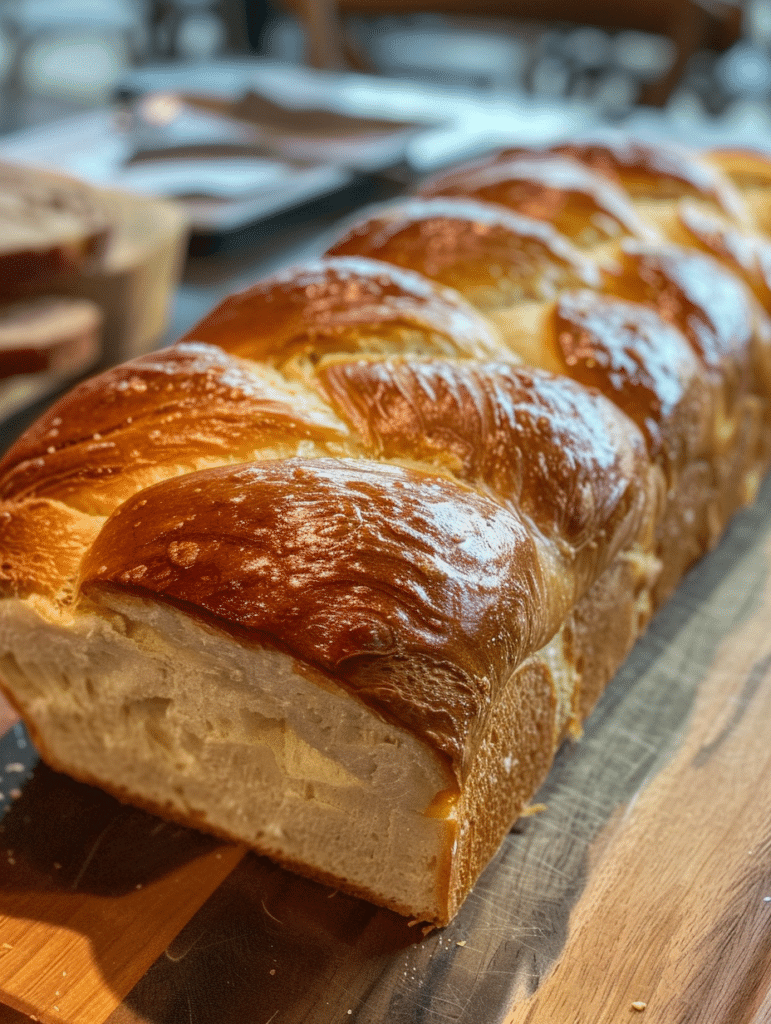
Brioche bread’s versatility shines across breakfast, lunch, and sophisticated entertaining settings. Slice the cooled brioche into thick 3/4-inch pieces and toast lightly, then top with fresh butter and your favorite preserves—apricot jam, fig preserve, or salted caramel work beautifully. The toasting process reactivates the butter, creating a crispy exterior while maintaining the soft crumb underneath.
For breakfast, serve warm brioche with whipped butter and honey, or create a French-style breakfast by pairing slices with hot chocolate, fresh berries, and crème fraîche. The brioche’s richness balances perfectly with these accompaniments. For a more substantial breakfast, hollow out the center of a whole brioche and fill with scrambled eggs and fresh herbs, then serve warm with fresh orange juice.
Brioche transforms into gourmet sandwiches when sliced horizontally. Use it for morning sandwiches with soft cheeses, cucumber slices, and fresh herbs. For lunch, brioche is ideal for elevated turkey, roasted chicken, or vegetarian options like roasted vegetables with herbed cream cheese. The bread’s tender crumb won’t compress under fillings, maintaining structural integrity through eating.
For entertaining, brioche shines as a sophisticated bread basket offering at dinner parties. Slice, warm slightly (wrapped in foil at 300°F for 10 minutes), and serve alongside soup or salad. Classic French preparations pair brioche with foie gras or soft cheeses for elegant first courses. Consider making a French bread pudding using leftover brioche, transforming day-old slices into a decadent dessert with custard and spices.
Storage and Reheating
| Storage Method | Duration | Instructions |
|---|---|---|
| Room Temperature (Airtight Container) | 2-3 days | Cool completely before storing. Place in airtight container or wrapped tightly in plastic wrap. Keep away from direct sunlight. Bread will gradually firm up but remain fresh. After 3 days, crumb becomes stale though still edible. |
| Refrigerator (Sealed Bag) | 5-7 days | Cool completely, then place in gallon-sized zip-top bag with excess air pressed out. Refrigeration slows mold growth significantly. Note: cold temperatures accelerate staling sensation, though bread remains safe. Reheat before serving. |
| Freezer (Frozen Whole) | Up to 3 months | Cool completely, wrap entire loaf tightly in plastic wrap, then place in freezer bag. Label with date. Frozen brioche maintains quality for 8-10 weeks at 0°F (-18°C). Thaw at room temperature for 4-6 hours wrapped. |
| Freezer (Sliced) | Up to 3 months | Cool completely, slice loaf into 3/4-inch thick pieces. Arrange on parchment-lined baking sheet, freeze until solid (2-3 hours), then transfer to freezer bag. Toast directly from frozen for 3-4 minutes for fastest reheating. |
| Oven Reheating (Wrapped) | Per use | Wrap brioche in aluminum foil, place on baking sheet, and warm at 300°F for 8-12 minutes until warmed through. Do not heat above 300°F or exterior will harden. This method restores moisture and warmth while preventing drying. |
| Toaster or Toaster Oven | Per use | Slice brioche into 3/4-inch thick pieces. Toast on medium setting for 2-3 minutes for light toasting, 3-4 minutes for deeper browning. Monitor first time to prevent burning. Perfect for quick breakfasts. |
Nutritional Information
Approximate values per slice (yields 16 slices per loaf):
| Nutrient | Amount per Slice |
|---|---|
| Calories | 245 |
| Total Fat | 13g |
| Saturated Fat | 7g |
| Trans Fat | 0g |
| Cholesterol | 52mg |
| Sodium | 275mg |
| Total Carbohydrate | 29g |
| Dietary Fiber | 1g |
| Total Sugars | 4g |
| Protein | 5g |
| Calcium | 68mg |
| Iron | 1.8mg |
Note: Approximate values calculated using USDA FoodData Central. Actual values vary based on specific brands and ingredients used. Values exclude optional sanding sugar.
Frequently Asked Questions
Can I substitute the butter in brioche bread with coconut oil?
Coconut oil will not produce authentic brioche because coconut oil lacks the water content that butter contributes to crumb structure and flavor. Butter is 80-82% fat and 15-17% water plus milk solids; coconut oil is 100% fat. The water in butter creates steam during baking, which helps create the tender, open crumb structure brioche requires. Additionally, coconut oil creates a different flavor profile entirely. For dietary preferences, use European-style butter with higher butterfat content rather than substituting.
How do I know when brioche bread is fully cooked inside?
Use an instant-read thermometer inserted into the center of the loaf; it should register 190-195°F (87-90°C). Visual cues like golden crust are unreliable since the egg wash creates color quickly while the interior may still be underbaked. An underbaked brioche will collapse when cooling and have a gummy center. If your thermometer shows 185°F or lower, return to the oven for 3-5 additional minutes, then check again.
What causes brioche bread to spread sideways instead of rising up?
Sideways spreading indicates the dough is too soft or has over-proofed. The gluten network loses tension when the dough rises too long before baking, causing it to expand horizontally rather than vertically. Fix this by reducing final proof time to 1.5 hours maximum or conducting the “poke test”—gently press the dough with your finger. It should spring back slowly but not completely; if it doesn’t spring back at all, it’s over-proofed. Additionally, ensure your loaf pan has adequate height (at least 3 inches) and that dough fills only 3/4 of the pan initially.
Can I make brioche dough in advance and bake it later?
Yes, brioche dough is ideal for make-ahead baking. Complete all steps through the cold fermentation (steps 1-10), which actually improves flavor. After cold fermentation, you can refrigerate the dough for up to 18 hours before shaping. Alternatively, shape the dough, place it in the loaf pan, cover it, and refrigerate for up to 12 hours. Before baking, remove the shaped dough 30 minutes prior to allow slight warming, then proceed with egg wash and baking as normal. This flexibility makes brioche perfect for planned breakfast service.
Should I use active dry yeast or instant yeast for brioche bread?
Instant yeast produces more consistent results for brioche than active dry yeast. Instant yeast particles are smaller, hydrate faster, and distribute more evenly throughout the dough, reducing the risk of yeast pockets or uneven rising. You can use active dry yeast in equal quantities, but you may notice slightly slower fermentation (add 15-20 minutes to rise times). If using rapid-rise yeast, decrease the quantity by 25% (to approximately 2 teaspoons) because it’s more concentrated.
What makes brioche bread different from regular bread recipes?
Brioche differs from standard bread because it contains significantly more butter, eggs, and milk, which create richness and tenderness rather than the open crumb of typical sandwich bread. The high fat content requires extended cold fermentation to develop flavor and prevent the dough from becoming too slack during rising. Additionally, brioche uses a higher sugar content and often includes vanilla, which contribute subtle sweetness and aroma. The result is a bread that functions as both a breakfast pastry and a sophisticated bread offering, bridging the gap between artisanal bread and viennoiserie.
Final Thoughts on Homemade Brioche Bread
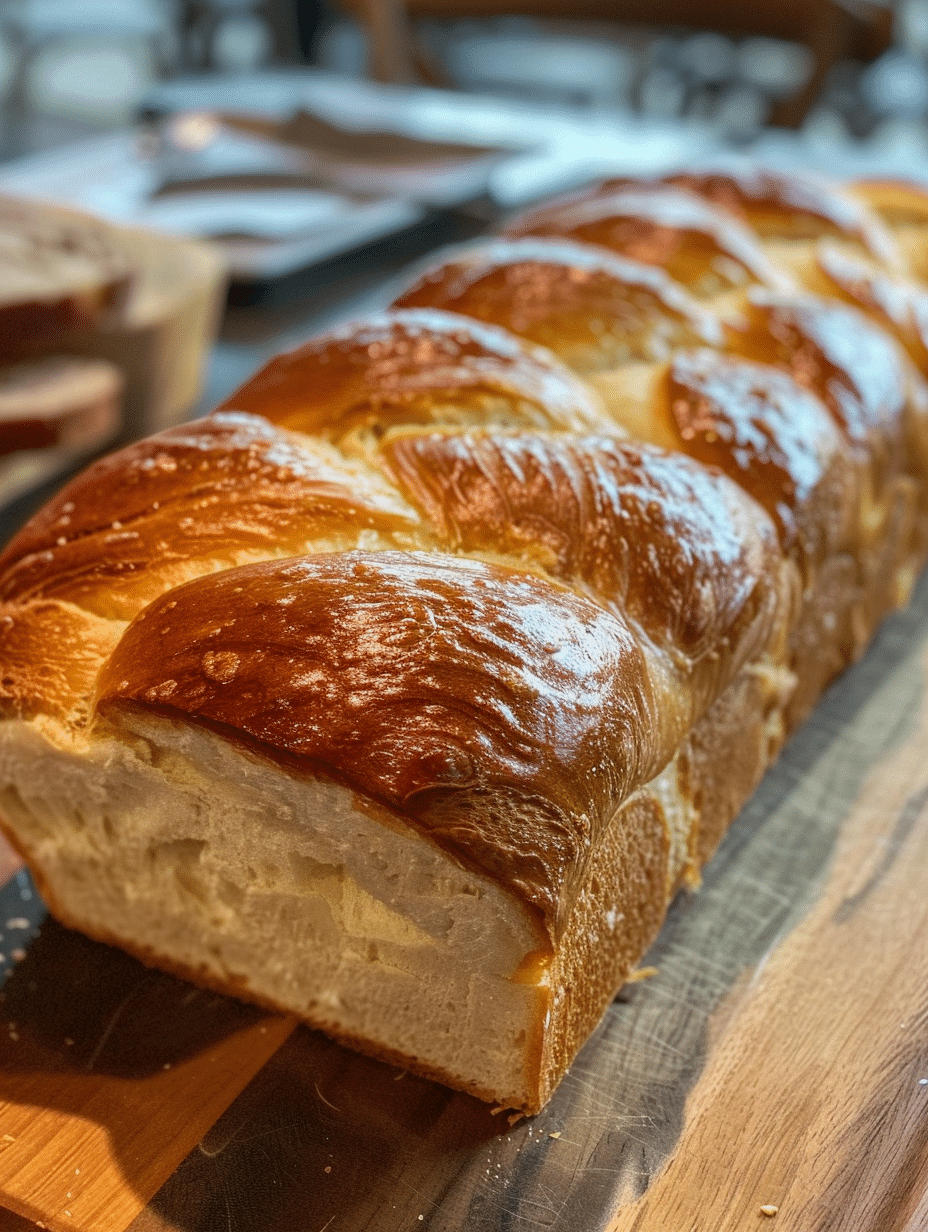
Brioche bread rewards patience with incomparable softness and buttery richness that no store-bought loaf can replicate. The overnight cold fermentation transforms simple ingredients into a golden, tender loaf that makes every breakfast feel special. Using this tested recipe and understanding the role each step plays, you’ll create bakery-quality brioche consistently. Start your baking journey today—the only thing you’ll regret is not making it sooner.
Brioche Bread: Soft, Buttery Homemade Recipe
Ingredients
- 3 1/2 cups all-purpose flour
- 1 1/2 cups (3 sticks) unsalted butter, softened
- 2 large eggs
- 1 cup whole milk
- 2 1/4 teaspoons active dry yeast
- 1/2 cup granulated sugar
- 1 teaspoon salt
- 1 teaspoon vanilla extract (optional)
Instructions
- In a large bowl, whisk together flour, sugar, salt, and yeast.
- Add softened butter and mix until a coarse crumb forms.
- Gradually stir in eggs and milk until a soft dough forms.
- Knead briefly (5-10 minutes) until smooth, then cover and let rise 1.5-2 hours at room temperature.
- Chill in the refrigerator for 8 hours or overnight.
- On a floured surface, shape dough into a loaf and place in a greased 9×5-inch loaf pan.
- Let rise again for 1.5-2 hours at room temperature.
- Preheat oven to 350°F (180°C). Bake 30-35 minutes until golden and hollow-sounding.
- Cool in the pan for 10 minutes, then transfer to a wire rack.
Notes
Use a clean, lightly oiled bowl for rising.
Brush with milk before baking for extra golden crust.