

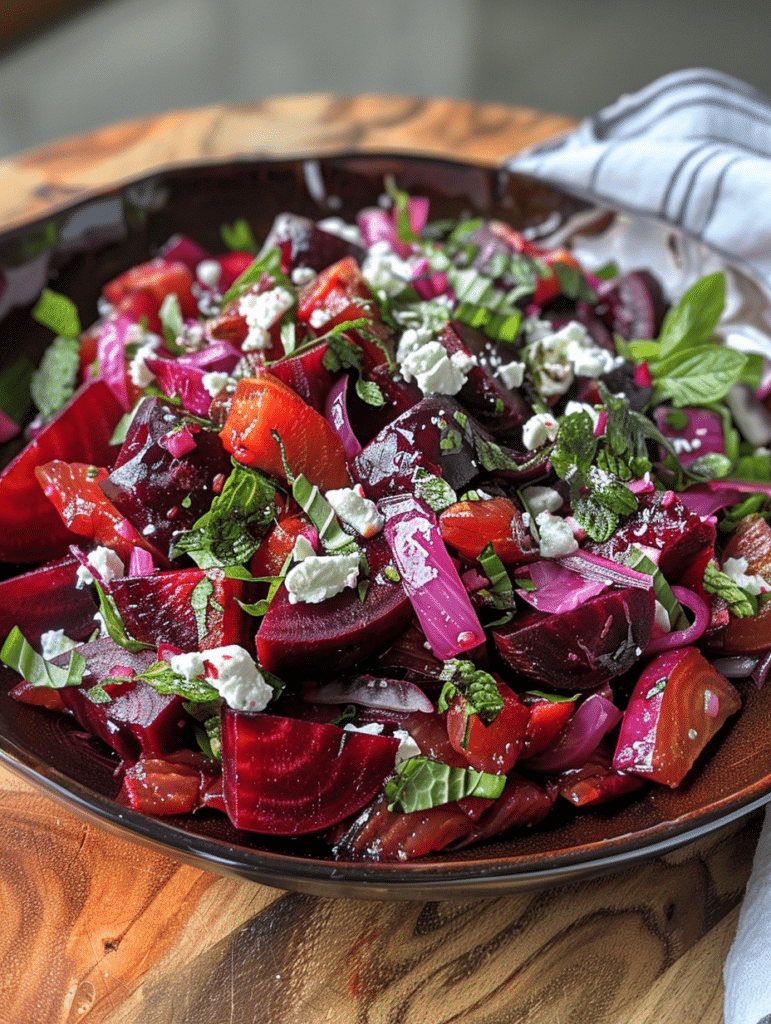
A beet salad is a vibrant, nutrient-dense side dish combining roasted or boiled beets with fresh greens, vegetables, and a tangy dressing. This earthy salad works beautifully at family dinners, potlucks, and restaurant-quality meals alike. The natural sweetness of beets balances perfectly with acidic vinaigrettes and creamy components, making beet salad a versatile choice for any occasion. I’ve prepared countless versions of this dish, and today I’m sharing the technique that delivers consistent, restaurant-quality results every single time.
My Story: How I Discovered the Magic of Beet Salad
I’m Eva Stoner, the creator of Fresh Recipes Corner, where I share simple, reliable recipes for everyday cooking. My love for cooking began in my grandmother’s kitchen, where I learned that good food doesn’t have to be complicated—it just needs care, patience, and the right techniques. Those early moments shaped how I cook today and inspired me to keep things practical and approachable.
The first time I made beet salad was during a summer visit to her farmhouse. Grandmother pulled fresh beets from her garden, their deep red roots still dusted with soil. She roasted them low and slow, explaining that patience coaxes out the natural sugars. When I tasted the final salad—warm beets on crisp greens with a sharp vinaigrette—I understood why she made it every week. That lesson stuck with me: master the fundamentals, respect your ingredients, and let their natural flavors shine through.
Through years of recipe testing and kitchen experiments, I’ve refined this beet salad technique to work for everyone, whether you’re a beginner or an experienced cook. My approach focuses on proper roasting temperature, smart ingredient combinations, and dressing timing to prevent soggy greens. This recipe represents the balance between restaurant techniques and home-kitchen practicality.
| Metric | Value |
|---|---|
| Prep Time | 15 minutes |
| Cook Time | 35 minutes |
| Total Time | 50 minutes |
| Servings | 4 servings |
| Difficulty Level | Easy |
| Cuisine | Contemporary / Eastern European |
Why This Beet Salad Recipe Works
This recipe succeeds because it respects the beet’s natural character while building complementary layers of flavor and texture. I’ve tested roasting temperatures from 350°F to 425°F, and 400°F consistently delivers the best results: tender flesh with concentrated natural sweetness and no fibrous texture. The key is wrapping beets tightly in foil to steam them gently while the oven’s heat caramelizes their exterior.
The second reason this works involves dressing timing and emulsion. I dress the warm beets immediately after roasting, allowing them to absorb the acidic dressing while still warm and slightly porous. This technique intensifies the beet’s flavor profile and prevents the common problem of underseasoned beets. The cold greens are dressed separately just before plating, keeping them crisp and preventing wilting from warm beets.
Finally, this recipe balances competing elements with precision: sweet from the beets, peppery from the greens, tangy from vinegar, creamy from goat cheese, and textural crunch from nuts or seeds. None of these elements dominates; instead, they work in concert. That harmony is what transforms a simple salad into a memorable dish worth making repeatedly.
Ingredients for Beet Salad
| Ingredient | Quantity | Notes & Alternatives |
|---|---|---|
| Fresh beets | 1.5 lbs (about 4 medium) | Choose uniform sizes for even cooking. Golden or striped varieties work; red beets stain less. Use canned beets only if unavailable; reduce cooking time to 5 minutes. |
| Mixed salad greens | 5 cups loosely packed | Arugula, spinach, or mixed greens. Substitute with kale for heartier texture or chicory for bitter contrast. |
| Extra virgin olive oil | 1/4 cup | Use best quality available. Avocado oil works for neutral flavor. |
| Balsamic vinegar | 2 tablespoons | Substitute with red wine vinegar, apple cider vinegar, or sherry vinegar for brighter acidity. |
| Dijon mustard | 1 teaspoon | Creates emulsion and adds complexity. Whole grain mustard offers texture. |
| Shallot, minced | 1 medium | Use red onion if shallots unavailable. Mince finely to prevent raw harshness. |
| Sea salt | 3/4 teaspoon | Adjust to taste. Use kosher salt; measure by weight if possible for consistency. |
| Black pepper | 1/4 teaspoon, freshly ground | Grind immediately before use for maximum flavor. |
| Crumbled goat cheese | 1/2 cup | Provides creamy tang. Substitute with feta, ricotta salata, or roasted red pepper hummus for vegan option. |
| Toasted walnuts, chopped | 1/3 cup | Toast in dry skillet 3 minutes. Substitute with pistachios, pecans, or sunflower seeds for crunch. |
| Fresh dill | 2 tablespoons, chopped | Adds bright, herbal note. Use parsley or chives if unavailable. |
Step-by-Step Instructions for Beet Salad
Roasting Phase
- Preheat your oven to 400°F and line a baking sheet with parchment paper or aluminum foil.
- Trim the greens and rootlets from beets, leaving about one inch of stem to prevent color loss and bleeding.
- Scrub each beet under cold running water with a soft brush to remove dirt, rubbing gently to avoid puncturing the skin.
- Pat beets completely dry with paper towels; moisture on the surface prevents browning and even cooking.
- Wrap each beet individually in aluminum foil, folding edges tightly to seal completely and trap steam inside.
- Place foil-wrapped beets directly on the preheated baking sheet and roast for 35 minutes for medium beets, checking at 30 minutes for smaller specimens.
- Pierce the center of one beet with a knife tip; the blade should slide through with minimal resistance when cooked perfectly.
- Remove from oven and unwrap beets carefully, as steam will release immediately; set aside on a plate to cool for 5 minutes.
Dressing and Preparation Phase
- Whisk together balsamic vinegar, Dijon mustard, and minced shallot in a small bowl for 30 seconds.
- Add sea salt and black pepper to the vinegar mixture and whisk to combine thoroughly.
- Drizzle in olive oil slowly while whisking constantly to create an emulsion; the dressing will thicken slightly and take on a glossy appearance.
- Taste the dressing and adjust acidity or salt as needed; it should coat the back of a spoon lightly.
- Once cooled enough to handle, cut each beet in half and rub the skin away under cool running water with your thumbs; the skin will slip off easily when beets are perfectly cooked.
- Cut peeled beets into half-moon slices approximately one-quarter inch thick, then halve those slices into smaller pieces for easier eating.
- Transfer warm beet pieces to a shallow bowl and pour half the vinaigrette over them, tossing gently to coat evenly; set aside for 5 minutes to allow absorption.
Assembly Phase
- Place mixed greens in a large bowl and drizzle with remaining dressing, tossing quickly and gently to coat without bruising delicate leaves.
- Divide dressed greens among four serving plates, creating an even base layer on each plate.
- Spoon warm dressed beet pieces over the greens, distributing evenly and allowing some pieces to cascade naturally for visual appeal.
- Sprinkle crumbled goat cheese over each plate, dividing the full amount equally among servings.
- Scatter toasted walnuts over the salad, ensuring every plate receives an equal portion for consistent texture.
- Garnish each plate with fresh chopped dill, adding a bright, herbal finish that complements the earthy beets and tangy cheese.
- Serve immediately while beets retain their warmth and the greens remain crisp and fresh.
Chef Tips for Perfect Beet Salad Results
- Wear kitchen gloves when handling beets. Fresh beet juice stains skin and cutting boards intensely. Latex or silicone gloves prevent this completely. If you do stain your hands, rub lemon juice and salt on the stained area, then wash thoroughly.
- Choose uniform beet sizes for even cooking. Select four medium beets roughly the same diameter so all pieces finish roasting simultaneously. Uneven sizes result in some beets overcooked and others undercooked. If forced to use varying sizes, cut larger beets in half before roasting to equalize cooking time.
- Dress warm beets immediately after roasting. Warm beets are more porous and absorb dressing flavors deeply, intensifying their taste. Cold beets resist absorption, resulting in bland, underseasoned salads. This single timing adjustment elevates the entire dish significantly.
- Toast nuts in a dry skillet for maximum crunch and flavor. Place nuts in a cold skillet over medium heat, stirring constantly for 2-3 minutes until fragrant. Pre-toasted nuts from packages lose crispness over time; freshly toasted nuts provide superior texture and depth. Store toasted nuts in an airtight container for up to five days.
- Create a proper vinaigrette emulsion by whisking oil slowly. Add oil to your vinegar mixture in a thin, steady stream while whisking vigorously. This gradual incorporation prevents separation and creates a silky, stable dressing that clings to greens and beets. A broken vinaigrette separates into layers and slides off your salad.
- Dress greens separately from beets to maintain crispness. Never combine dressed beets and greens ahead of time; the warm beets release moisture that wilts the delicate leaves within minutes. Dress greens just before plating for maximum textural contrast between crisp leaves and tender beets.
Common Mistakes to Avoid When Making Beet Salad
Mistake One: Cooking Beets Uncovered
Uncovered beets dry out quickly in the high oven heat, resulting in a fibrous, tough texture and shriveled appearance. Wrapping beets tightly in foil creates a steam environment that keeps them moist while the oven’s dry heat caramelizes the exterior, developing natural sweetness. The contrast between the gentle steam and surrounding heat produces perfectly tender beets every time. Always wrap individual beets completely, ensuring no steam escapes from gaps or loose edges.
Mistake Two: Peeling Beets While Raw or Still Hot
Attempting to peel raw beets breaks their flesh and creates an unpleasant, mealy texture. Peeling while beets are too hot burns your fingers and causes the delicate flesh to tear. The solution is timing: wait five minutes after removing beets from foil, then cool them under running water while rubbing gently with your thumbs. This intermediate temperature allows the skin to slip away effortlessly without damaging the flesh or burning your hands. Patience here prevents frustration and produces pristine beet pieces.
Mistake Three: Using Insufficiently Minced Shallots
Raw shallot pieces that are too large create harsh, astringent bursts of flavor that overpower the delicate salad balance. Mince shallots extremely finely, creating pieces smaller than a grain of rice. This small size distributes the shallot flavor evenly throughout the dressing rather than creating jarring individual pockets of intensity. A chef’s knife works better than a food processor for this task, as processing can create shallot juice that dilutes your dressing.
Mistake Four: Adding Greens and Dressing Too Early
Combining dressed greens with warm beets more than a minute or two before serving results in limp, sad salad leaves surrendered to the beet’s moisture. The warm beet pieces release steam and liquid that penetrates the delicate leaf structure, causing wilting and sogginess. Dress your greens immediately before plating, and assemble the entire salad within one minute of serving. This timing discipline preserves the salad’s structural integrity and ensures every bite contains a satisfying textural contrast.
Mistake Five: Skipping the Emulsion Step
A broken vinaigrette with separated oil and vinegar coats your salad unevenly, leaving some leaves oily and others dry and bland. Creating a proper emulsion by adding oil slowly while whisking vigorously combines the two liquids into a stable, creamy dressing that clings to every leaf. The mustard acts as a natural emulsifier, helping oil and vinegar combine. Invest thirty seconds in proper whisking technique, and your dressing will transform from mediocre to restaurant-quality.
Variations and Substitutions for Beet Salad
| Original Ingredient | Substitution | Impact on Flavor and Texture |
|---|---|---|
| Goat cheese | Feta cheese | Feta is sharper and more salty, adding Mediterranean character. Reduces creaminess slightly but increases briny complexity. |
| Balsamic vinegar | Apple cider vinegar | Apple cider vinegar is brighter and more assertive, reducing the dressing’s sweetness. Creates a more vibrant, energetic salad profile. |
| Walnuts | Pistachios | Pistachios are earthier and offer vibrant green color contrast. More delicate flavor requires lighter toasting to prevent bitterness. |
| Mixed greens | Baby spinach | Spinach is milder and more delicate, allowing beet flavor to dominate. Creates a softer textural experience with less chewing required. |
| Fresh dill | Fresh mint | Mint adds cooling, refreshing quality rather than dill’s earthy warmth. Creates lighter, summery salad suitable for warmer months. |
| Roasted beets | Raw beets, thinly shaved | Raw beets offer crisper texture and more assertive, peppery flavor. Requires mandoline slicer and more chewing effort. Best in small portions. |
| Goat cheese (dairy-free version) | Roasted red pepper hummus | Hummus provides creaminess with earthiness. Offers more protein and creates vegan-friendly salad. Slightly less tangy than dairy cheese. |
Serving Suggestions and Perfect Pairings
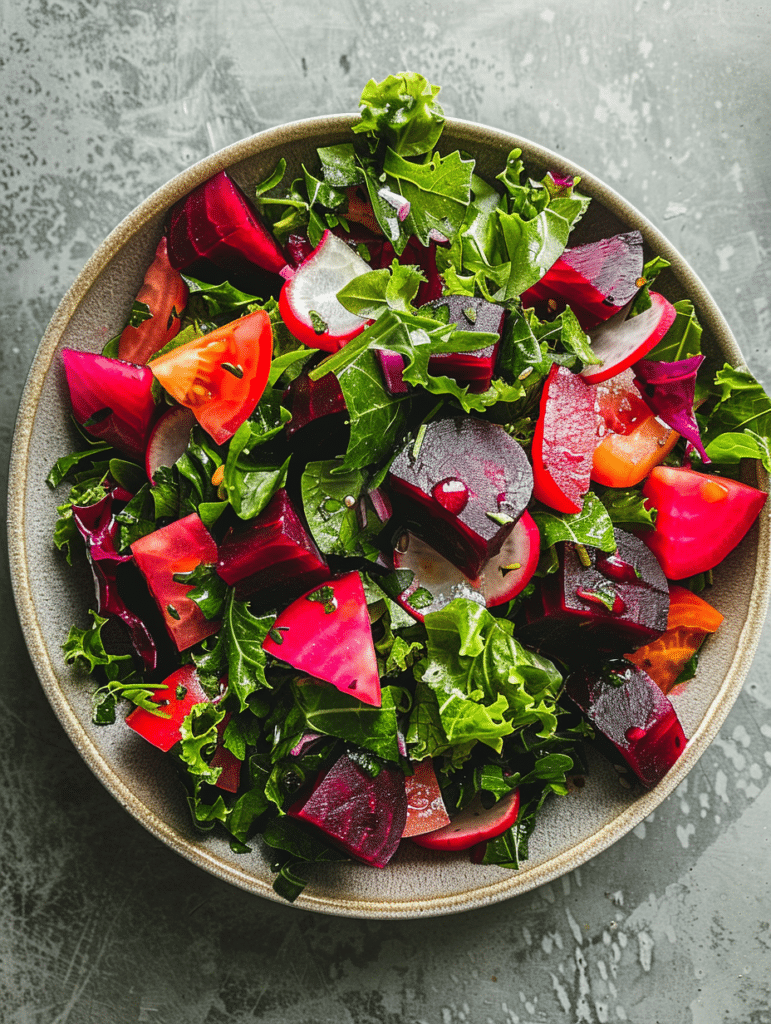
This beet salad excels as a light lunch served alongside crusty sourdough bread and a simple grilled chicken breast. The earthy beet flavors complement herb-brined poultry beautifully, while the salad’s acids help digest the protein. For dinner parties, serve beet salad as a first course before seafood mains like roasted salmon or pan-seared halibut. The salad’s richness doesn’t overwhelm delicate fish flavors; instead, it cleanses the palate and prepares diners for the main course.
For vegetarian meals, pair this salad with a creamy lentil soup or grain-based pilaf featuring wild rice and mushrooms. The salad’s acidity cuts through rich, starchy components perfectly. Mediterranean spreads benefit enormously from beet salad as part of a mezze board, served alongside hummus, falafel, and warm pita bread. The salad bridges raw and cooked elements while providing textural contrast to denser components.
During warmer months, serve beet salad at picnics and outdoor gatherings as a make-ahead component that actually improves when prepared a few hours in advance. Pack beets and greens separately, transporting dressing in a sealed container, then assemble on-site for maximum freshness. This advance preparation makes beet salad an ideal dish for entertaining, reducing day-of stress while maintaining restaurant-quality presentation.
Storage and Reheating Guide for Beet Salad
| Storage Method | Duration | Instructions |
|---|---|---|
| Roasted beets (dressed) | Up to 4 days refrigerated | Store in an airtight glass container with dressing. Beets actually improve as flavors meld. The dressing may separate; whisk briefly before serving. |
| Raw greens | Up to 3 days refrigerated | Store unwashed and undressed in a sealed container with a paper towel to absorb excess moisture. Pat dry just before use to prevent wilting. |
| Assembled salad | Best consumed immediately | Never store assembled salad; greens will wilt from beet moisture within 30 minutes. Assemble only immediately before eating for optimal crispness. |
| Vinaigrette dressing | Up to 1 week refrigerated | Store in a sealed jar. Dressing will separate as it cools; shake vigorously for 10 seconds before each use to re-emulsify. If oil solidifies, bring to room temperature before using. |
| Toasted walnuts | Up to 5 days at room temperature | Store in an airtight container away from light and heat. Exposure to air causes nuts to become rancid and lose crunch. If nuts soften, re-toast briefly in a dry skillet before serving. |
| Goat cheese | Until package expiration date | Store unopened packages according to package directions. Once opened, keep in a sealed container and use within 3 days. If cheese develops mold, discard entirely. |
Nutritional Information for Beet Salad
Approximate values per serving (based on 4 servings). Nutritional content varies with specific ingredient brands and precise portion sizes.
| Nutrient | Amount per Serving |
|---|---|
| Calories | 280 |
| Protein | 8.5g |
| Total Fat | 18g |
| Saturated Fat | 4.5g |
| Carbohydrates | 21g |
| Dietary Fiber | 4.2g |
| Sugar | 14g |
| Sodium | 480mg |
| Vitamin A | 380 IU |
| Vitamin C | 12mg |
| Iron | 1.4mg |
| Calcium | 95mg |
Frequently Asked Questions About Beet Salad
Can I use canned beets instead of fresh beets?
Canned beets work in a pinch but deliver inferior texture and flavor compared to roasted fresh beets. Canned beets are already soft and slightly mushy from the commercial cooking process, lacking the caramelized sweetness that roasting develops. If you must use canned beets, drain them thoroughly, pat completely dry, and toss immediately with warm dressing to soften their firm, watery texture. Fresh beets require slightly more effort but transform the entire salad’s quality dramatically.
How do I know when my roasted beets are perfectly cooked?
Pierce the thickest beet with a knife tip; the blade should slide through with almost no resistance, similar to piercing ripe avocado. If the knife meets significant resistance, beets need 5 more minutes of roasting. Overcooked beets become mushy and lose their firm structure, while undercooked beets remain fibrous and difficult to peel. The perfect beet has completely tender flesh that maintains its shape when cut and sliced.
What temperature should beets be when I dress them?
Dress beets while they’re still warm to the touch but cool enough to handle comfortably with bare hands, roughly 5 minutes after removing them from the oven. At this temperature, beets’ cell walls are slightly open and porous, allowing them to absorb dressing flavors deeply. Cold beets resist dressing absorption, resulting in bland, underseasoned salads. The warm dressing also penetrates more effectively than cold vinaigrette, creating maximum flavor impact.
Can I make this beet salad recipe ahead of time?
Prepare roasted dressed beets up to four days ahead, storing them in an airtight container in the refrigerator. Make dressing up to one week in advance. Prepare nuts and greens separately the day of service. Never combine greens with beets more than one minute before serving; the greens will wilt from beet moisture and become unappetizing. This component-based approach allows advance preparation while maintaining final-product quality.
Can I substitute the goat cheese with a different cheese?
Feta cheese offers similar tang with sharper saltiness, excellent for those preferring Mediterranean flavors. Ricotta salata provides creamier texture with less pungency. For vegan diets, cashew cream or silken tofu provide creamy contrast without dairy. Each substitution shifts the salad’s flavor profile; experiment to discover your personal preference. The key is choosing a cheese that provides some tang and creaminess to balance the beet’s earthiness and walnut’s richness.
How should I dress a beet salad for different occasions?
For casual weeknight dinners, keep the dressing simple with basic balsamic vinaigrette. For formal dinner parties or restaurant-style presentations, add fresh herbs like dill and consider a more complex dressing incorporating Dijon mustard and shallots. For picnics and gatherings, prepare dressing separately and combine just before serving to prevent greens from wilting during transport. The dressing technique remains consistent; variations involve ingredient selection and assembly timing based on your specific occasion and audience.
Conclusion: Mastering the Perfect Beet Salad
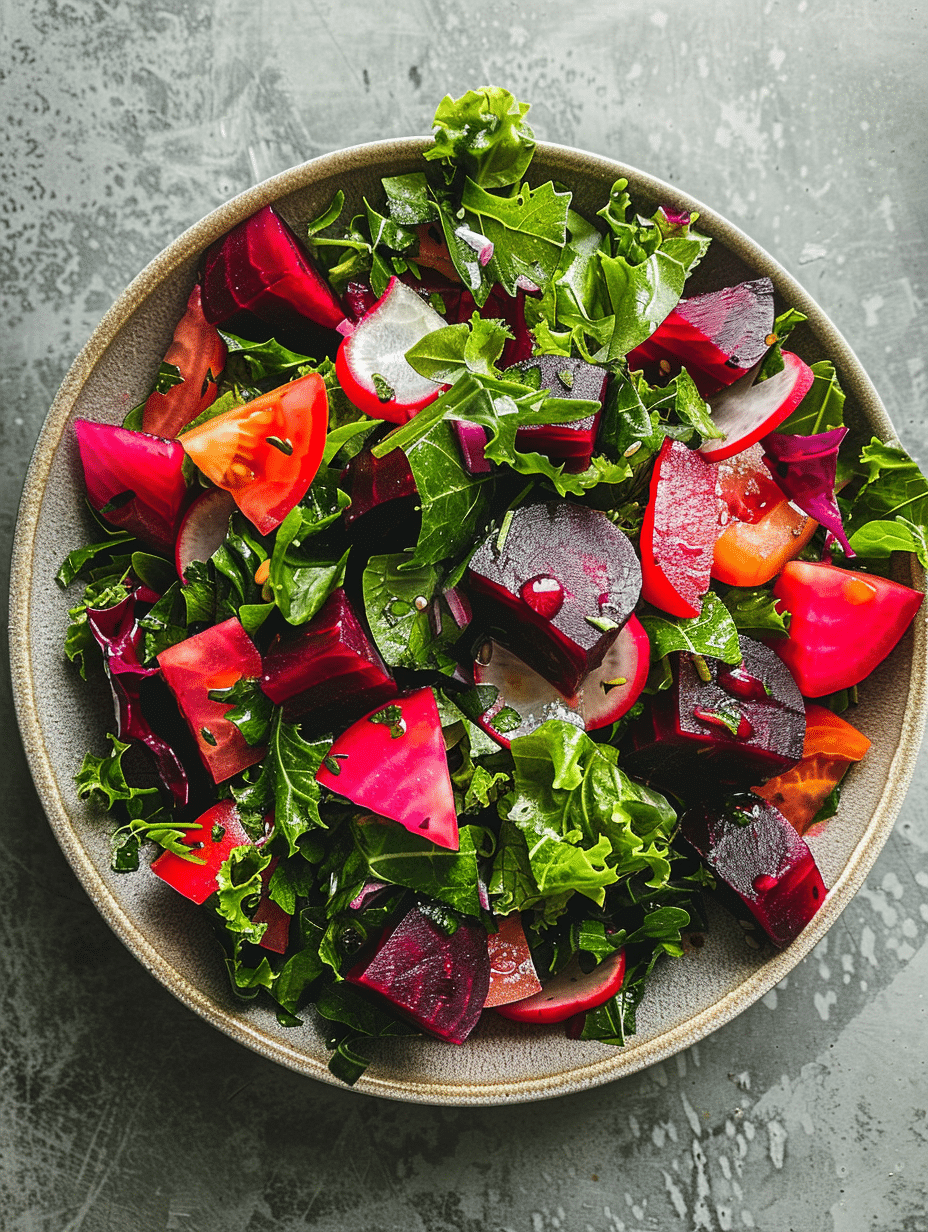
A perfect beet salad starts with respect for your ingredients and proper technique throughout. From wrapping beets for steam-roasting through careful dressing timing, each step builds toward a balanced final dish. This beet salad recipe delivers consistent, restaurant-quality results because it follows fundamental cooking principles: even heat, proper seasoning, and textural contrast. Make this salad regularly, and you’ll develop intuition about timing and seasoning adjustments. That kitchen confidence transforms simple beet salad from occasional side dish into a signature recipe you return to season after season, delighting everyone who tastes its earthy, vibrant character.
About the Author: Eva Stoner is the founder of Fresh Recipes Corner, where she shares accessible, reliable recipes for home cooks. Her approach emphasizes fundamental techniques, quality ingredients, and real-world kitchen solutions. When she’s not developing recipes, Eva teaches cooking classes and hosts intimate dinner parties celebrating seasonal produce and slow, intentional cooking practices.
Beet Salad
Equipment
- baking sheet
- aluminum foil
- large mixing bowl
- small mixing bowl
- whisk
- chef’s knife
- cutting board
Ingredients
- 1.5 lb fresh beets
- 5 cups mixed salad greens
- 1/4 cup extra virgin olive oil
- 2 tbsp balsamic vinegar
- 1 tsp Dijon mustard
- 1 medium shallot, minced
- 3/4 tsp sea salt
- 1/4 tsp black pepper, freshly ground
- 1/2 cup crumbled goat cheese
- 1/3 cup toasted walnuts, chopped
- 2 tbsp fresh dill, chopped
Instructions
- Preheat the oven to 400°F and line a baking sheet with parchment paper or foil.
- Trim the greens and root ends from the beets, leaving about 1 inch of stem attached.
- Scrub the beets thoroughly under cold running water and pat completely dry.
- Wrap each beet individually in aluminum foil, sealing tightly.
- Place wrapped beets on the baking sheet and roast for approximately 35 minutes.
- Check doneness by piercing with a knife; it should slide in easily.
- Remove from the oven, carefully unwrap, and cool for 5 minutes.
- Whisk together balsamic vinegar, Dijon mustard, minced shallot, sea salt, and black pepper in a small bowl.
- Slowly drizzle in the olive oil while whisking continuously until emulsified.
- Peel the cooled beets by rubbing off the skins under cool running water.
- Cut the beets into half-moon slices approximately 1/4 inch thick.
- Place warm beet slices in a bowl and toss with half of the vinaigrette.
- Allow the beets to sit for 5 minutes to absorb the dressing.
- Place the mixed greens in a large bowl and toss with the remaining vinaigrette.
- Divide the greens evenly among four serving plates.
- Arrange the dressed beet slices over the greens.
- Sprinkle the goat cheese evenly over each salad.
- Scatter toasted walnuts across the salads.
- Garnish with chopped fresh dill.
- Serve immediately while the beets are slightly warm and the greens remain crisp.