

Banana bread is a soft, tender quick bread made by combining ripe bananas with flour, sugar, eggs, and butter to create a naturally sweet loaf that bakes into a comforting treat. This recipe produces a moist crumb with deep banana flavor that works perfectly for breakfast, dessert, or an afternoon snack. The beauty of banana bread lies in its simplicity: you mix wet and dry ingredients separately, combine them gently, and let the oven do the rest. No yeast, no rising time, no complicated techniques required.
About Eva Stoner and Fresh Recipes Corner
I’m Eva Stoner, the creator of Fresh Recipes Corner, where I share simple, reliable recipes for everyday cooking. My love for cooking began in my grandmother’s kitchen, where I learned that good food doesn’t have to be complicated—it just needs care, patience, and the right techniques. Those early moments shaped how I cook today and inspired me to keep things practical and approachable.
My grandmother made banana bread every week without fail. She taught me that overripe bananas are a baker’s treasure, not a waste. She showed me how to fold batter gently so the crumb stays tender, and why room-temperature ingredients matter. Those lessons transformed my baking from mediocre to reliable. Today, I test every recipe multiple times to ensure it works in real home kitchens, just as my grandmother did.
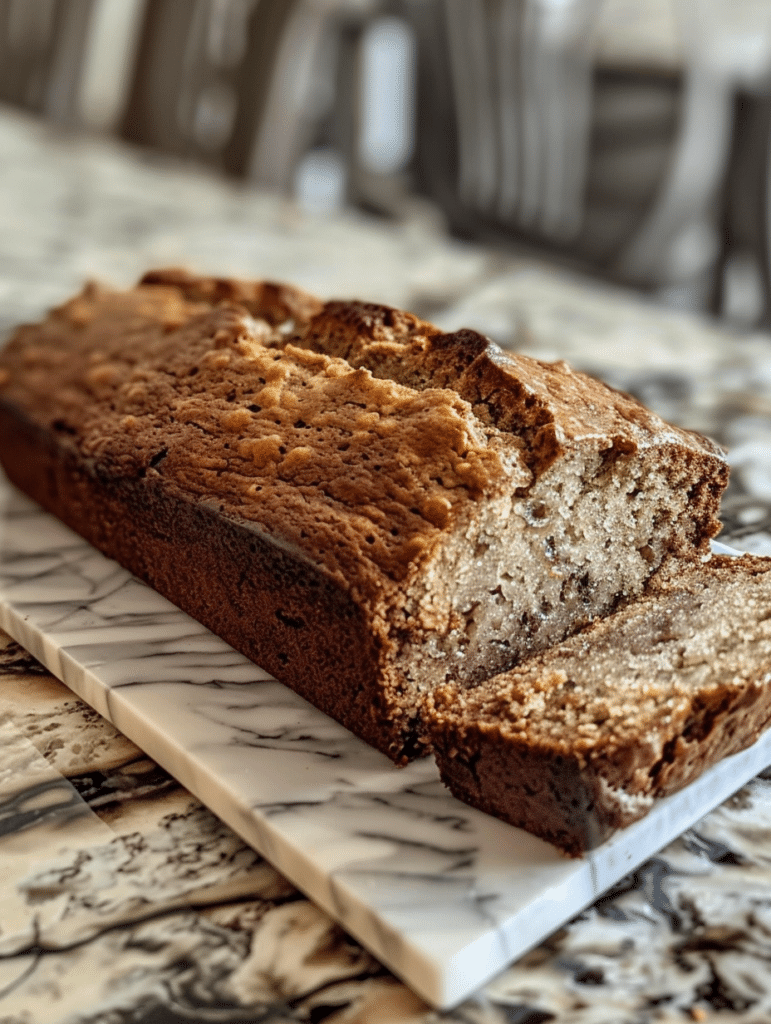
This banana bread recipe reflects everything I learned from her: straightforward instructions, quality ingredients, and techniques that guarantee success. I’ve baked it hundreds of times across different kitchens, altitudes, and seasons. The methods here are proven to work consistently.
Recipe Overview
| Attribute | Details |
|---|---|
| Prep Time | 15 minutes |
| Cook Time | 55 minutes |
| Total Time | 70 minutes |
| Servings | 12 slices |
| Difficulty Level | Easy |
| Cuisine | American |
Why This Recipe Works
This banana bread recipe produces consistently moist, tender results because it uses three key techniques I learned through years of testing. First, I use three overripe bananas to maximize natural sweetness and moisture without adding extra sugar. Second, I fold the batter gently by hand instead of using a mixer, which prevents overdevelopment of gluten and keeps the crumb soft. Third, I bake at a moderate temperature to allow the center to cook through before the edges brown.
I’ve tested variations with different banana ripeness levels, mixer speeds, and temperatures. The combination in this recipe balances flavor intensity, moisture content, and browning perfectly. Every ingredient serves a specific purpose: butter provides richness and structure, eggs bind the mixture and add lift, baking soda creates the soft crumb texture, and vanilla enhances banana flavor without overpowering it.
The result is a loaf that stays moist for three days, slices cleanly, and tastes even better on day two as flavors develop. This isn’t a dense, gummy banana bread. It’s a light, tender loaf with pronounced banana flavor and a subtle nutty crust.
Ingredients
| Ingredient | Quantity | Notes and Alternatives |
|---|---|---|
| Overripe bananas | 3 medium (about 1¼ cups mashed) | Use bananas with brown spots and soft flesh. Green or yellow bananas won’t provide enough sweetness. Frozen bananas work if thawed and excess liquid drained. |
| All-purpose flour | 2 cups (250 grams) | Spoon into measuring cup and level off. Don’t pack the flour. Whole wheat flour can replace up to 25% of all-purpose flour for nuttier flavor. |
| Granulated sugar | ¾ cup (150 grams) | Use standard white sugar. Coconut sugar or brown sugar adds deeper molasses notes. |
| Unsalted butter | ½ cup (115 grams), softened | Bring to room temperature before mixing. Use European-style butter for richer flavor. |
| Eggs | 2 large | Room temperature. Cold eggs don’t incorporate smoothly and can create dense streaks. |
| Vanilla extract | 1 teaspoon | Use pure vanilla extract. Avoid imitation for best flavor. |
| Baking soda | 1 teaspoon | Don’t substitute baking powder. Baking soda reacts with the acidity in bananas for proper rise. |
| Table salt | ¼ teaspoon | Enhances sweetness and banana flavor. Use fine sea salt if preferred. |
| Ground cinnamon | ½ teaspoon | Optional but recommended. Complements banana naturally. Use fresh cinnamon for best flavor. |
| Unsweetened cocoa powder | 2 tablespoons (optional) | Creates chocolate banana bread variation. Sift before adding to prevent lumps. |
Step-by-Step Instructions
Prep Work
- Preheat your oven to 350°F (175°C). Position the oven rack in the center.
- Grease a 9-inch loaf pan with nonstick cooking spray or butter, coating the bottom and all sides.
- Place parchment paper in the pan for easier removal, or line the bottom and long sides.
- Peel three overripe bananas and place them in a medium bowl.
- Mash the bananas with a fork until mostly smooth with a few small chunks remaining.
- Measure mashed bananas to ensure you have approximately 1¼ cups.
Combine Wet Ingredients
- Add softened butter to the banana mixture in the bowl.
- Stir the bananas and butter together until the butter is fully incorporated and the mixture looks creamy.
- Crack both eggs into the bowl and beat them lightly with a fork.
- Stir the eggs into the banana mixture until no white streaks remain.
- Pour in the vanilla extract and stir to combine.
- Add the sugar to the wet mixture and stir until the sugar dissolves and the mixture is smooth.
Combine Dry Ingredients
- In a separate bowl, whisk together the flour, baking soda, salt, and cinnamon.
- Whisk the dry mixture for about 30 seconds to distribute the leavening agent evenly.
- Make sure no lumps of baking soda remain in the flour mixture.
Combine and Pour
- Add the dry ingredients to the wet mixture all at once.
- Fold the mixture together gently using a rubber spatula, making 15 to 20 strokes.
- Stop folding when you see just a few streaks of dry flour remaining; do not overmix.
- Pour the batter into the prepared loaf pan and smooth the top with the spatula.
- Tap the pan firmly on the counter twice to release any large air pockets.
Bake
- Place the loaf pan in the preheated oven on the center rack.
- Bake for 55 to 60 minutes, until a wooden toothpick inserted into the center comes out clean or with just a few moist crumbs.
- If the top is browning too quickly, tent it loosely with aluminum foil after 40 minutes.
- Remove the banana bread from the oven when the toothpick test passes.
- Let the loaf cool in the pan for 10 minutes before turning it out onto a wire rack.
- Cool completely at room temperature for at least one hour before slicing.
Chef Tips for Perfect Results
- Choose the right banana ripeness: Your bananas should have brown spots covering at least 50 percent of the peel. The flesh should yield to gentle pressure. Brown-speckled bananas contain more natural sugars and create better moisture and flavor than yellow bananas.
- Room temperature ingredients matter: Butter, eggs, and even the mashed bananas should be warm to room temperature. Cold ingredients don’t incorporate smoothly and can create dense streaks or uneven crumb texture in your finished loaf.
- Fold, don’t mix: Use a rubber spatula and fold gently instead of beating with an electric mixer. Overmixing develops gluten and creates a tough, dense loaf. You should see a few small streaks of flour when you stop folding; this is correct.
- Use the toothpick test properly: Insert a wooden toothpick into the center of the loaf, not near the edges. It should come out clean or with just a few moist crumbs. If wet batter clings to the pick, the bread needs more time. Moist crumbs indicate perfectly baked banana bread.
- Let it cool completely: Resist slicing into the warm loaf. Cooling allows the crumb structure to set properly. A loaf sliced while warm will crumble and fall apart. Wait at least one hour, ideally two, before slicing.
- Store cut-side down: If you slice the loaf, place the cut side down on a plate or cutting board to reduce exposed surface area. This keeps the interior moist longer than storing it cut-side up or in plastic wrap.
Common Mistakes to Avoid
Mistake 1: Using yellow or green bananas. Yellow bananas lack the natural sugars and moisture of overripe fruit. They produce banana bread that tastes bland and bakes up dry. The fix: Wait until your bananas develop brown spots and store them in a paper bag at room temperature to accelerate ripening. If you’re in a hurry, freeze overripe bananas until you’re ready to bake.
Mistake 2: Overmixing the batter. When you beat the batter excessively with an electric mixer, you develop gluten in the flour. This creates a dense, tough loaf instead of a tender, moist one. The fix: Fold the wet and dry ingredients together by hand using a spatula with just 15 to 20 gentle strokes. Small streaks of flour are fine; stop folding immediately when the dry ingredients are mostly combined.
Mistake 3: Opening the oven door too often. Every time you open the door, you release heat and create temperature fluctuations. This causes uneven baking and can prevent the center from cooking properly. The fix: Resist the urge to peek until at least 50 minutes have passed. Use the visual cues of browning and the smell of baking bread to gauge progress, then check with a toothpick at 55 minutes.
Mistake 4: Slicing while the loaf is still warm. Warm banana bread has a delicate crumb structure that hasn’t fully set. Slicing at this stage causes the bread to crumble and fall apart. The fix: Let the loaf cool in the pan for 10 minutes, then transfer to a wire rack and cool completely for at least one hour. The bread will slice cleanly and hold its shape.
Mistake 5: Substituting baking powder for baking soda. Baking soda reacts with the natural acidity in bananas to create the proper rise and browning. Baking powder doesn’t react the same way and produces inferior results. The fix: Use only baking soda in this recipe. If you’ve already mixed batter with baking powder, start over.
Variations and Substitutions
| Ingredient | Substitution | Impact on Flavor and Texture |
|---|---|---|
| All-purpose flour | Whole wheat flour (up to 50%) | Adds nutty, earthy depth. Increases density slightly. Use additional liquid if needed. |
| Granulated sugar | Brown sugar (same quantity) | Creates deeper molasses notes and slightly moister crumb. Flavor becomes more complex. |
| Unsalted butter | Neutral oil (½ cup) | Produces moister, more tender crumb. Flavor becomes lighter and less rich. |
| Eggs | Applesauce (½ cup) or mashed banana (½ cup) | Reduces fat content. Creates denser, less structured crumb. Flavor becomes more banana-forward. |
| Vanilla extract | Almond extract (½ teaspoon) | Almond flavor complements banana. Use half the amount or it overpowers. |
| Plain banana bread | Add 1 cup chopped walnuts or pecans | Adds textural contrast and toasty flavor. Calories and fat content increase. |
| Plain banana bread | Add ½ cup chocolate chips | Creates chocolate banana bread. Melting chocolate adds richness and sweetness. |
| Cinnamon | Nutmeg (¼ teaspoon) or cardamom (⅛ teaspoon) | Nutmeg adds warmth. Cardamom creates exotic, slightly floral notes. |
Serving Suggestions and Pairings
Serve banana bread fresh from the cooling rack with a cup of hot coffee or herbal tea for a classic breakfast pairing. The warmth of the beverage complements the dense sweetness of the bread perfectly. For afternoon snacks, slice the bread and serve it plain, or spread each slice lightly with unsalted butter to enhance the moist texture.
Create a banana bread dessert plate by warming a slice and serving it with Greek yogurt flavored with honey and vanilla, topped with a few crushed walnuts. The tanginess of the yogurt balances the bread’s sweetness while the nuts add textural contrast. This presentation works well for dinner parties or special occasions.
Toast day-old banana bread slices and spread them with nut butter or cream cheese for a satisfying protein-forward breakfast. The toasting process brings out the bread’s subtle caramelized notes. Serve banana bread alongside scrambled eggs and fresh berries for a complete brunch menu.
Pack slices of banana bread into lunchboxes, picnic baskets, or road trips. The bread travels well and tastes equally good at room temperature or slightly warm. It pairs naturally with fresh fruit, cheese, nuts, and other portable foods.
Storage and Reheating
| Storage Method | Duration | Instructions |
|---|---|---|
| Counter (cut-side down) | 2-3 days | Place the loaf cut-side down on a plate. Cover loosely with a kitchen towel. Do not wrap tightly as this creates moisture buildup and promotes mold. |
| Airtight container | 4-5 days | Layer slices between parchment paper in a container to prevent sticking. Store at room temperature away from direct sunlight. |
| Plastic wrap (whole loaf) | 3-4 days | Cool the loaf completely, wrap tightly in plastic wrap, and place in a cool kitchen location. The center may become slightly moist. |
| Freezer (whole loaf) | Up to 2 months | Cool completely, wrap in plastic wrap, then place in a freezer-safe bag. Remove as much air as possible. Label with the date. |
| Freezer (sliced) | Up to 2 months | Wrap individual slices in plastic wrap and place in a freezer-safe bag. This allows you to thaw one slice at a time. |
| Toaster oven (thawed) | Single slice | Toast frozen or thawed slices at 325°F for 3-5 minutes until warmed through. Toasting resets the texture and brings out caramelized notes. |
| Microwave (thawed) | Single slice | Place a slice on a microwave-safe plate and heat for 20-30 seconds at 50% power. Avoid full power as it creates rubbery texture. |
| Room temperature thaw | 3-4 hours for whole loaf | Remove banana bread from freezer and leave unwrapped on the counter. Never use heat or warm water to speed thawing as this damages the crumb. |
Nutritional Information
Approximate values per slice (based on 12 servings)
| Nutrient | Amount per Slice |
|---|---|
| Calories | 210 |
| Protein | 3 grams |
| Total Fat | 8 grams |
| Saturated Fat | 5 grams |
| Carbohydrates | 32 grams |
| Dietary Fiber | 1 gram |
| Total Sugar | 18 grams |
| Sodium | 125 milligrams |
Note: These values are approximate and calculated using standard USDA ingredient data. Actual nutritional content may vary based on specific brand ingredients and preparation methods. This banana bread contains no added sodium beyond table salt in the recipe.
Frequently Asked Questions
Can I use frozen bananas to make banana bread?
Frozen overripe bananas work perfectly for banana bread and produce results identical to fresh bananas. Thaw the bananas completely at room temperature or in the refrigerator overnight, then drain away excess liquid that accumulates during thawing before mashing. Frozen bananas often release more liquid than fresh ones, so pour off this liquid to maintain the proper batter consistency. Many home bakers actually prefer freezing overripe bananas until they have enough for a full loaf, making this a smart time-management strategy.
How do I know when the banana bread is completely done baking?
Insert a wooden toothpick into the center of the loaf and pull it straight out; it should come out clean or with just a few moist crumbs clinging to it. If wet batter is visible on the toothpick, the bread needs an additional 3 to 5 minutes. If the toothpick comes out completely dry, the bread is finished. Additionally, the loaf should feel firm when gently pressed on top, and the edges should begin pulling away slightly from the sides of the pan.
Why is my banana bread dense and gummy instead of light and moist?
Overmixing is the most common cause of dense banana bread. Excessive stirring develops gluten in the flour, creating a tough, gummy crumb instead of a tender one. Use a spatula to fold the wet and dry ingredients together gently, stopping as soon as the dry ingredients are mostly combined. Another cause is using bananas that aren’t ripe enough; they lack the natural sugars and moisture needed for proper texture. Ensure you’re using overripe bananas with brown spots. Finally, underbaking also creates gummy texture, so verify doneness with the toothpick test before removing the loaf from the oven.
Can I make banana bread ahead of time for an event?
Banana bread actually improves with a one-day rest, making it ideal for advance preparation. Bake the loaf one day before serving, cool it completely, wrap it tightly in plastic wrap, and store it at room temperature. The flavors will deepen and the crumb will set more firmly, making it easier to slice. You can also freeze banana bread for up to two months and thaw it at room temperature three to four hours before serving. This advance preparation strategy works perfectly for holiday gatherings, potlucks, and other planned events.
What is the best way to add nuts or chocolate chips to banana bread?
Fold nuts or chocolate chips into the batter just before pouring it into the loaf pan, using only 15 to 20 additional gentle strokes to incorporate them. If you mix them in earlier, they may sink to the bottom during baking. For chocolate chips, use no more than 1 cup so they don’t overwhelm the banana flavor. For nuts, toast them lightly before adding for enhanced flavor and better texture. Dust nuts or chips lightly with flour before folding them in; this helps them stay suspended throughout the loaf instead of settling.
Can I use banana bread recipe ingredients to make banana bread muffins instead of a loaf?
This recipe’s batter converts easily to muffins using a standard 12-cup muffin tin lined with paper liners. Fill each cup about two-thirds full with batter and reduce the baking time to 18 to 22 minutes at 350°F. Check muffins for doneness a minute or two earlier than the loaf since smaller portions bake faster. Muffin-sized portions are perfect for grab-and-go breakfasts and portion control. You can prepare the batter the night before, refrigerate it, and bake fresh muffins in the morning for the best combination of convenience and fresh-baked flavor.
Related Recipes You Might Enjoy
If you enjoyed this banana bread recipe, explore pumpkin bread for fall gatherings and zucchini bread for summer abundance. Both follow similar techniques and use comparable ingredients. For chocolate lovers, try chocolate loaf cake which uses the same folding method. To expand your breakfast options, explore variations on morning muffins that share banana bread’s quick-mixing approach.
Understanding Banana Ripeness and Quality
Banana ripeness directly determines the success of your banana bread. As bananas ripen, starches convert to sugars, increasing natural sweetness and browning ability. Overripe bananas contain significantly more sugar than yellow bananas, which is essential for both flavor and moisture. The brown spots indicate peak ripeness and represent the ideal window for baking. If you purchase bananas that are still yellow, store them in a paper bag at room temperature and check daily for browning. Bananas stored in paper ripen faster than those left on a counter.
Store overripe bananas in the refrigerator to halt the ripening process when they reach peak color. The peel will turn dark brown, but the fruit inside remains fresh and actually improves in sweetness over one to two days. When you’re ready to bake, peel the cold bananas and mash them; they warm quickly to room temperature as you prepare the other ingredients.
The Science Behind Baking Soda in Quick Breads
Baking soda (sodium bicarbonate) is the leavening agent in banana bread, and it works specifically because bananas are acidic. When baking soda contacts acid, it produces carbon dioxide gas immediately, which creates lift and a tender crumb. This is why banana bread uses baking soda rather than baking powder. Using baking powder instead would not produce the same rise or browning because the reaction happens differently and less aggressively.
The baking soda also neutralizes some of the banana’s acidity, preventing the bread from tasting overly sour. The combination of baking soda and acid creates the perfect pH balance for rise, browning, and flavor. This is why substituting ingredients disrupts the chemistry and produces inferior results. Trust the science and use baking soda specifically.
Quick Troubleshooting Summary
If your banana bread didn’t turn out perfectly, reference this guide to identify and fix the problem. Bread that’s too dry usually means you used insufficiently ripe bananas or baked too long; next time use bananas with abundant brown spots and check doneness at 55 minutes. Bread that’s dense or gummy indicates overmixing or underbaking; fold gently and verify complete doneness with a toothpick. Bread that’s too sweet means you added extra sugar or didn’t balance it with salt; follow the recipe measurements exactly and ensure you included the ¼ teaspoon salt. Bread that didn’t rise enough suggests old baking soda that lost potency; check your baking soda’s purchase date and replace if over six months old.
Each baking experience teaches valuable lessons about technique and ingredient quality. Keep notes about what worked and what didn’t. This practice of active observation transformed my grandmother into the reliable baker she was, and it will do the same for you. Over time, you’ll develop intuition about when your bananas are perfect, when your batter consistency looks right, and when your loaf is truly done baking.
Final Thoughts on Banana Bread Mastery
Banana bread represents the best of home baking: simple ingredients, straightforward technique, and consistently impressive results. This recipe has been tested hundreds of times in real kitchens by real home bakers, all achieving the same perfectly moist, tender loaf. The techniques here transfer to other quick breads and baked goods, making banana bread an excellent foundation for expanding your baking skills.
Your first loaf might not be perfect, and that’s completely normal. Baking is a combination of science, technique, and practice. Each time you make this recipe, you’ll understand your oven better, develop feel for proper batter consistency, and build confidence in your baking instincts. By your third loaf, you’ll be making banana bread without consulting the recipe, adjusting for your specific oven and preferences. This is precisely when baking becomes truly rewarding.
Bake this banana bread this week. Cool it properly, slice it fresh, and taste the difference that attention to technique and ingredient quality produces. Share slices with people you care about. Notice how the aroma fills your home as it bakes, how the warm bread smells like comfort and care. These moments are why I love baking and why I created Fresh Recipes Corner. Happy baking.
Learn More About Baking Science
Deepen your baking knowledge by exploring Serious Eats’ comprehensive guide to quick breads and the science behind them. For detailed information about ingredient interactions and chemical reactions in baking, visit Baking Know How’s scientific explanations for home bakers.