

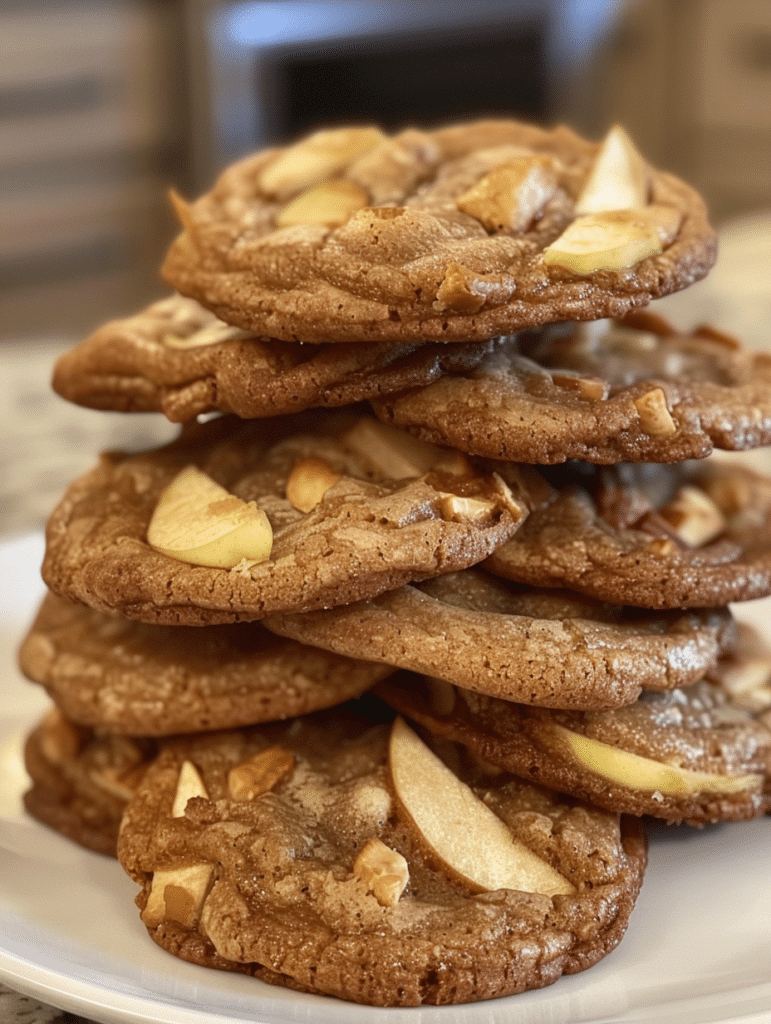
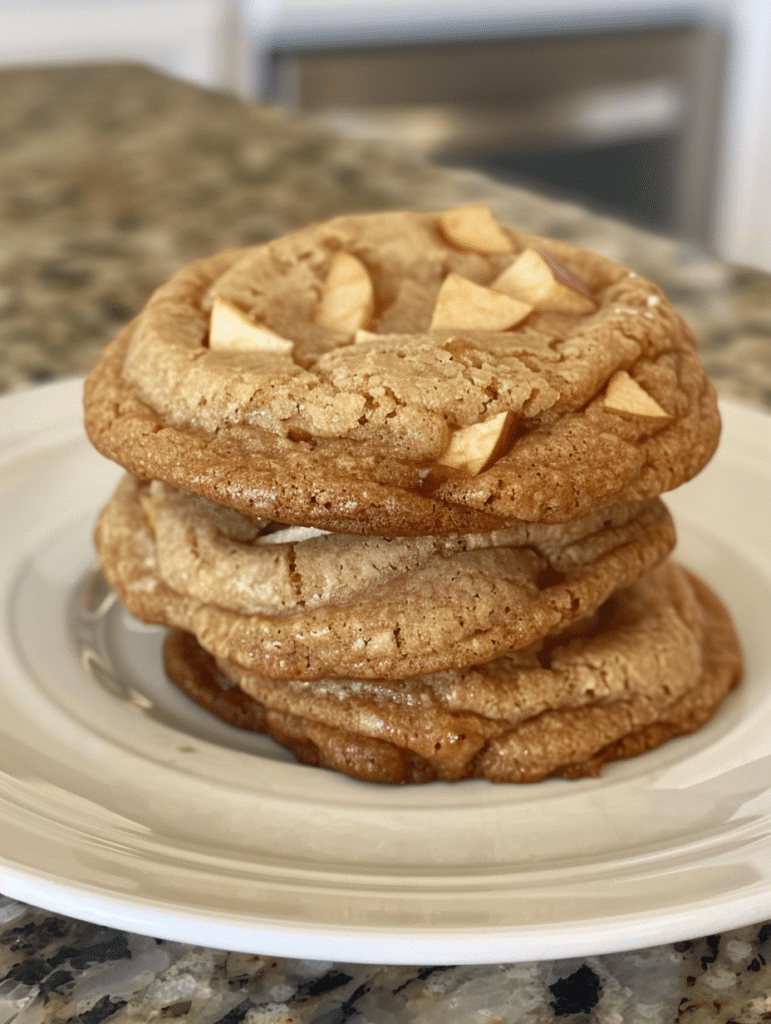
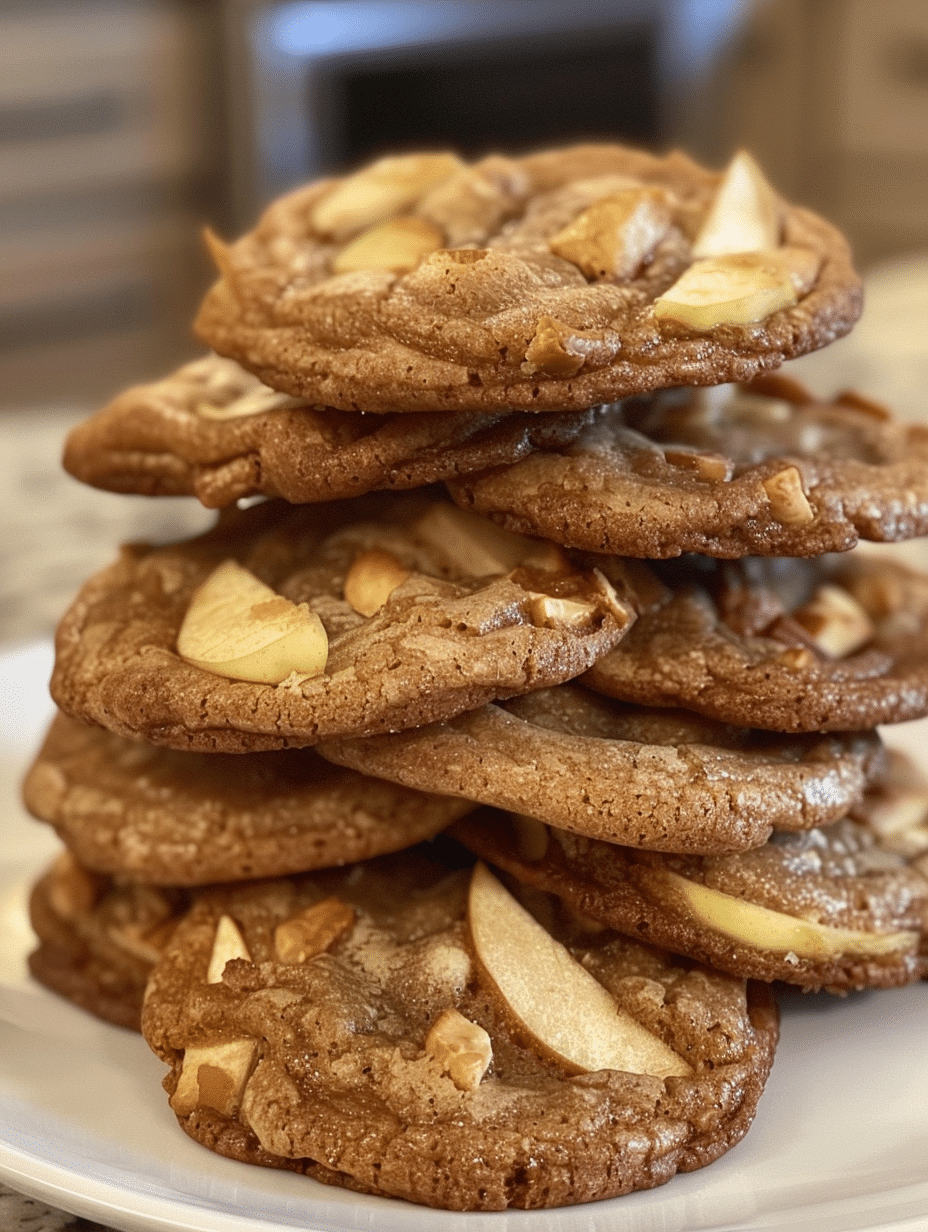
Apple cider cookies are tender, cake-like cookies that capture the warm spices and tangy-sweet flavor of autumn in every bite. These cookies combine reduced apple cider, cinnamon, nutmeg, and cloves to create a distinctly seasonal dessert that tastes like fall itself. The dough stays soft for days and develops richer flavor when stored, making them perfect for baking ahead. Whether you’re preparing for a harvest celebration or simply craving something cozy, apple cider cookies deliver comfort and nostalgia without requiring unusual baking techniques.
About Me and This Recipe
I’m Lila Bennett, a 34-year-old home baker based in Portland, Oregon, and my kitchen is almost always filled with the smell of something sweet. I fell in love with baking as a kid, sneaking tastes of cookie dough and watching simple ingredients turn into something comforting and delicious. What started with slightly overbaked cookies turned into years of experimenting with cakes, pancakes, and all kinds of desserts—learning through trial, error, and a lot of taste-testing.
Apple cider cookies became part of my autumn tradition after a farmers market trip ten years ago when I purchased a gallon of fresh apple cider. I spent that afternoon reducing it on the stovetop, filling my entire home with that unmistakable spiced apple aroma. That batch of cookies turned out so well that I’ve refined the recipe every fall since, and now they’re something my family requests before September even ends.
Through years of recipe testing and adjusting measurements, I’ve learned exactly what makes these cookies achieve that perfect soft-and-chewy texture. I’ve also discovered the common pitfalls that lead to dry or overly dense results. My experience baking hundreds of batches has taught me that reducing the apple cider properly is non-negotiable, and that measuring flour correctly prevents disappointment every single time.
Recipe Overview
| Prep Time | Cook Time | Total Time | Servings | Difficulty | Cuisine |
|---|---|---|---|---|---|
| 25 minutes | 12-14 minutes | 1 hour 15 minutes | 24 cookies | Easy | American |
Why This Recipe Works
I discovered early on that most apple cider cookie recipes fail because they use too much liquid cider, creating a batter instead of a proper dough. By reducing the apple cider down to a concentrated, syrupy liquid, you capture all the flavor without making the dough soggy. This reduction process concentrates the tannins and sugars, which actually improves the cookies’ texture and depth of flavor significantly.
The combination of both granulated and brown sugar creates the perfect balance of crispness around the edges and chewiness in the center. I’ve tested this recipe with all white sugar and all brown sugar, and neither version matches the texture you get with both varieties together. The molasses in brown sugar adds moisture and deepens the spiced notes beautifully.
Using melted butter instead of creamed butter produces a denser, more cake-like crumb that holds up better over several days of storage. This matters because apple cider cookies actually taste better on day two or three, when the spice flavors have time to meld and mature. I always make an extra batch because my family tends to eat through them quickly.
Ingredients
| Ingredient | Quantity | Notes and Alternatives |
|---|---|---|
| Apple cider (fresh, not bottled juice) | 2 cups | Must be reduced to 1/2 cup. Bottled juice won’t concentrate properly; look for cloudy cider at farmers markets. |
| All-purpose flour | 2 1/4 cups | Measure by spooning into cup and leveling off. Gluten-free all-purpose blend works if xanthan gum is included. |
| Unsalted butter, melted | 1/2 cup (1 stick) | Ghee or coconut oil adds moisture but changes flavor slightly. |
| Granulated sugar | 1 cup | Cannot be omitted without affecting texture and spread. |
| Packed brown sugar | 1/2 cup | Ensure it’s truly packed; light brown sugar is interchangeable with dark. |
| Large eggs | 2 | Room temperature; cold eggs slow mixing and can create uneven texture. |
| Ground cinnamon | 1 1/2 teaspoons | Use fresh from a tin or container opened recently; old cinnamon loses potency. |
| Ground nutmeg | 1/2 teaspoon | Freshly grated nutmeg delivers superior flavor but measure the same. |
| Ground cloves | 1/4 teaspoon | Cloves are potent; do not exceed this amount or cookies will taste medicinal. |
| Baking soda | 1 teaspoon | Essential for rise and crumb structure; baking powder cannot substitute. |
| Fine sea salt | 1/2 teaspoon | Enhances spice flavors; table salt works but tastes slightly harsher. |
| Vanilla extract | 1 teaspoon | Pure vanilla only; imitation lacks complexity and smells harsh when heated. |
Step-by-Step Instructions
Phase 1: Reduce the Apple Cider
- Pour 2 cups of fresh apple cider into a small saucepan over medium-high heat.
- Bring the cider to a simmer, watching carefully so it doesn’t boil over onto your stovetop.
- Reduce heat to medium and let the cider simmer for 20-25 minutes, stirring occasionally to check progress.
- Monitor the cider closely as it reduces; it should darken from pale gold to deep amber and become noticeably thicker.
- Stop when the cider measures exactly 1/2 cup (use a liquid measuring cup to check accuracy).
- Pour the reduced cider into a small bowl and let it cool to room temperature for 10 minutes.
Phase 2: Mix Wet Ingredients
- Combine melted butter, granulated sugar, and brown sugar in a large mixing bowl.
- Whisk the mixture until the sugars fully dissolve into the butter and the mixture looks uniform.
- Pour the cooled reduced apple cider into the butter mixture.
- Whisk again until the cider is fully incorporated and the mixture is smooth and shiny.
- Add both eggs and vanilla extract to the wet mixture.
- Whisk vigorously for 1 minute until the eggs are completely combined and the mixture is well emulsified.
Phase 3: Combine Dry Ingredients
- Sift flour, baking soda, salt, cinnamon, nutmeg, and cloves into a separate medium bowl.
- Whisk the dry ingredients together for 30 seconds to evenly distribute the baking soda and spices.
- Create a well in the center of the dry ingredients and pour the wet mixture into it.
- Fold the dry ingredients into the wet mixture using a rubber spatula, stirring until no flour streaks remain.
- Stop folding as soon as the dough comes together; overmixing develops gluten and makes cookies tough.
Phase 4: Chill and Shape
- Transfer the dough to a medium bowl and cover it tightly with plastic wrap.
- Refrigerate the dough for at least 30 minutes, preferably 1 hour, until it firms up noticeably.
- Position oven racks to the upper-middle and lower-middle levels and preheat your oven to 350°F.
- Line two large baking sheets with parchment paper or silicone baking mats.
- Scoop dough using a cookie scoop or measuring spoon, placing mounds 2 inches apart on the prepared baking sheets.
Phase 5: Bake and Cool
- Bake the cookies for 12-14 minutes, rotating the sheets halfway through if they’re browning unevenly.
- Remove from the oven when the edges feel set but the centers still feel slightly soft to the touch.
- Allow cookies to rest on the baking sheet for 5 minutes before transferring them to a wire cooling rack.
- Cool completely before storing or eating, which takes about 20-30 minutes depending on room temperature.
Chef Tips for Perfect Results
- Reduce apple cider in a light-colored saucepan so you can easily see the color changes that indicate proper reduction depth.
- Measure flour by spooning it into your measuring cup and sweeping the top level; pressing the cup into the bag compacts flour and creates dense cookies.
- Do not skip the chilling step; warm dough spreads too much in the oven and creates thin, crispy cookies instead of chewy ones.
- Rotate your baking sheets halfway through cooking for even browning, especially if your oven has hot spots.
- Underbake slightly and remove cookies when centers still feel soft; residual heat continues cooking them for 5 minutes after removal.
- Let cooled cookies sit in an airtight container for 24 hours before serving; this allows spice flavors to fully develop and mature.
Common Mistakes to Avoid
Mistake 1: Using bottled apple juice instead of fresh cider. Bottled juice has been pasteurized and filtered, removing the pectin and compounds that give fresh cider its distinctive flavor. When you reduce bottled juice, it becomes overly sweet and lacks the complex apple-spice character you need. Always seek out fresh cider from farmers markets or orchards during fall season.
Mistake 2: Not reducing the cider enough. If you stop reducing when the cider measures 3/4 cup instead of 1/2 cup, your dough will be too wet and cookies will spread flat and become cakey. This is why precision matters; use a liquid measuring cup to verify your reduction stopped at exactly 1/2 cup before proceeding with the recipe.
Mistake 3: Overbaking the cookies. Apple cider cookies continue cooking from residual heat even after removal from the oven. If you bake them until they feel completely firm, they’ll turn hard and dry within a day. Remove them when the centers still look slightly underbaked and edges are golden brown.
Mistake 4: Adding spices without checking their freshness. Ground cinnamon, nutmeg, and cloves lose potency after 6-8 months of storage. Stale spices won’t deliver the cozy, complex flavor profile that makes these cookies special. Smell your spice containers before baking; if they lack aroma, replace them with fresh supplies.
Mistake 5: Creaming butter and sugar instead of melting the butter. Creamed butter incorporates air, which creates cookies with a cakier crumb structure. Melted butter produces the denser, chewier texture that apple cider cookies should have. This is an intentional choice, not an oversight.
Variations and Substitutions
| Ingredient | Substitution | Impact on Flavor and Texture |
|---|---|---|
| Apple cider | Pear cider (reduced the same way) | Produces a more delicate, floral sweetness; cookies taste slightly less spiced. |
| Ground cinnamon | Increase to 2 teaspoons | Creates a more pronounced cinnamon-forward flavor that some find more satisfying. |
| All-purpose flour | Whole wheat flour (use 2 cups whole wheat and 1/4 cup all-purpose) | Adds nutty depth and slightly denser crumb; texture becomes less tender. |
| Granulated sugar | Coconut sugar (same amount) | Adds subtle caramel notes but changes spread pattern slightly; monitor oven time. |
| Vanilla extract | Maple extract (use 1/2 teaspoon plus 1/2 teaspoon vanilla) | Introduces deeper autumn flavor; complements spices beautifully without overwhelming them. |
| Ground nutmeg | Replace with 1/2 teaspoon freshly grated nutmeg from whole seeds | Delivers superior flavor complexity; freshly grated nutmeg tastes noticeably fresher. |
| Brown sugar | Use 1 cup total with only granulated sugar | Creates crispier, less chewy texture; cookies won’t stay soft as long in storage. |
| Apple cider | Reduced cider combined with 2 tablespoons of apple butter | Intensifies apple flavor and adds fiber; produces denser cookies with deeper color. |
Serving Suggestions and Pairings
Apple cider cookies pair beautifully with hot beverages during cooler months. Serve them alongside a steaming mug of spiced apple cider, hot chocolate, or herbal tea like chamomile or apple-cinnamon blend. The cookies’ soft texture and warm spice notes complement each beverage perfectly without competing for attention.
These cookies work well for autumn entertaining and harvest celebrations. Arrange them on a rustic wooden board with fresh apple slices, aged cheddar cheese, and candied pecans for a sophisticated fall dessert platter. Your guests will appreciate the homemade quality and seasonal appropriateness of this combination.
Pack apple cider cookies into small kraft boxes or clear cellophane bags tied with twine for hostess gifts or holiday baking exchanges. They ship well due to their sturdy texture and actually improve during the 2-3 day shipping process as flavors continue developing. Include a note mentioning that the cookies taste best on day two or three after baking.
Serve cookies at breakfast alongside Greek yogurt, granola, and fresh berries for a surprisingly elegant morning treat. The tender crumb and fruity spice notes complement yogurt breakfasts far better than traditional sweet breakfast pastries do.
Storage and Reheating
| Method | Duration | Instructions |
|---|---|---|
| Airtight container at room temperature | 4-5 days | Place a sheet of parchment between each layer to prevent sticking. Include a small piece of bread to maintain softness; replace bread daily. |
| Freezer in freezer bag | Up to 2 months | Layer cookies between parchment in a gallon-sized freezer bag; remove as much air as possible before sealing. |
| Thaw from frozen | 30-40 minutes | Remove cookies from freezer and allow to rest on the counter at room temperature without opening the bag; condensation forms during thawing and re-moisturizes cookies. |
| Refresh stale cookies | 5 minutes | Wrap individual cookies loosely in a damp paper towel and microwave for 8-10 seconds to restore softness temporarily. |
| Uncooked dough in refrigerator | Up to 4 days | Store covered dough in a sealed container; scoop and bake directly from cold dough, adding 1-2 minutes to baking time. |
| Uncooked dough in freezer | Up to 3 months | Scoop dough into balls, flash-freeze on a baking sheet, then transfer to a freezer bag; bake from frozen, adding 3-4 minutes to baking time. |
Nutritional Information
| Nutrient | Amount per Serving |
|---|---|
| Calories | 165 |
| Protein | 1.8g |
| Carbohydrates | 24g |
| Fat | 7.2g |
| Saturated Fat | 4.1g |
| Fiber | 0.3g |
| Sugar | 16g |
| Sodium | 118mg |
Approximate values based on 24 cookies per batch. Actual nutrition varies by specific ingredients and portion size.
Frequently Asked Questions
Can I make apple cider cookies without reducing the cider first?
No, you cannot skip the reduction step without dramatically changing the recipe’s results. Fresh apple cider contains too much water; using unreduced cider creates a batter instead of dough. The reduction concentrates flavor and removes excess liquid, which is essential for achieving the proper soft-chewy texture these cookies require.
How do I know when the cookies are done baking?
Remove cookies when the edges feel set and lightly browned, but the centers still feel slightly soft when you gently press them. The cookies will continue cooking from residual oven heat for about 5 minutes after removal, so slight underbaking prevents overdryness. If you wait until centers feel completely firm in the oven, cookies will turn hard once completely cooled.
Why did my apple cider cookies turn out cakey instead of chewy?
Cakey texture typically results from one of three issues: overbaking, using creamed butter instead of melted butter, or measuring flour too generously without spooning and leveling. This recipe intentionally uses melted butter to create density, so creaming butter would produce unwanted cake-like results. Measure flour correctly by spooning it into the cup and sweeping level.
Can I make the dough ahead and bake cookies later?
Yes, refrigerated dough keeps for up to 4 days or frozen dough keeps up to 3 months. Scoop dough into balls and freeze them separately on a baking sheet before transferring to a freezer bag; this prevents them from sticking together. Bake frozen dough straight from the freezer, adding 3-4 minutes to the baking time.
What’s the best way to keep these cookies soft over multiple days?
Store cooled cookies in an airtight container with a small piece of white bread; the bread transfers moisture to the cookies and keeps them tender. Replace the bread daily or whenever it becomes hard. Alternatively, include a food-safe moisture packet designed for baked goods storage.
Can I use store-bought apple juice instead of fresh cider?
Store-bought apple juice will not produce the same results as fresh cider because it lacks the pectin, tannins, and complexity of fresh cider. Bottled juice also reduces to a cloying, overly-sweet syrup that makes cookies taste artificial. Fresh cider from orchards or farmers markets is essential for authentic apple cider cookie flavor.
Why are my cookies spreading too much during baking? Dough that spreads excessively indicates the mixture was too warm or not chilled long enough before baking. Always chill dough for at least 30 minutes, and consider chilling shaped dough on the baking sheet for an additional 10-15 minutes before baking. Warm dough spreads immediately in the oven’s heat.
Can I double this recipe without adjusting anything? Yes, doubling the recipe works perfectly as long as you reduce the apple cider accordingly and bake in batches on multiple sheets. The proportions scale evenly without requiring technique changes. Ensure your oven has room for two sheets on different racks for consistent baking results.
Final Thoughts
Apple cider cookies deliver authentic autumn flavor through proper cider reduction and balanced warm spices. These soft, cake-like cookies improve with storage as flavors develop and mature over 2-3 days. Bake a batch this fall and discover why this recipe has earned a permanent place in my family’s seasonal baking tradition and can become a cherished part of yours.
Apple Cider Cookies
Equipment
- small saucepan
- mixing bowls
- whisk
- rubber spatula
- baking sheets
- wire cooling rack
Ingredients
- 2 cups fresh apple cider
- 2 1/4 cups all-purpose flour
- 1/2 cup unsalted butter, melted
- 1 cup granulated sugar
- 1/2 cup packed brown sugar
- 2 large eggs
- 1 1/2 tsp ground cinnamon
- 1/2 tsp ground nutmeg
- 1/4 tsp ground cloves
- 1 tsp baking soda
- 1/2 tsp fine sea salt
- 1 tsp vanilla extract
Instructions
- Pour the apple cider into a saucepan and bring to a simmer over medium-high heat.
- Reduce the cider for 20–25 minutes until it measures exactly 1/2 cup and becomes syrupy.
- Let the reduced cider cool to room temperature for about 10 minutes.
- Whisk melted butter, granulated sugar, and brown sugar together until smooth.
- Add the cooled reduced cider and whisk until fully combined.
- Add eggs and vanilla extract and whisk vigorously until emulsified.
- In a separate bowl, whisk together flour, baking soda, salt, cinnamon, nutmeg, and cloves.
- Fold the dry ingredients into the wet mixture until no flour streaks remain.
- Cover the dough and refrigerate for at least 30 minutes until firm.
- Preheat the oven to 350°F and line baking sheets with parchment paper.
- Scoop dough onto prepared baking sheets, spacing cookies 2 inches apart.
- Bake for 12–14 minutes until edges are set and centers remain slightly soft.
- Cool cookies on the baking sheet for 5 minutes before transferring to a wire rack.
- Allow cookies to cool completely before storing or serving.
